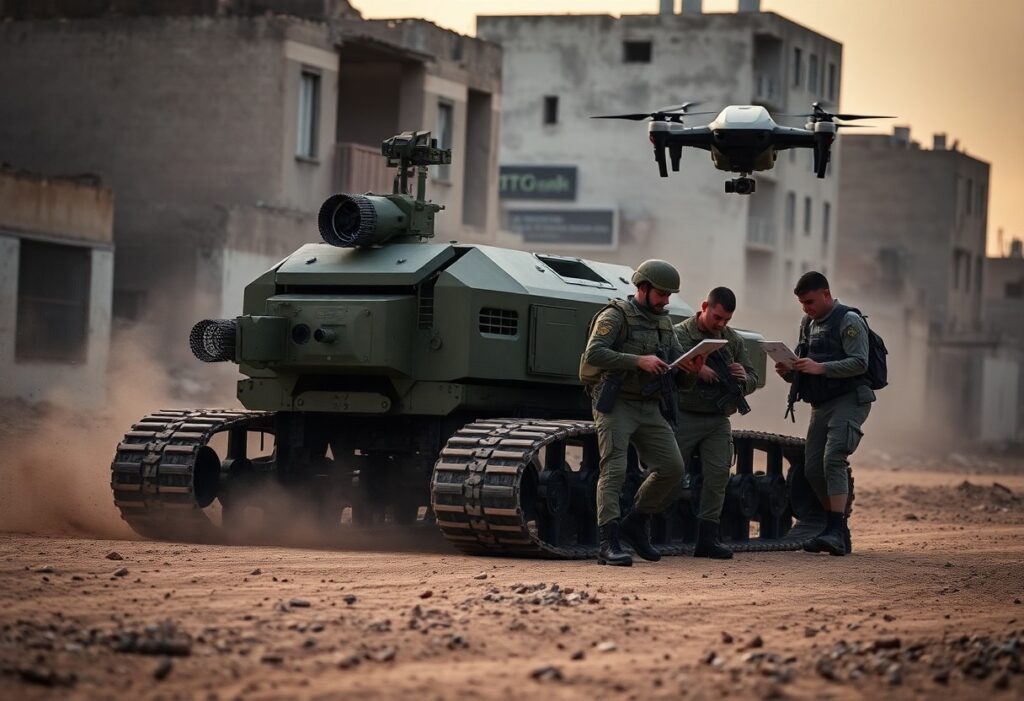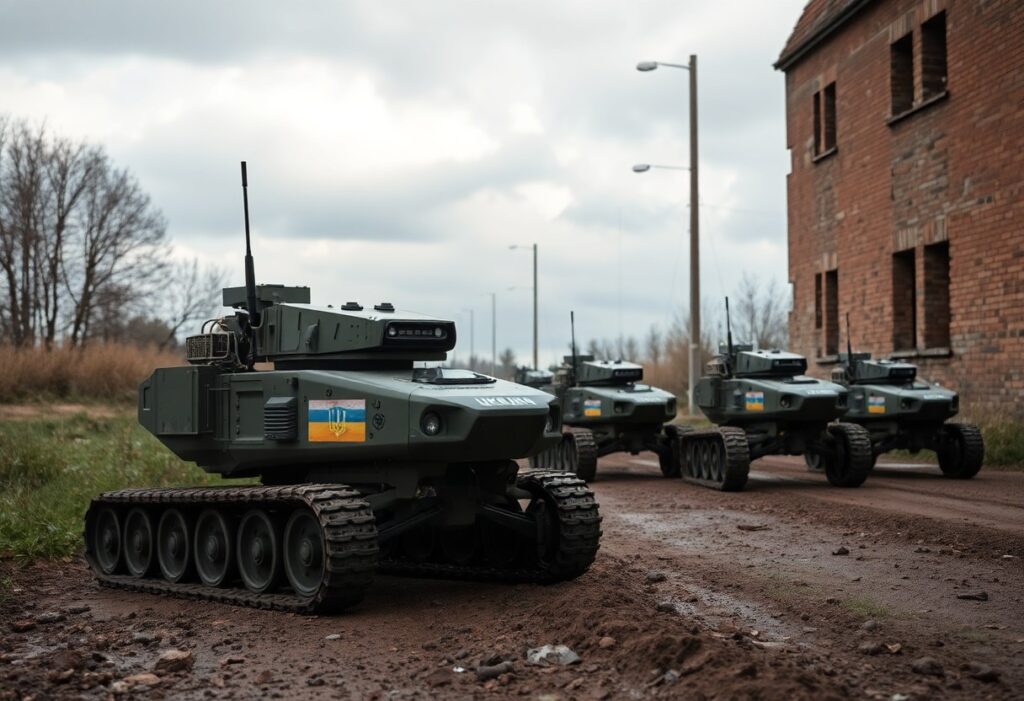
Most military planners now expect ground robots to play a decisive role in future combat operations, a shift already visible in recent conflicts where unmanned systems have taken on reconnaissance, logistics, and direct engagement tasks. You operate in an era where algorithmic targeting and remote-controlled mobility redefine battlefield dynamics, with pilot programs from Ukraine to the Indo-Pacific demonstrating real-time tactical integration. A mid-sized SaaS firm developing battlefield AI might once have sounded implausible, yet today’s defense contractors include startups specializing in autonomous swarm coordination and ruggedized sensor suites.
The Soldiers of Iron and Wire
You operate alongside machines that do not tire, flinch, or falter under fire. These ground robots, built for reconnaissance, bomb disposal, and direct combat, extend your reach into danger zones where human presence is too costly. In Iraq and Afghanistan, thousands of EOD robots like the PackBot saved lives by neutralizing IEDs before they could claim them. Some now carry weapons, patrol perimeters, or haul gear across terrain that would exhaust even the fittest soldier. Their steel frames absorb risks once borne solely by flesh and bone, shifting the balance of survivability in modern operations. A single operator may command multiple units, turning one soldier into a node of distributed robotic force on the battlefield.

The Math of the Kill
Your targeting solution depends on variables the enemy cannot control: wind speed, bullet drop, sensor latency. A ground robot calculates each variable in real time, adjusting aim with millimeter precision. In one documented engagement, a robotic sentry identified and neutralized a moving target at 800 meters using predictive algorithms trained on ballistic data from hundreds of prior firings.
The Dust of the New War
Endurance in Adverse Conditions
You operate ground robots in environments where dust, heat, and debris degrade performance rapidly. A single grain of sand can jam sensors or impede movement, demanding ruggedized designs. Military units in Iraq observed that unmodified robotic scouts failed within weeks due to particulate infiltration. Modern variants now feature sealed joints and self-cleaning optics, allowing sustained operation in desert storms and urban rubble alike.
The Man Behind the Glass
Your role shifts when operating a ground robot from a remote console. You’re no longer exposed to heat, dust, or the immediate threat of ambush, yet the weight of decisions grows heavier. A dismounted operator in a forward base may guide a PackBot through a Taliban compound in Kandahar while seated in a climate-controlled trailer miles away. Your hands move a joystick, your eyes scan high-definition feeds, and your mind processes threats in real time without the adrenaline of proximity. The physical risk diminishes, but the cognitive load intensifies with every delayed decision. You watch a suspicious figure on screen, knowing a misjudgment carries irreversible consequences. The screen blurs the line between detachment and responsibility, placing you in a new kind of combat-one fought in silence, under fluorescent light.
The Storm of the Many
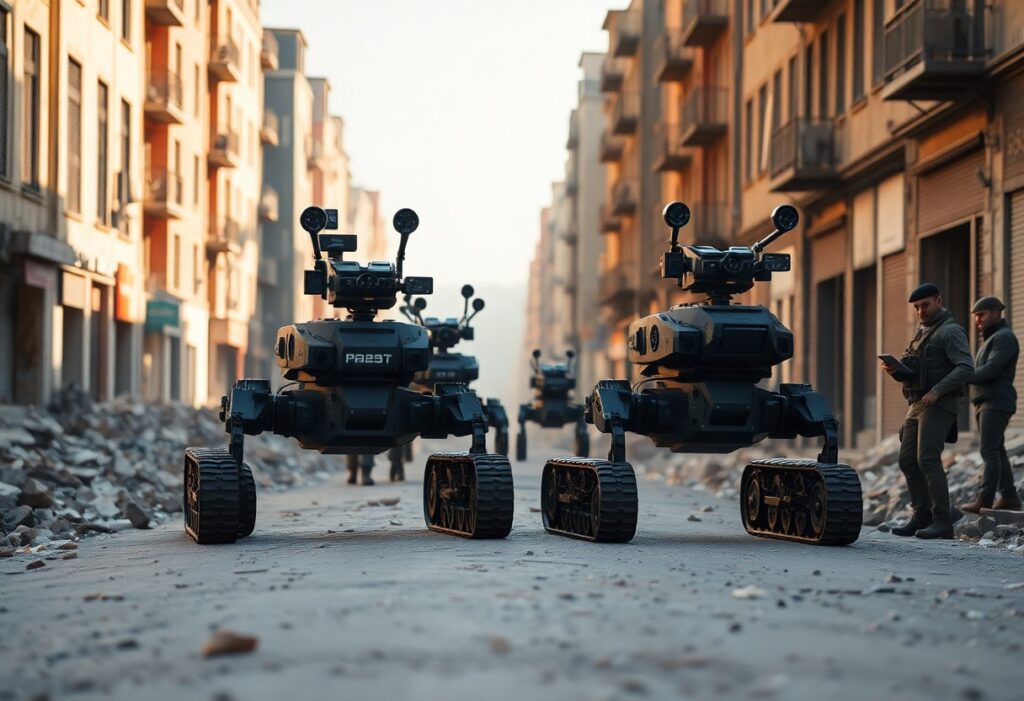
Swarm tactics now redefine battlefield dynamics, with dozens of small ground robots advancing in coordinated waves. You face an enemy that multiplies rapidly, each unit expendable yet collectively overwhelming. A single command can launch hundreds of robotic surrogates across open terrain, mimicking insect-like behavior to breach fortified lines. In one documented exercise, a mid-sized SaaS firm’s algorithm directed 120 units to converge on a target within ninety seconds, adapting routes in real time as simulated losses occurred. Precision and redundancy replace brute force, shifting how engagements unfold on contact.
Final Words
Ground robots now patrol forward outposts, conduct reconnaissance under fire, and disarm explosives in active combat zones. You operate them from secure rear positions, reducing frontline exposure while maintaining operational reach. A single robot can enter a booby-trapped compound in Fallujah or clear a tunnel network in Gaza without risking a human life. These machines do not replace soldiers but redefine their roles, shifting the center of gravity from physical presence to remote decision-making. The future battlefield belongs to those who command steel with precision and intent.