Just above the trenches and wheat fields of Ukraine, drones hum with a frequency unseen in modern warfare. You see them altering supply runs, spotting artillery targets, and striking with precision once reserved for manned aircraft. Robotics are no longer auxiliary tools here-they are central actors, rewriting tactics in real time across a contested frontier.
The Iron Birds
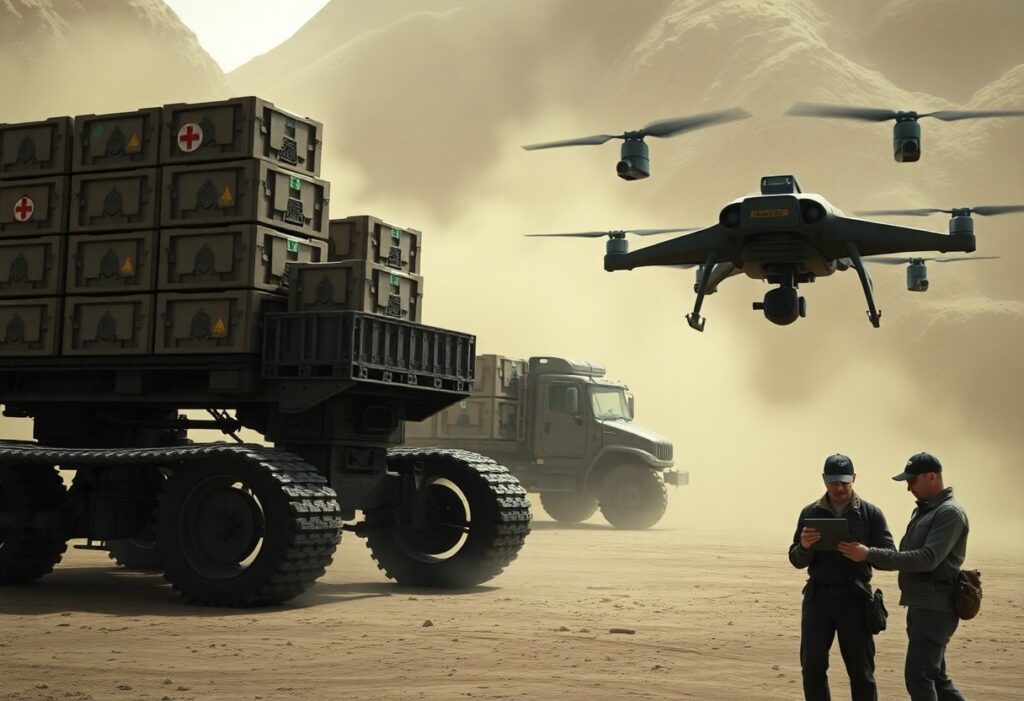
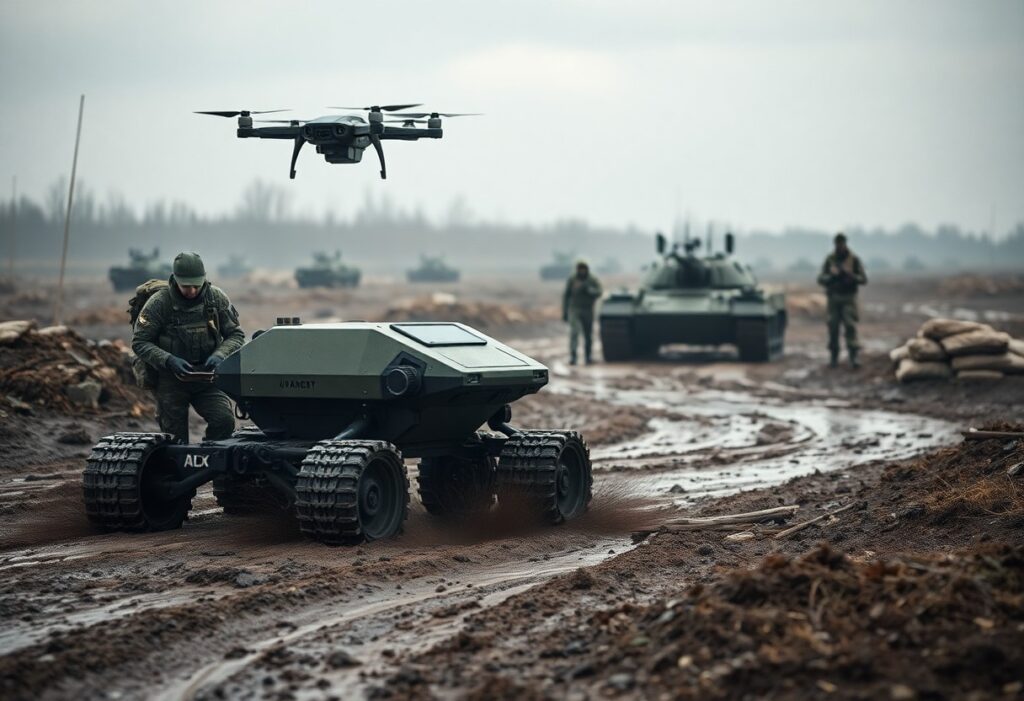
You operate drones that cost less than a tank yet deliver precision once reserved for fighter jets, turning consumer-grade technology into battlefield assets. Ukrainian forces deploy Turkish Bayraktar TB2s alongside homemade FPV quadcopters, adapting commercial parts to scout, strike, and disrupt Russian formations. These iron birds hover at the edge of artillery range, relaying coordinates in real time, extending your reach across the steppe.
Crawling Steel
You encounter small tracked robots scuttling through trench lines, their metal treads gripping mud and debris as they deliver supplies or haul wounded soldiers from fire zones. These ground units, often repurposed from civilian models, now carry medical kits, ammunition, or explosives, guided by operators hundreds of meters behind the front. A Ukrainian unit near Bakhmut used one such robot to place a charge beneath a damaged armored vehicle, clearing a roadblock without exposing any personnel. Their simplicity makes them expendable, yet their impact on frontline logistics and casualty reduction is measurable in saved lives and sustained pressure on entrenched positions.
The Signal War
Electronic warfare systems now disrupt your drone feeds and GPS signals, turning sophisticated machines into blind assets. Russian forces deploy Krasukha-4 units to jam frequencies, forcing Ukrainian operators to rely on line-of-sight controls or pre-programmed routes. You adapt by using decentralized communication networks and low-frequency signals that evade detection. Some units equip drones with terrain-matching algorithms, reducing reliance on vulnerable satellite links. Each flight becomes a test of signal resilience, not just firepower.

Naval Ghosts
You operate in a domain where unmanned surface vessels glide silently across the Black Sea, repurposed fishing boats packed with explosives and guided by GPS. These drone boats, some no larger than a jet ski, have targeted naval bases at Snake Island and Sevastopol, forcing fleets to remain in port. Satellite imagery later revealed shattered docks and scorched hulls, evidence of how low-cost, expendable craft can disrupt centuries-old maritime dominance.
The Human Cost
You see the toll in the villages near the front lines, where drones streak overhead and explosions puncture the night. A farmer in Kharkiv region lost both legs to a mine-clearing robot’s misfire, one of several civilian casualties linked to autonomous systems. Soldiers report psychological strain from constant surveillance, knowing a machine might decide their fate without warning. In one documented case, a Ukrainian unit avoided a Russian ambush only after spotting a reconnaissance robot transmitting their position. These moments reveal the hidden injuries: trauma not just from impact, but from unpredictability, where algorithms operate beyond human hesitation. A mid-sized SaaS firm wouldn’t face such stakes, but here, every line of code carries weight. You understand that progress on the battlefield measures its success not only in territory gained, but in the lives altered off it.
Final Words
You see drones and ground robots operating in Ukraine not as futuristic novelties but as integrated tools reshaping tactics in real time. A single operator can now disable a tank with a loitering munition costing a fraction of traditional ordnance. You adapt to an environment where electronic warfare disrupts signals and forces constant innovation. Ukrainian and Russian units alike deploy drone swarms for reconnaissance and strikes, proving that autonomy is no longer optional. You operate in a war where software updates reach the front lines faster than spare parts, and where a civilian quadcopter can alter the course of a skirmish. You are no longer waiting for the future of warfare-it is unfolding in real time, pixel by pixel, on the screen of a remote controller.