Most successful Robot Wars competitors begin not with power tools, but with a clear plan. You need a design that balances speed, armor, and weapon efficiency. Every choice you make-from materials to motor selection-directly impacts performance in the arena. Build with precision, test relentlessly, and enter the battle ready to adapt.
The Skeletal Structure of a God
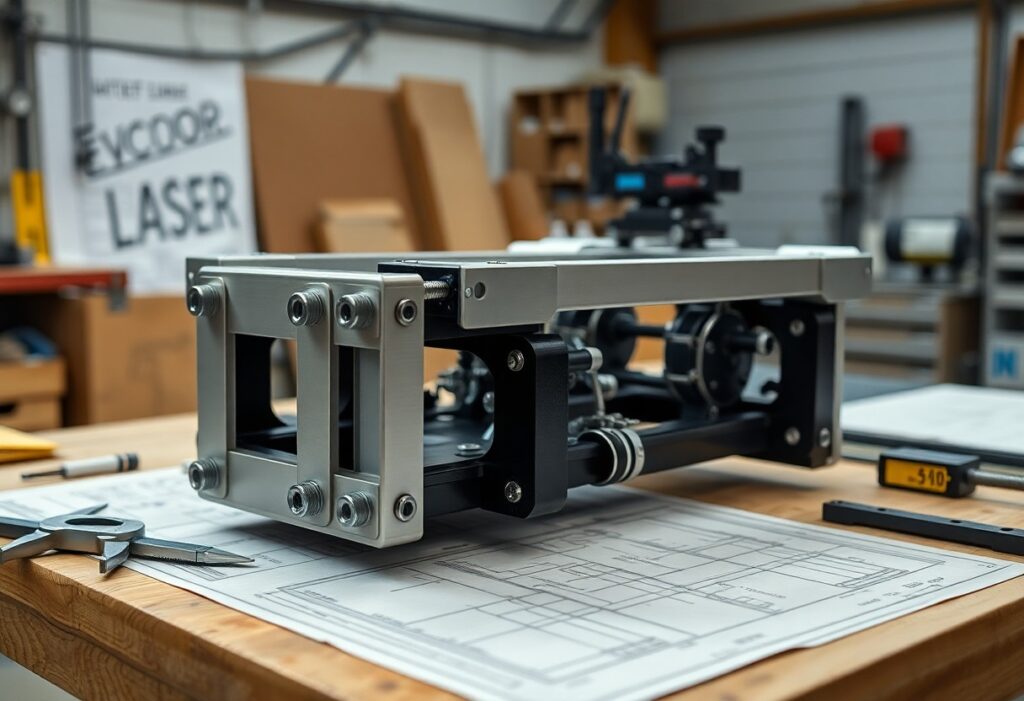
Every champion bot starts with a frame that laughs at impacts. Your robot’s skeleton must channel force away from delicate internals while staying within strict weight limits. For fresh robot ideas for builders to make, study past arena dominators-they often share one trait: unbreakable geometry.
Hardox Steel and Weight Limits
Hardox steel offers insane strength without bloating your weight. You’re allowed only so much mass, so every gram counts. Choose this alloy where impacts hit hardest, but don’t overuse it-balance is your silent weapon.
Strategic Component Placement
Positioning your battery and motor affects how your bot handles punishment. Off-center mass can ruin agility, while poorly shielded electronics die fast. Think like a boxer-protect your core, strike from unexpected angles.
Smart component layout doesn’t just survive hits-it turns them to advantage. Mount heavy parts low to lower your center of gravity, improving stability during high-speed turns. Shield sensitive wiring behind structural elements, and always route cables with slack for joint movement. Your bot’s resilience isn’t just in armor; it’s in how every piece supports the next under fire.
The Nervous System of a Killer
Your robot’s electronics form the central nervous system that turns intent into motion and destruction. Every command from your transmitter must translate instantly into action, demanding precision in both hardware selection and layout. Speed, response, and reliability hinge on how well these components communicate under combat stress.
Speed Controllers and Overclocking
You push your motors to their limits, and your speed controllers must keep up. Tuning them beyond stock settings can deliver explosive acceleration, but demands careful thermal management. Match your controller’s current rating to your battery and motor specs-overclocking without proper support leads to burnout mid-battle.
Signal Integrity and Interference
You rely on clean signals to maintain control when sparks fly and systems scream. Electromagnetic noise from motors and power circuits can corrupt radio commands, causing dangerous lag or glitches. Shielding, grounding, and frequency selection are your first line of defense.
Every wire in your bot acts as an antenna under electromagnetic stress. High-current spikes from drive motors induce voltage in nearby signal lines, risking unintended weapon activation or drive failure. Use twisted-pair wiring for control signals, keep low-voltage cables away from power runs, and employ ferrite cores to suppress noise. A 2.4 GHz spread-spectrum receiver, mounted away from noise sources and properly grounded, ensures your commands cut through the chaos without delay.
The Infinite Quest for Power
Power defines your robot’s potential in the arena, dictating speed, weapon force, and endurance. You’re always balancing output with efficiency, pushing systems to their edge without sacrificing control or safety. Every component must contribute to a unified goal: maximum aggression with minimal downtime.
High Torque Drive Motors
Motor selection shapes how quickly you can reposition or escape danger. You need high torque at low speeds to shove opponents or pivot under load. Brushless motors often deliver the responsiveness and durability required for repeated, punishing matches.
Lithium Polymer Fire Hazards
Lipo batteries offer high energy density, but you already know one puncture or overcharge can lead to thermal runaway. Managing their risk means strict charging protocols, secure mounting, and fireproof containment to protect both machine and operator.
Thermal runaway in lithium polymer cells starts silently-heat builds from internal short circuits, often due to impact or improper voltage management. You must monitor cell balance during charging and use silicone bags or metal enclosures to contain potential fires. Even a small breach can ignite flammable electrolytes, turning a powerful energy source into a liability within seconds. Your safety routine can’t afford shortcuts.
The Art of Arena Violence
Success in Robot Wars demands more than speed or armor-it requires mastering controlled aggression. You must exploit every hazard, anticipate opponent movement, and strike with precision. The arena isn’t just a battlefield; it’s a weaponized environment where timing and positioning decide victors.
The Magic of the Hydraulic Flipper
You feel the surge of pressure the moment the cylinder engages. A well-timed flip launches opponents skyward, turning their momentum against them. Hydraulic flippers dominate when built with reinforced rams and rapid dump valves-your robot becomes a launchpad of chaos.
Navigating the Pit of Oblivion
One misstep near the edge and your machine vanishes into the pit. You learn to respect its pull, using tight turns and rear sensors to stay clear. The pit doesn’t attack-it waits, silent and absolute, for overconfidence to strike.
Survival means treating the pit like a live wire-always present, never to be touched. You design with awareness: low overhangs, responsive steering, and spatial discipline. In high-pressure duels, the difference between glory and defeat is millimeters from the drop.
The Pit Lane Panic
Every second counts when your robot lies in pieces after a brutal match. You’re not just repairing-you’re rebuilding under pressure, with eyes on the next bout. The pit lane becomes a high-stakes workshop where focus and speed separate contenders from casualties.
Rapid Structural Welding
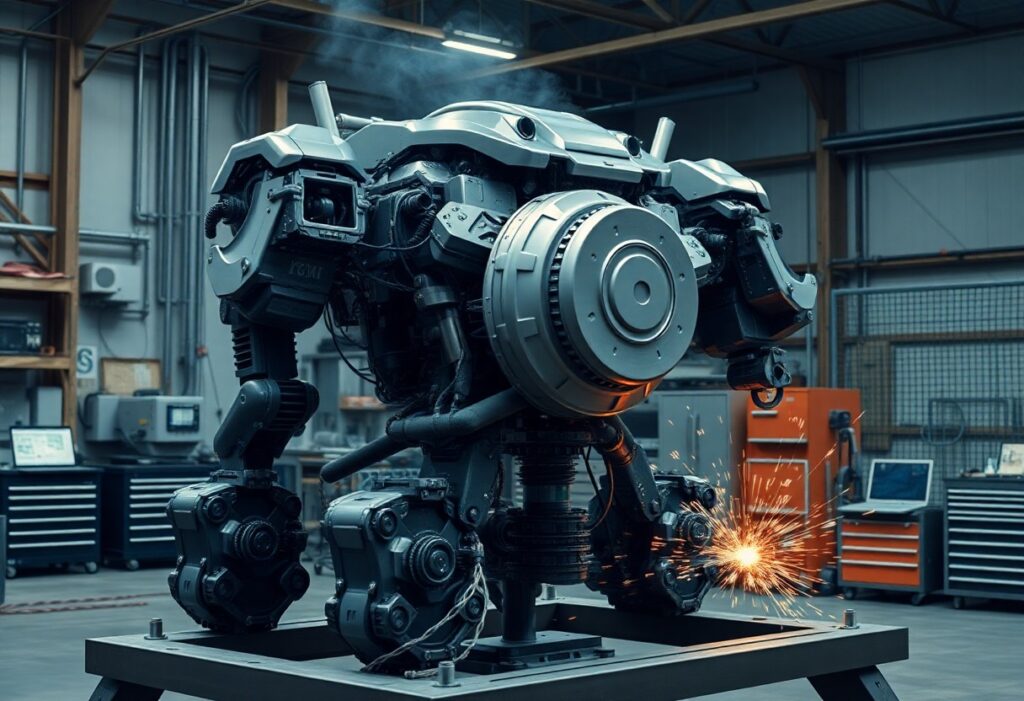
Speed saves your build when frames crack under combat stress. You use precision MIG welding to fuse steel joints in minutes, not hours. A steady hand and practiced technique ensure strength without excess bulk, keeping your machine battle-ready and balanced.
Modular Component Swaps
Damage doesn’t stop you when systems snap in and out like puzzle pieces. You swap torn drive trains or fried electronics in under five minutes. Standardized mounts and color-coded connectors turn chaos into order, letting you adapt faster than your opponent.
Modular design means you don’t rebuild-you reconfigure. Each subsystem, from weaponry to power distribution, lives on a self-contained tray. When a spinner motor dies, you unclip the entire module and drop in a fresh one. This approach demands foresight during build, but in the pit, it feels like cheating time.
Conclusion
Your robot’s success in Robot Wars hinges on smart design, durable construction, and sharp combat strategy. You must balance speed, armor, and weapon power while anticipating对手 tactics. Every decision-from materials to motor choice-shapes performance in the arena. Build with purpose, test relentlessly, and refine until your machine stands ready to dominate.