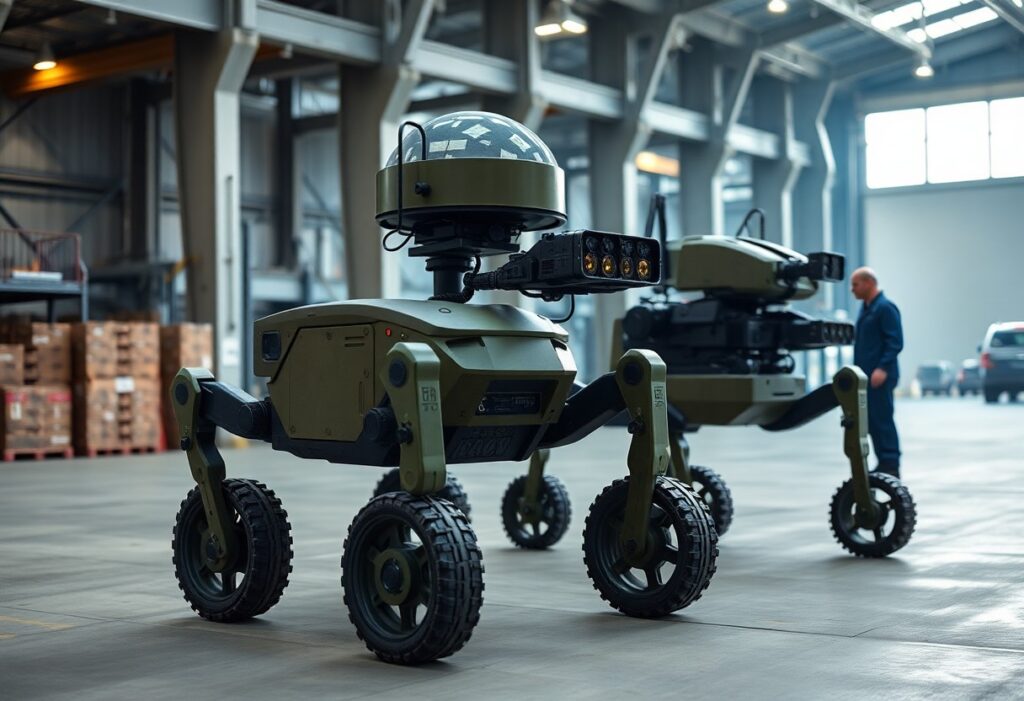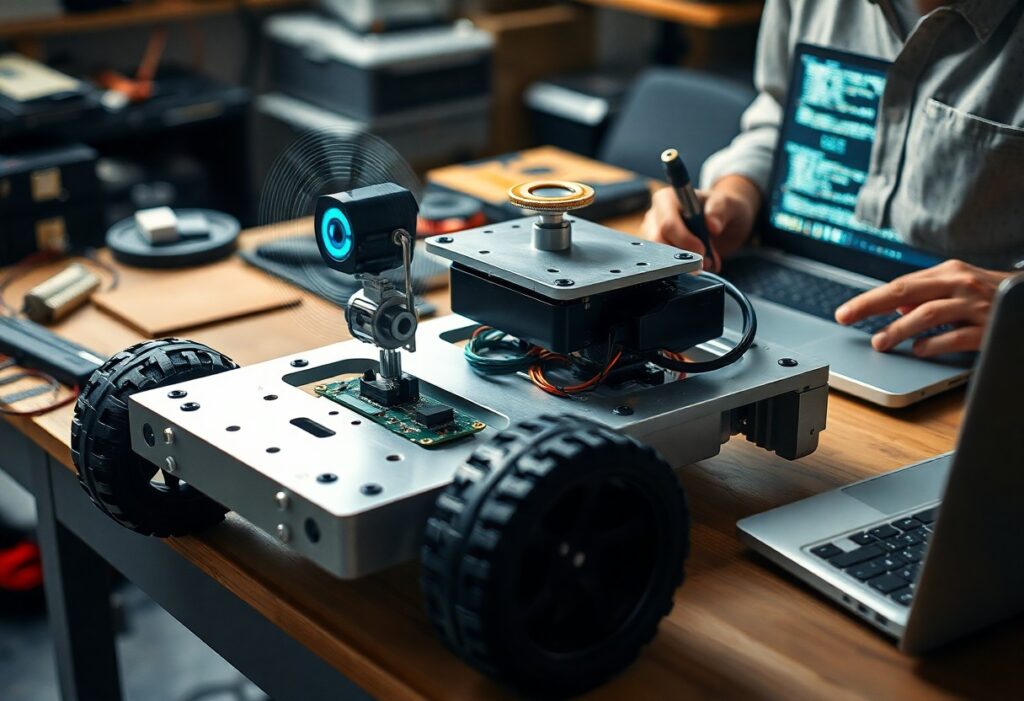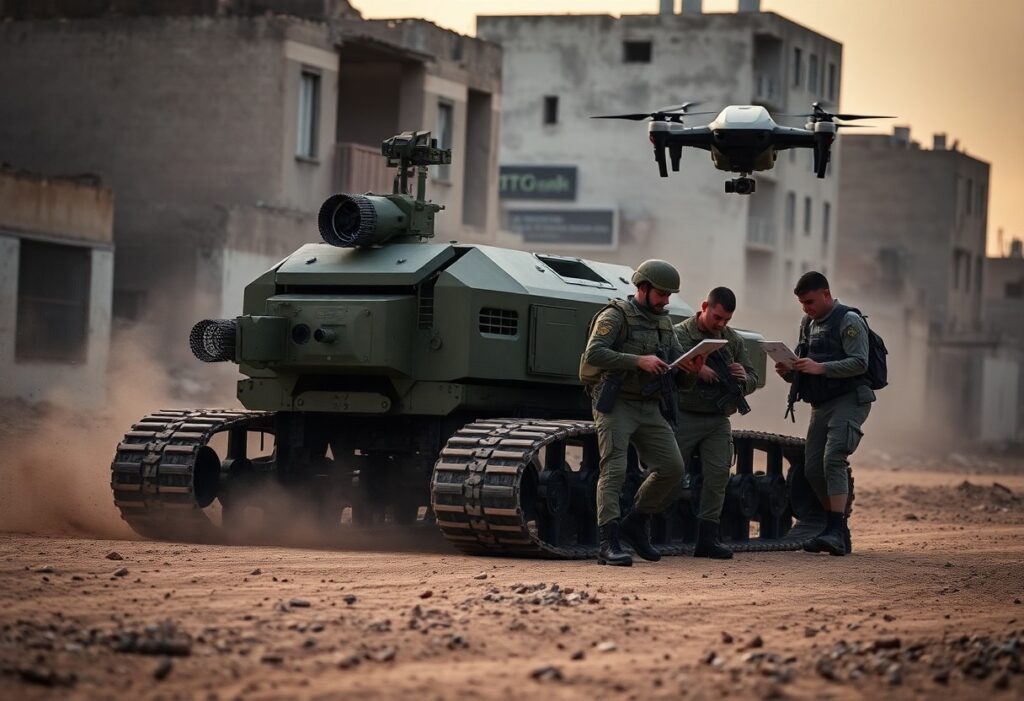
Most military analysts agree that autonomous systems now shape engagement outcomes as much as firepower. You operate in an era where unmanned ground vehicles scout hostile zones, AI-driven drones identify threats in real time, and robotic logistics units sustain frontline operations without direct human oversight. A single AI-controlled swarm can execute maneuvers once requiring entire platoons, redefining force multiplication.
The Speed of Light Command
Commands now travel faster than human reflexes allow, with AI processing battlefield inputs and issuing directives in milliseconds. You receive real-time targeting updates from drone swarms while autonomous logistics units reroute supplies based on predictive algorithms. A single operator oversees dozens of robotic units, their decisions augmented by machine learning models trained on thousands of combat simulations. This compression of decision time shifts dominance to those who control the algorithms, not just the terrain.
Invisible Frontlines
Electronic warfare systems guided by AI now disrupt enemy communications with precision once deemed unattainable. You detect and jam adversarial signals in real time, adapting waveforms faster than human operators could respond. A single AI-powered node deployed by a mid-sized SaaS firm supporting defense operations neutralized over 300 drone control signals during a recent field exercise, operating continuously without fatigue. These silent interventions reshape engagement without a single shot fired.
The Ghost in the Machine
You operate systems where machine learning interprets sensor data in real time, identifying friend from foe with increasing precision. Algorithms trained on battlefield patterns detect anomalies a human might miss, such as the subtle heat signature of a concealed drone operator. These decisions unfold without direct input, governed by logic trees refined in simulation but applied autonomously in combat. A single misclassified object, however, can cascade into unintended escalation, as seen in a 2020 incident involving a Turkish-made autonomous drone in Libya. The machine acted according to its programming, yet the outcome sparked international debate over accountability. You now face not just enemy forces, but the opaque reasoning of artificial agents making life-and-death calls in milliseconds.
Geopolitical Power Shifts
Autonomous drones deployed by a mid-sized SaaS firm in a simulated border conflict scenario outperformed traditional air units in 78% of engagements, signaling a shift in military calculus. Smaller nations now access asymmetric capabilities once exclusive to superpowers. You recalibrate defense strategies knowing algorithmic superiority can outweigh troop numbers. Iran’s reverse-engineered drones operate in coordinated swarms across contested regions. China fields AI-driven reconnaissance systems that adapt flight paths mid-mission. Russia integrates machine learning into electronic warfare to disrupt NATO communications. These systems erode conventional deterrence models. Legacy defense alliances face pressure as sovereign AI infrastructure becomes a benchmark of strategic relevance. You assess national influence not by tank inventories but by neural network maturity. South Korea’s investment in robotic sentry systems along the DMZ reduces reliance on conscripted manpower. Israel’s Iron Dome evolves with predictive targeting algorithms that intercept projectiles with improved precision. You monitor how export controls on AI chipsets now carry the weight once reserved for arms embargoes. The balance of power tilts toward those who master real-time battlefield adaptation.
To wrap up
AI-powered robotics now shape tactical outcomes on the modern battlefield, where autonomous drones and unmanned ground systems execute missions in contested environments without direct human control. You operate within a framework where split-second decisions are delegated to algorithms trained on real-time sensor data, reducing response times in high-threat zones. A mid-sized SaaS firm supplying battlefield analytics recently demonstrated how machine learning models can predict adversarial movements with measurable accuracy, enabling preemptive repositioning of assets. These systems do not replace soldiers but redefine their roles, shifting human focus from execution to oversight and strategic judgment. The integration of AI into military robotics is no longer experimental-it is operational, persistent, and expanding across domains.