China’s Humanoid Robots Are Job Hunting in Korea. Here’s What $80 to $25,000 Actually Buys You
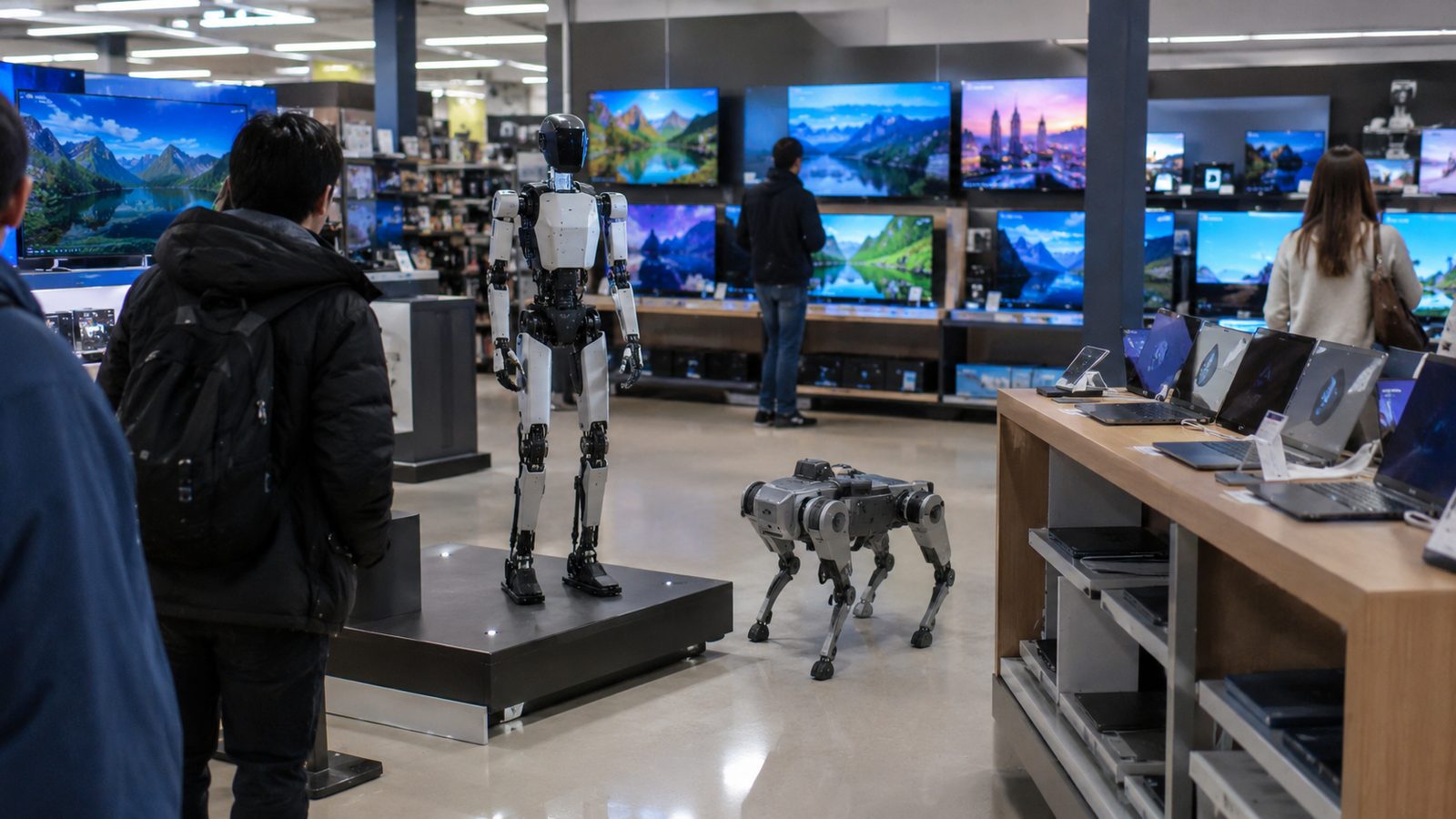
A walking humanoid robot went on sale in January on a Seoul supermarket floor, next to the TVs and laptops. The Korean tech outlet KMJ reports that the Unitree G1 cost 31 million won at E-Mart, South Korea’s largest retail chain. That is about $23,000.
That sale was an early sign of a bigger push. The South China Morning Post and The Korea Times report that Chinese robot makers are now looking for paid work in South Korea, with trials in factories and cafes. If you want to know what a humanoid robot would really do for you, Korea is the best place to look right now.
Chinese robot makers are using South Korea as a test market
Four Chinese names keep coming up: Unitree, UBTech, AgiBot and a Beijing start-up called Anyverse Dynamics. Chinese customs data puts Korea third among China’s export markets for humanoids and robot dogs, after the US and Japan. Exports to Korea reached $19.99 million in the first nine months of 2026.
Seoul wants these machines. Its working-age population is shrinking. The government has proposed 3.1 trillion won ($2.34 billion) for robots and AI that work in the physical world in 2027. That is more than triple this year’s figure. Ethan Qi of the research firm Counterpoint says Korea has no home-grown humanoids made in large numbers yet. Chinese suppliers see that gap.
What each price tier gets you
E-Mart’s robot section works as a handy price ladder. Here is what each rung gets you, based on store prices reported by KMJ and The Korea Times.
- $80 to $800: talking companion robots. They chat and react to you. One children’s model, Riku, reads faces to guess how a child feels.
- About 2 million won: senior-care robots. A robot called Dasom offers conversation, medicine reminders, fall alerts and memory games. Local health centers in Korea already use it.
- About $3,500: a four-legged robot dog. It jumps, sits, shakes hands and follows voice commands. Built-in sensors help it find its way around a room.
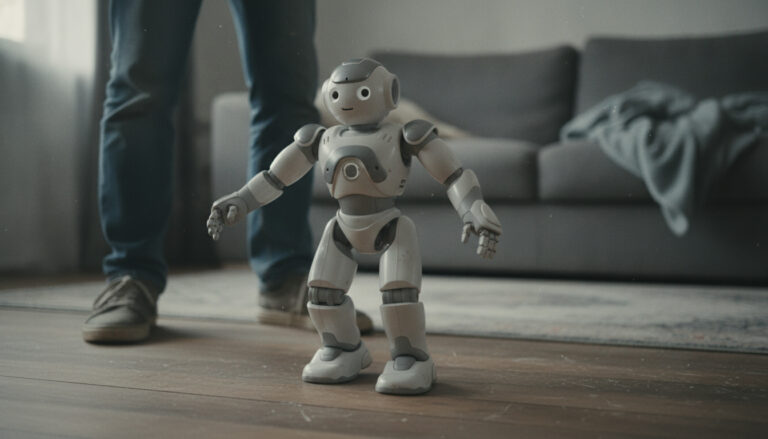
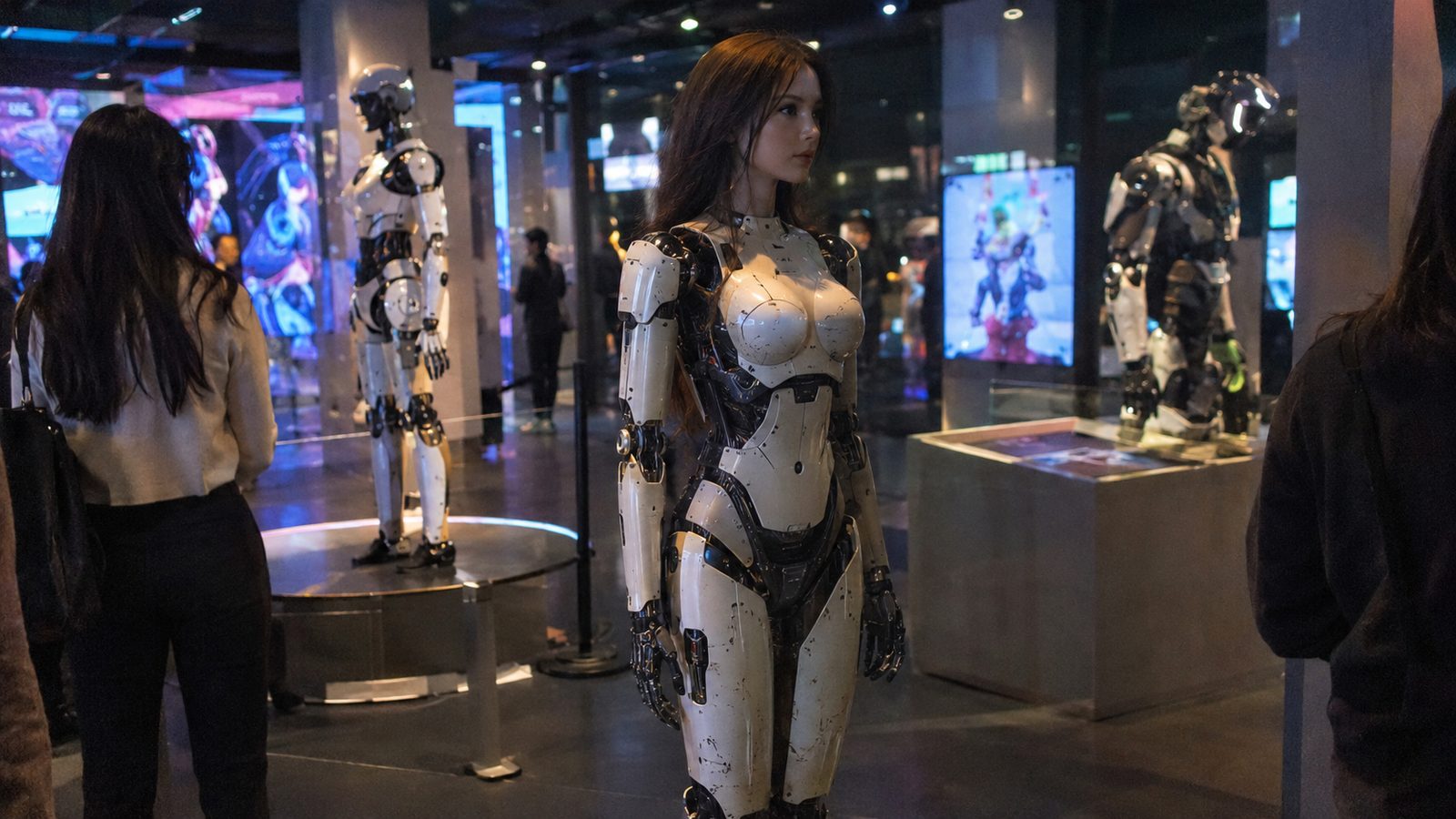
- About $23,000 to $25,000: a full humanoid. KMJ says the G1 can sit down, stand up, keep its balance and move with surprising agility. UBTech’s U1 cost around $25,000. It is 1.68 meters tall (about 5 ft 6 in) and looks like a woman. A robot-themed entertainment venue in Seoul bought one.
- Factory humanoids. The Korean daily Kyunghyang Shinmun reports estimates that each Atlas robot, made by Hyundai’s Boston Dynamics, costs 100 to 200 million won to build. That is roughly three to six times the G1’s store price. Hyundai plans to use Atlas in its Georgia car plant from 2028.
A $23,000 humanoid will not do your chores yet
E-Mart says who the G1 is for: tech fans, schools and research labs. Unitree runs an app, Unitree Explore, where developers build and share movement routines for the G1. That tells you the real job of a home humanoid today. It is something to program and show off, not a housekeeper.
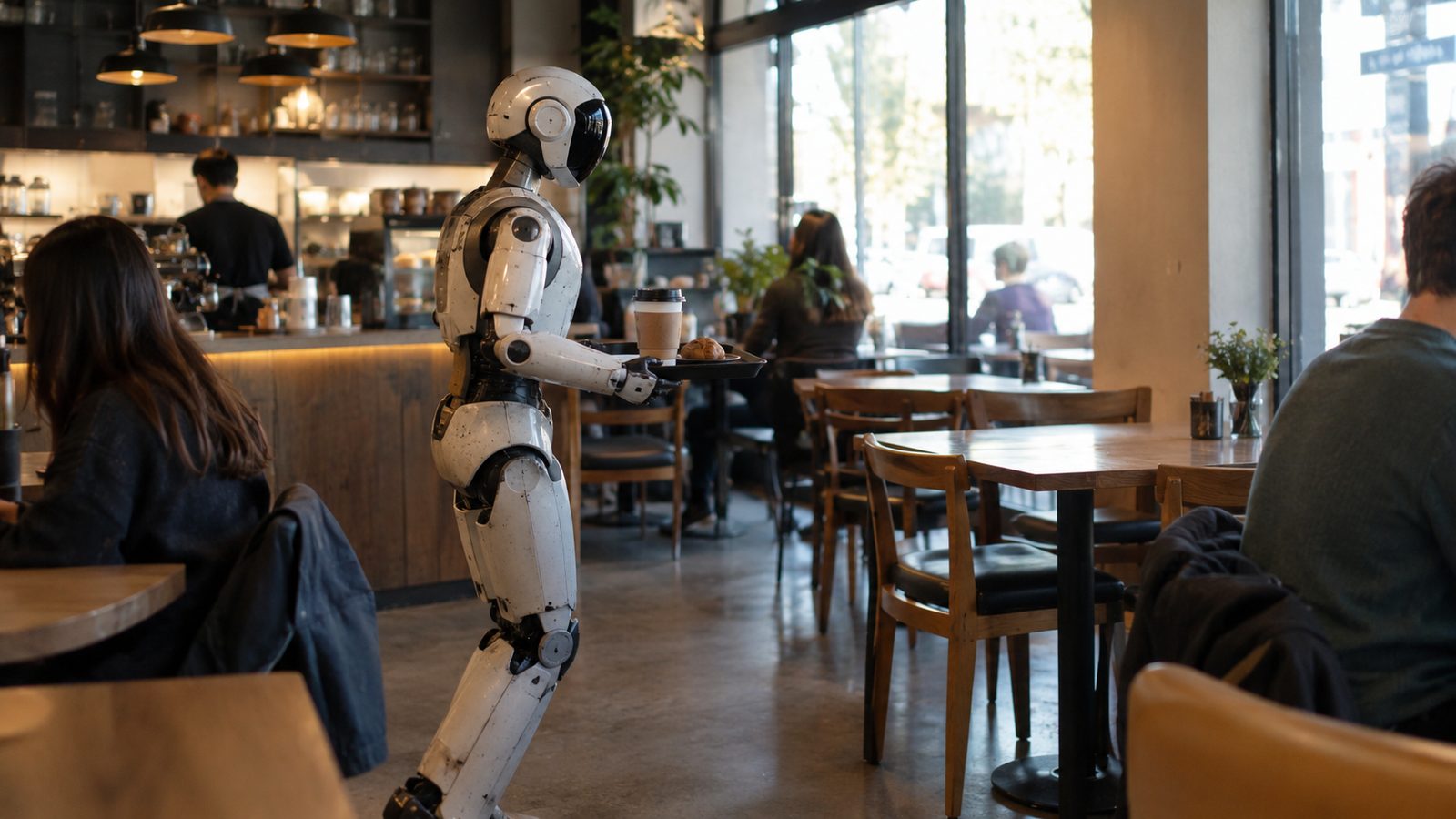
Useful work is still being tested. Anyverse and the Korean coffee chain Hollys are trialing robots that serve drinks, clear tables and reset seats at a cafe in Beijing. Anyverse plans similar trials in Korean cafes from the fourth quarter. Its founder hopes to bring robots into homes within two to three years. Treat that as a company goal, not a promise. Even Samsung’s new robot division is starting with factories, not homes.
Watch the price tag, too. Kyunghyang Shinmun puts the G1’s starting price at about 16 million won. That is roughly half what E-Mart charged. Ask any dealer exactly what their price includes.
Check security and repairs before you buy a Chinese robot
These robots see your home through cameras and laser scanners. Kyunghyang Shinmun reports that the US and Europe are wary of Chinese robots leaking data through those sensors. In Korea’s parliament, opposition lawmaker Ahn Cheol-soo questioned the security checks done on Unitree and AgiBot robots that another lawmaker had brought in.
Paperwork matters too. Korea’s KC certification forced UBTech to change its communication parts and radio settings for local use. Before you buy, check that the model is approved for your country. Then check who fixes it. Unitree sells the G1 in Korea through an official local dealer, and that is the kind of backup you want.
Our take: a companion robot or a robot dog makes a fun, affordable first robot. A $23,000 humanoid makes sense only if you want a project to program. If you are waiting for a robot that clears your table, the cafe trials will show you first.
What to buy
- AI companion robot ($80 to $800 tier) – Suits curious families who want a talking robot that reacts to them; it will not move around or do any chores.
- Senior-care companion robot with fall alerts and medicine reminders – Suits families checking on an older relative; it offers reminders and conversation, but it does not replace a human carer.
- Four-legged robot dog around $3,500 – The cheapest way to own a walking robot that follows voice commands; it is more a toy than a helper.
- Unitree G1 humanoid robot – Suits hobbyists, schools and labs who want to program a walking humanoid; at about $23,000 in Korea it does no housework out of the box.
Sources
- China's humanoid robots hunt for work in South Korea as Seoul bets on physical AI – South China Morning Post
- China's humanoids go job hunting amid Korea's bets on physical AI – The Korea Times
- China's Unitree Humanoid Robot Goes on Sale at a South Korean Supermarket for $23,000 – KMJ
- Chinese Humanoid Robots Move From Showrooms to Korean Factories – tech360.tv
- Anyverse Dynamics Plans to Begin Humanoid Robot Pilot Operations in South Korea in Q4 – Gasgoo
- Humanoid Robot 'First Stock' Enters South Korean Automotive Production Line – Gasgoo
- Unitree lists with a 1 trillion-won war chest – The Kyunghyang Shinmun
- Unitree Signals Potential Humanoid Robotics Cooperation With South Korean Firms – The Elec