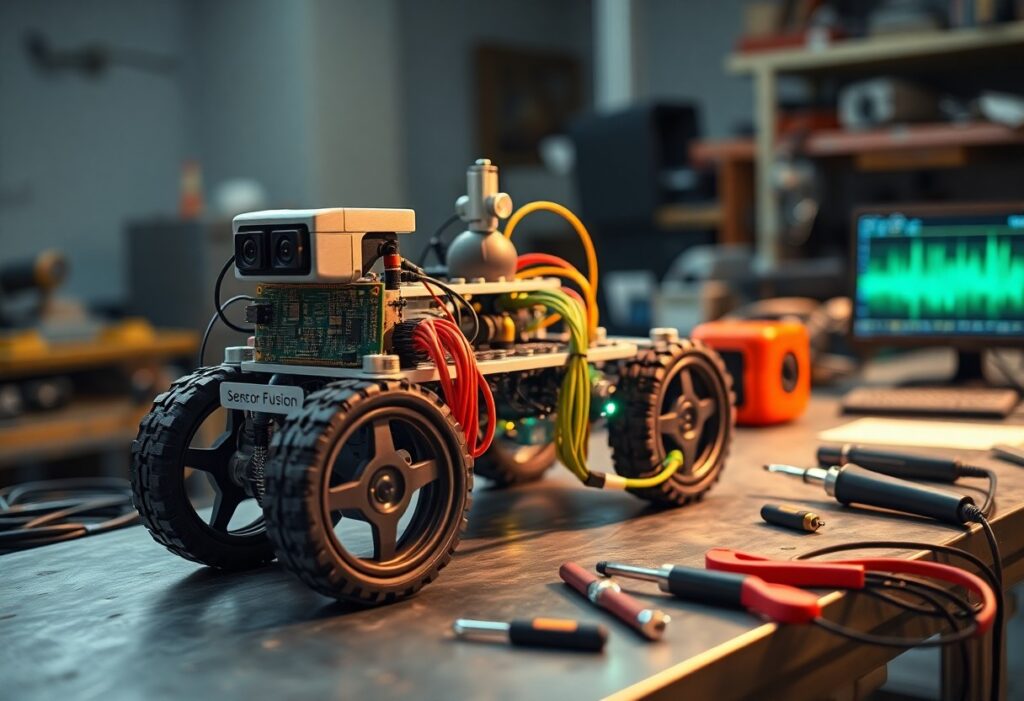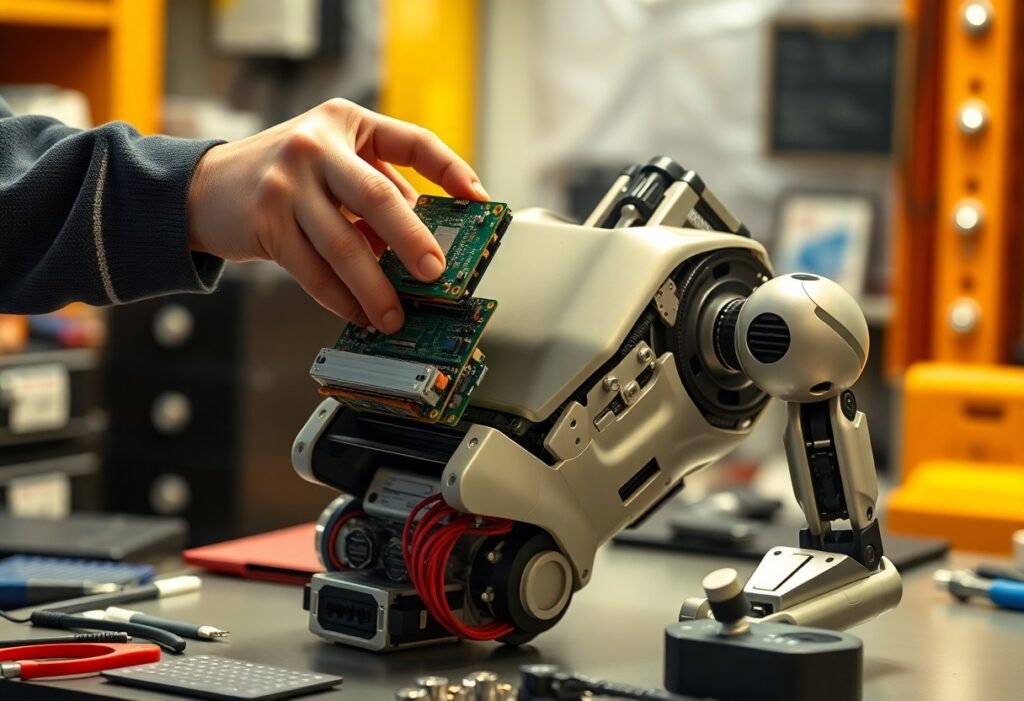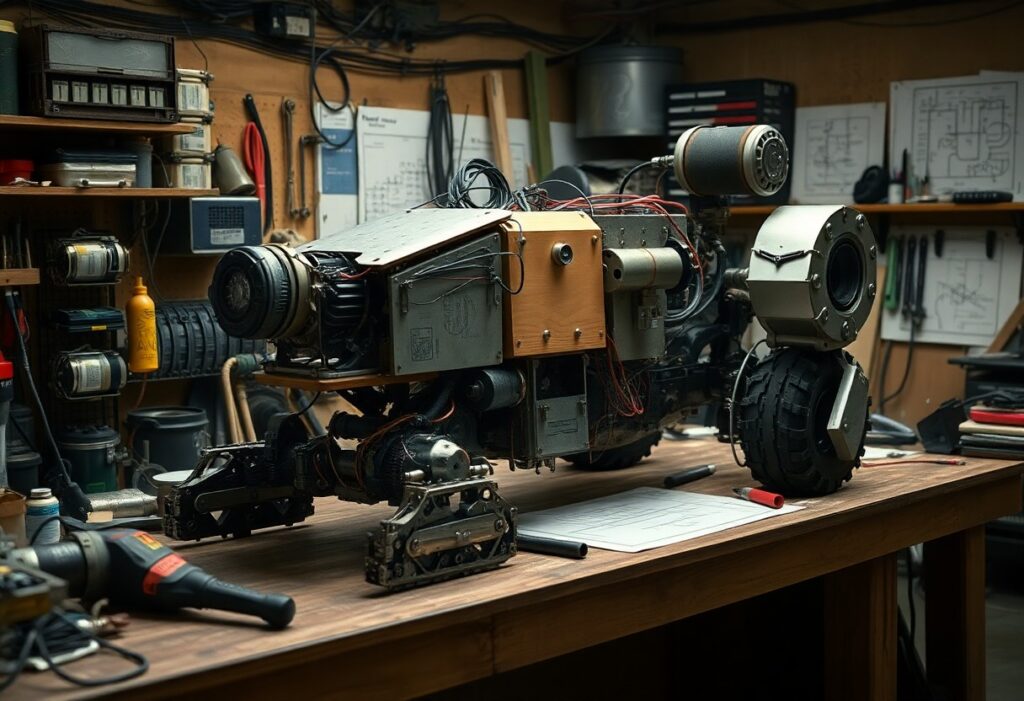
Many competitors assume that a winning Robot Wars entry demands deep pockets, but you can build a competitive machine with smart planning and resourcefulness. You don’t need expensive parts-just a clear design, access to basic tools, and the willingness to test and adapt. Success comes from ingenuity, not spending.
Scavenging for Parts
You’ll find most of what you need outside retail stores. Old printers, power tools, and broken appliances hide high-torque gears, motors, and sturdy metal frames. Your local recycling center or electronics repair shop might let you sift through discarded items for free. Test every motor and inspect every gear-functionality matters more than appearance. With patience, your robot’s core components cost almost nothing.
Chassis Construction
Your chassis forms the foundation of your Robot Wars entry, so build it tough. Start with scrap steel or aluminum plates from local suppliers to cut costs. Design a low-slung, compact frame to improve stability and reduce weapon exposure. Pre-drill mounting holes for motors and electronics to simplify assembly. Weld or bolt components securely, ensuring alignment stays true under impact. A well-built chassis survives punishment and keeps your robot fighting.
Motive Power
Your robot’s performance hinges on choosing the right motors without overspending. Brushed DC motors from old power tools or electric scooters deliver strong torque and are often free or cheap. Match them to a durable gearbox to maintain control during impacts. Pair them with a basic electronic speed controller that can handle sudden load changes. Reliable, responsive drive means you stay in the fight longer.
Offensive Systems
Your weapon choice defines how you engage opponents, so pick one that fits your chassis and power setup. Spinning discs or hammers deliver high impact without excessive cost if built with salvaged motors and steel. Pressure-fed rams or simple flippers can also be effective when designed with lightweight materials. You don’t need complexity-reliability wins more fights than raw power.
Electronics and Control
Your robot’s responsiveness hinges on smart electronics choices. Pick a reliable radio receiver and transmitter combo that fits your budget but won’t drop signals mid-battle. Use basic, proven motor controllers instead of expensive custom builds-many competitors swear by recycled wheelchair controllers for their durability. Wire everything cleanly and protect connections from vibration and impacts with heat shrink and zip ties. You don’t need the fastest microcontroller-just one that keeps your systems talking when the arena chaos hits.
Conclusion
As a reminder, building a Robot Wars entry on a limited budget demands smart material choices, careful planning, and a focus on reliability over complexity. You can achieve competitive performance by repurposing components, prioritizing armor and drive systems, and testing rigorously. Success comes not from spending more, but from thinking clearly and building with purpose.