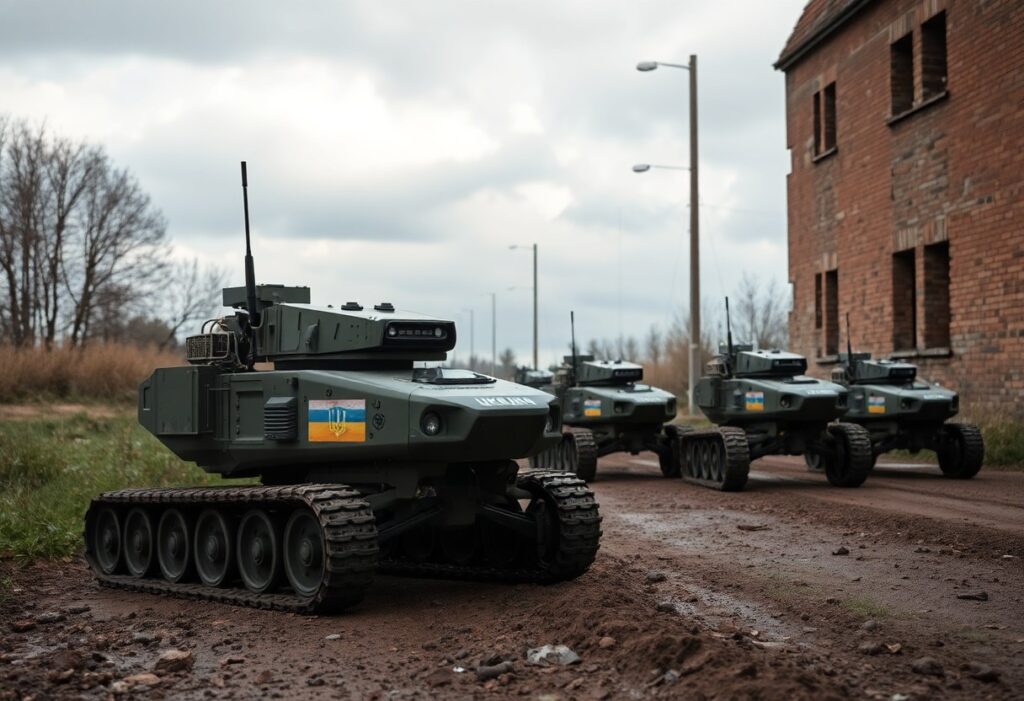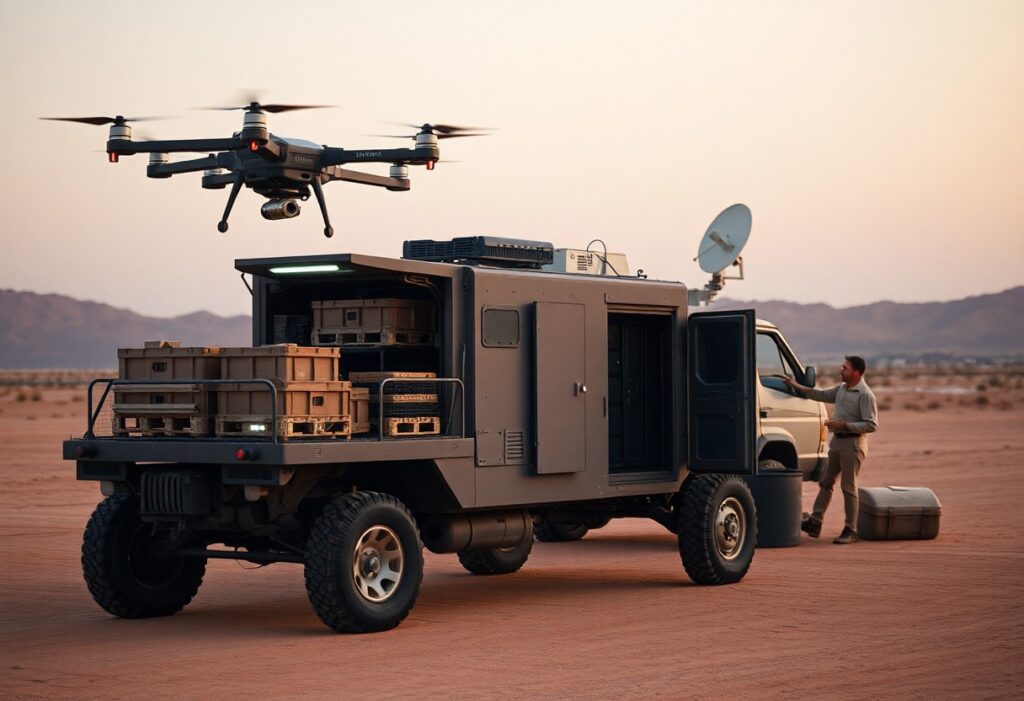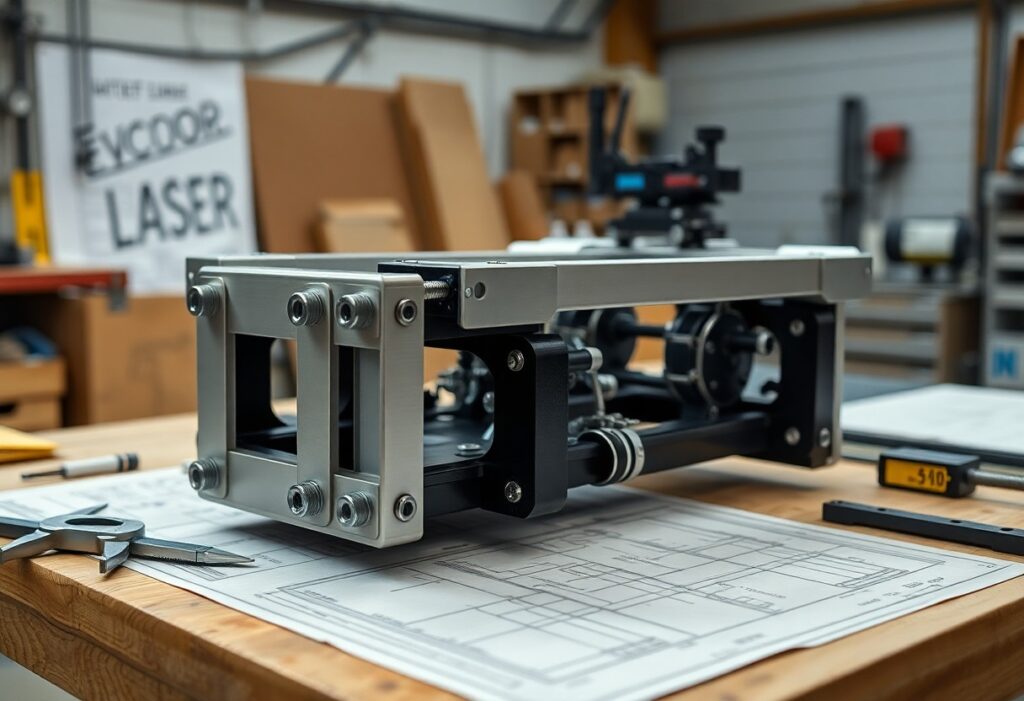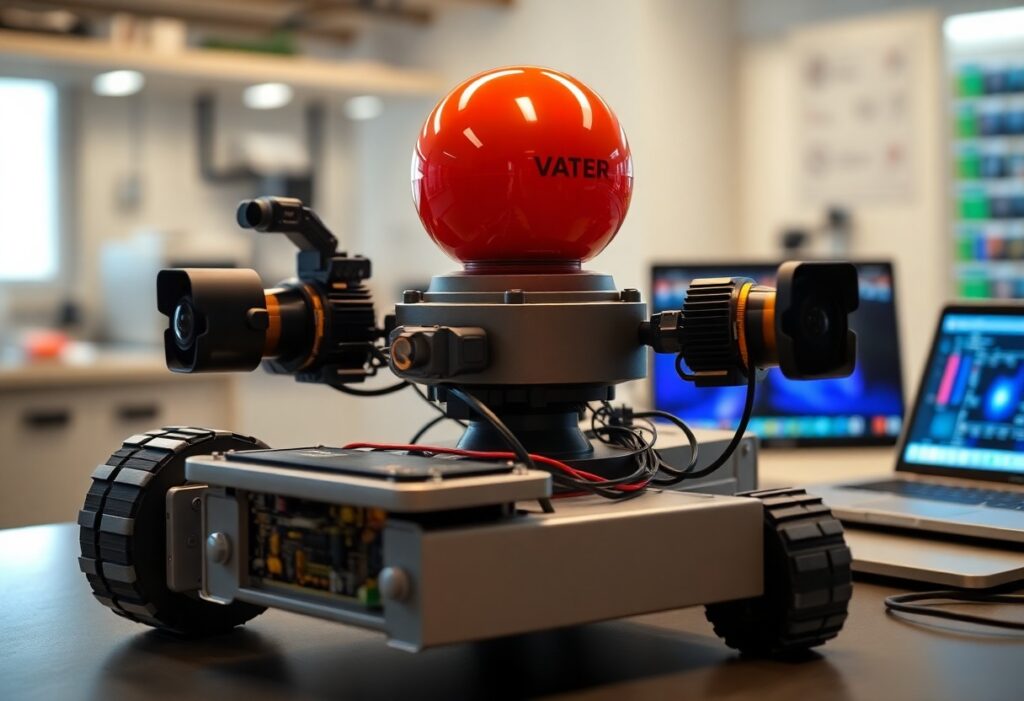
Many robotics projects fail because they rely on a single data source, but you can build a more responsive system by integrating multiple sensors. You’ll combine inputs from cameras, ultrasonic sensors, and IMUs to process environmental data instantly, enabling your robot to react intelligently and autonomously in dynamic conditions.
The Sensory Apparatus
You rely on a carefully selected array of sensors to perceive your robot’s environment in real time. Each sensor-ultrasonic, infrared, IMU, and camera-feeds distinct data streams that, when synchronized, create a coherent picture of surroundings. Your system’s responsiveness hinges on how well these inputs are balanced and interpreted without delay.
The Central Logic Hub
Your robot’s microcontroller acts as the central logic hub, continuously processing incoming sensor data and determining immediate actions. It evaluates inputs from temperature, motion, and proximity sensors in real time, applying predefined decision rules. This constant evaluation loop ensures responsive behavior, allowing your system to adapt quickly to environmental changes without relying on external computation.
Kinetic Execution
Your robot now processes sensor data in real time, but motion defines its purpose. You program actuation routines that translate decisions into physical responses, ensuring minimal latency between perception and action. Each movement is calibrated for precision, using feedback loops to adjust speed and direction. You test response accuracy under variable loads, refining motor control to maintain stability. This phase turns intelligence into tangible behavior.
Navigational Autonomy
You rely on sensor fusion to interpret dynamic environments and make real-time path decisions. Infrared, ultrasonic, and IMU data feed into your control loop, enabling obstacle avoidance and heading correction without human input. Your robot adjusts speed and direction based on environmental feedback, maintaining mission continuity in unpredictable settings. This autonomy transforms raw data into purposeful motion.
Final Words
Presently, you are building a multi-sensor robot capable of real-time decision making by integrating data from diverse inputs into a responsive control system. Your design enables autonomous adaptation to dynamic environments, ensuring timely, accurate actions. Success depends on sensor synchronization, efficient processing, and reliable feedback loops tailored to operational demands.