Robotics is reshaping how military forces move supplies, evacuate casualties, and sustain operations in hostile environments. You encounter systems that traverse rugged terrain, fly through contested airspace, or carry loads once reserved for entire squads. These machines reduce risk to personnel while maintaining supply flow under fire, marking a fundamental shift in operational endurance and tactical flexibility.
Steel Mules on the Path
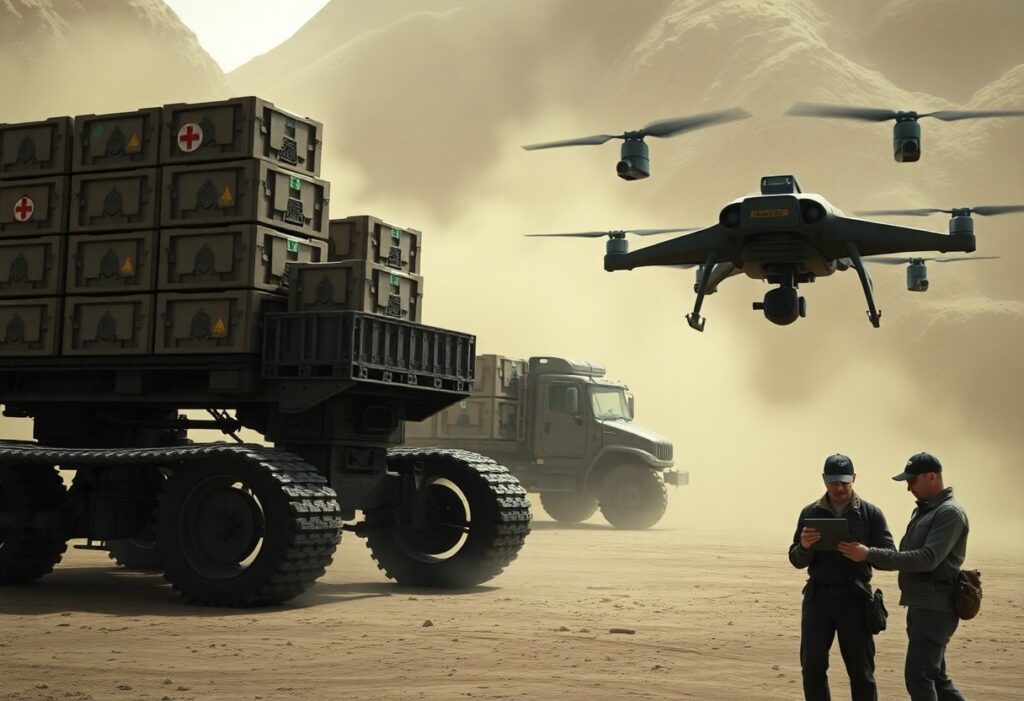
Unmanned ground vehicles now handle supply transport in high-risk zones, reducing soldier exposure to ambushes and IEDs. These robotic carriers follow troops across rugged terrain, maintaining pace during advances or withdrawals without fatigue. Their integration into infantry units has already altered patrol planning and load distribution in forward operations.
Ground Crawlers
Small tracked robots move beneath tree lines and through urban rubble, delivering ammunition and medical kits to frontline squads. You deploy them remotely, guiding via handheld controllers from covered positions. One model, tested in mountainous regions, sustained resupply during a 72-hour engagement where traditional convoys could not operate.
Supply Runners
Wheeled autonomous platforms travel pre-mapped routes between base camps, carrying rations, batteries, and spare parts. You program their paths using tablet interfaces, and they adjust in real time to obstacles like craters or debris. A mid-sized SaaS firm supporting defense logistics reported a 40% reduction in manual transport tasks after integrating these units.
Supply Runners operate in convoys of three to five units, each capable of hauling up to 300 kilograms over distances exceeding 50 kilometers on a single charge. They use LIDAR and terrain-matching algorithms to maintain course in GPS-denied environments, such as dense forests or canyon corridors. During a recent exercise in Eastern Europe, a convoy successfully delivered critical comms equipment through a simulated contested zone without operator intervention.
Wings Over the Front
Unmanned aerial systems now deliver critical supplies directly to dismounted units in contested zones, reducing reliance on vulnerable ground convoys. These platforms operate around the clock, adapting to dynamic threats while maintaining supply flow under fire.
Cargo Droppers
Large unmanned helicopters like the K-MAX have successfully transported thousands of pounds of cargo in operational tests, autonomously flying from base depots to forward positions without exposing pilots to risk.
Silent Flyers
Small electric vertical takeoff and landing drones, such as the Skyways BW-10, provide near-silent resupply in close proximity to enemy forces, minimizing acoustic detection during night operations.
Operating these silent flyers requires minimal setup time and no runway, enabling rapid deployment from concealed locations. A mid-sized SaaS firm supporting defense logistics recently demonstrated a swarm of six such drones delivering medical payloads across rugged terrain, each completing return flights on a single charge while evading simulated radar sweeps using terrain masking tactics.
Iron Backs for Heavy Loads
Robotic exoskeletons now enable you to carry loads exceeding 200 pounds across rugged terrain without fatigue, transforming how dismounted units sustain operations. Systems like those highlighted in Autonomy, Robotics, and Predictive Analytics are redefining human endurance on the battlefield.
Lifting Frames
Powered lifting frames integrate with your body’s movements, amplifying strength during ammunition resupply or casualty evacuation. These wearable systems reduce musculoskeletal strain while maintaining agility in confined spaces such as armored vehicle compartments or urban corridors.
Recovery Treads
Tracked robotic carriers follow you through mud, snow, and rubble, transporting wounded soldiers or heavy equipment where wheeled vehicles cannot go. Their low ground pressure allows passage over unstable surfaces that would stop conventional logistics platforms.
Recovery Treads often operate in tandem with frontline units, autonomously retracing routes mapped by lead elements. A mid-sized SaaS firm supporting defense logistics recently demonstrated a model capable of self-righting after rollovers and continuing its mission without operator input, proving reliability in real-world conditions.
The Digital Mind of War
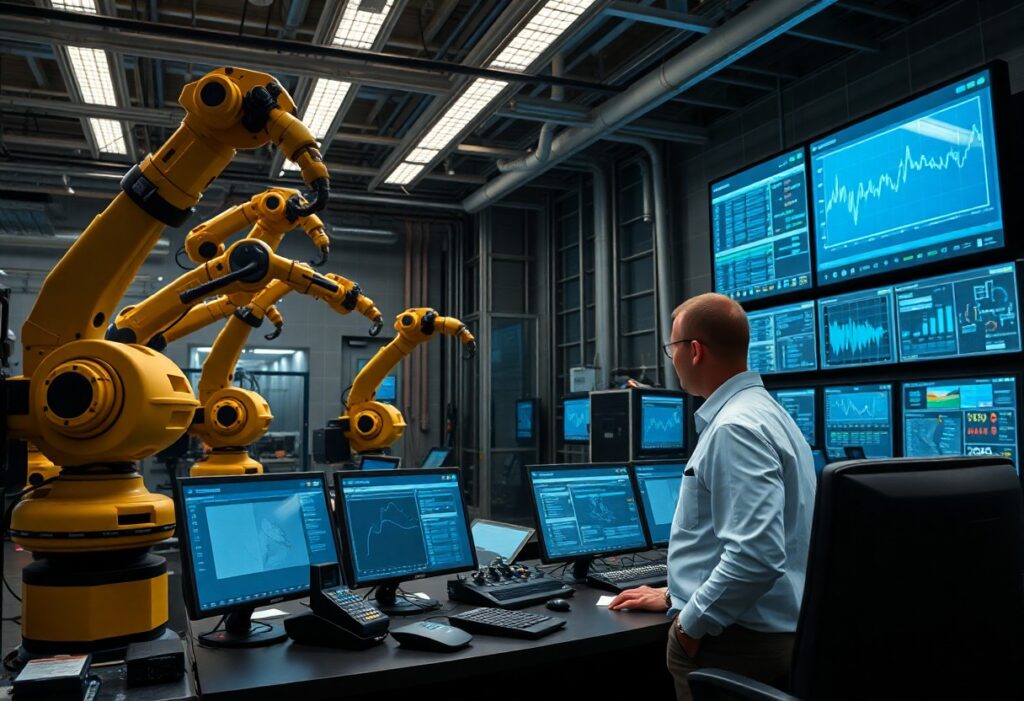
Integrated command systems now process battlefield logistics in real time, feeding data from drones, vehicles, and supply depots into centralized decision engines. You operate within a network where resupply routes adjust mid-mission based on terrain, threat levels, and consumption rates. Machine learning models predict part failures before they occur, minimizing downtime across vehicle fleets. These systems don’t just react-they anticipate.
Parts Tracking
Radio-frequency identification tags and blockchain-backed ledgers ensure every component, from engine valves to communication modules, is accounted for across supply chains. You can trace a single battery’s journey from depot to frontline vehicle through encrypted digital records. This visibility reduces loss, prevents counterfeit parts, and accelerates maintenance turnaround in high-pressure environments.
Repair Logic
Diagnostic algorithms analyze sensor data to prioritize repairs based on mission impact and part availability. You receive automated recommendations on whether to replace, patch, or defer maintenance on damaged systems. A damaged hydraulic line might be flagged for field repair while a failing navigation unit is scheduled for depot-level service after mission completion.
These algorithms incorporate historical failure patterns and operational stress metrics to assign repair urgency. You rely on systems that weigh a damaged component’s effect on mobility, firepower, and communication before suggesting action. For instance, a mid-sized SaaS firm managing logistics software demonstrated how predictive models reduced unnecessary repairs by aligning maintenance with actual wear indicators rather than fixed schedules.
To wrap up
Robotic technologies are reshaping how you sustain operations in contested environments, reducing risk to personnel while increasing speed and precision. Unmanned ground vehicles now transport supplies through terrain too dangerous for convoys, and autonomous aerial systems deliver critical payloads behind enemy lines. You operate in a logistics environment where machines shoulder more of the burden, allowing human forces to focus on decision-making and combat. Systems like the U.S. Army’s无人地面车辆 for resupply missions exemplify this shift, demonstrating reliable performance in field exercises across varied terrain.