Most people are unaware that soft robotics, an innovative field of engineering, draws inspiration from the flexibility and adaptability found in nature. By mimicking the soft, compliant structures of living organisms, these machines offer unique advantages over traditional rigid robots, allowing safer interaction with humans and delicate tasks. In this post, you’ll explore the principles behind soft robotics, its applications, and the potential it holds for transforming various industries. Understand how these flexible machines are reshaping technology and enhancing your world.
Nature’s Blueprint: Bioinspiration and Design Principles
Drawing from the vast array of natural systems, soft robotics employs design principles inspired by the unique adaptations found in various organisms. These biologically-inspired designs aim to enhance the versatility and functionality of robotic systems, allowing for more effective interaction with diverse environments. The inherent flexibility of soft robots enables them to perform tasks that traditional rigid robots cannot, fostering greater adaptability in complex settings where precision and safety are paramount.
Lessons from the Animal Kingdom
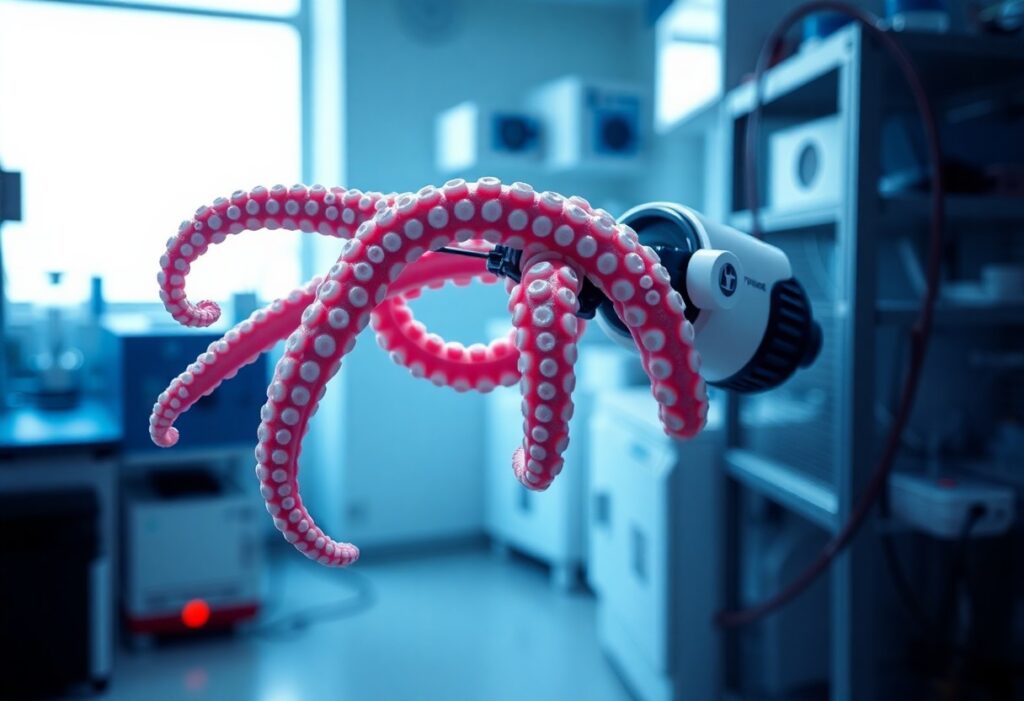
You can observe fascinating examples of bioinspiration in the animal kingdom, such as octopuses with their unparalleled dexterity and adaptive camouflage. These creatures utilize soft, flexible bodies to navigate their environments effortlessly. Innovations drawn from such natural phenomena lead to the development of robots that mimic these behaviors, enhancing tasks like delicate object manipulation and safe human interaction.
The Role of Soft Materials in Robotics
Soft materials play a pivotal role in the functionality and design of soft robots. They allow for compliant and adaptable structures that can easily deform without compromising performance. This flexibility is vital for tasks involving unpredictable environments, enabling robots to operate in spaces that require gentle touch and safe engagement with human counterparts.
Utilizing materials like silicones, hydrogels, and elastomers, engineers design soft robots that respond dynamically to their surroundings. For instance, pneumatic actuators made from elastomeric materials can mimic the gentle movements of a human hand, providing safe assistance in rehabilitation settings. Additionally, soft materials enable various sensing capabilities, allowing robots to adapt their behavior based on forces and environmental feedback. The combination of these materials with advanced control systems fosters innovative applications across multiple industries, from medical devices to agriculture, revolutionizing how robots interact with the world around them.
The Unique Mechanics of Soft Robotics
Soft robotics employs bending, stretching, and twisting mechanics to create movement that mimics natural organisms. Unlike traditional rigid robots, soft robots utilize flexible materials such as silicone and rubber, which allow for adaptive shapes and the ability to navigate complex environments. These adaptable systems can conform to various surfaces and obstacles, leveraging their soft structures to manipulate objects without the risk of damage, making them ideal for applications in delicate fields such as medicine and agriculture.
Mechanisms of Movement: How Soft Robots Operate
Movement in soft robots is achieved through various mechanisms, including pneumatic actuation, shape memory alloys, or hydraulic systems. By exploiting air or fluid pressure, you can inflate or deflate chambers within the robot, leading to programmable bending and elongation. This innovative approach enables functions like crawling, swimming, or even flying, depending on the design. The interplay between external stimuli and internal structure results in fluid, dynamic locomotion that rigid robotics cannot replicate.
Gripping and Manipulating: The Art of Soft Touch
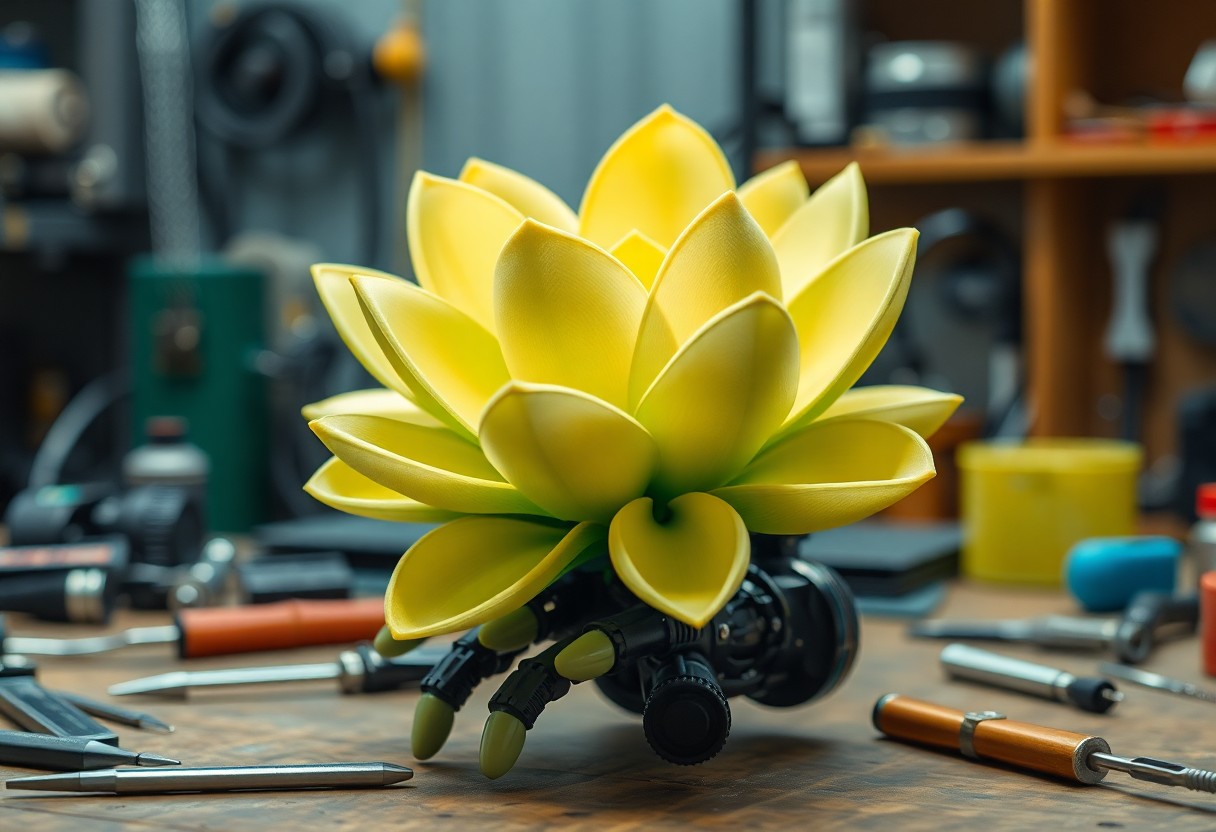
Soft robots excel at gripping and manipulating objects thanks to their gentle approach, which prevents damage to delicate items. These robots can adapt their grip shape and pressure in real time, allowing you to handle fragile materials like fruits or surgical instruments without risk. The engineering of soft grippers often incorporates advanced sensing and control systems, making it possible to assess the weight or texture of an object and adjust accordingly for optimal handling.
Techniques for gripping and manipulation in soft robotics frequently involve innovative designs such as bio-inspired grippers or dexterous soft hands equipped with tactile sensors. For instance, researchers have developed soft robotic tendrils that can mimic octopus arms, allowing for complex, multi-directional movements. These systems utilize a combination of compliant materials and sophisticated feedback mechanisms, enabling the robot to ‘feel’ the object’s surface and adjust grip strength. This level of adaptability expands soft robotics’ capability across sectors, from precision agriculture to assistive devices, where safeguarding fragile items is paramount.
Transforming Industries: Applications of Soft Robotics
Soft robotics is rapidly transforming various industries by enhancing automation and increasing the efficiency of tasks. These flexible machines excel in delicate operations, making them indispensable in fields such as healthcare, agriculture, and logistics. The adoption of soft robotic technologies is driving innovation, enabling safer interactions between machines and humans while reducing operational costs and improving output quality.
Medical Innovations: Revolutionizing Surgical Techniques
Soft robotics is revolutionizing surgical procedures by providing minimally invasive options that reduce recovery times and improve patient outcomes. Surgeons leverage soft robotic tools that conform to human anatomy, enabling precise movements and better manipulation within the body. This evolution facilitates complex surgeries with reduced risk of damage to surrounding tissues, ultimately enhancing the overall surgical experience.
Agricultural Advancements: Enhancing Harvesting and Planting
In agriculture, soft robotics enhances planting and harvesting processes, leading to increased efficiency and sustainability. These technologies adapt to varying crop types and conditions, minimizing damage and waste while optimizing yield.
Soft robotics in agriculture significantly enhances the efficiency of planting and harvesting operations. With soft grippers and actuators, these robots can handle delicate crops without bruising or damaging them, which is vital for maintaining produce quality. For instance, California’s tomato harvest employs soft robotic systems to pick ripe fruit gently, reducing labor costs by 30% and minimizing the environmental impact of traditional harvesting methods. Additionally, equipped with sensors, these robots precisely navigate fields, ensuring optimal planting depths and spacing, thus fostering healthier crop growth.Challenges in Development: Overcoming Limitations
Developing soft robotics faces several significant challenges, primarily revolving around materials and control systems. As researchers explore innovative designs, they encounter the need to strike a balance between flexibility, strength, and durability. Finding solutions that ensure reliable performance while maintaining desirable attributes poses ongoing technical and logistical hurdles.
Material Durability vs. Flexibility
Your choice of materials can dramatically impact the performance of soft robots. While elastic materials promote flexibility and movement, they often lack the durability required for demanding environments. High-performance polymers and composites are being researched to achieve an optimal balance, ensuring that soft robots are both adaptable and capable of withstanding wear and tear over time.
Control Mechanisms for Precision and Reliability
Control mechanisms require precise engineering to enable accurate manipulation of soft robotic systems. Traditional methods struggle to provide the responsiveness needed for dynamic tasks. Advanced techniques, including model-based control and machine learning algorithms, are being integrated to enhance precision and reliability in movement. These approaches significantly improve the adaptability of soft robots in real-world applications.
Implementing control mechanisms effectively involves a variety of strategies, such as incorporating sensors and feedback loops that allow real-time adjustments during operation. For example, soft robotic grippers can utilize pressure sensors to gauge the amount of force applied, adjusting in response to the object’s texture and weight. Additionally, techniques like pneumatic actuators can be finely tuned for precise gestures, expanding your robot’s capabilities in delicate tasks like surgical procedures. These advancements enhance the performance and usability of soft robots across numerous fields, from healthcare to exploration. You’ll find that with continued research, the integration of sophisticated control mechanisms is crucial for realizing the full potential of soft robotics.
Pioneering the Future: What’s Next for Soft Robotics?
Emerging Technologies and Trends
As soft robotics evolves, breakthroughs in materials science and artificial intelligence are enabling the creation of machines that are not only more dexterous but also smarter. Innovations like soft sensors and actuators are enhancing the adaptability of these robots, allowing them to perform complex tasks in unpredictable environments. Developments in biocompatible materials drive applications in medicine, while advancements in machine learning are facilitating improved interaction with users and surroundings.
Potential Impact on Society and the Workforce
Soft robotics holds transformative potential across various sectors, reshaping jobs and enhancing productivity. With their ability to perform delicate tasks, these machines can take on roles in healthcare, agriculture, and manufacturing. You might find robotic systems assisting surgeons in minimally invasive procedures or aiding farmers in precision agriculture, ultimately leading to improved outcomes and safety. The integration of soft robots can also alleviate labor shortages and handle tasks in hazardous environments.
The shift towards soft robotics could significantly alter the workforce landscape. Upskilling will be necessary as workers adapt to roles alongside these machines, necessitating training in technology management and maintenance. Job displacement in certain sectors might occur, yet this will be offset by the creation of new roles in design, programming, and oversight of soft robotic systems. Enhanced efficiency and safety offered by these robots will drive economic growth, suggesting a collaborative future where humans and soft machines work harmoniously.
To wrap up
Hence, you can appreciate how soft robotics offers innovative solutions by mimicking nature’s designs, leading to versatile and adaptable machines. These flexible robots have the potential to enhance various industries, from healthcare to manufacturing, allowing you to explore new possibilities in tasks that require gentleness and precision. By embracing the principles of soft robotics, you can unlock new frontiers in engineering and improve the way machines interact with their environments and with you.