Sustainability is an ever-growing concern in today’s world, and you may wonder how technology plays a role in addressing this issue. Robotics offers innovative solutions that can help you save resources and reduce waste in various sectors, from manufacturing to agriculture. By integrating robots into your processes, you can enhance efficiency, optimize resource management, and pave the way for a more sustainable future. Explore how embracing robotics can lead to smarter, more sustainable choices in your endeavors.
The Role of Robotics in Resource Optimization
Robotics plays an integral part in optimizing resource use across various industries. By automating processes, robots can minimize human error, streamline workflows, and ensure that resources are utilized efficiently. This results in lower material consumption and reduced environmental impact, ultimately contributing to sustainable practices while enhancing productivity.
Reducing Waste Through Automated Processes
Automated systems can precisely control manufacturing processes, leading to significant reductions in waste. By employing robotics to handle repetitive tasks, you minimize the risk of material loss due to human error. Additionally, robots can be programmed to optimize the quantity of resources used during production, ensuring that only what is necessary is consumed.
Enhancing Efficiency in Energy Consumption
Energy consumption can be dramatically decreased by implementing robotics in your operations. Robots can adapt their energy usage based on real-time data, optimizing their performance and reducing overall energy demands. For instance, in agriculture, autonomous tractors regulate fuel use by employing GPS and sensors to optimize routes, demonstrating significant reductions in fuel consumption.
In manufacturing, robots equipped with machine learning capabilities can analyze energy consumption metrics and identify patterns, enabling you to adjust workflows for maximum efficiency. Case studies have shown that companies using robotic systems can achieve energy reductions of up to 30%, while simultaneously boosting productivity. Strategies such as predictive maintenance can further enhance these outcomes, allowing for the timely repair and optimization of equipment, thereby extending its lifespan and reducing additional energy costs.

Innovations in Robotics for Sustainable Practices
Robotics is transforming sustainability across various sectors by introducing innovative solutions that reduce waste and optimize resource use. Advanced algorithms and artificial intelligence enable robots to operate with precision, minimizing energy consumption and maximizing efficiency. These technologies not only help streamline production processes but also enhance recycling efforts and waste management systems, ultimately driving a more sustainable future.
Cutting-Edge Technologies Shaping the Future of Sustainability
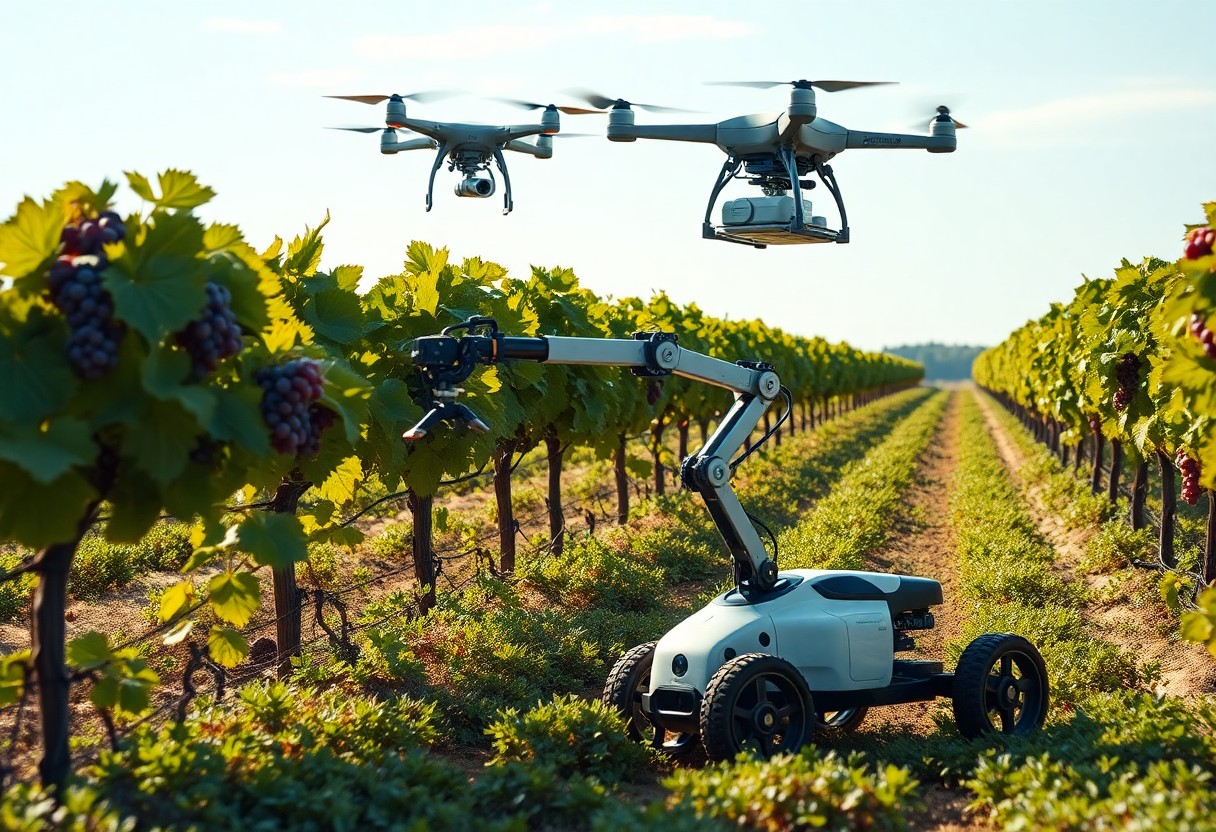
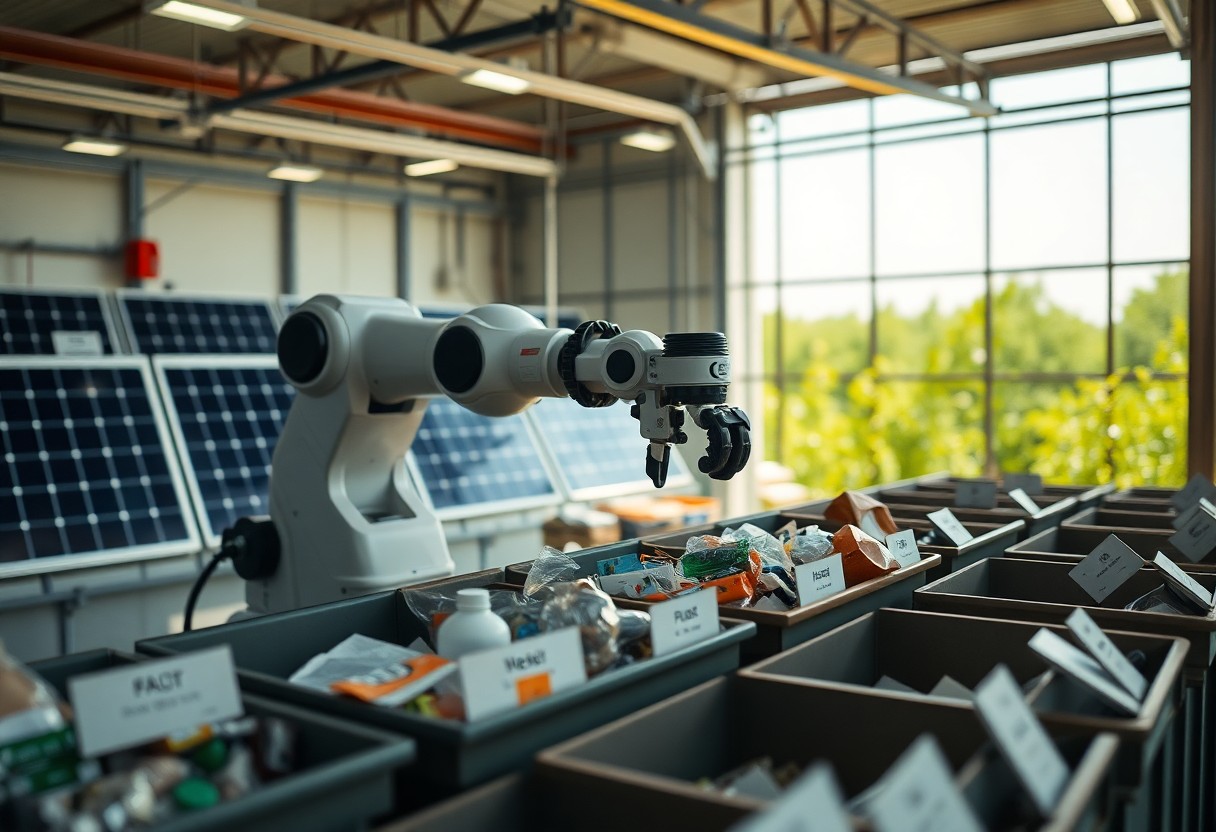
Emerging technologies such as machine learning, sensory feedback, and autonomous navigation are redefining how robots contribute to sustainable practices. For example, integrating AI allows drones to monitor crops and assess their health, ensuring that resources like water and fertilizers are utilized effectively. Furthermore, smart robots designed for waste sorting improve recycling rates by accurately distinguishing between materials, reducing contamination and landfill contributions.
Robots in Agriculture: Sustainable Farming Solutions
In agriculture, robots revolutionize farming practices by increasing efficiency and reducing the environmental footprint. Automated systems tackle tasks such as planting, weeding, and harvesting, which traditionally require significant manual labor and resource input. By using drones for monitoring and robotic systems for precision application, farmers can optimize water use and minimize pesticide reliance, fostering sustainable agriculture.
For instance, companies like Harvest CROO Robotics have developed strawberry-picking robots that not only reduce labor costs but also minimize fruit waste through careful handling. Additionally, precision agriculture techniques employed by these robots ensure that water usage is cut by up to 40% compared to traditional methods. This not only enhances crop yields but also promotes soil health, demonstrating the significant potential for robotics to create a more sustainable agricultural landscape.
The Economic Impact of Robotic Integration on Resources
Robotic integration significantly affects resource utilization, driving efficiency and reducing waste across industries. Through automation, businesses can optimize production processes, minimizing energy consumption and material use. The potential for lowering operational costs while improving output quality positions robots as vital players in sustainable resource management. As companies increasingly adopt these technologies, a shift toward economic models that prioritize sustainability becomes more feasible, benefiting both the environment and your bottom line.
Cost-Benefits Analysis of Robotic Adoption
Evaluating the cost-benefit ratio of robotic adoption reveals substantial long-term savings. Initial investments in robotics can be high, yet the efficiency gains often lead to lower operational expenses over time. Metrics such as reduction in energy consumption, decreased material waste, and increased productivity illustrate the financial advantages that may arise from integrating robotic systems into your operations.
Job Creation vs. Job Displacement: A Balancing Act
The integration of robotics into the workforce presents a complex landscape of job creation alongside potential displacement. While automation streamlines processes and can reduce the need for manual labor in certain roles, it also generates new job opportunities in tech, maintenance, and operations. Balancing these outcomes is vital for fostering an economically sustainable environment amidst rapid technological advancements.
Robotic integration transforms industries, leading to both job creation and displacement. For example, the rise of automated manufacturing has replaced some manual labor positions, yet it has simultaneously generated demand for skilled roles in robotics programming, maintenance, and oversight. This shift necessitates a concerted effort in workforce retraining programs aimed at equipping workers with the skills needed in an evolving job market. According to the World Economic Forum, by 2025, machines may displace 85 million jobs, but advancements could also create 97 million new positions, underscoring the critical need for strategies that support workforce adaptation to ensure economic stability.
Ethical Considerations: Programming for Sustainability
Programming robots with sustainability in mind involves embedding ethical frameworks that prioritize environmental resource efficiency. When developers integrate these principles, robots can optimize energy consumption and reduce waste, influencing industries to adopt greener practices. Discover more about how green robots are helping with environmental …
Responsible Design: How Ethics Influence Robotics
Your role in developing sustainable robotics must include a commitment to responsible design principles. This involves not only crafting machines that are energy-efficient but also ensuring that sourcing materials aligns with ethical standards. Designers should advocate for lifecycle assessments to minimize the carbon footprint from production to disposal.
The Challenge of Transparency: Ensuring Accountability
Transparency in robotic operations is important to guarantee accountability in sustainability efforts. It requires clear communication regarding the decision-making processes embedded in robotics. You must prioritize data accessibility and explainable AI, allowing stakeholders to understand how these systems contribute to resource conservation.
Addressing transparency challenges goes beyond mere compliance; it fosters trust between developers, users, and regulators. For instance, organizations can implement frameworks that audit robotic activities in real-time, allowing for constant monitoring and assessment of performance against sustainability benchmarks. The integration of blockchain technology could further enhance this, creating immutable records that detail how resources are utilized and conserved by robotic systems.
Future Vision: Robotics as a Cornerstone of Sustainable Ecosystems
In the future, robotics is poised to become integral to sustainable ecosystems, revolutionizing resource management while minimizing environmental impact. These advanced systems will drive efficiencies across various sectors, enhancing energy use, waste disposal, and even agricultural practices. By utilizing intelligent algorithms and adaptive technologies, robots will optimize processes, ensuring that sustainability is not just an option but the standard in how industries operate.
Envisioning Smart Cities with Integrated Robotics
Smart cities of the future will thrive on integrated robotics, using autonomous systems for traffic management, waste collection, and energy distribution. Imagine drones monitoring environmental changes, while robotic vehicles optimize public transport routes to reduce congestion and emissions. This synergy will enhance urban living standards, making cities not just more efficient, but fundamentally sustainable.
Collaborative Robots and Their Role in Circular Economies
Collaborative robots, or cobots, are important in promoting circular economies by working alongside humans to enhance recycling, minimize waste, and repurpose materials effectively. They streamline processes by accurately sorting and processing recycled materials, directly contributing to a reduction in virgin resource extraction.
In practical terms, a cobot may assist in a manufacturing setup by automating tasks such as sorting plastics for recycling or facilitating the assembly of products using reused components. For instance, companies that implement cobots in their production lines report as much as 25% increase in material efficiency, showcasing how integrating these machines not only supports sustainability but also drives economic benefits. Through effective collaboration, you can harness the potential of cobots to transition into a more circular economy, where waste is minimized, and resources are reused until their full value has been realized.
Conclusion
Summing up, you can see that robotics holds significant potential in enhancing sustainability efforts. By integrating robots into resource management, energy efficiency, and waste reduction, you can optimize processes that mitigate environmental impact. As technology advances, you have the opportunity to leverage these innovations to save resources, streamline operations, and promote a more sustainable future. Your engagement with robotics can lead to substantial benefits for both your initiatives and the planet.