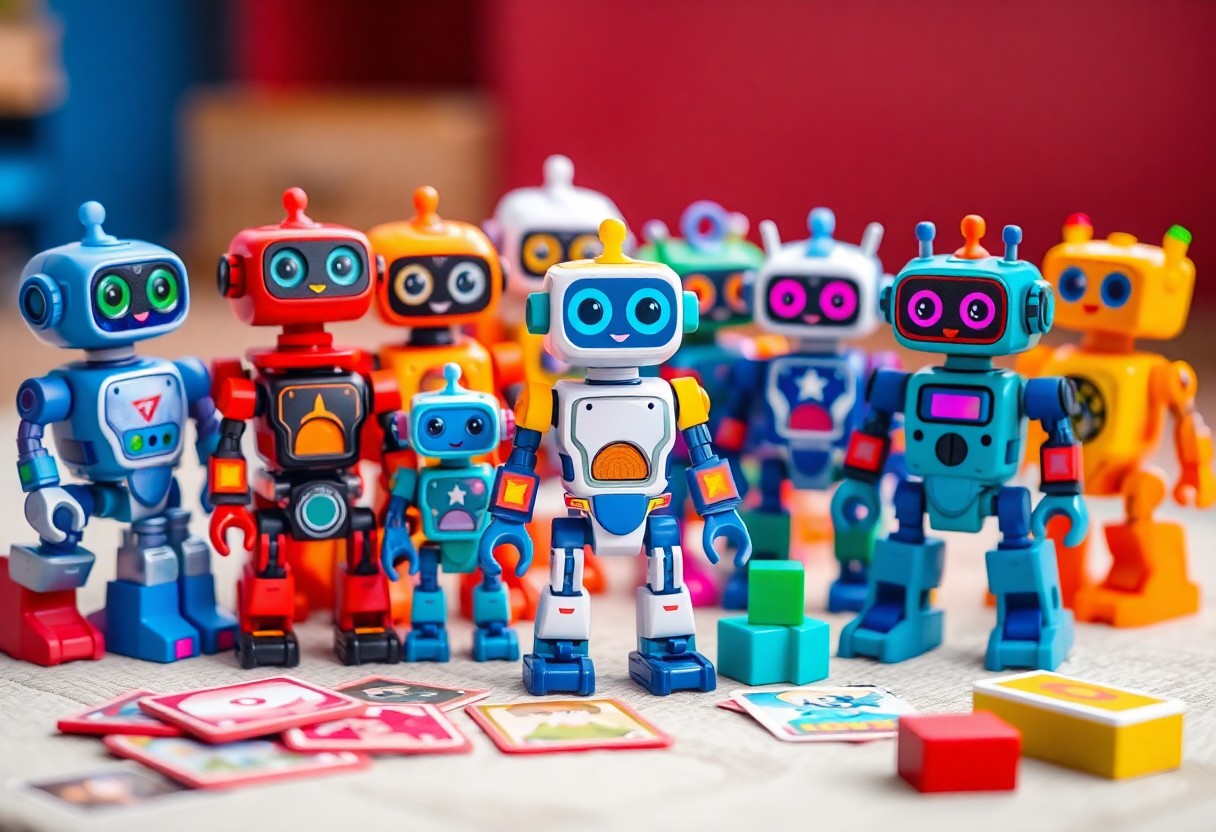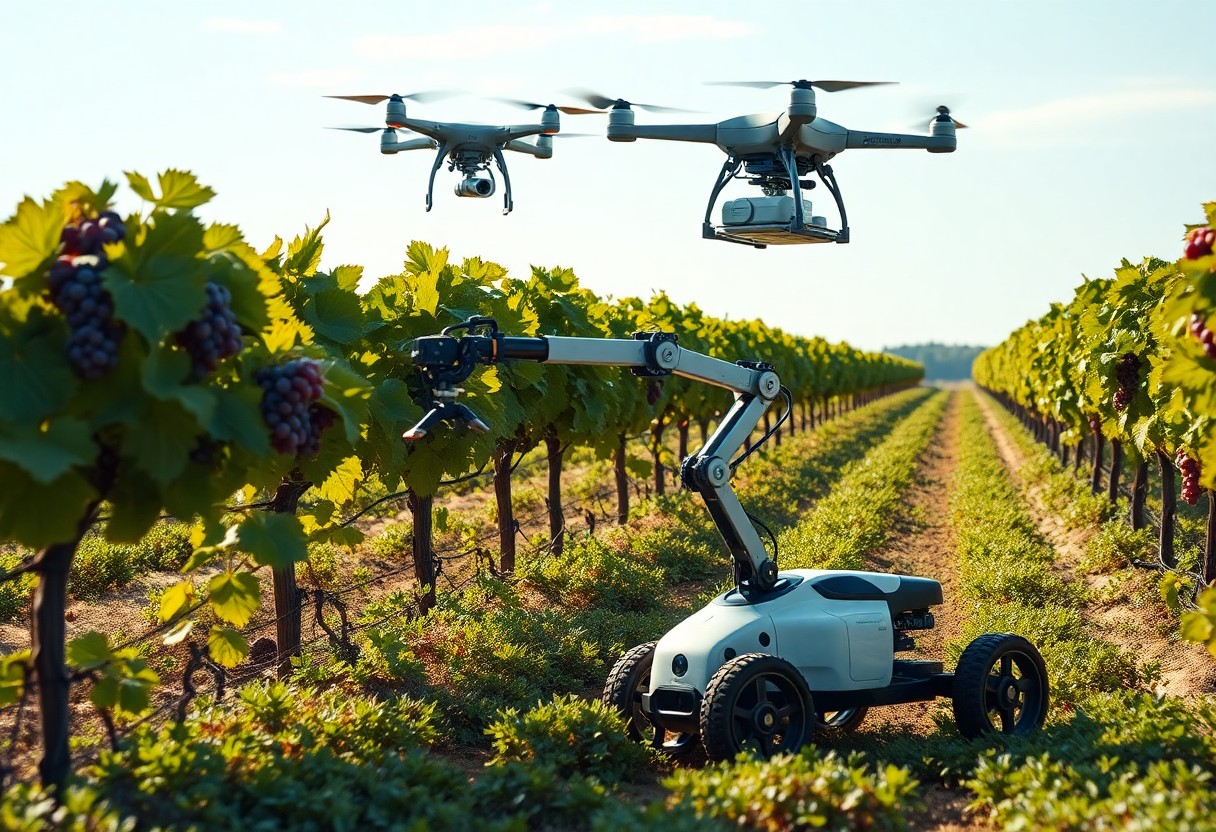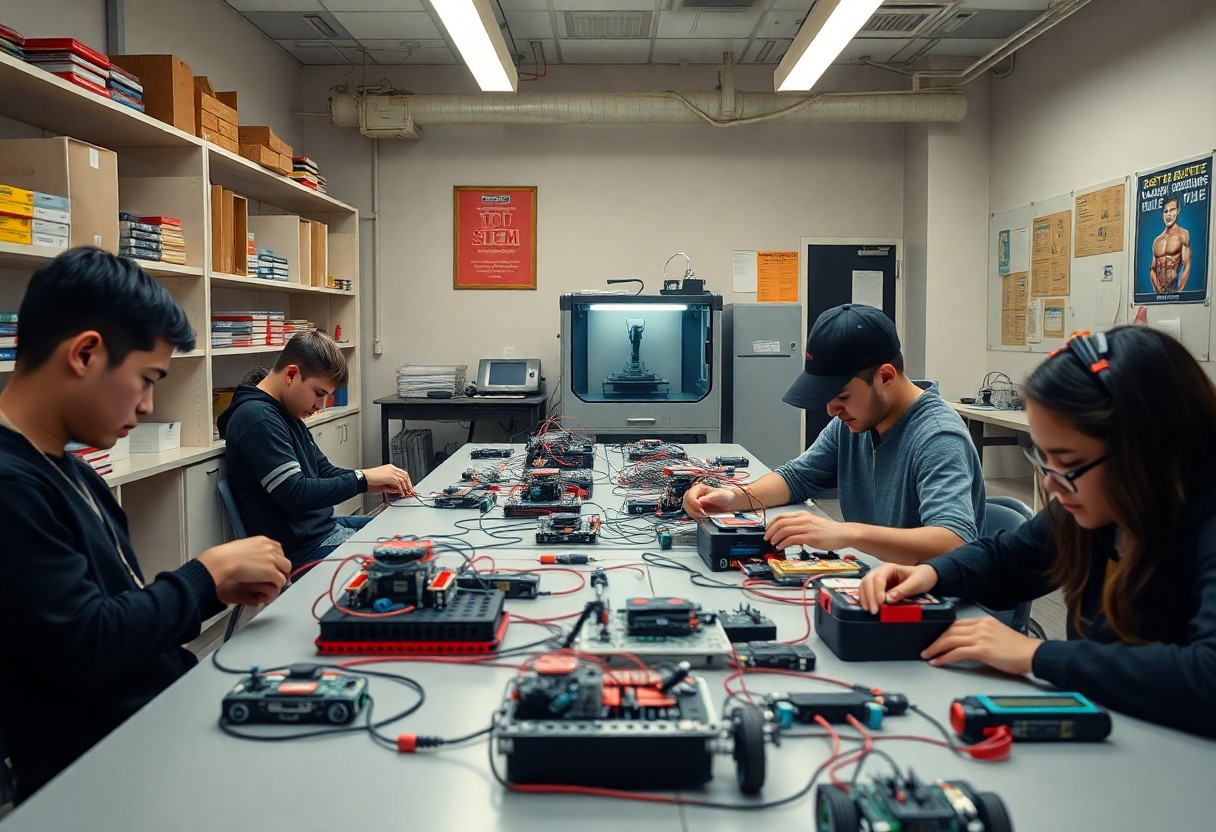
Many educational institutions are embracing robotics education as a way to enhance STEM (Science, Technology, Engineering, and Mathematics) learning among students. By providing access to robot labs, you can foster creativity, critical thinking, and problem-solving skills in your classroom. These hands-on experiences not only engage students but also prepare them for future careers in a technology-driven world. As you explore the impact of robotics on education, you will discover how these initiatives can inspire the next generation of innovators and leaders in science and technology.
The Importance of Robotics Education
Robotics education serves as a gateway for students to explore the fascinating world of technology. By integrating hands-on experiences with theoretical knowledge, you gain insights into engineering principles, programming, and design thinking. Educational robotics fosters creativity and critical problem-solving skills, preparing you for a future where STEM competencies are increasingly relevant across various industries. As innovations in robotics and automation emerge, this educational approach equips you with the tools needed to adapt and thrive in a rapidly changing environment.
Impact on Student Engagement
Engaging in robotics projects significantly boosts your motivation and interest in STEM subjects. Working collaboratively on innovative tasks not only captures your imagination but also provides a practical framework for applying classroom concepts. As you design and build robots, you encounter real-world challenges that drive deeper learning. Many schools report improved attendance and participation rates when robotics is incorporated into the curriculum, showcasing its effectiveness in keeping students actively involved.
Skills Development in STEM
Robotics education uniquely positions you to cultivate imperative skills in STEM fields. From coding to mechanical design, the interdisciplinary nature of robotics requires you to apply concepts from math, science, and engineering together. As you work on projects, you enhance your analytical abilities and develop perseverance through trial and error. Exposure to robotics also fosters teamwork and communication skills, crucial in collaborative environments, ensuring you are well-prepared for future academic and career pursuits.
In robotics, problem-solving becomes a hands-on activity. You learn to analyze complex systems, break down problems, and devise effective solutions, reflecting real-world engineering processes. Collaborating with peers enhances your interpersonal skills, vital for teamwork in future STEM careers. Mastering programming languages and design software adds to your technical skill set, making you more competitive in the job market. Overall, the skills you develop through robotics education not only prepare you for higher education but also create a strong foundation for various career paths in the evolving technological landscape.
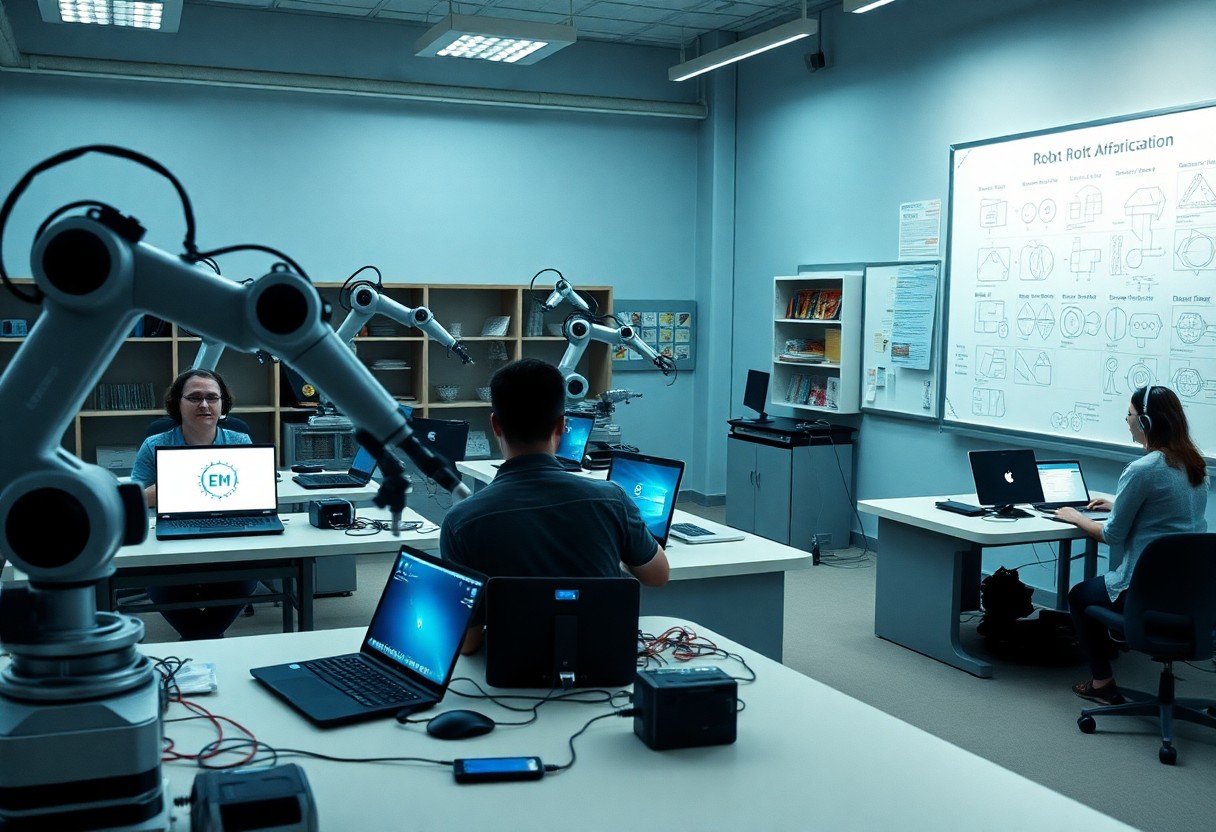
Overview of Robotics Labs
Robotics labs serve as a dynamic environment where students engage with technology through hands-on learning. These spaces are designed to encourage creativity and innovation, allowing you to explore various aspects of robotics, from programming to mechanical design. Institutions often feature a range of projects that span beginner to advanced levels, ensuring that learners of all ages can develop their skills in a structured yet flexible setting.
Essential Equipment and Technologies
Your robotics lab should be equipped with necessary tools such as programmable robots, microcontrollers like Arduino and Raspberry Pi, and design software for CAD modeling. Additionally, 3D printers and sensors enable you to create prototypes and refine your projects. The integration of these technologies not only enhances your practical skills but also prepares you for future careers in the tech industry.
Designing Effective Learning Environments
Creating an effective learning environment in robotics labs requires careful planning and consideration of student needs. Proper layout that promotes collaboration, accessibility to resources, and areas for both individual and group projects fosters a thriving educational atmosphere. The implementation of adaptive teaching methods ensures all learners can engage, regardless of their prior experience in robotics.
Effective learning environments in robotics labs prioritize collaboration and hands-on experiences. Flexible seating arrangements encourage teamwork, while designated spaces for individual work allow for focused study. Incorporating modular equipment lets you adjust the classroom setup based on project needs. Integrating project-based learning encourages real-world applications, while providing mentorship opportunities fosters a supportive community. Ultimately, the goal is to inspire creativity and critical thinking, equipping you with the skills necessary for success in an increasingly technology-driven world.
Curriculum Integration
Integrating robotics into the curriculum enhances the learning experience by bridging theoretical knowledge with practical application. This approach enables you to grasp complex concepts in mathematics, science, and engineering while developing problem-solving skills. Robotics projects can align with existing lessons, providing a platform for experimentation and encouraging students to engage actively with their learning. By embedding robotics into various subjects, you can cater to different learning styles and help students see the relevance of their studies.
Aligning Robotics with STEM Standards
Aligning robotics initiatives with established STEM standards ensures that your program meets educational goals and benchmarks. This alignment fosters a structured approach to learning, where students can develop skills that are not only relevant to robotics but also applicable across multiple disciplines. By integrating robotics activities into the curriculum, you create opportunities for students to master critical thinking, collaboration, and technology literacy, which are important skills for future success.
Interdisciplinary Approaches
Emphasizing interdisciplinary approaches in robotics education links multiple subjects, fostering a holistic understanding of complex problems. You can cultivate a classroom atmosphere where connections are drawn between robotics, art, math, and science, inspiring creativity and innovation. For instance, a project might involve programming a robot to solve a mathematical challenge, while simultaneously allowing for artistic design elements, merging engineering with creative expression.
Interdisciplinary approaches enable you to create multifaceted projects that resonate with various student interests. For example, a robotics challenge could incorporate history by asking students to build robots that replicate ancient architectures or explore scientific principles through environmental monitoring projects. This blending of subjects not only enhances engagement but also prepares students for real-world problem-solving by showing them the interconnectedness of knowledge across disciplines. By cultivating a diverse set of skills, these approaches equip students with a broader understanding, fostering adaptability in an ever-evolving job market.
Teacher Training and Support
Effective robotics education hinges on well-trained educators who are equipped to guide students through complex concepts. Your ability to engage with advanced robotics tools requires comprehensive training and ongoing support. Organizations offering STEM Education initiatives frequently provide workshops and resources tailored to improve teaching skills in this innovative field.
Professional Development Programs
Professional development programs enhance your teaching capabilities, providing insights into the latest advancements in robotics. Workshops often feature hands-on experiences with new technologies, ensuring that you stay updated on best practices and innovative teaching strategies, which are imperative for fostering a stimulating learning environment.
Resources for Educators
Various resources are available to support your journey in robotics education. From curriculum guides to online tutorials, these materials help refine your skills and expand your knowledge base. Engaging with these resources empowers you to create a more effective and enriching learning experience for your students.
Incorporating diverse resources, you can access lesson plans, interactive modules, and collaborative projects that align with current educational standards. These tools not only save time but also spark creativity in your teaching approach. Utilizing platforms that offer community support, such as user forums and professional networks, further enriches your educational toolkit, allowing you to share experiences and strategies with fellow educators in the field.
Community and Industry Collaboration
Collaboration between educational institutions and their communities fosters a thriving ecosystem for robotics education. Local organizations, governments, and industry leaders can partner with schools to provide resources, mentorship, and real-world insights that enhance learning experiences. Such collaborations not only enrich the curriculum but also inspire students to explore careers in technology and engineering fields.
Partnering with Local Businesses
Local businesses play a pivotal role in supporting robotics education by providing funding, equipment, and expertise. Companies often sponsor projects, donate materials, or offer internships, allowing students to experience authentic industry challenges. This partnership ensures that students develop relevant skills while businesses benefit from fresh, innovative ideas and potential future employees.
Engaging Parents and Community Members
Active involvement from parents and community members strengthens robotics programs and fosters a supportive environment for students. Workshops, community events, and informational sessions invite families to participate, deepening the understanding of robotics and STEM topics. Such engagement not only promotes student enthusiasm but also builds a network of advocates who can champion the importance of robotics education.
Engaging parents and community members extends beyond mere participation. Hosting events like robotics showcases or competitions allows them to visualize the skills and knowledge students acquire. Interactive sessions can demystify technology, encouraging families to discuss STEM at home. Building a community around robotics education empowers everyone and cultivates advocates who recognize the long-term benefits of these initiatives. Local partnerships and engaged communities create a foundation for sustained interest and investment in STEM, ensuring that students develop into capable and inspired innovators.
Future Trends in Robotics Education
The future of robotics education will integrate advanced technologies, making learning more interactive and accessible. Expect to see personalized learning experiences powered by artificial intelligence, where students can progress at their own pace. Virtual reality and augmented reality will transform traditional teaching, allowing for immersive simulations that enrich your understanding of complex concepts. As robotic applications continue to evolve, staying informed about new methodologies will prepare you for an ever-changing workforce.
Emerging Technologies in Education
Emerging technologies like artificial intelligence, machine learning, and interactive simulations are reshaping education, particularly in robotics. These tools facilitate personalized learning paths, enabling you to grasp intricate subjects through tailored experiences. AI-driven platforms assess your strengths and weaknesses, providing real-time feedback and resources. Furthermore, integrating robotics with IoT (Internet of Things) enhances practical applications, ensuring that you gain relevant, hands-on experience with cutting-edge technology.
Predictions for STEM in Schools
Predictions indicate a growing emphasis on STEM education in schools, with an expected 50% increase in dedicated STEM programs by 2025. Schools will likely implement project-based learning, encouraging collaboration and problem-solving skills among you and your peers. Additionally, partnerships with tech companies will enhance curriculum development, ensuring you gain exposure to real-world applications of robotics. Increased funding for robotics labs will create more hands-on opportunities, enabling you to engage deeply with the technology of the future.
Investment in STEM education is forecasted to revolutionize school curricula by incorporating robotics into daily learning. By 2025, it’s anticipated that at least 70% of K-12 schools will have integrated robotics into their programs, allowing you to participate in competitions and collaborative projects. Alongside this, the introduction of online platforms for coding and robotics will enhance accessibility. This holistic approach not only cultivates technical skills but also prepares you for critical thinking and innovation in a rapidly changing job landscape.
Final Words
As a reminder, engaging with robotics education and participating in robot labs can significantly enhance your understanding of STEM fields. By immersing yourself in hands-on experiences, you not only develop technical skills but also foster problem-solving and critical thinking abilities that are necessary in today’s technological landscape. Embracing these opportunities will empower you to contribute innovatively to future projects and careers, ensuring you stay ahead in an ever-evolving job market.