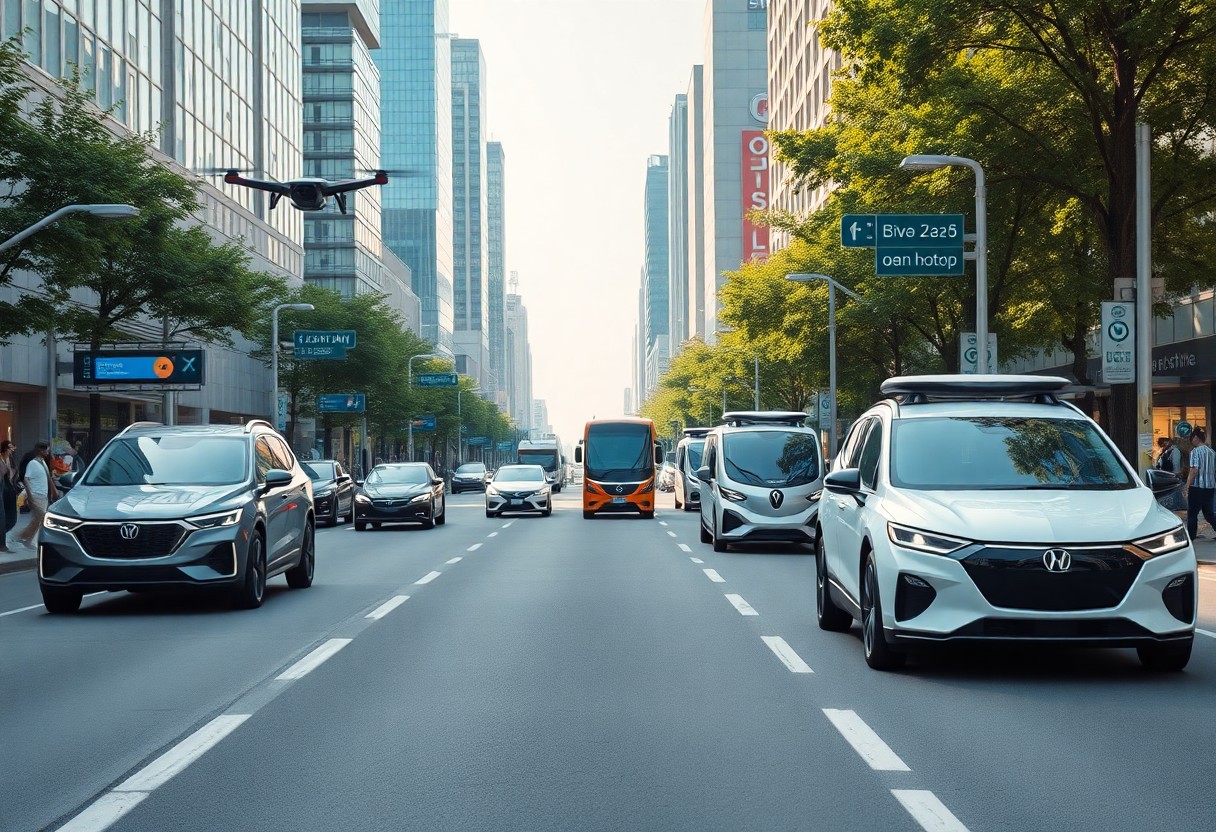
Just as technology reshapes various industries, mobility robotics and autonomous vehicles are transforming how you navigate and transport goods. These innovations enhance efficiency and safety, reflecting significant advancements in artificial intelligence and machine learning. By understanding their features and potential applications, you can better appreciate how these technologies influence your daily life and the future of transportation.
Overview of Mobility Robotics
Mobility robotics encompasses a diverse range of automated systems designed to enhance transportation, logistics, and personal mobility. These robots can navigate various environments, adapt to obstacles, and provide efficient movement solutions. You’ll find applications in urban settings, for goods delivery, and personal mobility aids, reflecting how these technologies are integrating into everyday life, making it easier and more efficient. The impact of mobility robotics is evident in improving accessibility, safety, and operational efficiency across sectors.
Definition and Importance
Mobility robotics refers to the design and use of robotic systems that facilitate movement in physical spaces. These systems enable tasks ranging from simple navigation to complex deliveries in dynamic environments. The significance lies in their ability to enhance productivity, reduce human error, and provide solutions in situations where traditional methods may fall short, such as in hazardous conditions or areas lacking infrastructure.
Applications in Various Industries
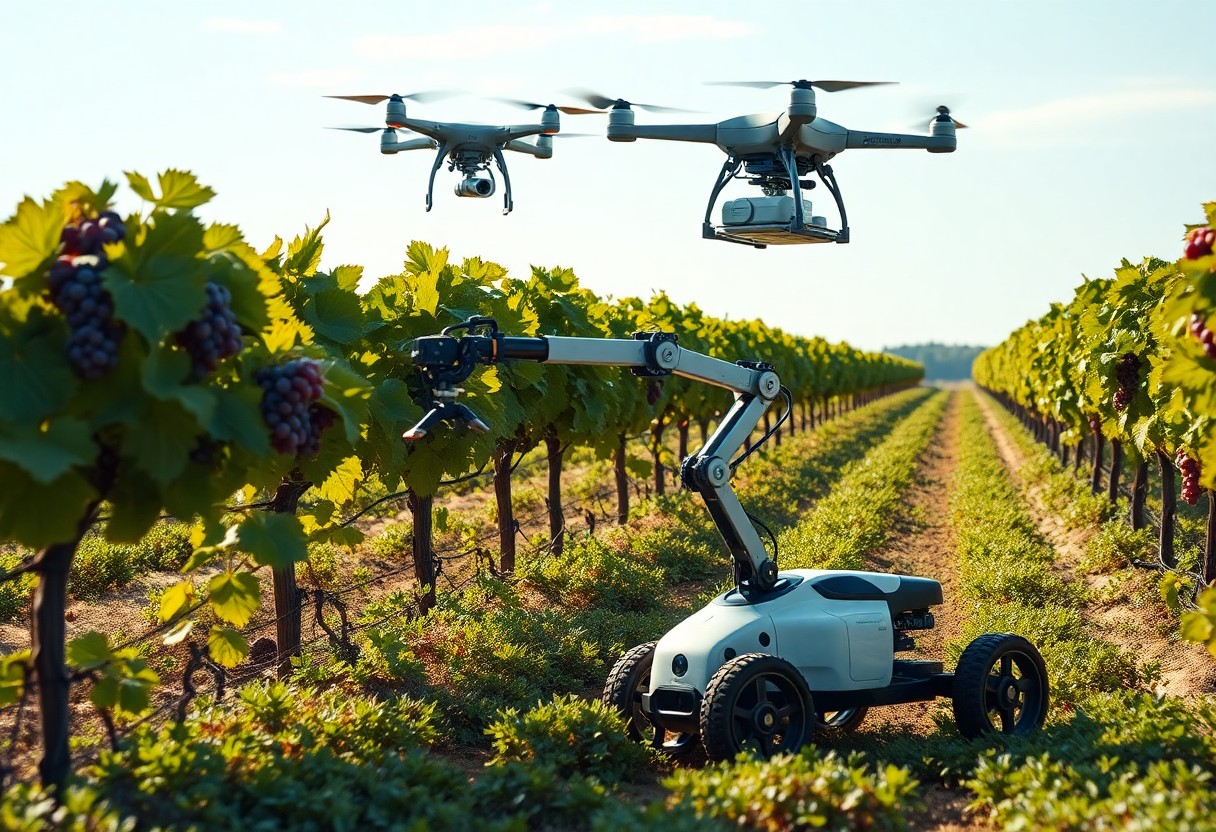
Mobility robotics finds diverse applications across multiple sectors, including healthcare, logistics, and agriculture. In healthcare, robots assist with patient transport and mobility aids. In logistics, autonomous delivery robots efficiently handle inventory operations, while agricultural robots perform tasks like planting and harvesting. You can observe these innovations improving efficiency and reducing operational costs, showcasing their increasingly vital role in modern industries.
In the logistics sector, for instance, companies like Amazon and FedEx are deploying autonomous delivery robots to streamline last-mile delivery. These robots can navigate sidewalks and complex urban environments, reducing the reliance on human labor and speeding up delivery times. In healthcare, robotic mobility aids, such as exoskeletons, empower individuals with mobility impairments, allowing them greater independence and improved quality of life. In agriculture, autonomous tractors and drones are optimizing planting, monitoring crop health, and increasing yield efficiency. The integration of mobility robotics across these industries signifies a shift towards a more automated, efficient future.
Autonomous Vehicles: A Comprehensive Analysis
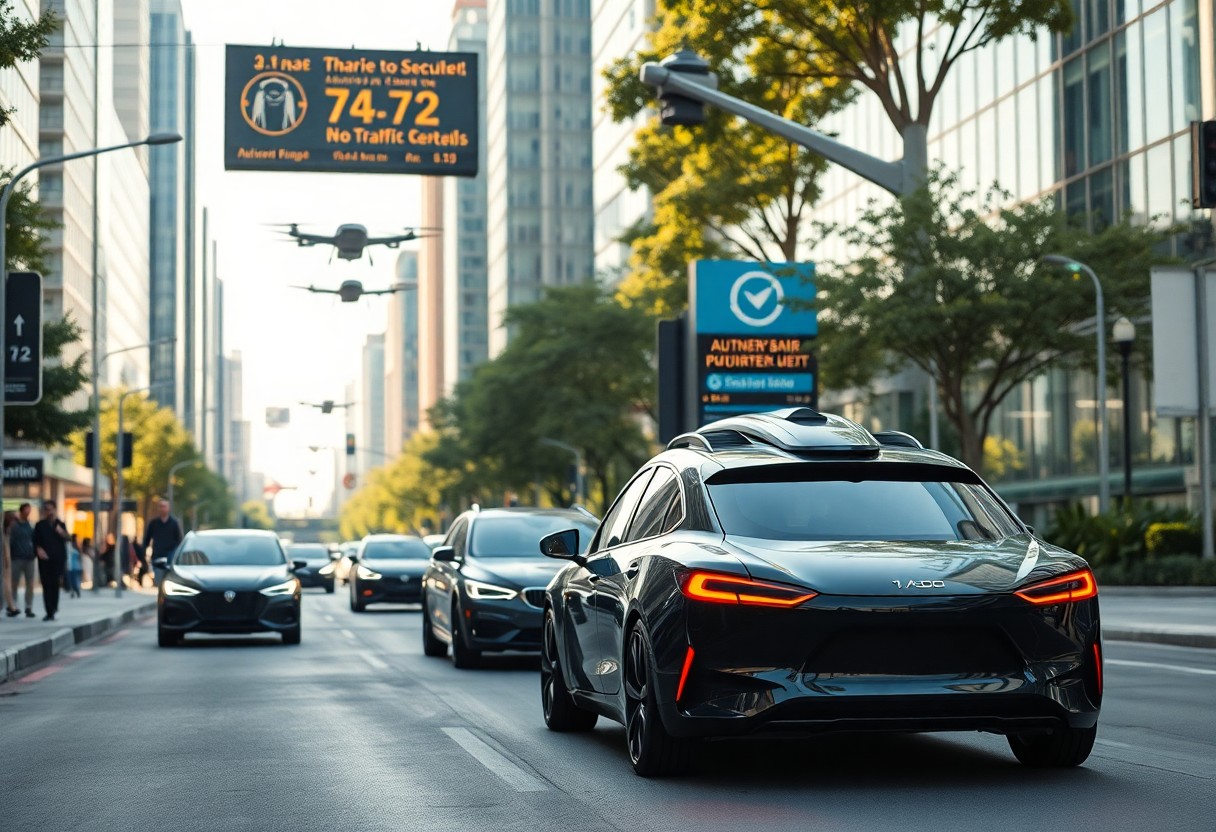
A wide-ranging examination of autonomous vehicles reveals their transformative potential in transportation and societal structures. Innovations in AI and machine learning are paving the way for vehicles that can navigate complex environments with little to no human intervention. For an in-depth look, refer to Mobility and beyond: How autonomous technologies could …. This analysis highlights the implications for urban planning, economic growth, and personal mobility.
Technology and Components
Your understanding of autonomous vehicles must include the sophisticated technologies that drive them, such as LIDAR systems, cameras, and advanced algorithms that ensure safe navigation. These components work collectively to gather data about the vehicle’s environment, making real-time decisions based on various inputs. The seamless integration of hardware and software is fundamental for the performance of fully autonomous systems.
Regulatory Challenges and Considerations
Navigating the regulatory landscape is a significant hurdle for the deployment of autonomous vehicles. Different regions impose varying standards and guidelines, complicating the development and testing processes. Engaging with local regulators early on is imperative for shaping policies that balance innovation and public safety. As public acceptance grows, your participation in advocacy and dialogue with legislators can influence effective regulations.
Regulatory challenges extend beyond just local laws; they encompass federal guidelines, international standards, and liability issues in case of accidents involving autonomous vehicles. Various regulatory bodies are still defining how to classify these vehicles, establishing safety benchmarks, and determining responsibility in collisions. The disparity in regulations across jurisdictions also impedes manufacturers looking to launch their products globally. Engaging in public forums and sharing real-world data could help bridge gaps between innovation and regulation, fostering a more conducive environment for the advancement of autonomous technology.
Key Innovations in Mobility Robotics
Innovations in mobility robotics are rapidly evolving, driven by advancements in technology that enhance functionality and safety. These breakthroughs have led to the development of autonomous delivery robots, smart public transport systems, and improved navigation solutions. Integrating machine learning and AI with robotics creates systems capable of navigating complex environments, which ultimately enhances user experience and operational efficiency.
Robotics Algorithms and AI
Robotics algorithms form the backbone of mobility robotics, enabling machines to learn from their environments and make real-time decisions. By leveraging AI, you can expect systems that adapt to varying conditions, optimizing routes and improving response times. Companies like Waymo and Tesla are pioneering these algorithms, demonstrating superior adaptability and increased safety in autonomous vehicles.
Sensor Technologies and Navigation
Advancements in sensor technologies have significantly enhanced the capabilities of mobility robots. LiDAR, cameras, and ultrasonic sensors work in tandem to provide real-time environmental data, enabling effective navigation. You benefit from innovations such as improved object detection, enhanced mapping accuracy, and overall better situational awareness, which ensures safer interactions in diverse environments.
The integration of various sensor technologies is vital in modern mobility robotics. LiDAR systems emit laser beams to create precise 3D maps of surroundings, while cameras provide visual recognition capabilities crucial for identifying obstacles. Combining GPS for location tracking with inertial measurement units ensures continuous and reliable navigation even in GPS-denied environments. This multi-sensor approach allows your autonomous vehicles to operate seamlessly in complex urban settings, enhancing their ability to avoid obstacles and navigate dynamically changing routes.
Integration of Mobility Robotics and Autonomous Vehicles
The convergence of mobility robotics and autonomous vehicles represents a significant leap forward in transportation efficiency and accessibility. By leveraging advanced sensors, artificial intelligence, and machine learning, these technologies are set to create seamless systems that optimize urban mobility, improve safety, and enhance user experience. You’ll see how this integration will redefine not just transport but urban planning and logistics in the coming years.
Synergies Between the Two Fields
Combining mobility robotics with autonomous vehicles offers new levels of efficiency and flexibility. For instance, autonomous vehicles can benefit from mobility robots in navigating complex environments or managing last-mile deliveries. Conversely, mobility robots can enhance accessibility in public transport systems, ensuring that all users can efficiently connect with autonomous services. These synergies are forging a new frontier in comprehensive mobility solutions.
Case Studies and Real-World Implementations
Several projects worldwide highlight the practical applications of integrating mobility robotics with autonomous vehicles. Notable examples include fully autonomous delivery services, urban shared mobility solutions, and innovations in public transit that leverage both technologies for improved access and efficiency. Here are specific case studies showcasing impressive metrics and outcomes:
- Waymo’s autonomous ride-hailing service in Phoenix, AZ, reports over 1.5 million miles driven without human intervention.
- Sarcos Robotics has successfully tested its Guardian S robotic exoskeleton, enhancing the lifting capacity for warehouse operations by up to 200%.
- Amazon’s delivery drones have successfully completed over 1,000 deliveries in rural areas, cutting delivery times by 75% compared to traditional methods.
- Starship Technologies has deployed over 1,000 delivery robots in multiple cities, averaging 20% quicker deliveries than standard courier services.
- Autonomous shuttles in Las Vegas increased passenger traffic by 15% when integrated with existing public transport systems.
These case studies demonstrate the diverse applications and successes of mobility robotics and autonomous vehicles across various sectors. The synergy between these technologies not only enhances efficiency but also promotes sustainability. For instance, the integration of autonomous vehicles into delivery logistics has shown a 30% reduction in carbon emissions in pilot programs, exemplifying positive environmental impacts. The collaboration between companies in these fields continues to fuel investment and innovation, shaping the future of urban transportation.
Future Trends in Mobility Robotics and Autonomous Vehicles
As mobility robotics and autonomous vehicles evolve, the integration of artificial intelligence, machine learning, and advanced sensor technologies will redefine transportation. You can expect smarter navigation systems, improved safety protocols, and enhanced energy efficiencies to streamline urban mobility. The adoption of shared mobility solutions combined with autonomous infrastructure could reshape how cities manage traffic, reduce congestion, and lower environmental impacts. These innovations will not only advance personal convenience but also transform public transportation systems and logistics networks.
Impact of Emerging Technologies
Emerging technologies such as 5G connectivity and edge computing will significantly bolster the capabilities of mobility robotics and autonomous vehicles. You will benefit from ultra-reliable low-latency communication that facilitates real-time data exchange, enabling precise vehicle coordination and safer operations in crowded environments. Enhanced computational power at the edge will minimize response times, paving the way for more efficient traffic management and improved user experiences.
Societal Implications and Ethical Considerations
The rise of mobility robotics and autonomous vehicles raises significant societal implications, particularly in areas of job displacement and equitable access to technology. As automation replaces certain driving jobs, you might see changes in employment patterns requiring retraining programs. Additionally, ethical considerations surrounding decision-making algorithms in critical situations will demand transparent frameworks to ensure trust and accountability in these systems.
Addressing societal implications involves navigating the complex landscape of workforce transformation and inclusivity. You may contend with job losses in traditional driving roles, prompting a need for industry-wide retraining and education initiatives to absorb displaced workers into emerging tech fields. Equitable access to mobility innovations also demands attention, ensuring that underserved communities benefit from advancements in autonomous transport solutions. Ethical frameworks guiding the AI behind decision-making in autonomous vehicles will require rigorous public dialogue and regulation, with a focus on transparency and responsibility in technologies that significantly affect everyday lives and safety.
Final Words
As a reminder, the evolution of mobility robotics and autonomous vehicles is transforming how you interact with transportation. Embracing these innovations means rethinking your daily commutes and the accessibility of mobility solutions. They offer enhanced safety, efficiency, and convenience, reshaping urban landscapes and improving quality of life. Staying informed and adaptable to these advancements positions you to fully leverage their benefits, ensuring you remain at the forefront of this exciting technological shift.