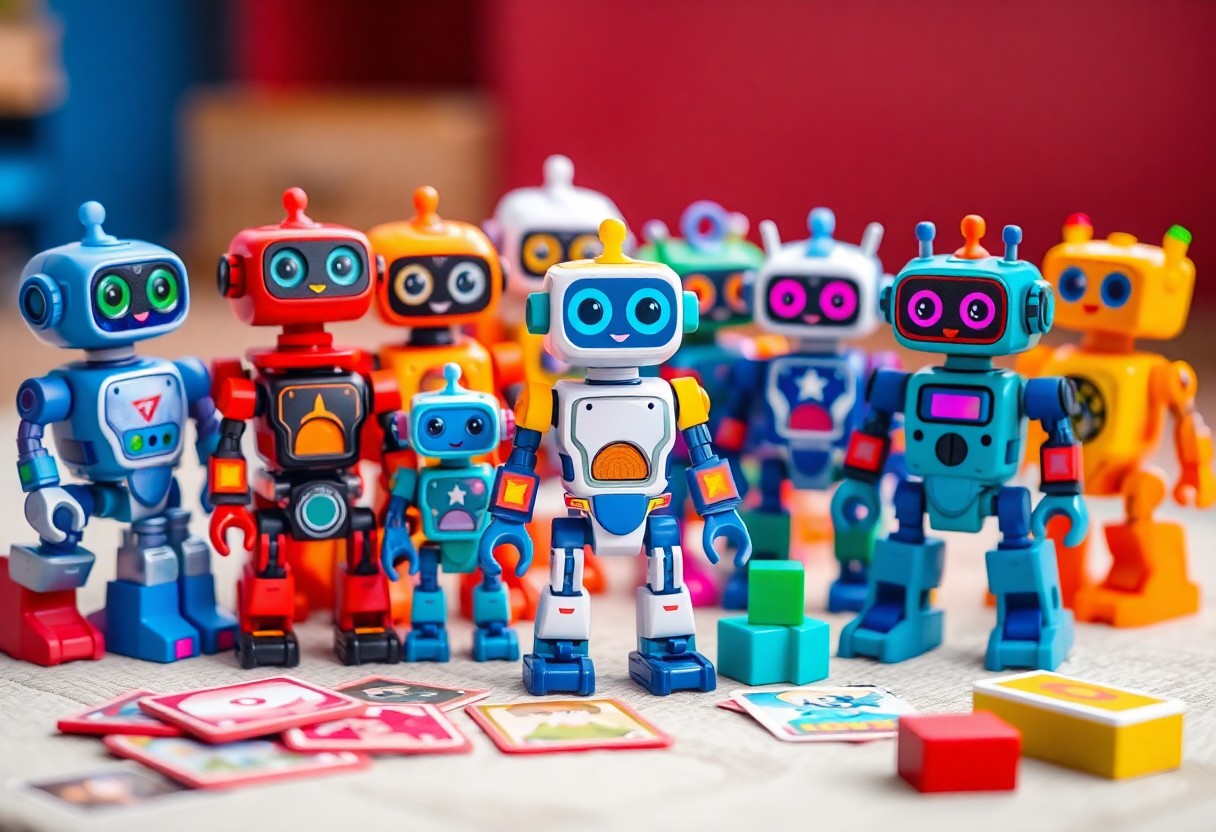
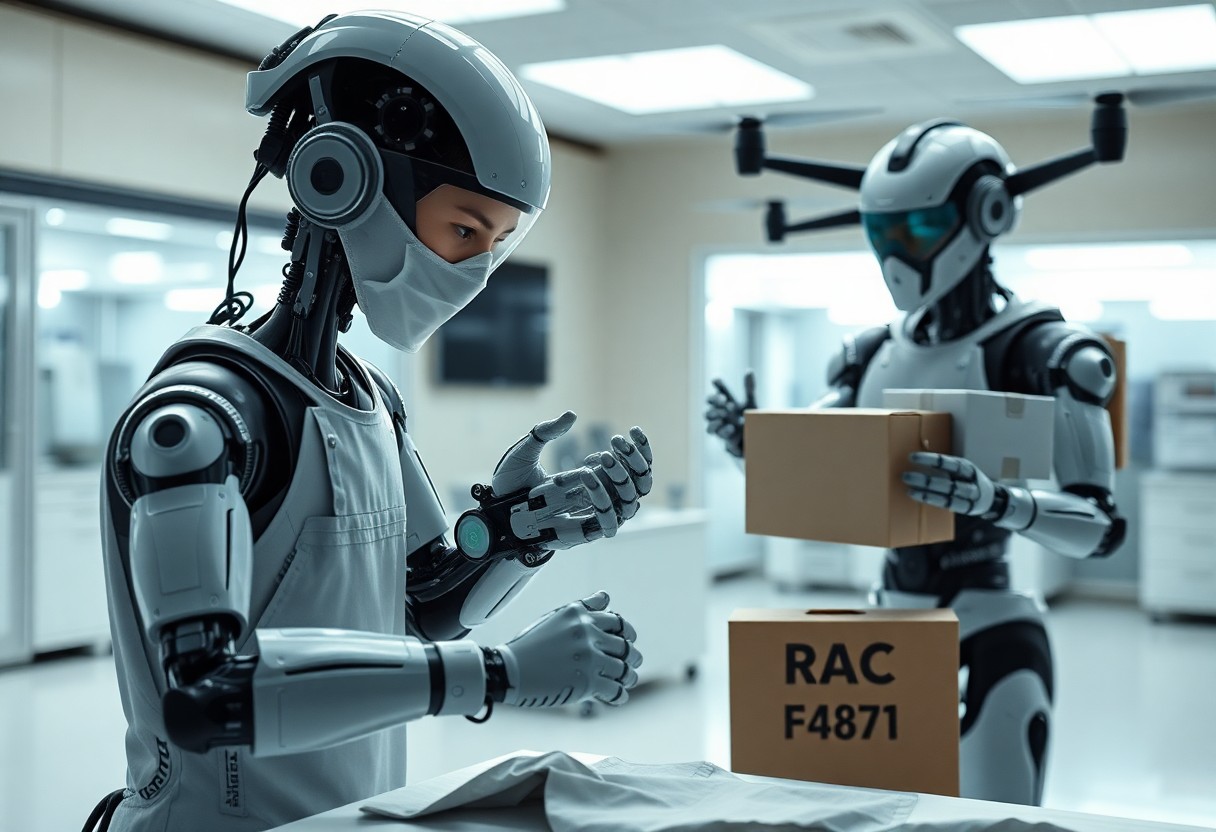
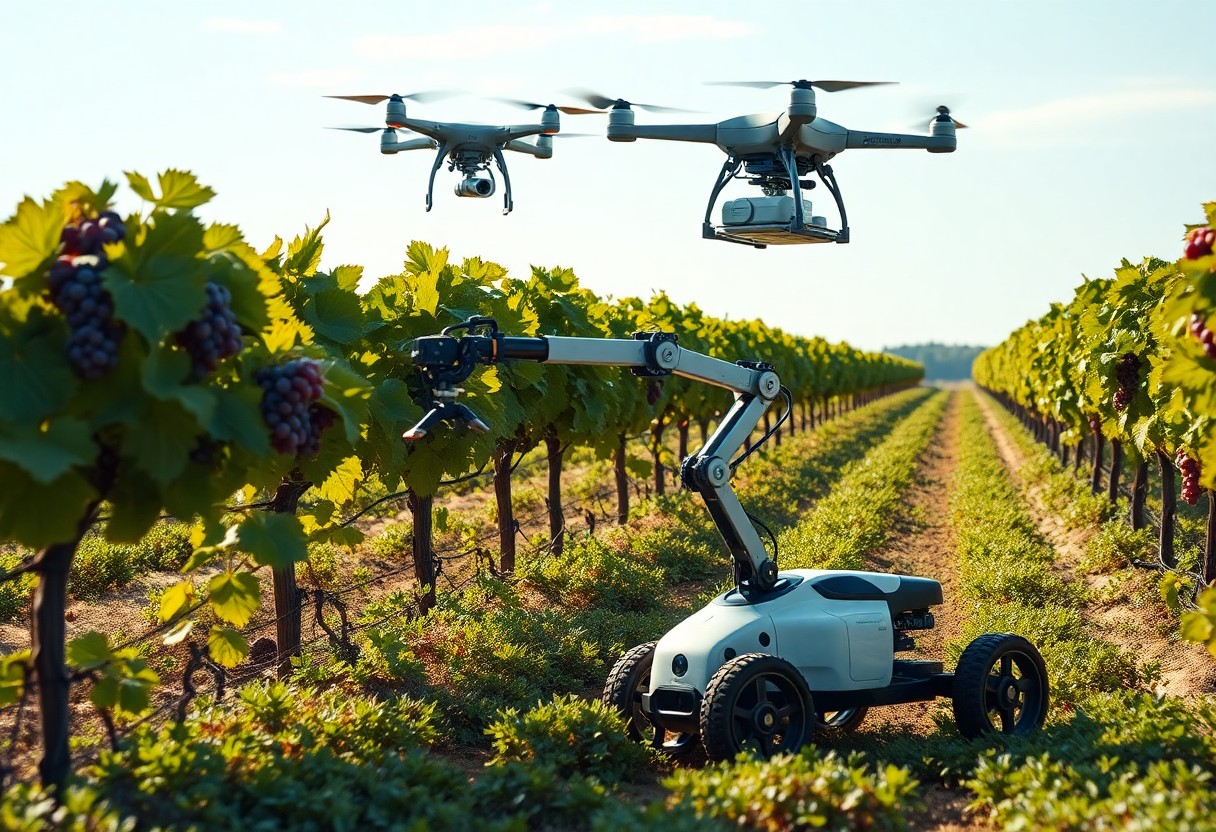
There’s a fascinating intersection between generative intelligence and robotics that is reshaping how machines interact with the physical world. As you probe Physical AI, you’ll discover how advanced algorithms are enabling robots to adapt and learn in real-time, enhancing their capabilities in various industries. From improving manufacturing processes to revolutionizing healthcare, these innovations are creating smarter, more efficient robotic systems that are increasingly collaborating with humans. Understanding this transformation will equip you with insights into the future of technology and its impact on your everyday life.
Understanding Generative Intelligence
Generative intelligence serves as a transformative force in robotics, enabling machines to autonomously create, learn, and adapt through advanced algorithms. This approach not only enhances functionality but also democratizes robot capabilities, empowering engineers to design systems that can continuously evolve based on real-world interactions.
Definition and Overview
Generative intelligence refers to algorithms capable of producing new content or behavior based on existing data. Instead of merely acting on programmed instructions, these systems leverage deep learning and neural networks to generate solutions, offering unprecedented flexibility in dynamic environments.
Applications in Robotics
The applications of generative intelligence in robotics are vast, ranging from autonomous vehicles to drones and manufacturing robots. These intelligent systems can adapt to unforeseen circumstances, optimize routes, and improve efficiency in production lines by self-learning from operational data.
For instance, in autonomous vehicles, generative intelligence allows the system to interpret complex environments in real-time, generating predictive models that determine optimal driving paths. Companies like Waymo utilize these technologies to enhance safety and navigation precision. Similarly, in manufacturing, robotic arms powered by generative intelligence can dynamically adjust their techniques based on product variations, significantly boosting output quality while minimizing waste. This adaptability not only streamlines processes but also opens doors to innovative applications, such as custom product creation on demand.
The Role of Physical AI in Robotics
Physical AI integrates advanced algorithms with sensory and actuation systems in robotics, enabling machines to interact seamlessly with their environment. This technology underpins various applications, from autonomous vehicles navigating streets to robotic arms assembling delicate electronics. You’ll find that these advancements allow robots to adapt in real-time, making them more effective in dynamic settings and enhancing their utility across industries.
Enhancing Automation
Automation benefits significantly from Physical AI, as it allows machines to perform complex tasks independently. With machine learning and real-time data processing, robots can optimize workflows, reduce downtime, and increase production efficiency. You may observe this in manufacturing, where AI-driven robots adjust their operations based on the conditions they encounter, ultimately improving throughput.
Improving Human-Robot Interaction
Human-robot interaction (HRI) advances tremendously with Physical AI. By using intuitive interfaces and natural language processing, robots can understand and respond to human commands more effectively. This development creates a collaborative atmosphere, allowing you to communicate with robots as easily as you would with a colleague, thereby elevating their practical applications in healthcare, education, and personal assistance.
In the context of HRI, consider robots like Softbank’s Pepper, which uses facial recognition and sentiment analysis to gauge emotional states. This capability allows it to adapt its responses, making interactions more personable. Toyota’s T-HR3 is another example; it syncs with a human user’s movements, giving an impression of shared presence in virtual reality. Such innovations paint a future where robots not only assist but also engage socially, enriching everyday experiences significantly.
Case Studies of Generative Intelligence in Robotics
Exploring specific instances of generative intelligence in robotics provides valuable insights into its transformative impact. You can observe how various industries leverage these technologies to optimize operations, enhance productivity, and address unique challenges. Here are notable case studies demonstrating the real-world application and effectiveness of generative intelligence:
- Automotive Assembly: Tesla’s use of generative design for lightweight components reduced production costs by 30%.
- Manufacturing Automation: Siemens implemented AI in robotics to increase efficiency by 25%, shortening production time significantly.
- Agricultural Robotics: Blue River Technology employs AI-driven machines, achieving a 90% reduction in herbicide usage through precise targeting.
- Warehouse Operations: Amazon Robotics improved item handling efficiency, achieving a 400% increase in order fulfillment speed.
- Healthcare: Intuitive Surgical’s da Vinci system empowers surgeons, with a reported 25% faster recovery time for patients.
Industrial Robotics
In industrial settings, generative intelligence streamlines manufacturing processes, facilitating real-time feedback and adaptive learning. With AI-enhanced robots, you can expect significant reductions in operational costs and improved safety protocols.
Service Robotics
Service robotics transform customer interactions and operational efficiency by utilizing generative intelligence to adapt to dynamic environments. These robots improve reliability, offering enhanced user experiences in various sectors, from hospitality to healthcare.
In the service robotics domain, applications range from autonomous delivery drones to AI-assisted customer service bots. For instance, the implementation of robots in restaurants has shown a 20% increase in service speed. In healthcare, robots can assist with patient care, reducing the load on medical staff by 30%. With generative intelligence, these robots learn from interactions, enhancing their ability to serve and adapt to human needs effectively. The development of autonomous mobile robots (AMRs) for delivering supplies in hospitals illustrates this adaptability, where they navigate complex environments while ensuring timely service delivery.
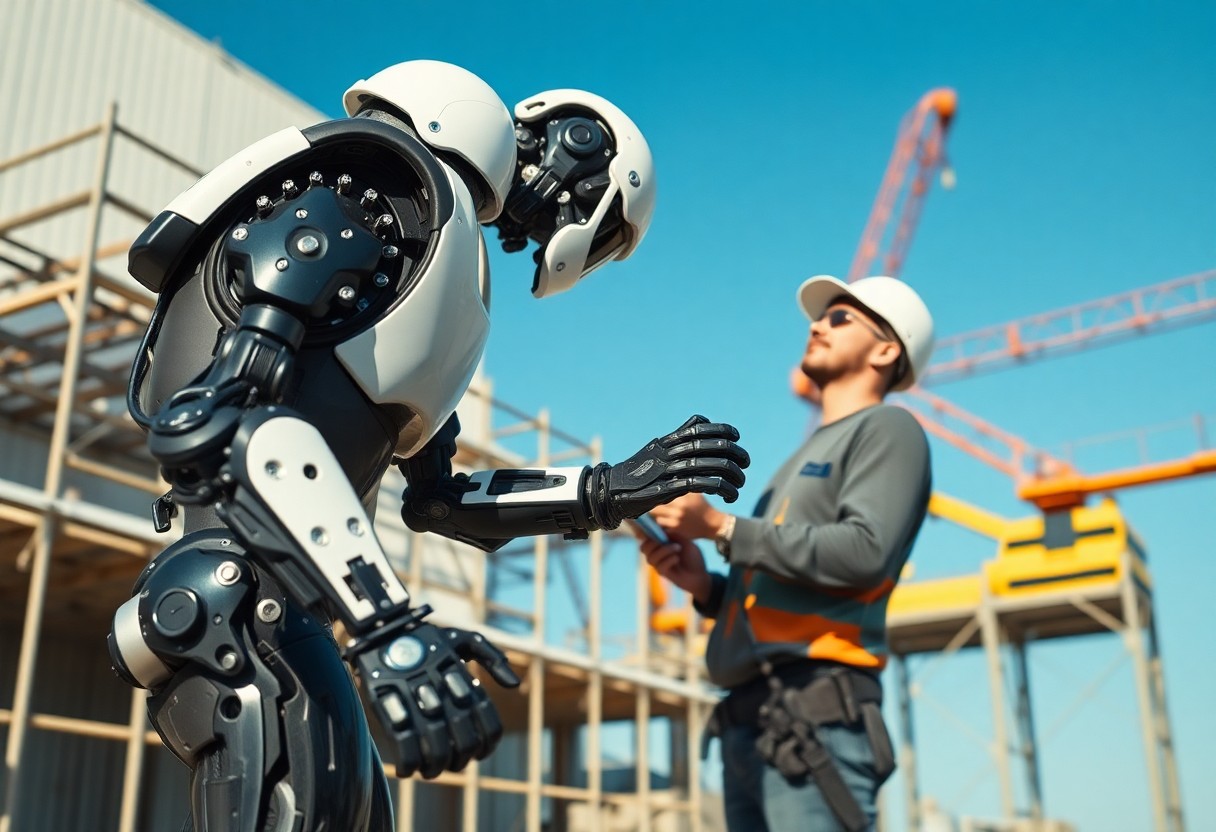
Challenges and Limitations
Your exploration of Physical AI reveals considerable challenges that impact the technology’s potential. Despite its promise, the implementation of generative intelligence in robotics is plagued by issues such as high costs, limited availability of data for training, and the inherent complexities in ensuring reliable human-robot interactions. For an in-depth look at [Physical AI](https://www.boozallen.com/expertise/artificial-intelligence/ai-solutions/physical-ai.html) solutions, it’s necessary to consider these hurdles in the broader context of application and policy.
Technical Hurdles
Technical hurdles present significant challenges in the development of Physical AI systems. You face obstacles like the integration of advanced algorithms with physical hardware, requiring seamless communication between sensors and actuators. Additionally, real-time processing demands high computational power, which can lead to increased costs and complexity in design, making system adoption difficult.
Ethical Considerations
With the advancement of Physical AI, ethical considerations become paramount. Your concern should encompass issues of accountability, safety, and the societal impact of deploying autonomous systems. Discerning right from wrong becomes complicated when machines replicate human decision-making processes, raising questions about liability and the moral implications of actions taken by robots.
Delving deeper into ethical considerations, you should recognize that as Physical AI systems become more autonomous, the potential for unintended consequences grows. The deployment of robots in sensitive areas such as healthcare or law enforcement requires strict ethical guidelines to safeguard against biases inherent in training data. Moreover, ensuring transparency in how these systems make decisions is vital to gaining public trust. Establishing responsible frameworks for ethical AI use can mitigate risks while maximizing the benefits of these technologies.
Future Trends in Generative Intelligence and Robotics
Your understanding of generative intelligence in robotics must evolve as new trends emerge, reshaping industries and applications. Key advancements in algorithms will enable machines to learn from real-time data, enhancing decision-making capabilities in complex environments. Expect to see improved energy efficiency in robotic systems through innovative hardware designs and adaptive software, alongside an increased focus on ethical considerations driving the deployment of AI in diverse fields.
Advancements on the Horizon
New breakthroughs in generative models and reinforcement learning are imminent, offering robots enhanced learning capabilities. These advancements will facilitate collaborative multi-robot systems that can work cohesively in dynamic environments. Expect to see sophisticated interactive behaviors, resulting from generative AI’s ability to simulate realistic scenarios and fine-tune responses based on past interactions.
The Impact on Workforce Dynamics
Your workplace dynamics will inevitably shift as generative AI becomes more integrated into robotics. Companies will see both the creation of new roles focusing on AI management and the potential reduction of traditional jobs due to automation. Understanding these changes will be imperative for navigating the future labor market.
This transition may lead to significant workforce restructuring, with an increasing demand for tech-savvy professionals capable of interacting with AI systems. Industries will likely experience a skills gap, necessitating investment in education and training programs. As repetitive and mundane tasks become automated, workers will have the opportunity to engage in more complex, strategic roles, driving innovation and productivity across sectors. Being proactive in addressing these shifts will determine your organization’s success in adapting to the evolving landscape.
To wrap up
From above, it’s evident that physical AI and generative intelligence are redefining the landscape of real-world robotics, empowering you to harness advanced capabilities in automation and interaction. As these technologies evolve, they enhance your ability to solve complex problems and streamline operations across various sectors. By integrating these systems into your workflow, you position yourself at the forefront of innovation, ready to adapt and thrive in an increasingly automated world.