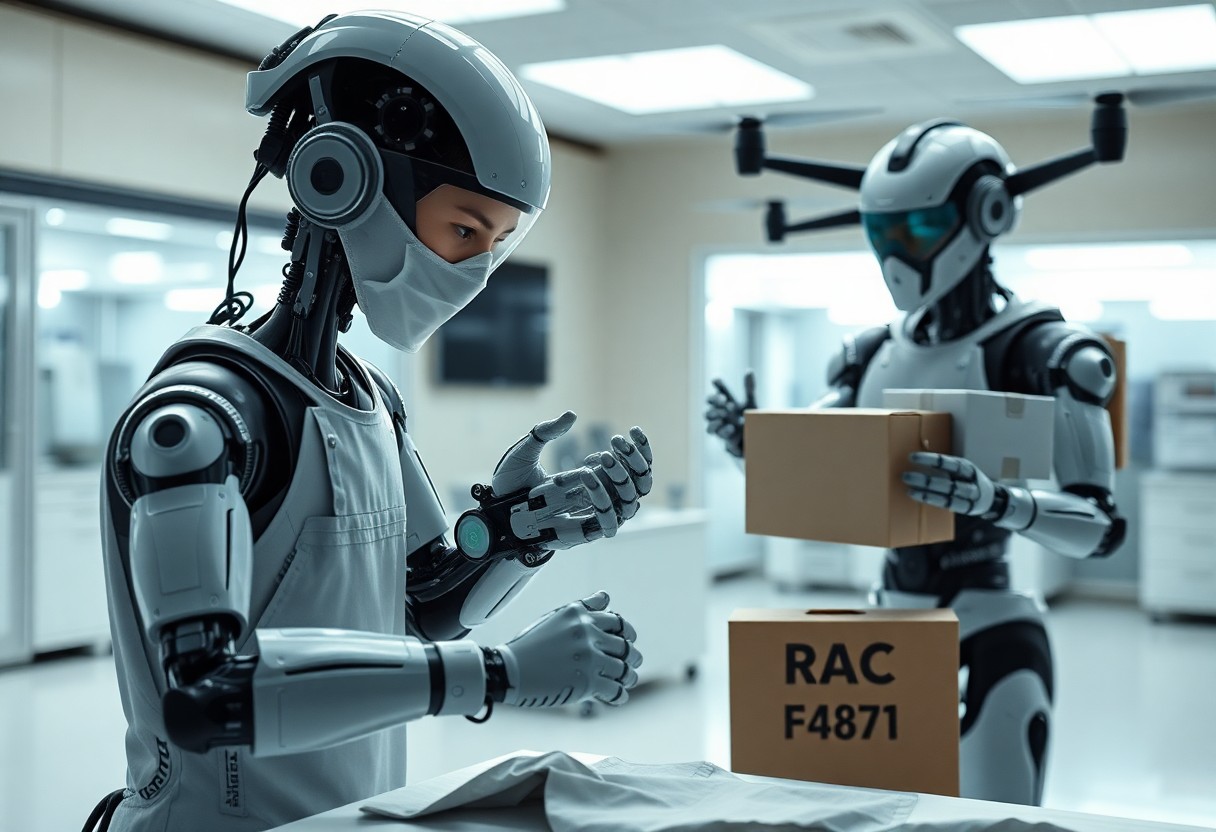
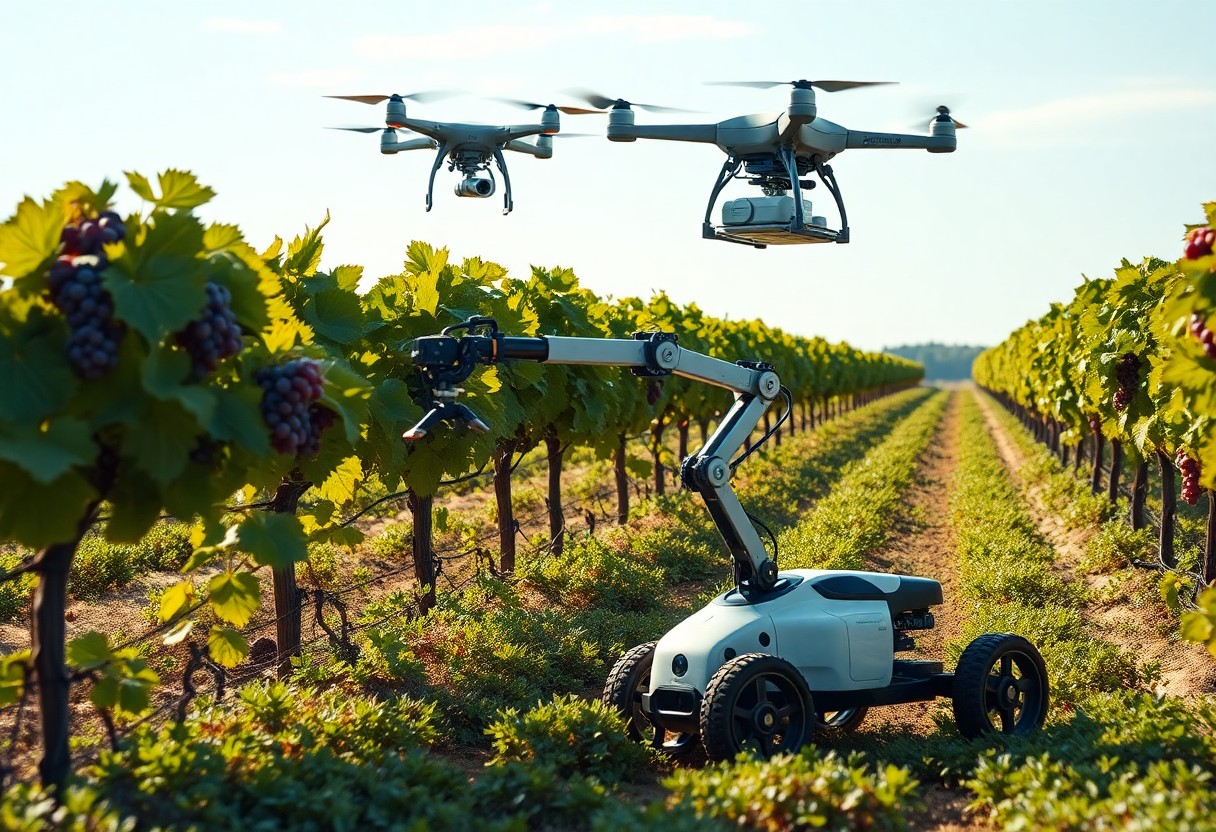
Robotics technology is transforming how you interact with machines, particularly through the advancements in soft robotics. These innovations emphasize flexibility and adaptability, enabling robots to work alongside you in safer and more intuitive ways. By mimicking natural movements and behaviors, soft robots significantly reduce the risk of injury during human-robot interactions. As these breakthroughs continue to evolve, you can expect enhanced collaborations in various industries, from healthcare to manufacturing, ultimately improving your daily experiences with automation.
Overview of Soft Robotics
Soft robotics integrates compliant materials, allowing robots to interact safely and effectively with humans and delicate objects. This field blends mechanical engineering, materials science, and computer science to create adaptable systems. You’ve likely seen soft robotics in applications like prosthetics, surgical devices, and assistive technologies, where their flexibility contributes significantly to improved human experience and safety.
Definition and Key Concepts
Soft robotics refers to robots made from highly flexible materials that can deform, adapt to different environments, and gently interact with humans and objects. Key concepts include soft actuators, sensors, and control systems, which work together to create machines that mimic natural movement. This design philosophy prioritizes safety, making interactions less hazardous and more intuitive.
Historical Development
The origins of soft robotics can be traced back to the late 20th century when researchers began experimenting with materials that allowed for greater flexibility and adaptability in robotic designs. Early work primarily focused on biomimicry and inspired by natural organisms, leading to innovations in soft actuators and control mechanisms.
By the early 2000s, soft robotics gained traction within both academic and industrial circles. Pioneering projects at institutions such as Harvard’s Wyss Institute showcased soft grippers and robotic limbs that could handle fragile items without damage. In 2014, the term “soft robotics” was officially coined, marking a pivotal moment in its recognition as a distinct field. Rapid advancements followed, fueled by breakthroughs in materials like silicones and hydrogels, alongside improved actuators and sensors. This evolution has not only expanded research applications but has also ushered in commercial products, making soft robotics increasingly prevalent in various sectors. You may encounter these innovations in healthcare, where soft robotic devices enhance surgical precision or assistive technologies that support individuals with disabilities.
Recent Breakthroughs in Soft Robotics
Recent advancements in soft robotics have led to remarkable applications that enhance human-robot interaction. Researchers are more effectively mimicking biological systems, allowing robots not only to perform tasks but also to interact safely with humans. Enhanced sensing capabilities and programming algorithms are steering innovations that promote collaborative environments in various sectors, from healthcare to manufacturing.
Innovations in Materials
New materials, such as silicone elastomers and hydrogels, are being developed to create soft robots that possess increased flexibility and durability. These innovations allow for the production of lightweight structures that can adapt to varying tasks and environments, making your robotic counterparts more efficient and versatile than ever before. Biocompatible materials also ensure safety during interactions, especially in medical settings.
Advances in Actuation Mechanisms
Innovations in actuation mechanisms enhance your soft robot’s ability to respond to diverse stimuli with precision. By incorporating shape-memory alloys, pneumatic actuators, and smart materials, these robots can achieve complex movements with agility. This versatility has profound implications, enabling real-time adaptability in dynamic environments and facilitating safer cooperation with humans in various applications.
Recent advancements in actuation mechanisms focus on using soft actuators that mimic human-like movement, thus improving the fluidity and safety of interactions. These innovations allow soft robots to exhibit variable stiffness and compliance, catering to the softness of their environment or the delicacy of tasks. For example, pneumatic soft actuators can contract or expand based on air pressure, giving you control over the robot’s movements while minimizing the risk of injury during collaboration. Researchers are also exploring electroactive polymers, which expand and contract when stimulated by an electric field, further enhancing responsiveness in real-time. These developments not only improve performance but ensure robots operate safely alongside you in unpredictable situations.
Enhancements in Safety for Human Interaction
Advancements in soft robotics are significantly improving safety measures in human-robot interactions. Soft robots are designed to be compliant, reducing the risk of injury during physical interactions. These enhancements allow robots to engage more naturally and safely with humans, fostering trust and collaboration in various settings, including healthcare and manufacturing.
Design Principles for Safety
To prioritize safety, soft robots are built with specific design principles, including rounded edges, soft materials, and adaptive control systems. These elements mitigate the impact forces during contact with humans, allowing for smoother interactions. Additionally, perception systems help the robots detect human presence and adjust their behavior accordingly, enhancing overall safety during collaborative tasks.
Case Studies in Human-Robot Interaction
Numerous case studies highlight the effectiveness of soft robotics in enhancing human-robot interaction safety. For instance, trials in healthcare settings show a significant reduction in injury rates when using soft robotic assistants in rehabilitation. Data indicates a 70% decrease in accidents compared to rigid robots, showcasing the advantages of soft design for human contact.
- Healthcare: Soft robotic exoskeletons reduce injury rates by 70% during patient rehabilitation.
- Manufacturing: Collaborative robots with soft interfaces led to a 50% reduction in accidents on the assembly line.
- Education: Soft robotic tutors increased student engagement by 60%, while ensuring safe interaction during learning activities.
- Service Robots: Hospitality robots incorporating soft designs achieved a 90% satisfaction rate while maintaining safe service protocols.
The application of soft robotics in real-world scenarios demonstrates a shift towards safer interactions, with significant metrics supporting their effectiveness. In healthcare, soft robotic systems in physical therapy not only reduced injury but also saw 80% of patients report improved emotional comfort. In education, soft tutors were crucial in creating a safe learning environment, enhancing both engagement and interaction quality. Such case studies underscore the transformative impact of soft robotic technology across various domains.
Applications in Various Industries
Healthcare
Your engagement with soft robotics in healthcare opens up possibilities for safer patient interactions. For example, soft robotic arms are designed to assist in surgeries, minimizing the risk of tissue damage. These innovations not only enhance precision but also promote patient comfort, leading to improved recovery outcomes. The integration of these technologies can reshape the standards of care you expect in medical settings.
Manufacturing and Service Sectors
In manufacturing and service sectors, the adoption of soft robotics significantly improves efficiency while ensuring worker safety. These robots can handle delicate tasks such as assembling components without risking injury to themselves or human colleagues. Their flexible design allows for a range of applications, from quality control to logistics, making your operations both adaptive and reliable.
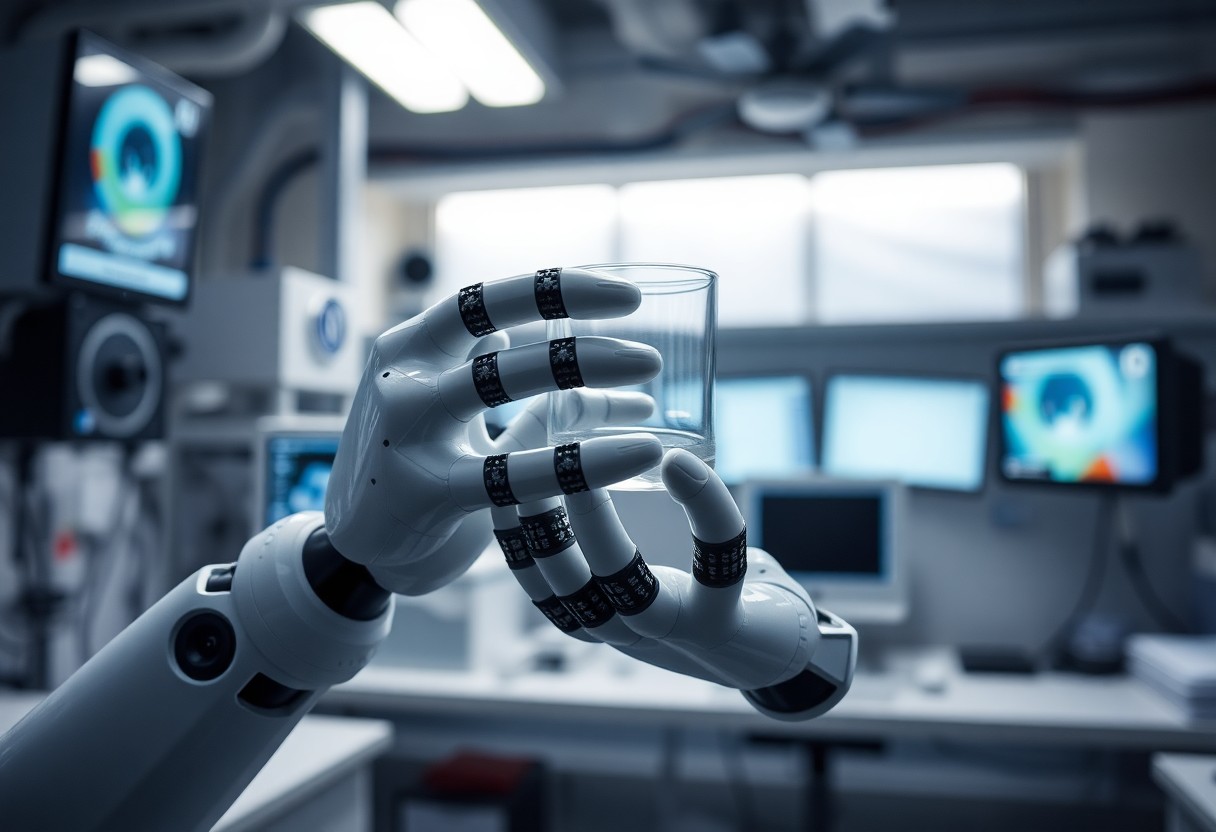
As these sectors continue to embrace soft robotics, the potential for operational transformation increases. Studies show that incorporating these robots can lead to a 30% reduction in workplace injuries, benefiting your workforce while maintaining productivity. For instance, a soft robotic arm for safer human interactions can tackle repetitive tasks, allowing human workers to focus on more complex responsibilities. This shift not only elevates safety standards but also fosters a more innovative and responsive work environment. You can explore more on the impact of soft robotic arms in various sectors in this post.
Challenges and Limitations
Soft robotics, while transformative, faces several challenges and limitations that hinder widespread adoption. Issues related to material durability, control systems, and integration with existing technologies pose significant obstacles. Moreover, the cost of development and production can be prohibitive for smaller enterprises. These barriers are critical to address for the future success of the industry, as highlighted in Soft Robotics: The Future of Flexible and Adaptive Machines.
Technical and Design Challenges
You will encounter various technical and design challenges while developing soft robots. Achieving the right balance between flexibility and strength is imperative for functionality and durability. Additionally, creating control algorithms that can handle the complexities of soft structures requires innovative approaches and considerable research. Material limitations, such as fatigue resistance and environmental adaptability, complicate the design process, demanding ongoing experimentation and refinement.
Ethical Considerations
Ethics play a vital role in the acceptance and deployment of soft robotics. Developers must consider the implications of robotic interactions in sensitive environments, such as healthcare, where human trust is paramount. Ensuring safety, privacy, and emotional well-being for users will dictate the technologies you advocate for and implement.
Ultimately, ethical considerations extend beyond mere safety. They encompass accountability for robotic actions and their potential impacts on employment and social dynamics. As soft robots increasingly integrate into everyday life, your commitment to ethical standards fosters public trust and can guide regulations that govern their use. Engaging stakeholders, including users and industry experts, will be imperative in shaping a responsibly advancing landscape for soft robotics.
Future Directions and Research Trends
Your exploration of soft robotics reveals promising future directions, including advancements in haptic feedback technology and the integration of machine learning algorithms. These innovations will enhance the ability of soft robots to adapt in real-time during human interaction, leading to safer and more efficient collaboration in various settings-from healthcare to industrial applications.
Emerging Technologies
New materials like liquid crystal elastomers and biodegradable composites are paving the way for advanced soft robotics. These materials offer not only flexibility and adaptability but also environmentally friendly options that can reduce ecological footprints, enabling applications that were previously unfeasible in industry and medicine.
Collaborative Robotics
Collaborative robotics is revolutionizing how humans and machines interact in shared workspaces. By combining soft robotics with AI-driven control systems, these robots can safely operate alongside humans, anticipating their movements and adjusting accordingly. This synergy enhances productivity while minimizing the risk of injury.
As industries increasingly adopt collaborative robotics, you might be intrigued by case studies like the implementation of soft robotic arms in assembly lines, which demonstrate a remarkable 30% efficiency increase while lowering the incidence of accidents. These robots employ advanced sensors to gauge human proximity and adjust their actions seamlessly. Companies are also exploring the integration of collaborative robots in caregiving, where they assist the elderly or disabled, providing support while recognizing when to activate safety protocols. Continuous research in this domain promises further innovations, including robots that can learn from their environments and adapt their behaviors for improved human-robot interaction.