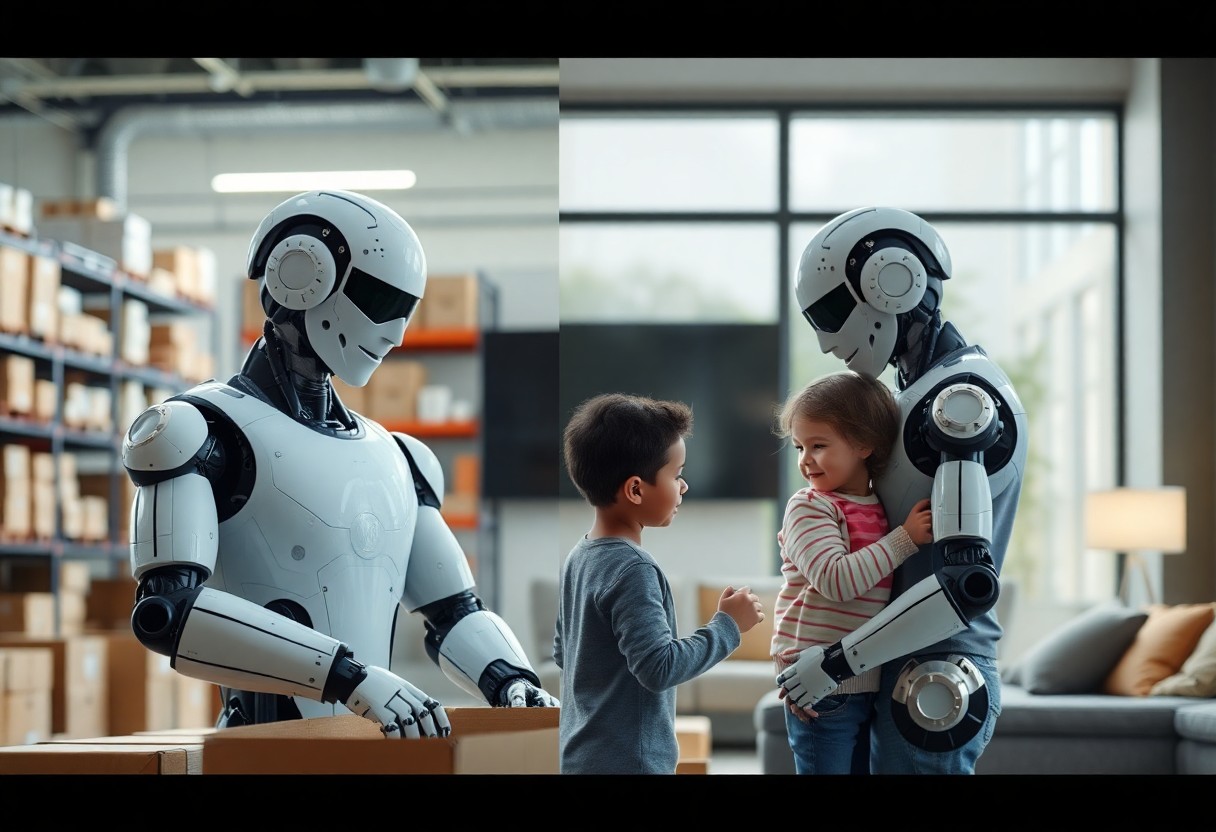
With advancements in technology, you are witnessing the integration of humanoid robotics into everyday environments, transforming both industrial and domestic landscapes. These sophisticated robots are not only enhancing efficiency in warehouses but are now also tailored to assist you in your home life. As these innovations continue to evolve, understanding their applications and potential impact on your daily routine becomes crucial.
Overview of Humanoid Robotics
Humanoid robotics is rapidly transforming industries and daily life. These robots are designed to mimic human appearance and behavior, making them increasingly effective in myriad tasks from service to companionship. As you explore this evolution, you’ll see how they bridge gaps between human and machine efficiency, enhancing various sectors by executing complex functions previously thought exclusive to human capability.
Definition and Key Features
Humanoid robots are machines built to resemble human beings in both form and function. They are equipped with various features that enable them to interact with the world similarly to humans.
- Bipedal movement for natural mobility
- Advanced sensors for environmental interaction
- Artificial intelligence for adaptive learning
- Human-like communication abilities, including speech and gestures
- Robust mechanical structure for multitasking
Recognizing these features allows you to appreciate their role in diverse applications, from healthcare to entertainment.
Historical Development
The development of humanoid robotics dates back to ancient myths and machines, gradually progressing through key inventions in the 20th century. Early endeavors, like the automata of the 1700s, sparked interest in creating machines that mimicked human actions. After the 1950s, advancements in electronics and computing began to catalyze more sophisticated designs. By the 2000s, robots like ASIMO and storage units paved the way for practical applications in various sectors, leading us to the modern humanoid robots in everyday situations.
In the 1960s, Shakey the Robot marked a significant milestone, being the first mobile robot capable of reasoning about its actions. Subsequent innovations in robotic mechanics and artificial intelligence have led to breakthroughs in humanoid capabilities. In the early 2000s, Honda’s ASIMO demonstrated advanced mobility and interaction. Today, robots integrate machine learning and AI to learn from experiences, becoming more proficient in their tasks. This evolution reflects your growing reliance on humanoid robots, shaping workplaces and living environments while pushing boundaries toward more advanced, interactive systems.
Applications in Warehouses
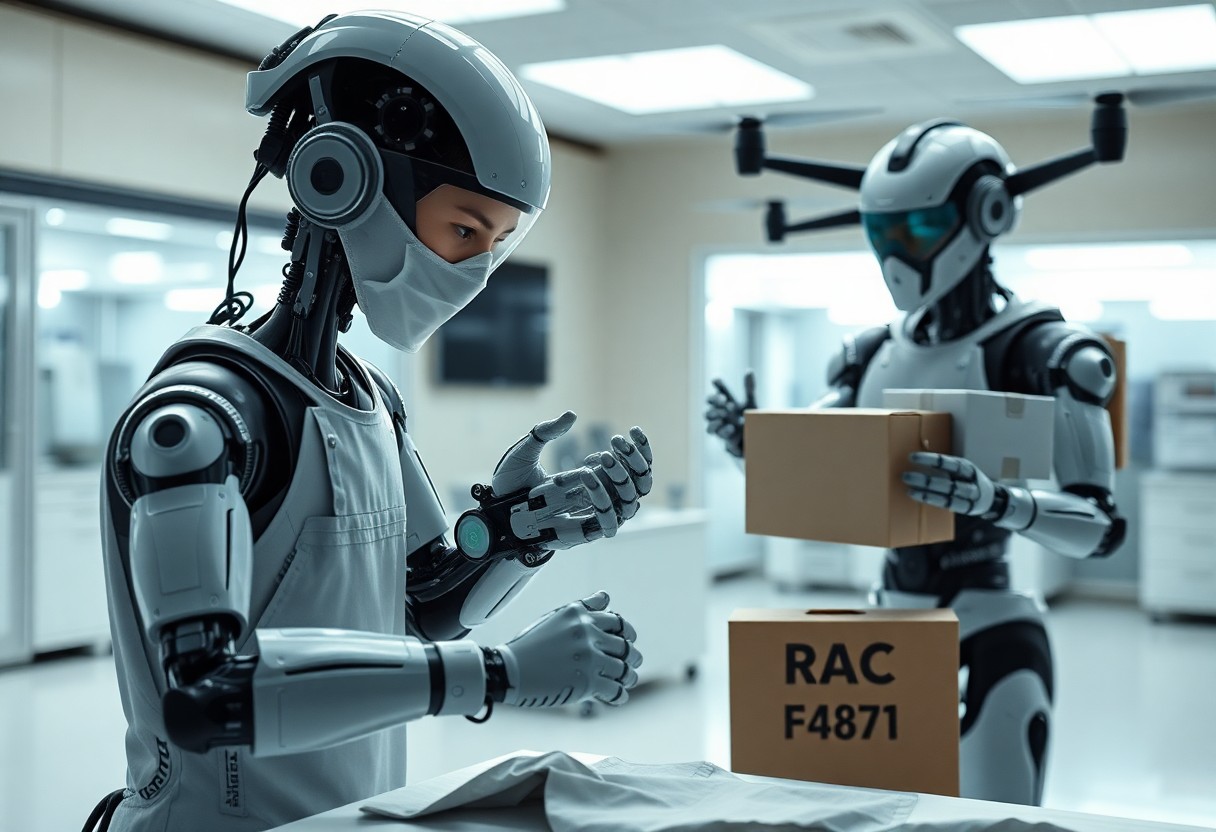
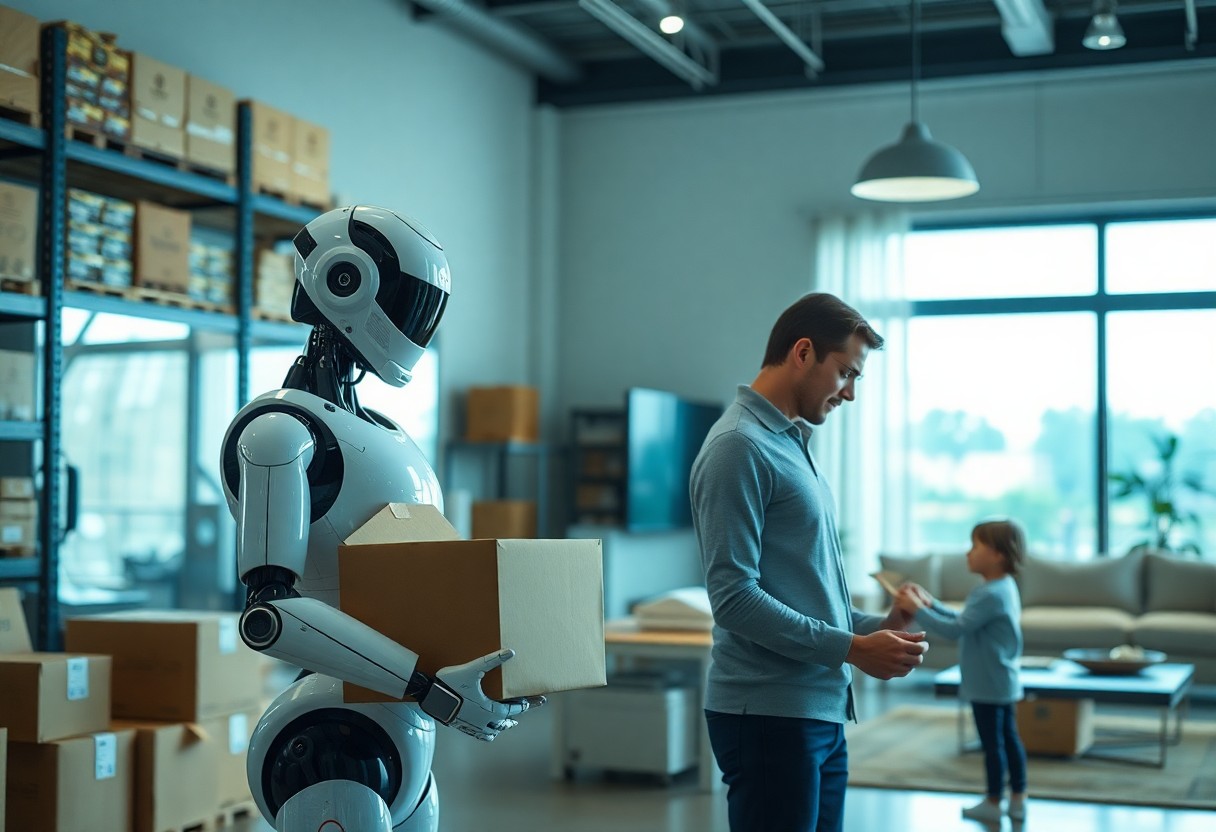
In warehouses, humanoid robots are streamlining operations, enhancing both productivity and efficiency. These advanced machines are capable of performing a variety of tasks, such as picking, packing, and shipping orders, enabling human workers to focus on more complex tasks. You can see their impact in large distribution centers where they work alongside humans, optimizing workflows and reducing operational bottlenecks.
Automation of Logistic Operations
By automating logistic operations, humanoid robots decrease the time spent on tedious tasks. For instance, with capabilities to navigate through aisles, scan barcodes, and sort items, these robots accelerate inventory management. You benefit directly as your warehouse becomes more agile, able to handle increased volumes without compromising on accuracy or speed.
Impact on Efficiency and Safety
Integrating humanoid robots into warehouses significantly boosts efficiency and enhances safety. With robots managing repetitive and hazardous tasks, the risk of workplace injuries diminishes. Consequently, your operational costs may decrease as productivity rises, permitting your business to scale without sacrificing worker health.
Warehouse robots can dramatically alter the safety landscape of your operations. For example, companies have reported a 50% reduction in workplace injuries after introducing humanoid robots. These robots carry heavy loads, reducing physical strain on human workers. Moreover, they can function in environments hazardous to humans, such as extreme temperatures or areas with increased risks of accidents. As a result, you not only create a safer workplace but also improve morale, leading to a more motivated and effective workforce. Adopting this technology enables you to build a more resilient operational framework, increasing overall output while protecting valuable human resources.
Integration into Home Environments
As humanoid robotics transitions into everyday life, integration into home environments becomes necessary. These robots can serve various purposes, from household chores to companionship. Technologies showcased in Humanoid Robots: From the Warehouse to Your House illustrate how these innovations can enhance your living space.
Smart Home Assistance
Smart home assistants equipped with humanoid robotics streamline your daily routines. Imagine a robot that manages your smart devices, prepares meals, or even reminds you of appointments. With voice recognition and machine learning capabilities, these robots can learn your preferences, ensuring more personalized and efficient interactions.
Enhancing Daily Life for Individuals
Humanoid robots enhance daily life by providing tailored support for various needs. Whether with mobility assistance, health monitoring, or companionship, these robots adapt to your lifestyle. Innovations in this sector have led to robots capable of performing tasks like fetching items, delivering medications, or simply engaging in conversation, making everyday activities smoother and more enjoyable.
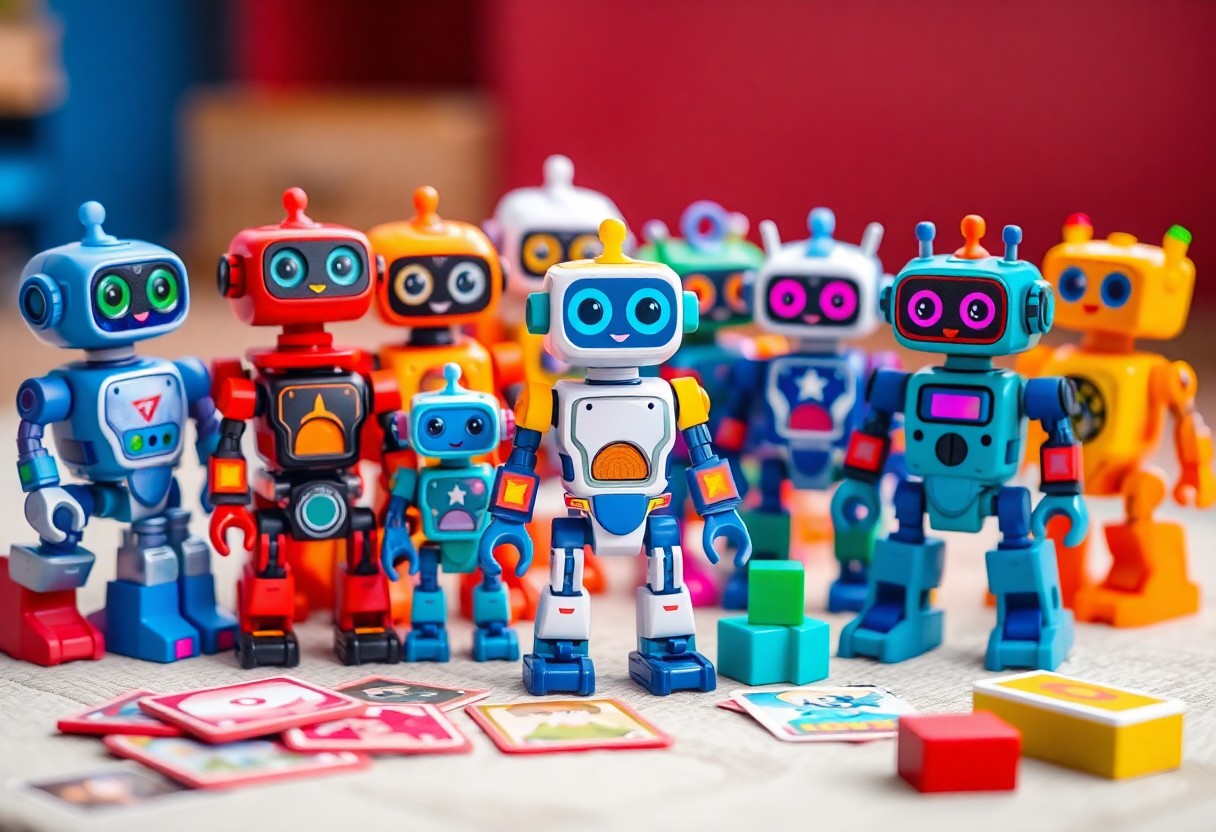
The impact of humanoid robots on individual lifestyles is tangible, particularly for those requiring extra assistance. For example, a robot designed for elderly care can navigate home environments, helping users maintain independence while ensuring safety. Furthermore, features such as customizable routines and social engagement tools empower you to stay connected with loved ones, improving overall well-being. In families with children, these robots can also serve educational purposes, teaching kids about technology and STEM concepts in an interactive manner, thus enriching daily experiences.
Challenges and Limitations
As humanoid robotics advances, several challenges and limitations surface, hindering widespread adoption. These include technical barriers, ethical considerations, and societal impacts that create hesitance among industries and consumers alike. Overcoming these hurdles is vital for realizing the full potential of humanoid robots in everyday environments.
Technical Barriers
You face numerous technical obstacles in deploying humanoid robots effectively, such as limited battery life, complex navigation in dynamic environments, and the need for sophisticated AI to interpret human behavior accurately. For instance, existing robots often struggle with tasks requiring fine motor skills or adaptable decision-making, which restricts their roles in many applications.
Ethical Considerations
The integration of humanoid robots into daily life raises significant ethical questions regarding privacy, job security, and the implications of human-robot interactions. Your concerns might include the potential for displacement of human workers and the need for regulations to govern robot behavior around vulnerable populations.
Addressing ethical considerations involves navigating a complex landscape where job displacement and privacy risk intertwine. For example, as robots take on roles in customer service, they may inadvertently collect personal data, raising concerns about surveillance and consent. You may also ponder the emotional impact on individuals who interact closely with humanoid robots, particularly in caregiving or companionship roles. Establishing clear guidelines and fostering public discourse are necessary steps toward integrating these technologies responsibly and ethically into society.
Future Trends in Humanoid Robotics
You are entering an exciting phase where humanoid robotics is poised to evolve dramatically. Innovations in artificial intelligence, sensor technology, and machine learning are set to refine the capabilities of humanoid robots. Expect advancements in emotional intelligence and adaptability, allowing robots to understand and respond to human cues more effectively, enhancing their role in both professional and personal settings.
Innovations on the Horizon
Emerging technologies promise to revolutionize humanoid robotics. You can anticipate breakthroughs in soft robotics, improving safety in interactions with humans and enabling robots to perform delicate tasks. Additionally, advancements in battery technology will extend operational time, while enhanced AI systems will enable more intuitive and context-aware behaviors, facilitating smoother integration into various environments.
Predictions for Market Growth
The humanoid robotics market is projected to grow significantly, with estimates reaching $30 billion by 2025. This growth is fueled by increasing investments in automation and demand for intelligent machines in healthcare, service, and entertainment sectors. Major players are continuously expanding their portfolios, indicating a robust upward trajectory driven by innovation and consumer demand.
The market growth prediction reflects a compound annual growth rate (CAGR) of over 25% in the coming years. This surge is expected as industries increasingly adopt humanoid robots for diverse applications, including elder care, hospitality, and retail. As organizations seek to enhance efficiency and reduce costs, your engagement with humanoid robotics will likely deepen, aligning with advancements in technology and consumer expectations for interactive, intelligent solutions. This creates a fertile environment for startups and established companies to innovate, invest, and capture market share in this dynamic landscape.
Summing up
Taking this into account, the integration of humanoid robotics into various sectors, from warehouses to your home, signifies a transformative leap in technology. These robots enhance efficiency and convenience, reshaping how you interact with everyday tasks. As they become more prevalent in both industrial and personal spheres, you are positioned to reap the benefits of improved productivity and assistance, paving the way towards a more automated future. Embracing this evolution in robotics not only elevates your standard of living but also prepares you for a society increasingly defined by intelligent machines.