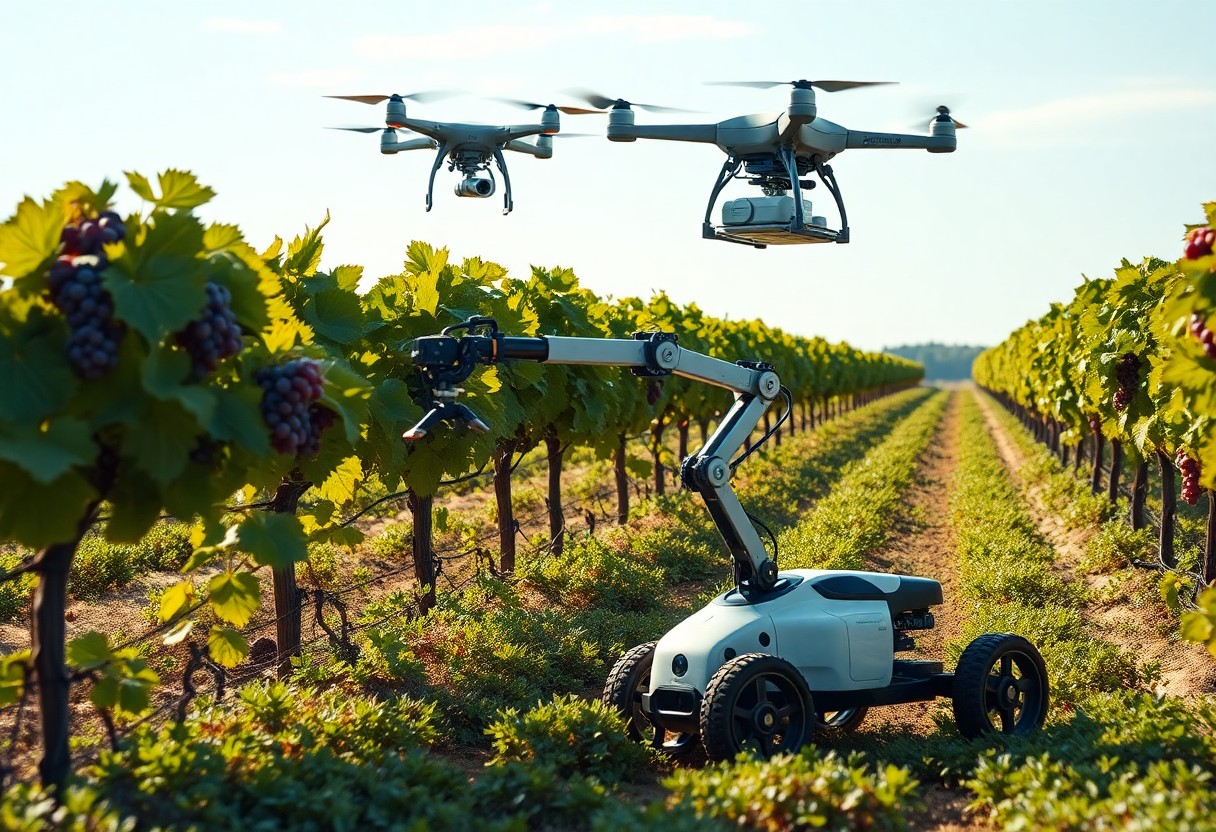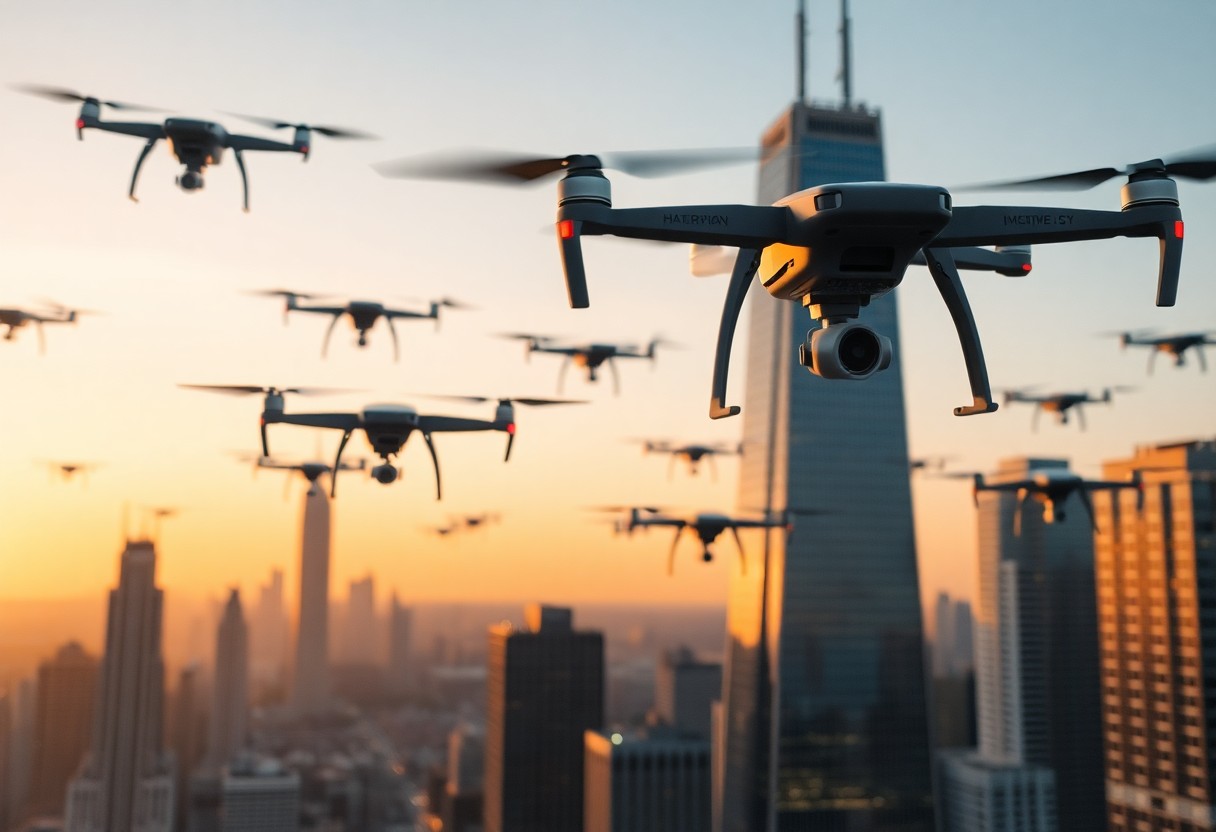
With the rapid advancement of technology, you are witnessing a significant transformation in various industries through the use of drones and unmanned aerial robots. These innovative devices are revolutionizing fields such as agriculture, logistics, and surveillance by providing efficient solutions for tasks that were previously time-consuming or difficult. As you explore this topic, you’ll discover how these tools enhance productivity, improve safety, and create new opportunities for growth across multiple sectors.
Historical Overview of Drones
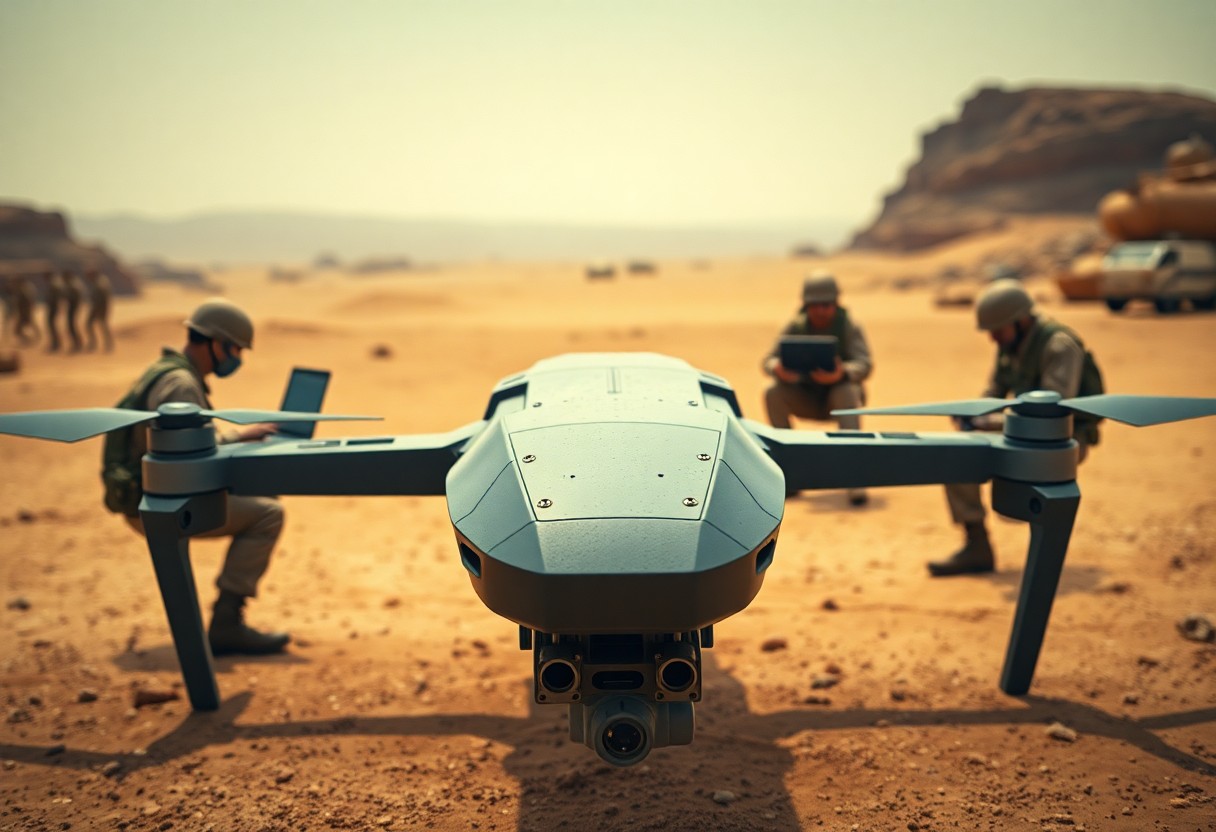
The journey of drones traces back to the early 20th century, with initial developments often tied to military applications. The first recorded use involved tethered aerial vehicles used for target practice during World War I. This foundation set the stage for advancements that would evolve over decades, leading to more complex unmanned aerial systems (UAS) used in various sectors today.
Early Development and Military Use
Your understanding of drones begins with their military inception, notably during World War I, when the Kettering Bug emerged as the first aerial torpedo. Advancements continued with the development of radio-controlled drones in World War II, exemplified by the Radioplane OQ-2, designed for training and reconnaissance, marking the beginning of a significant reliance on unmanned systems in combat scenarios.
Evolution into Civilian Applications
The transition from military to civilian use of drones gained momentum post-1990s, primarily driven by technological advancements. Applications expanded into agriculture, monitoring crop health and optimizing yields; search and rescue missions offered efficiency in locating missing persons; and entertainment developed through aerial photography, with platforms like DJI revolutionizing how you capture life’s moments from the air.
This evolution illustrates how drones have reshaped various industries. In agriculture, for example, drones equipped with multispectral cameras can assess crop health from above, enabling farmers to identify issues early and apply targeted treatments. In search and rescue, drones significantly reduce response times, with live video feeds assisting teams in locating victims in hard-to-reach areas. Furthermore, aerial photography and videography have become accessible to enthusiasts and professionals alike, heralding a new era of creativity and innovation in visual storytelling. The versatility of drones is evident in these applications, proving their value beyond military origins.
Types of Drones and Their Functions
Drones come in various types, each designed for specific tasks. Understanding these categories and functionalities can guide you toward selecting the right drone for your needs.
- Fixed-Wing Drones
- Multi-Rotor Drones
- Single-Rotor Drones
- Hybrid Drones
- Nano Drones
This variety allows for diverse applications, from agriculture to surveillance, such as those detailed in Drones and Robots – Street Level Surveillance.
| Type | Function |
| Fixed-Wing Drones | Long-distance flight, efficient in large areas |
| Multi-Rotor Drones | Vertical takeoff, hovering capabilities |
| Single-Rotor Drones | Higher payload capacity, similar to helicopters |
| Hybrid Drones | Combines features of fixed-wing and multi-rotor |
| Nano Drones | Small-scale, indoor use, easy to maneuver |
Fixed-Wing Drones
Fixed-wing drones resemble traditional aircraft and are designed for long-duration flights. Their aerodynamic structure allows them to cover significant distances efficiently, making them ideal for tasks like environmental monitoring or agricultural assessments.
Multi-Rotor Drones
Multi-rotor drones are characterized by their multiple rotating blades, which provide the ability to hover and perform complex maneuvers. They are highly versatile and widely used in photography, surveying, and inspections due to their ease of use and stability.
Multi-rotor drones can vary significantly in size and capability, from compact models used for recreational flying to advanced systems employed in commercial applications. Their ability to carry various payloads makes them suitable for tasks ranging from delivering packages to surveying construction sites. With advancements in technology, multi-rotor drones now feature enhanced battery life and upgraded sensors, further expanding their functionality and scope in different industries.
Applications of Drones
Drones have a wide range of applications across various industries, enhancing efficiency and providing innovative solutions. From capturing stunning visuals to monitoring crops, their versatility is undeniable. As technology advances, the potential uses of unmanned aerial vehicles continue to grow, impacting fields such as photography, agriculture, logistics, and beyond.
Aerial Photography and Filmmaking
Aerial photography and filmmaking benefit immensely from drones, allowing you to capture breathtaking views and unique angles that were once challenging and costly to achieve. With high-resolution cameras, these drones enable filmmakers and photographers to produce stunning visuals, whether for movies, documentaries, or real estate marketing. You can now tell a story from the sky, offering audiences an immersive perspective.
Agriculture and Environmental Monitoring
Drones play a significant role in modern agriculture and environmental monitoring, providing you with a new tool for crop management and sustainability efforts. By utilizing multispectral sensors, drones help assess plant health, optimize irrigation, and identify pest infestations, ultimately boosting yields and reducing waste.
Delivery Services and Logistics
Regulatory Framework and Safety Considerations
Understanding the regulatory landscape is crucial for anyone operating drones. This framework varies by country and includes licensing, flight permissions, and operational restrictions to ensure both safety and compliance. Adhering to these regulations not only enhances operational efficiency but also helps in building public trust in drone technology.
Global Drone Regulations
Global drone regulations differ significantly from one country to another, reflecting diverse airspace management systems and safety priorities. For example, the Federal Aviation Administration (FAA) in the United States mandates that all commercial drone operators obtain a Remote Pilot Certificate, while the European Union has instituted a unified regulatory framework requiring operator registration and adherence to specific categories of drone use.
Safety Protocols and Best Practices
Implementing safety protocols and best practices plays a significant role in mitigating risks associated with drone operations. You should always carry out pre-flight checks, maintain visual line-of-sight (VLOS) during operations, and avoid flying near airports or populated areas. Adopting these guidelines not only protects your drone but also ensures the safety of bystanders.
Safety protocols encompass a range of practices beyond just checklists. Regular maintenance of drones is vital, including software updates and battery checks to prevent malfunctions. Utilizing geo-fencing technology can further enhance safety by preventing flights in restricted zones. Training for operators should include simulations of emergency situations, enabling you to respond effectively to unexpected problems. By prioritizing these elements, you solidify a culture of safety that benefits all stakeholders in the drone ecosystem.
Future Trends in Drone Technology
As drone technology evolves, you can expect significant advancements that will reshape various industries. Innovations will focus on increased payload capacities, longer flight times, and enhanced safety features. Real-time data processing and improved communication systems are likely to enable more complex operations, paving the way for broader regulatory acceptance and integration into everyday life.
Advancements in AI and Autonomy
Artificial intelligence is set to revolutionize drone capabilities, enabling autonomous operations in complex environments. You will find drones equipped with advanced algorithms that allow for obstacle detection, route optimization, and decision-making, minimizing the need for human intervention while increasing efficiency and safety in mission execution.
Integration with Other Technologies
The future of drone technology lies heavily in its integration with other technological advancements. You’ll witness drones seamlessly working alongside IoT devices, smart city infrastructure, and data analytics platforms to create a unified, intelligent network capable of unprecedented real-time responses and data collection.
This integration includes utilizing drones to enhance data collection for smart cities, where they can interact with real-time traffic and environmental sensors. For instance, drones could assist in monitoring air quality while leveraging connectivity with IoT sensors to adjust urban infrastructure accordingly. Additionally, the compatibility of drones with 5G technology will enable higher bandwidth for faster data transmission, allowing for lower latency in communications and automation tasks. This interconnected approach will create synergies that streamline operations across various sectors, from agriculture to logistics, ensuring you reap the benefits of efficiency and innovation.
Ethical Implications and Public Perception
The rapid advancement of drones and unmanned aerial robots raises significant ethical questions and shapes public opinion. As these technologies become more prevalent, societal concerns regarding safety, accountability, and the balance between innovation and regulation come to the forefront. Your perspective on their use often hinges on experiences and narratives that impact trust in these emerging capabilities.
Privacy Concerns
Privacy issues arise prominently with drone usage, as they have the potential to intrude into personal spaces without consent. Continuous surveillance capabilities can lead to unauthorized data collection, making you uneasy about how your information is handled and who has access to it. As drones are equipped with high-definition cameras and advanced sensors, public awareness and regulatory frameworks must evolve alongside them.
Impact on Employment and Industry
Automation via drones significantly disrupts traditional job markets, creating both opportunities and challenges. While your industry might see efficiency gains, the displacement of certain jobs can stir anxiety about job security and the future workforce landscape.
The impact of drones on employment manifests differently across sectors. In agriculture, for instance, drone technology enhances crop monitoring and management, potentially reducing the need for manual labor but also creating positions focused on drone operation and data analysis. Transportation and delivery services are experiencing a similar shift, as companies seek efficiencies through unmanned systems. Yet, industries reliant on human labor, like traditional delivery roles, may face job losses. Preparing for this transformation includes reskilling initiatives that align your workforce with emerging demands, emphasizing a collaborative future between humans and drones.
Final Words
Summing up, you can see how drones and unmanned aerial robots are transforming various sectors, from agriculture to emergency response. Their ability to gather data, perform precise tasks, and enhance safety provides significant advantages in modern operations. As you explore their applications, you’ll find opportunities to leverage these technologies for increased efficiency in your endeavors. Staying informed about regulations and innovations will further enable you to harness the full potential of these aerial advancements.