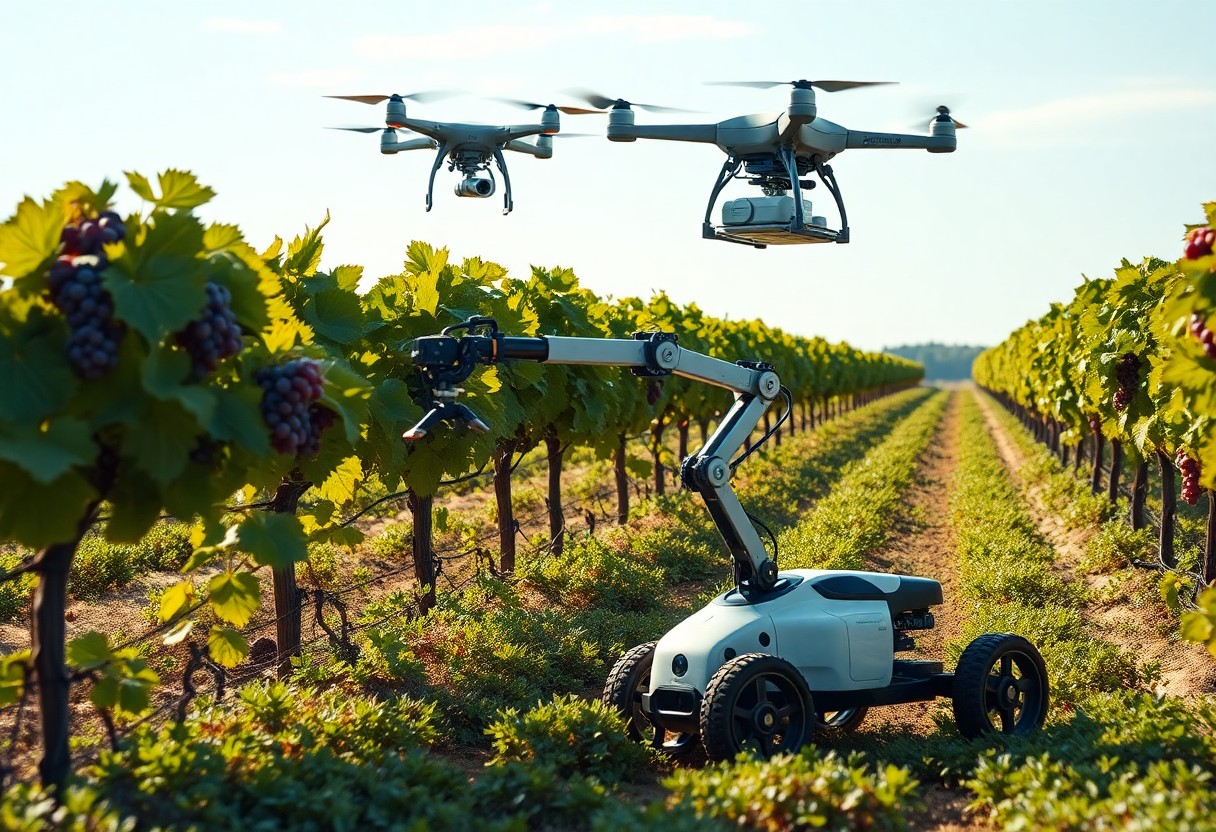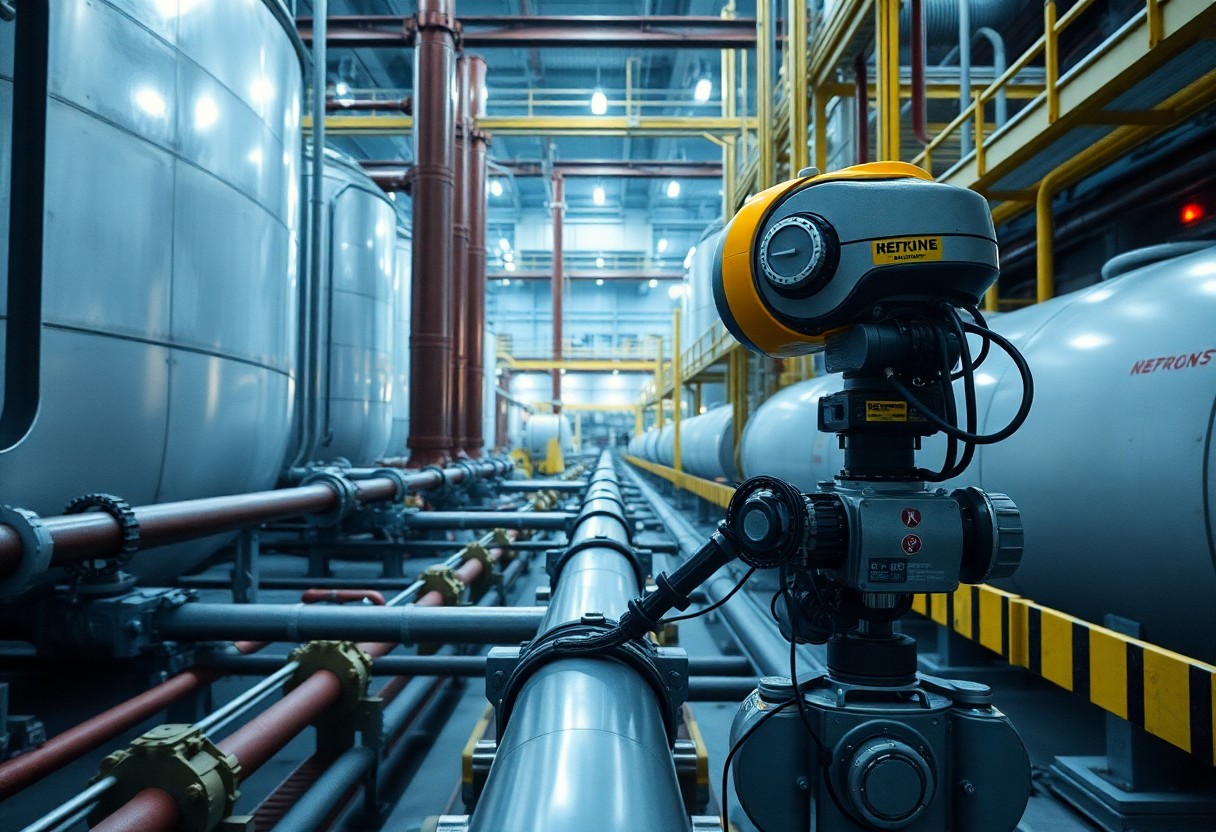
Robots are revolutionizing how you approach the maintenance and inspection of critical infrastructure. These advanced machines offer unparalleled efficiency and accuracy, minimizing human risk while ensuring assets remain safe and functional. As you navigate the demands of infrastructure management, employing autonomous inspection robots can enhance operational effectiveness, streamline processes, and reduce long-term costs. The future of infrastructure inspection is here, challenging traditional methods and empowering you to utilize cutting-edge technology for better results.
Overview of Autonomous Inspection Robots
Autonomous inspection robots are increasingly integral to monitoring and maintaining critical infrastructure. These advanced machines utilize cutting-edge technology to carry out inspections with precision, reliability, and efficiency. By minimizing human error and enhancing data collection, they facilitate proactive maintenance strategies that can significantly reduce operational costs and downtime.
Definition and Functionality
Autonomous inspection robots are defined as self-operating devices that perform scheduled inspections and data collection without direct human intervention. Functionality encompasses leveraging sensors, cameras, and artificial intelligence to navigate various environments, assess infrastructure conditions, and report findings in real-time, ensuring comprehensive analysis and accelerated decision-making.
Types of Autonomous Inspection Robots
Various types of autonomous inspection robots are designed to address specific inspection needs across different sectors. Each type is engineered for unique operational environments, whether it’s underwater, aerial, or ground-based, showcasing versatility and adaptability. The following table categorizes key types based on their applications:
| Type | Application |
| UAVs (Drones) | Aerial inspections for power lines and wind turbines |
| RUVs (Remote Underwater Vehicles) | Marine infrastructure and oil pipeline inspections |
| Ground Robots | Facility and structural assessments |
| Inspection Robots | Railway and track condition monitoring |
| Hybrid Robots | Multi-environment inspections |
- Assume that understanding the types allows you to select the most suitable robot for your specific inspection tasks.
Understanding the array of autonomous inspection robots helps tailor your inspection strategy effectively. UAVs are popular for aerial surveys, providing high-resolution imagery and data analytics, while RUVs excel in underwater conditions. Ground robots are reliable for assessing structural integrity, particularly in challenging environments. Hybrid robots combine multiple functionalities, allowing inspections across various settings without the need for different equipment. The next table highlights additional features for each robot type:
| Robot Type | Key Feature |
| UAVs | Real-time data capture |
| RUVs | High-pressure resistance |
| Ground Robots | Obstruction navigation |
| Inspection Robots | Multi-sensor integration |
| Hybrid Robots | Environment adaptability |
- Assume that by leveraging these features, you can enhance your operational efficiency and safety during inspections.
Benefits in Critical Infrastructure
Autonomous inspection robots offer significant advantages in critical infrastructure, including improved reliability and operational efficiency. These robotic systems can monitor facilities around the clock, detect anomalies, and provide real-time data analysis. By leveraging Autonomous Security Robots for critical Infrastructure, organizations enhance their surveillance capabilities while ensuring comprehensive coverage without the constraints of human labor.
Enhanced Safety and Risk Reduction
Employing autonomous robots in infrastructure inspection drastically reduces risks for personnel. You minimize human exposure to hazardous environments, such as high-voltage areas or unstable structures. These robots operate in situations that would be perilous for humans, effectively increasing overall safety and allowing your workforce to focus on more strategic tasks.
Cost Efficiency and Time Savings
Integrating autonomous robots streamlines inspection processes, leading to significant cost reductions and time savings. You can deploy these robots for routine maintenance checks, which accelerates response times to potential issues. Facilities can reduce labor costs significantly, as fewer personnel are required for inspections, and the increased operational efficiency translates to less downtime.
For example, a large energy facility that deployed inspection drones reported a 30% reduction in inspection times and a 25% decrease in overall labor costs. Regularly scheduled robotic inspections ensure that potential problems are identified early, preventing costly repairs and unexpected outages. As a result, you not only save on immediate costs but also enhance long-term sustainability through better maintenance practices.
Applications in Various Industries
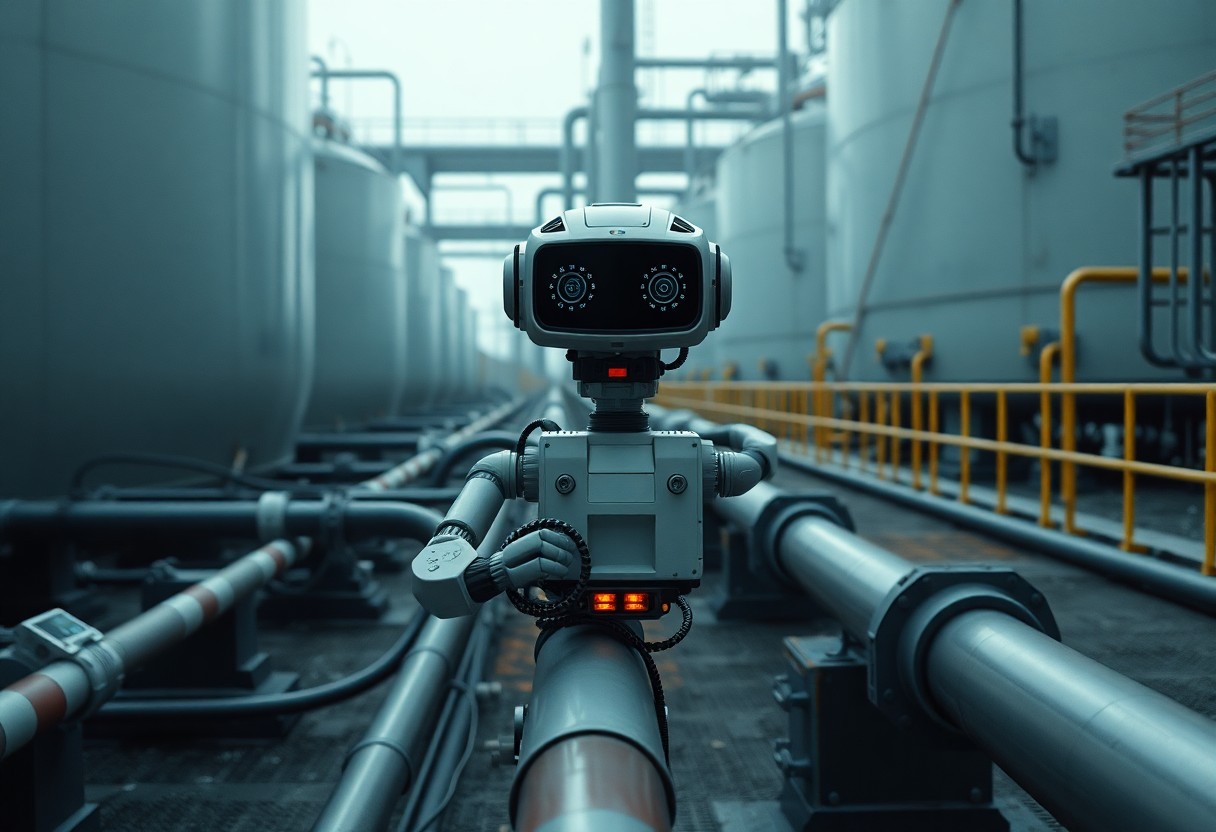
The versatility of autonomous inspection robots extends across multiple sectors, delivering robust solutions tailored to different challenges. In manufacturing, these robots enhance quality control by conducting real-time inspections. In the oil and gas industry, they monitor pipelines for leaks and corrosion, ensuring operational continuity. Furthermore, they contribute to asset management in telecommunications by assessing cell towers and antennas, verifying integrity and performance efficiently.
Energy Sector
Your energy infrastructure benefits greatly from autonomous inspection robots, particularly in monitoring wind turbines and power plants. These robots conduct high-resolution inspections and detect issues like structural weaknesses or insulation failures, minimizing downtime and optimizing maintenance schedules. As a result, energy companies not only enhance safety but also reduce costs significantly, enabling a more sustainable operation.
Transportation Systems
In transportation systems, autonomous inspection robots transform the upkeep of railways and roadways, detecting deformities and ensuring safety standards are upheld. These robots can navigate complex environments, equipped with sensors that provide real-time data on track conditions or road integrity, allowing for faster response times to maintenance needs.
Rail maintenance is notably revolutionized by these innovations, with robots inspecting thousands of miles of tracks. For instance, some systems utilize drones equipped with LiDAR technology to create detailed maps of rail conditions, identifying faults invisible to the naked eye. This capability enables rail operators to prioritize maintenance based on data-driven insights, significantly reducing the risk of accidents and enhancing overall safety while optimizing resource allocation. As more transportation sectors adopt this technology, the efficiency and reliability of these infrastructures are set to improve markedly.
Technological Advancements Driving Adoption
Rapid technological advancements are propelling the widespread adoption of autonomous inspection robots. These innovations streamline operations, enhance precision, and significantly reduce operational costs, making them indispensable across various sectors, particularly in maintaining infrastructure integrity.
AI and Machine Learning
AI and machine learning have become game-changers in the functionality of autonomous inspection robots. They enable your robots to analyze vast amounts of data efficiently, recognize patterns, and predict maintenance needs, thereby minimizing downtime and enhancing decision-making processes.
Sensor Technologies
Advanced sensor technologies facilitate detailed inspections by providing high-resolution imaging and real-time data collection. These sensors enhance the robots’ ability to detect anomalies and assess structural conditions, allowing for more informed maintenance strategies.
Modern sensors, such as LiDAR, infrared cameras, and ultrasonic devices, provide sophisticated data that elevate inspection capabilities. For instance, LiDAR can generate 3D models of structures, enabling you to visualize surface defects with remarkable accuracy. Infrared cameras can identify heat anomalies, signaling possible electrical issues or thermal inefficiencies. Together, these tools create a comprehensive inspection ecosystem that allows for proactive management of infrastructure integrity. By integrating these sensor technologies, your autonomous robots become a powerful ally in maintaining safety and efficiency.
Challenges and Limitations
Despite the promise of autonomous inspection robots, several challenges hinder their widespread adoption. Issues ranging from regulatory compliance to technical limitations play significant roles in the integration of these technologies into existing infrastructure. For a deeper insight into innovative solutions, consider exploring Gecko Robotics: Revolutionizing Infrastructure Inspection…
Regulatory and Compliance Issues
Navigating the regulatory landscape can be daunting for autonomous inspection robots. Different jurisdictions may have varying requirements, leading to delays in implementation. Organizations must invest time and resources to ensure compliance with safety protocols, which can be a barrier to entry, particularly for smaller firms.
Technical Limitations and Reliability
Technical limitations can impact the reliability of autonomous inspection robots significantly. Factors such as battery life, sensor accuracy, and environmental adaptability are vital. If a robot cannot effectively operate in diverse conditions or deliver precise measurements, it compromises the overall effectiveness of infrastructure inspections.
For instance, many robots rely on advanced sensors that may struggle with detecting minute flaws, especially in challenging environments like high-heat or high-noise areas. Additionally, connectivity issues can hinder real-time data transmission, affecting the flow of critical information during inspections. As technology evolves, addressing these technical shortcomings will be necessary for enhancing operational reliability and performance.
Future Trends and Innovations
Emerging trends in autonomous inspection technology are set to reshape the landscape of critical infrastructure. Improved machine learning algorithms enable these robots to analyze vast sets of data for predictive maintenance, minimizing downtime and optimizing performance. Furthermore, advancements in battery technology are enhancing the operational time of these robots, leading to more comprehensive inspections with fewer interruptions.
Integration with IoT and Smart Cities
The convergence of autonomous inspection robots with IoT devices is revolutionizing infrastructure monitoring. You can expect real-time data sharing between robots and centralized systems, allowing for more effective predictive maintenance protocols and immediate response to anomalies. This integration not only streamlines operations but also enhances the overall efficiency of smart city ecosystems.
Evolution of Robotics and Automation
As robotics technology advances, you will notice significant strides in automation capabilities. Enhanced sensors and AI-driven decision-making processes allow for greater precision and adaptability in various environments. The latest developments showcase robots that can autonomously navigate challenging terrains, like pipeline inspection within construction zones or assessing high-rise buildings, demonstrating how far the industry has come.
The evolution of robotics and automation is marked by continuous innovation, now enabling robots to perform tasks previously reliant on human oversight. You see this evolution through the integration of advanced AI, which allows for real-time data processing and decision-making. For instance, some autonomous robots are now equipped with vision systems that can identify structural flaws and assess their severity autonomously. This not only boosts the accuracy of inspections but also significantly reduces the time required for comprehensive assessments. As robotics becomes more sophisticated, you can anticipate a future where these machines not only assist humans but increasingly take on complex tasks independently, reshaping the critical infrastructure sector in profound ways.
Conclusion
The integration of autonomous inspection robots into critical infrastructure systems significantly enhances your operational efficiency and safety. By utilizing these robots, you can proactively monitor and assess the condition of various assets, minimizing downtime and optimizing maintenance schedules. This technology not only helps you comply with regulatory standards but also extends the life of your infrastructure, ultimately protecting your investments. As the landscape of technology evolves, embracing these innovations will ensure you stay ahead in safeguarding vital systems for the future.