

With the advent of collaborative robots or cobots, small and medium enterprises (SMEs) can enhance productivity and efficiency in their operations. These user-friendly machines are designed to work alongside your team, improving workflows without the need for extensive training or technical expertise. By integrating cobots into your processes, you can not only streamline tasks but […]
Category: Robotics

Artificial intelligence for robot perception and decision making
There’s a significant shift in how robots interact with their environment, thanks to advancements in artificial intelligence (AI). You’ll explore how AI enhances robot perception through sensors and machine learning, allowing for better interpretation of data and surroundings. This technology also empowers robots to make informed decisions autonomously, improving efficiency across various industries. By understanding […]

Foundation Models for Robotics – One Brain, Many Machines
With foundation models, you can unify perception, planning, and control across diverse robots by leveraging shared representations and transfer learning; this single “brain” accelerates adaptation, reduces engineering overhead, and enables scalable coordination so your fleet learns faster, generalizes better, and executes complex tasks with greater consistency and safety. Overview of Foundation Models You can now […]
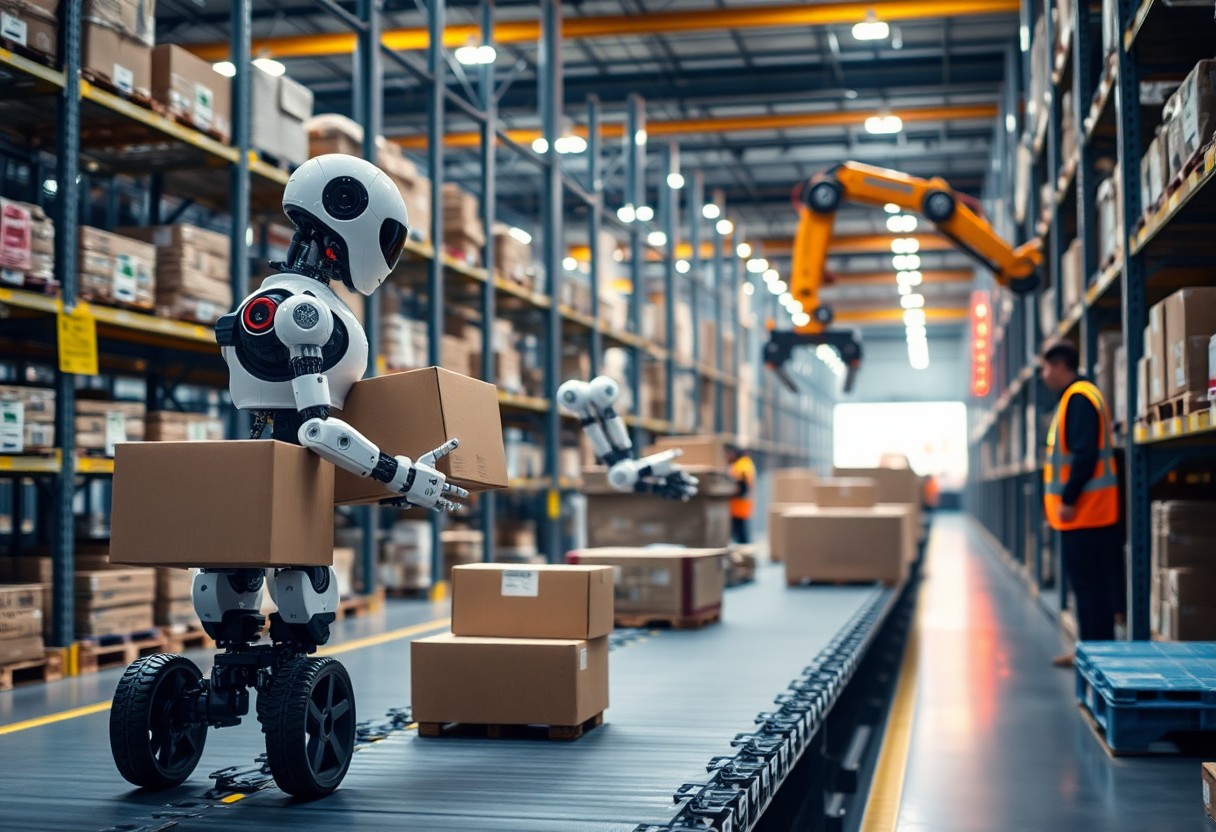
General-Purpose Robots Move Closer to Commercial Reality
With advancing sensors, modular software, and falling hardware costs, you can expect general-purpose robots to enter real-world workspaces sooner than many predict; understanding their capabilities, limitations, and integration requirements helps you plan for enhanced productivity, safer workflows, and new business models as manufacturers and service providers scale deployment across industries. Current State of Robotics In […]
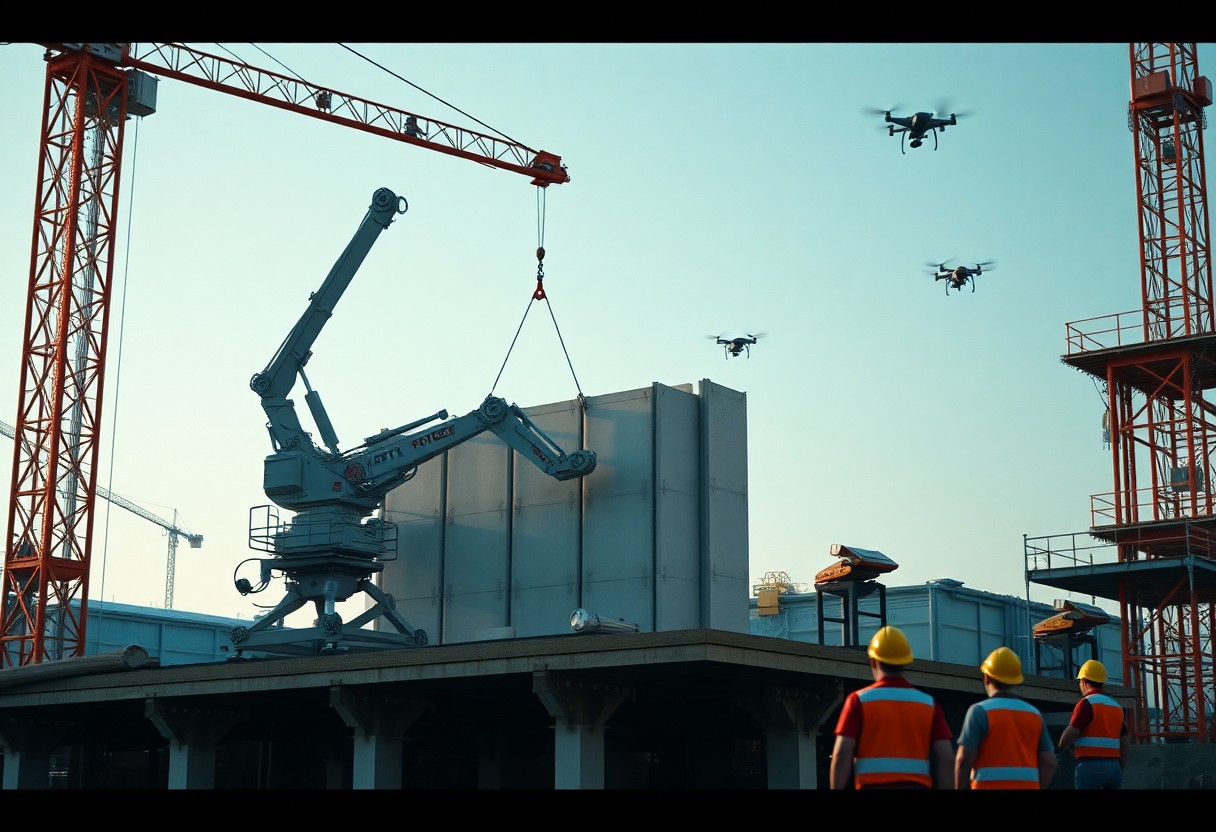
Robotics in Construction – Automating the Built Environment
With robotics transforming tasks from heavy lifting to precision assembly, you can deploy autonomous equipment, drones, modular fabrication, and AI-driven planning to boost productivity, improve safety, and reduce cost variability; this post explains key technologies, implementation challenges, and practical steps for integrating robotics into your projects so you can plan, manage, and scale automation in […]

High-Precision Robotics Enable the Next Wave of Semiconductor Manufacturing
You rely on high-precision robotics to push semiconductor manufacturing beyond current limits, enabling nanometer-scale alignment, repeatable throughput, and adaptive motion control that reduce defects and increase yield. This post explains how advanced sensors, machine learning, and compact actuators integrate to automate lithography, wafer handling, and inspection, letting your fab scale performance while lowering variability and […]

Multi-Modal Perception – Seeing, Hearing, and Touching Robots
With advances in sensor fusion, learning algorithms, and tactile materials, you can enable your robots to perceive environments through sight, sound, and touch simultaneously; this multimodal approach improves reliability, situational awareness, and human-robot interaction by combining complementary cues, mitigating single-sensor failures, and enabling richer object understanding, navigation, and collaborative manipulation in real-world settings. The Basis […]
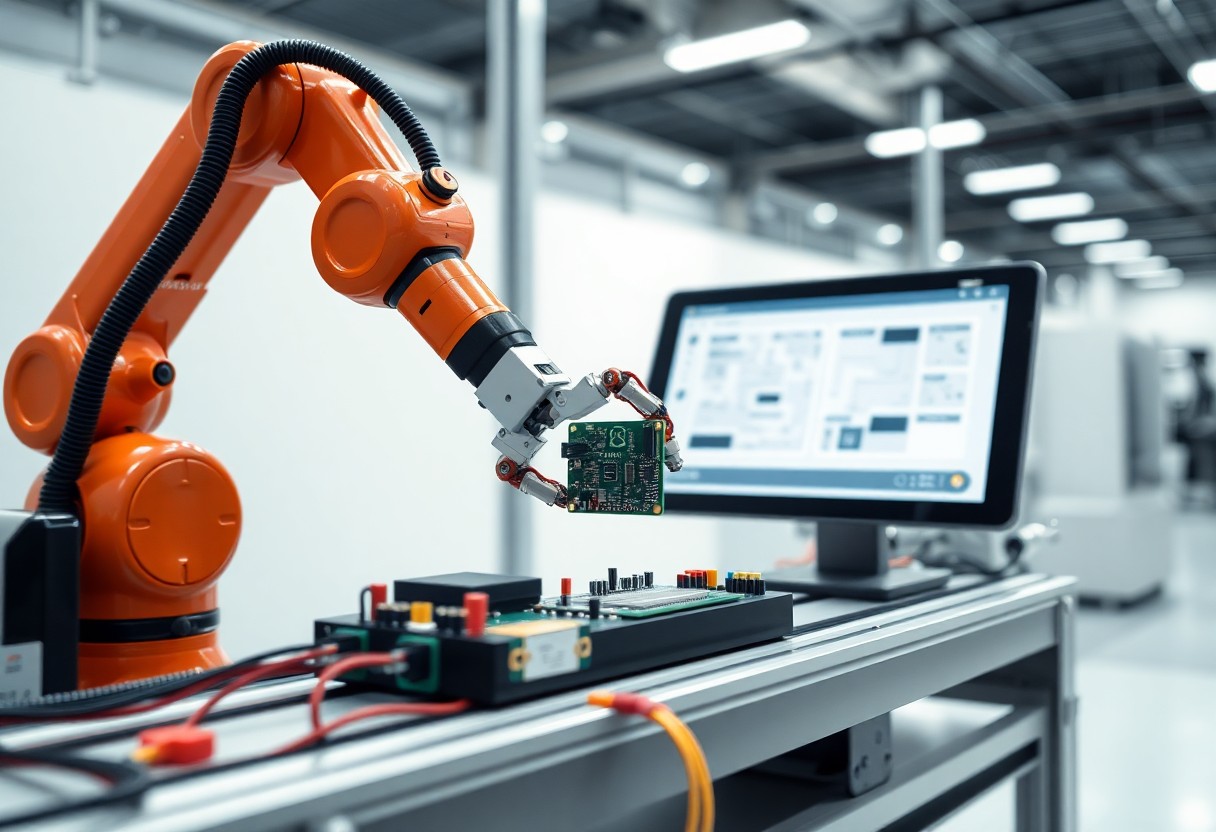
Zero-Programming Robotics – Automation Without Coding
You can deploy and manage robotic systems without writing code by using visual programming, drag-and-drop interfaces, and prebuilt modules; this lets you optimize your workflows, integrate sensors and actuators, and scale solutions rapidly while minimizing technical barriers and time to value. Understanding Zero-Programming Robotics Definition and Key Concepts You build robot behavior through visual tools-drag-and-drop […]

Robots Learning on the Job – Continuous Adaptation in Real Environments
Most robots increasingly learn on the job, and you should know how continuous adaptation uses online learning, sensor-driven feedback, and safety-aware updates to maintain performance in real environments; this post explains methods, evaluation metrics, and operational considerations so you can deploy and monitor adaptive systems effectively in your operations. The Importance of Continuous Learning In […]
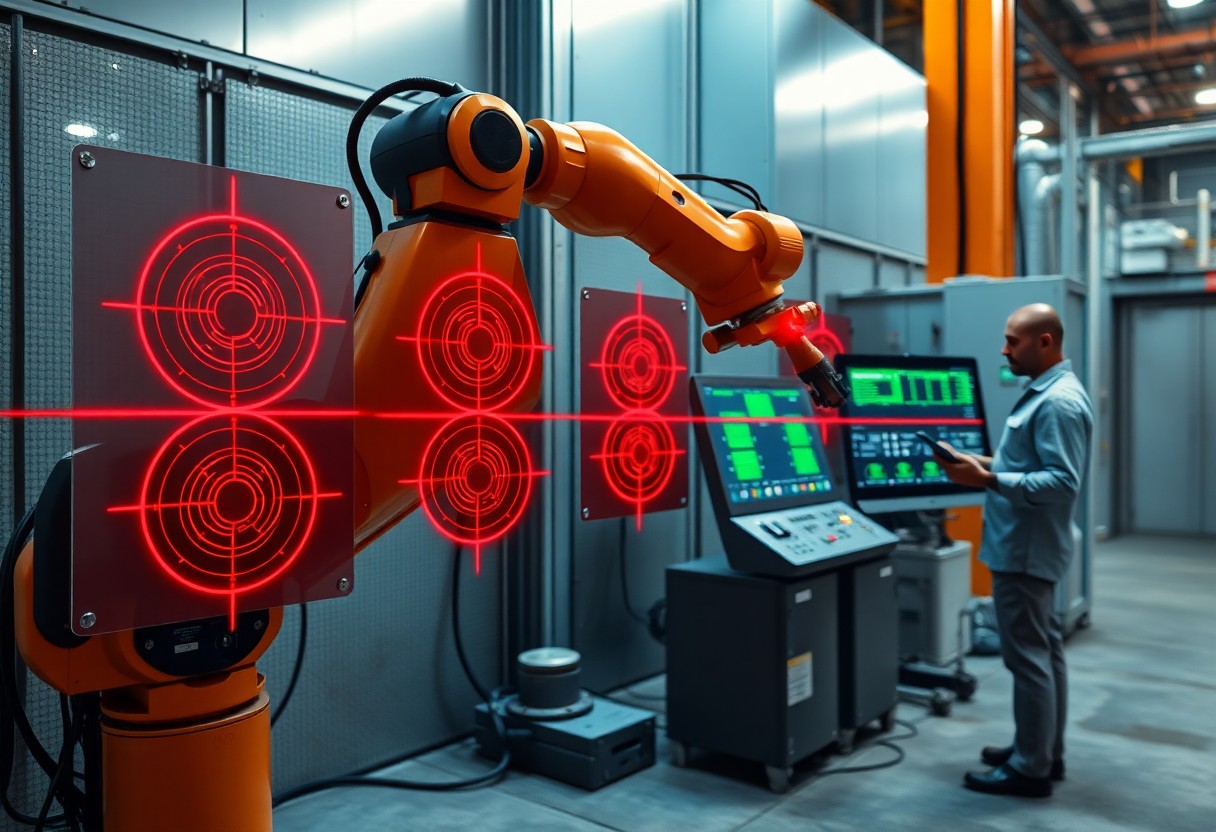
Self-Calibrating Robots Reduce Downtime and Complexity
Many facilities you manage face costly production stops and troubleshooting when robots drift or require manual setup; self-calibrating robots let you automate alignment, continuously monitor performance, and apply corrections without specialist intervention, reducing downtime and simplifying maintenance while preserving precision and throughput. Understanding Self-Calibrating Robots Definition and Mechanism Self-calibration embeds sensors, fiducial references and closed-loop […]