
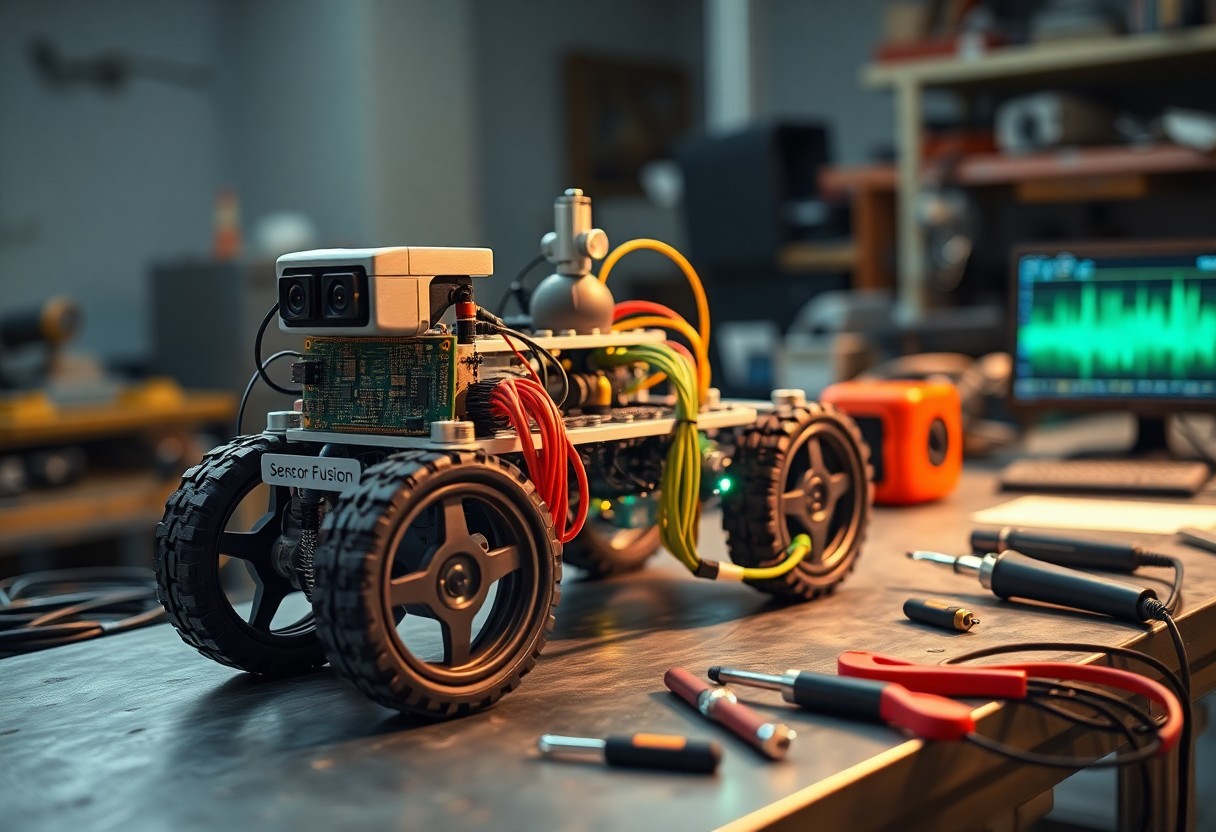
Just assemble sensors, microcontroller, and fusion algorithms to build a robot that synthesizes IMU, lidar, and vision data; you will learn hardware selection, calibration, sensor synchronization, and data fusion techniques to achieve reliable perception and control. Hardware Architecture and Sensor Selection Hardware choices define bus topology, power distribution, and compute placement, so you balance bandwidth, […]
Category: Robotic
Building a Custom Robot Frame for Maximum Stability
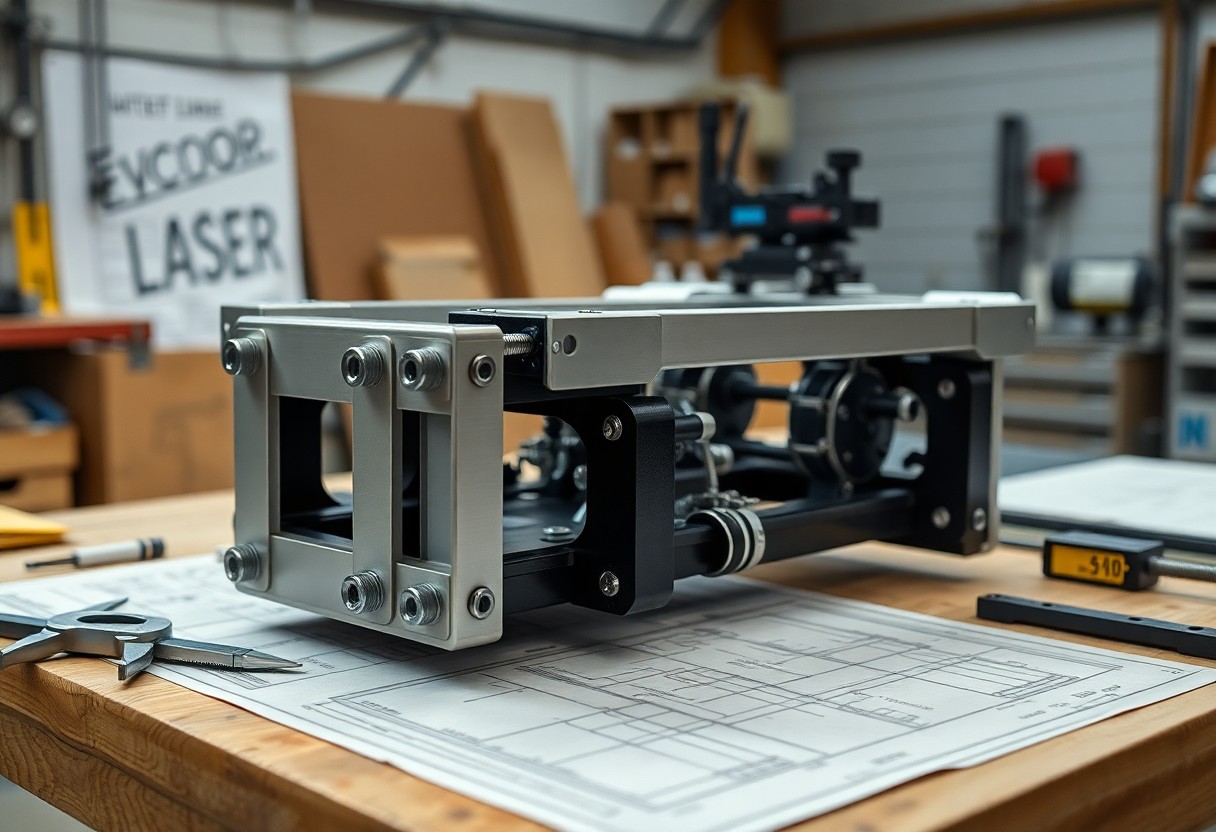
Most designs focus on low center of gravity and wide wheelbase; you must optimize frame geometry, material choice, and mounting points to minimize tipping, control flex, and distribute mass for predictable handling across varied terrain. Material Selection for Structural Rigidity You must weigh stiffness, weight, cost, and manufacturability when choosing frame materials to ensure maximal […]
Constructing a Robot from Concept to Functional Prototype
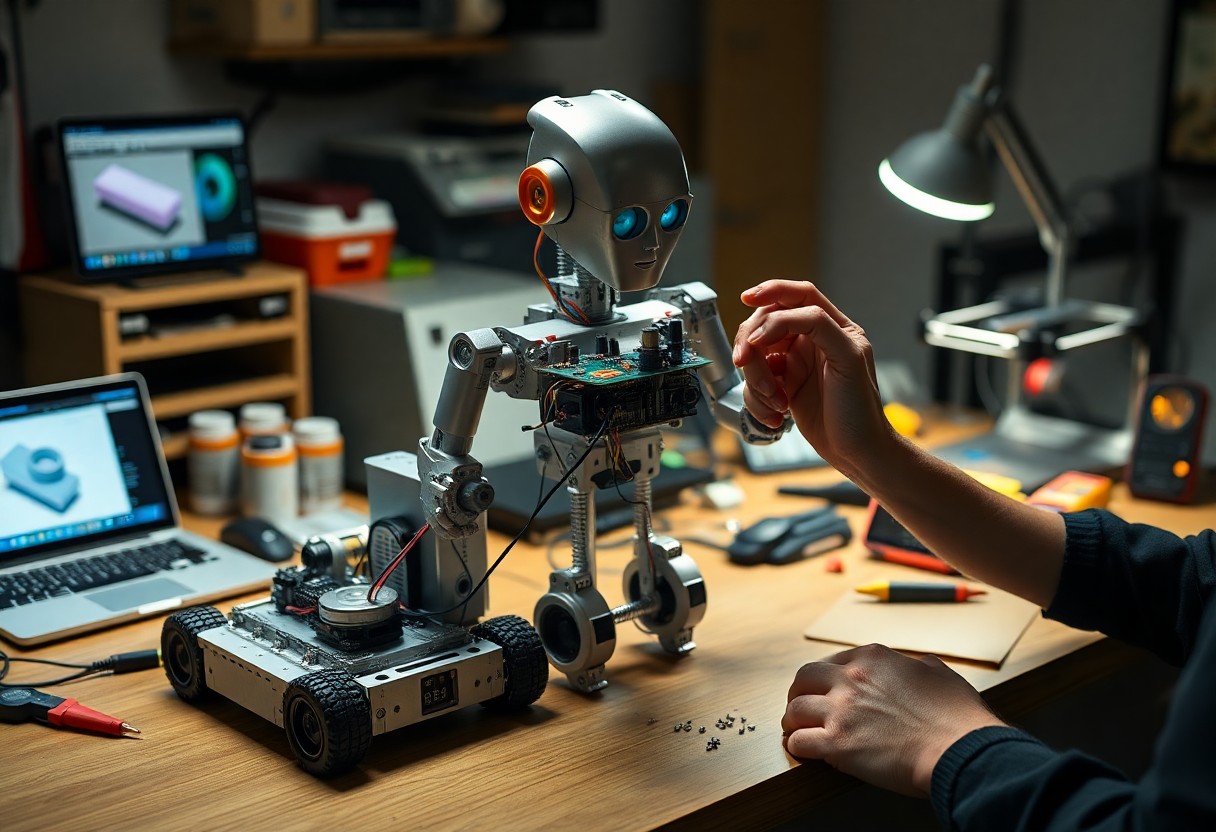
Just follow systematic design, component selection, prototyping, and testing to transform your robot idea into a working prototype. Conceptualization and Requirements Analysis Conceptualization connects user needs to measurable goals, so you outline core functions, user scenarios, and constraints that will steer design decisions and early trade-offs. Defining Operational Objectives and Constraints Objectives specify mission profiles, […]

Building a Robot with Real-Time Control Systems
With real-time scheduling and tight sensor-actuator integration, you learn to design deterministic control loops, handle interrupts, and verify timing to guarantee safe, reliable robot behavior. Hardware Architecture for Real-Time Performance Hardware choices determine latency and determinism; you should partition compute, I/O, and power to meet deadlines, using dedicated processors for safety-critical loops and real-time OS […]

Constructing Robots That Can Adapt to New Tasks
Just design adaptable control and learning frameworks so your robot generalizes across tasks, combining modular hardware, meta-learning algorithms, and online adaptation to update policies on the fly. Cognitive Architectures for Adaptive Control Architectures integrate perception, memory, and planning so you can reconfigure behavior across tasks with minimal retraining and maintain consistent performance. Neural Network Foundations […]
Constructing a Robot for Exploration and Field Work
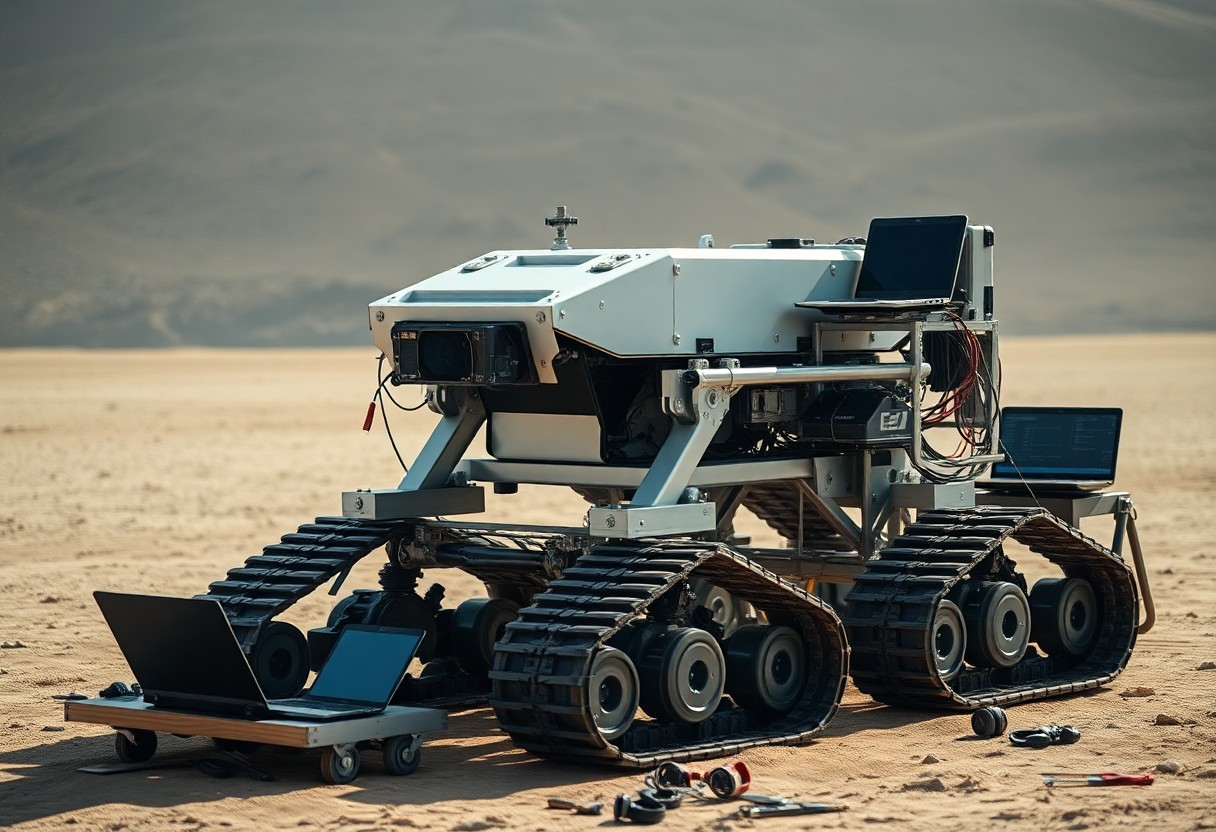
With clear objectives and practical constraints, you design a field-ready robot that balances mobility, power management, sensing, and rugged construction, and you plan components, test systems, and ensure reliable performance in remote environments. Design Philosophy and Structural Engineering You prioritize load paths, redundancy, and serviceability in structural engineering so field repairs are straightforward and failure […]
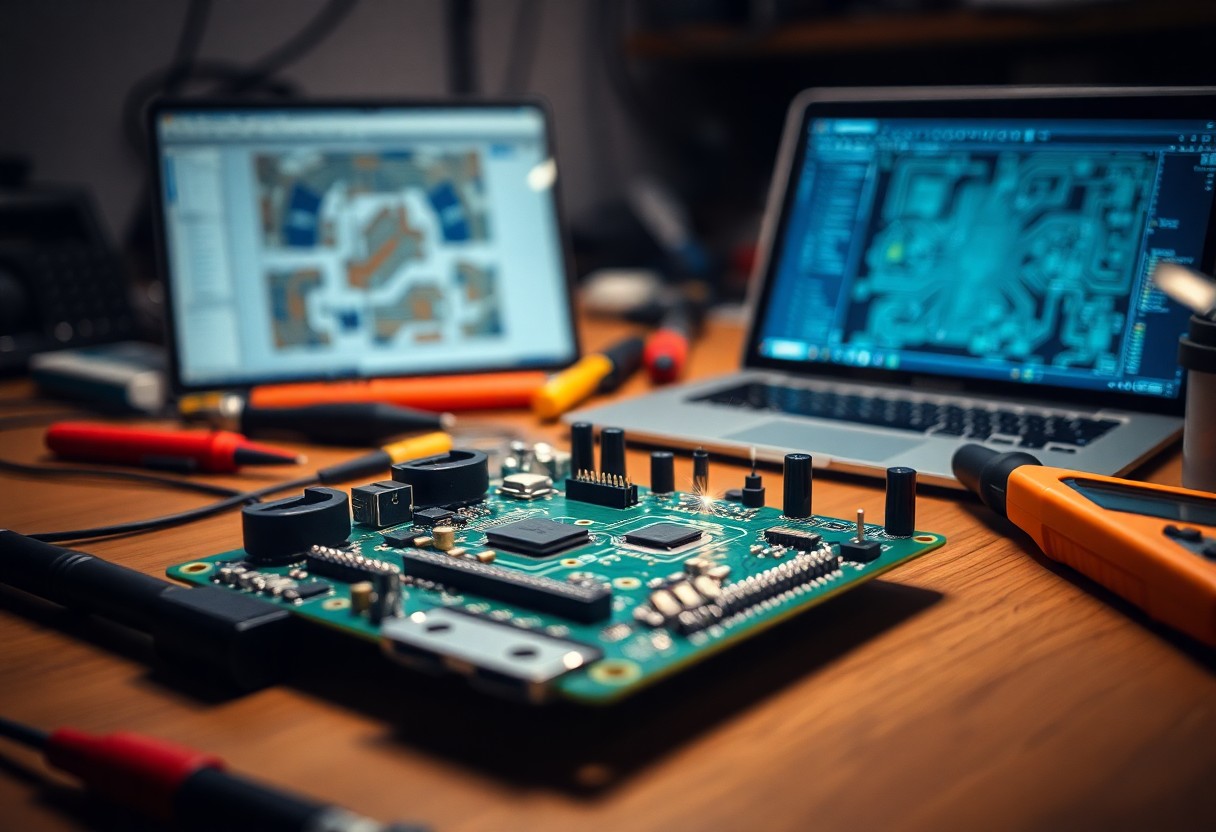
Designing and Building a Robot Control Board
Just follow systematic component selection, PCB layout, firmware architecture, and testing to design and build a Robot Control Board that meets your performance and safety requirements. Defining System Requirements and Specifications Scope sets the functional and nonfunctional targets you use to prioritize features, power budgets, environmental ratings, timing constraints, and integration points for the control […]
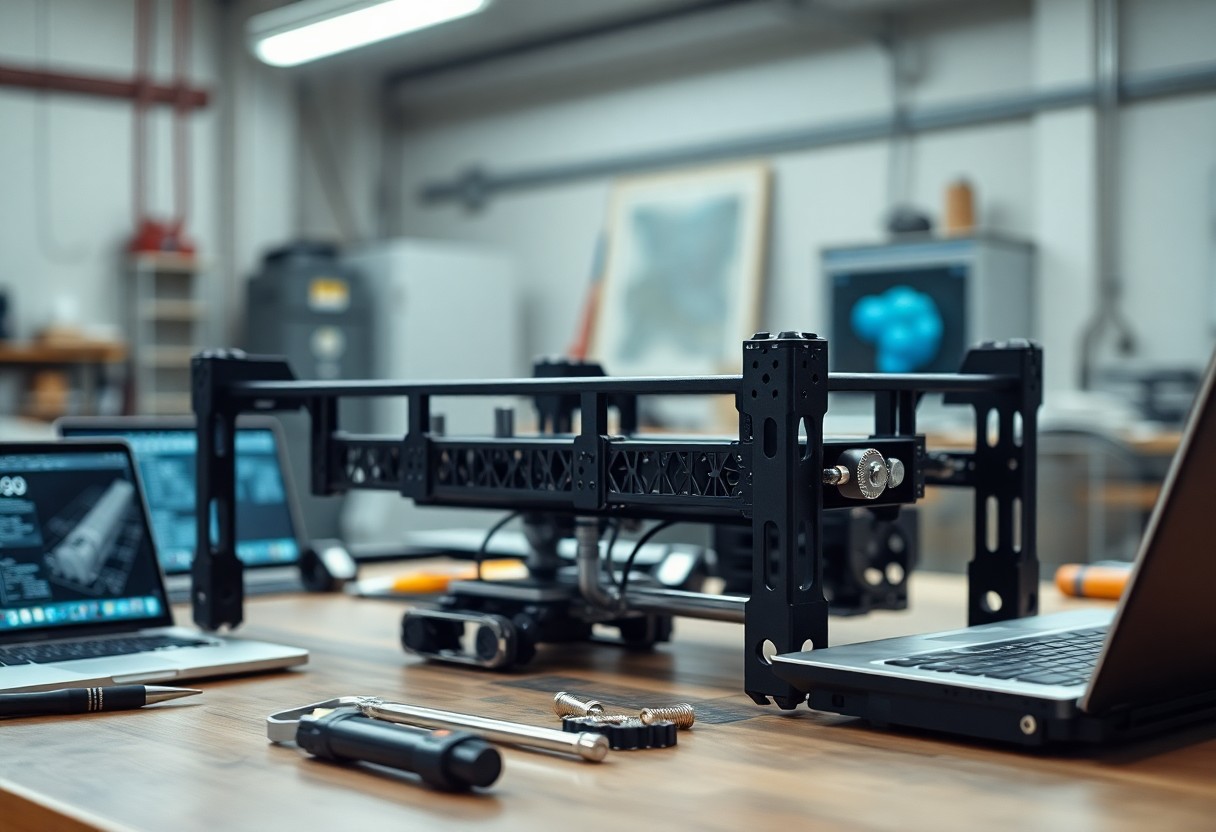
Constructing Robots with 3D-Printed Structural Parts
There’s a proven approach you can follow to design and assemble robots with 3D-printed frames, choosing materials and joint geometries and integrating sensors and actuators to balance strength, weight, and function while shortening prototyping cycles. Material Selection for Structural Integrity Material choice determines load paths, fatigue performance, and failure modes, so you should prioritize tensile […]
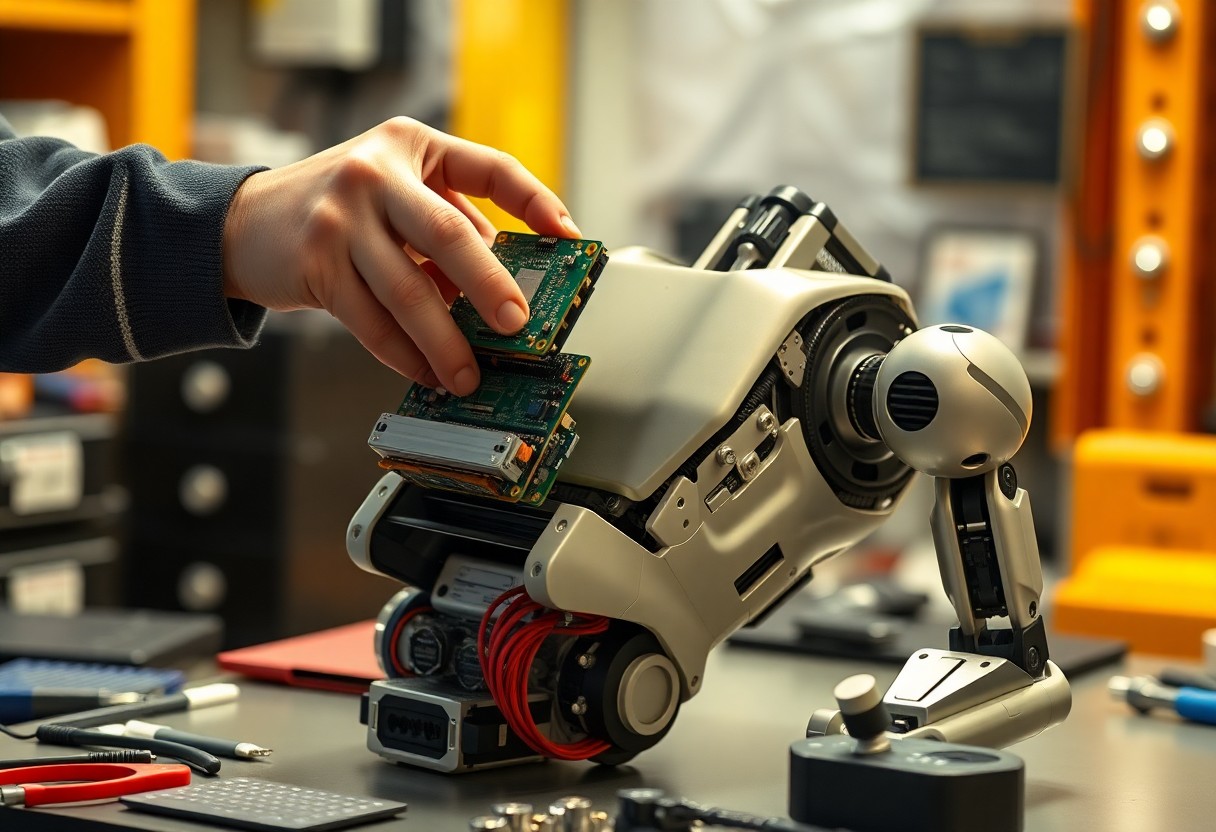
Building a Robot with Swappable Hardware Modules
You will learn practical steps to design, assemble, and test a modular robot platform, including electrical interfaces, mounting standards, and firmware strategies to mix-and-match sensors and actuators for rapid prototyping. Core Architectural Principles for Modularity Design your robot around clear module boundaries, uniform mechanical and electrical interfaces, and versioned APIs so you can swap subsystems […]
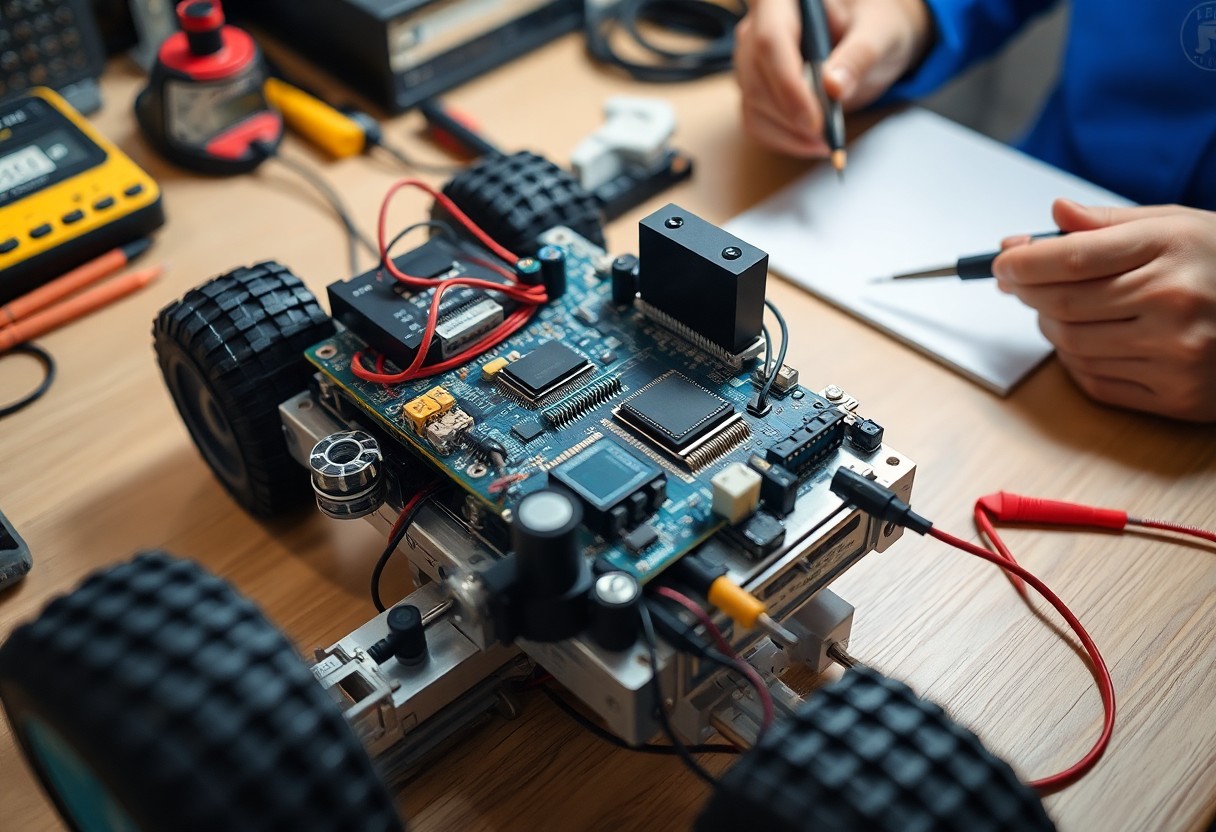
Building a Sensor System for a Custom Robot
Over a dozen sensor options shape your design choices; you must weigh range, resolution, and interface compatibility. This post outlines selection, integration, and testing so you can build an effective sensing system for a custom robot. Sensor Selection and Requirement Analysis Choose sensors that match the measurements you need, interface with your controller, fit your […]