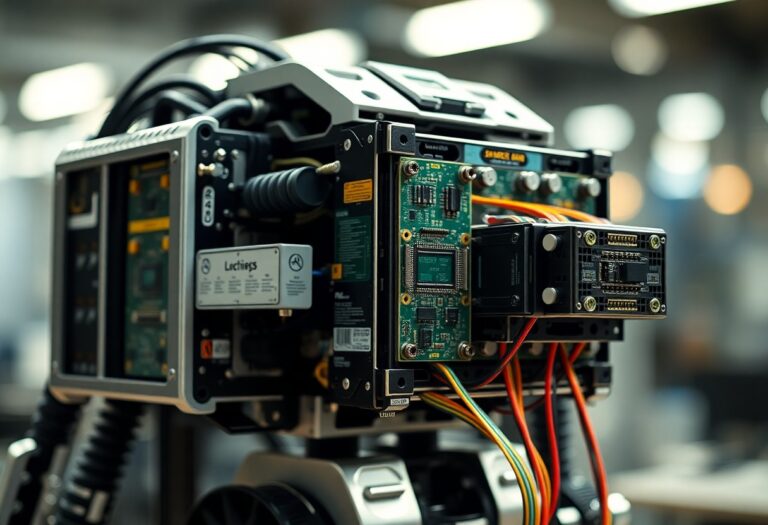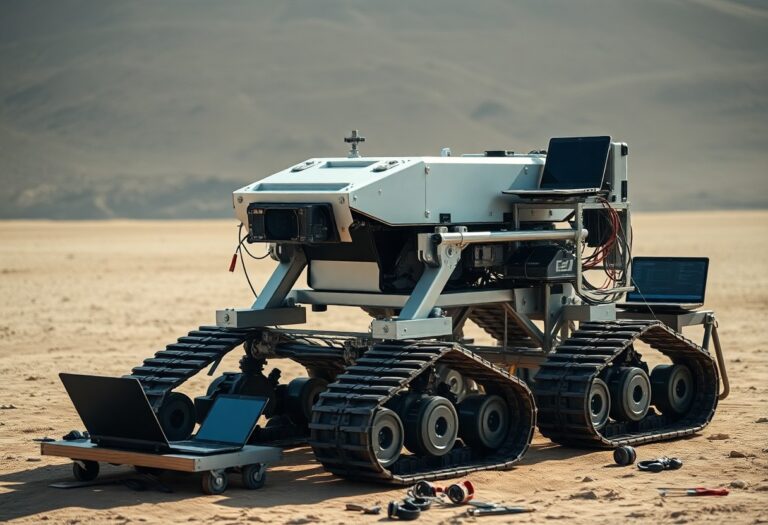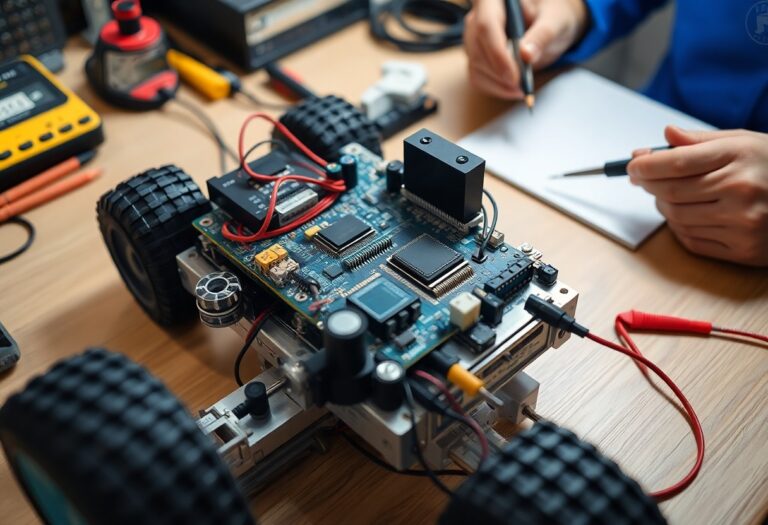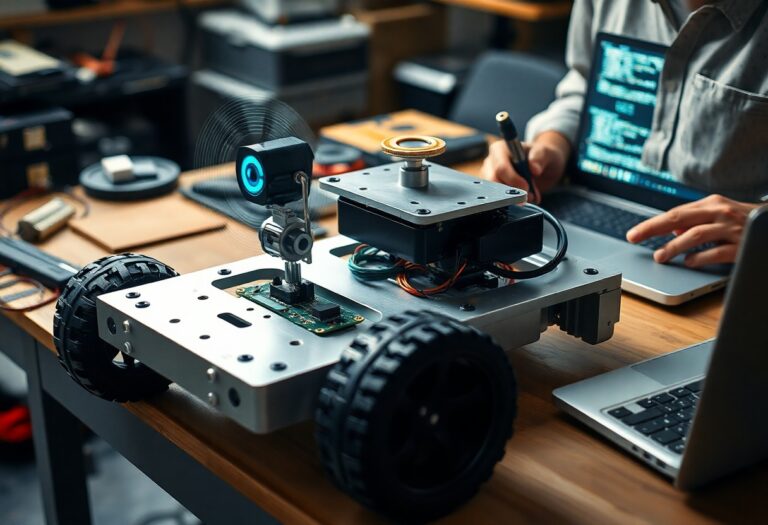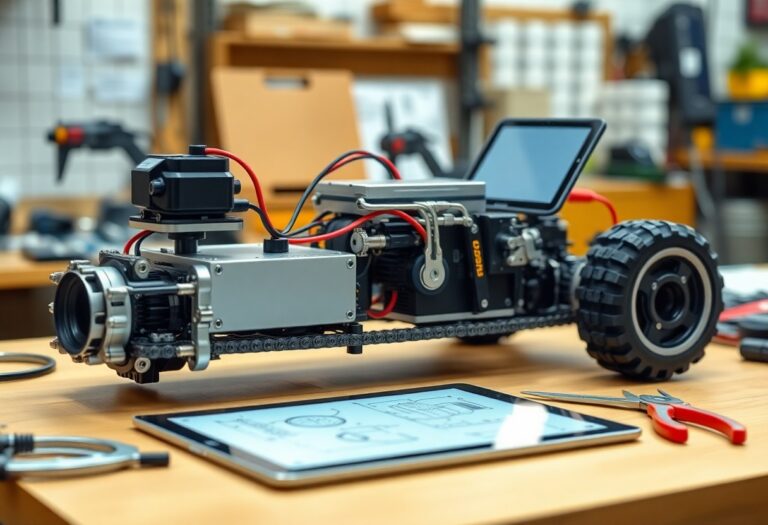
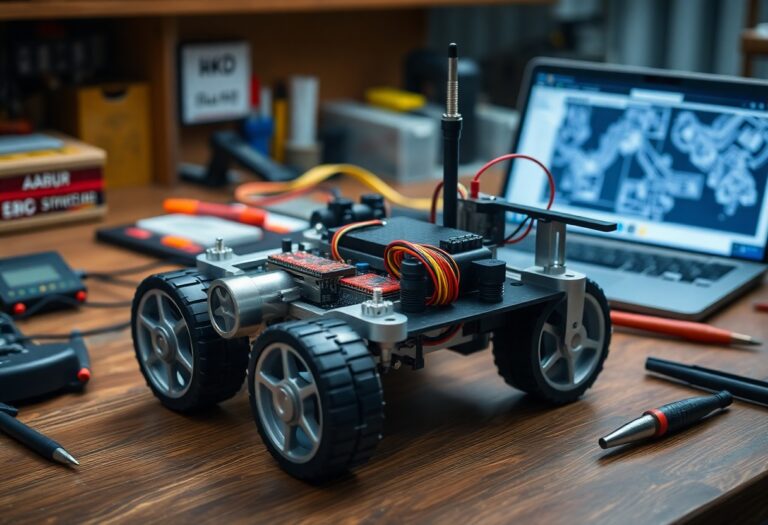
With clear objectives and practical constraints, you design a field-ready robot that balances mobility, power management, sensing, and rugged construction, and you plan components, test systems, and ensure reliable performance in remote environments. Design Philosophy and Structural Engineering You prioritize load paths, redundancy, and serviceability in structural engineering so field repairs are straightforward and failure […]
Tag: robot
Designing and Building a Robot Control Board
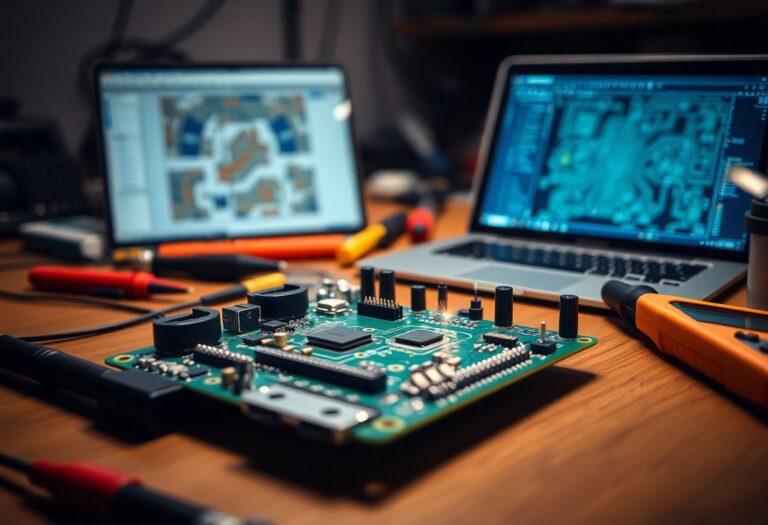
Just follow systematic component selection, PCB layout, firmware architecture, and testing to design and build a Robot Control Board that meets your performance and safety requirements. Defining System Requirements and Specifications Scope sets the functional and nonfunctional targets you use to prioritize features, power budgets, environmental ratings, timing constraints, and integration points for the control […]
Building a Robot with Swappable Hardware Modules
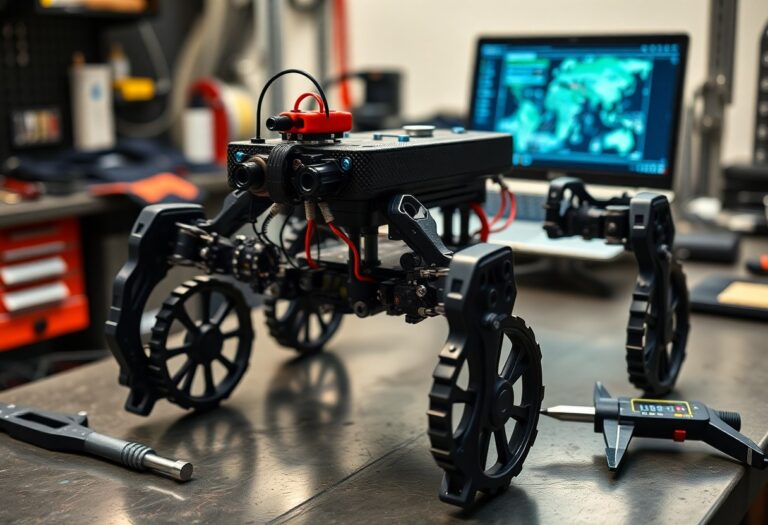
You will learn practical steps to design, assemble, and test a modular robot platform, including electrical interfaces, mounting standards, and firmware strategies to mix-and-match sensors and actuators for rapid prototyping. Core Architectural Principles for Modularity Design your robot around clear module boundaries, uniform mechanical and electrical interfaces, and versioned APIs so you can swap subsystems […]
Constructing a Lightweight Robot for Maximum Efficiency
Many designers prioritize weight reduction to boost robot efficiency, so you must choose high-strength low-mass materials, simplify mechanisms, and optimize powertrain and control algorithms to maximize performance without sacrificing durability. Material Science and Structural Optimization Materials selection and structural tuning let you shed unnecessary mass while preserving stiffness and fatigue life; you prioritize fiber-reinforced laminates […]
Building a Sensor System for a Custom Robot
Over a dozen sensor options shape your design choices; you must weigh range, resolution, and interface compatibility. This post outlines selection, integration, and testing so you can build an effective sensing system for a custom robot. Sensor Selection and Requirement Analysis Choose sensors that match the measurements you need, interface with your controller, fit your […]
Constructing a Robot for Autonomous Navigation
Over this concise guide, you will learn sensor selection, control design, perception integration, and testing methods to build an autonomous robot that reliably maps and avoids obstacles. Hardware Selection and Mechanical Design Select components that match sensor payload, computation, and mounting constraints so you can swap parts during testing and iterate quickly. Chassis Configuration and […]
How to Design and Build a Robot Drive System
There’s a step-by-step method you can follow to design and build a robot drive system that selects motors, gear ratios, chassis layout, and controllers to meet required speed, torque, and handling while ensuring reliable integration and testing. Evaluating Drive Configurations for Specific Environments Terrain dictates your drivetrain choice; you must weigh traction, maneuverability, clearance, and […]
Constructing a Robot with Modular Components
There’s a clear path you can follow to assemble modular robot parts, selecting compatible actuators, sensors, and controllers, testing interfaces, and iterating designs to build reliable, maintainable robots that adapt to evolving tasks. Architectural Principles of Modular Robotics You design module hierarchies that isolate power, sensing, and actuation so teams work independently and failures are […]
Step-by-Step Guide to Building a Custom Robot Platform
Most projects succeed when you follow clear steps: this guide shows you how to design the chassis, choose motors and controllers, integrate sensors, and test motion to build a reliable custom robot platform. Classification of Robotic Platform Types Platform categories help you weigh mobility, payload, control complexity and environment for your build, enabling targeted component […]
Constructing a Mobile Robot – Key Design Principles
Most mobile robot projects ask you to balance power, sensing, locomotion, control, and materials while meeting weight and cost constraints. You should prioritize clear requirements, modular architecture, and testing to ensure predictable behavior in varied environments. Mechanical Architecture and Locomotion Mechanical layout sets wheelbase, center of gravity, and articulation; you should optimize placement for stability, […]