
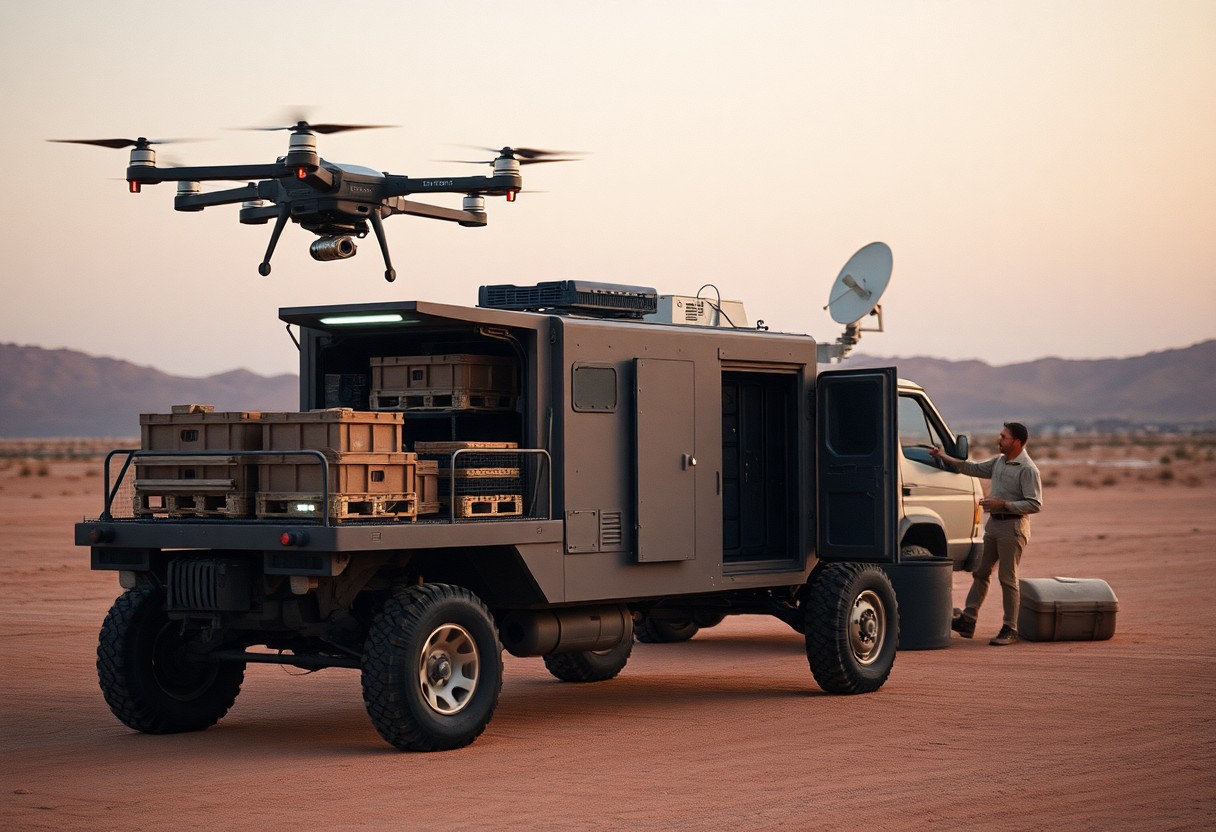
You operate in a world where supply lines are no longer just guarded but self-repairing, where drones evacuate the injured without waiting for orders, and where battlefield decisions unfold faster than human reflexes allow. Autonomous combat support systems are no longer speculative-they are active participants in modern defense, reshaping how missions are sustained and executed […]
Tag: systems

Building a Robot with Real-Time Control Systems
With real-time scheduling and tight sensor-actuator integration, you learn to design deterministic control loops, handle interrupts, and verify timing to guarantee safe, reliable robot behavior. Hardware Architecture for Real-Time Performance Hardware choices determine latency and determinism; you should partition compute, I/O, and power to meet deadlines, using dedicated processors for safety-critical loops and real-time OS […]
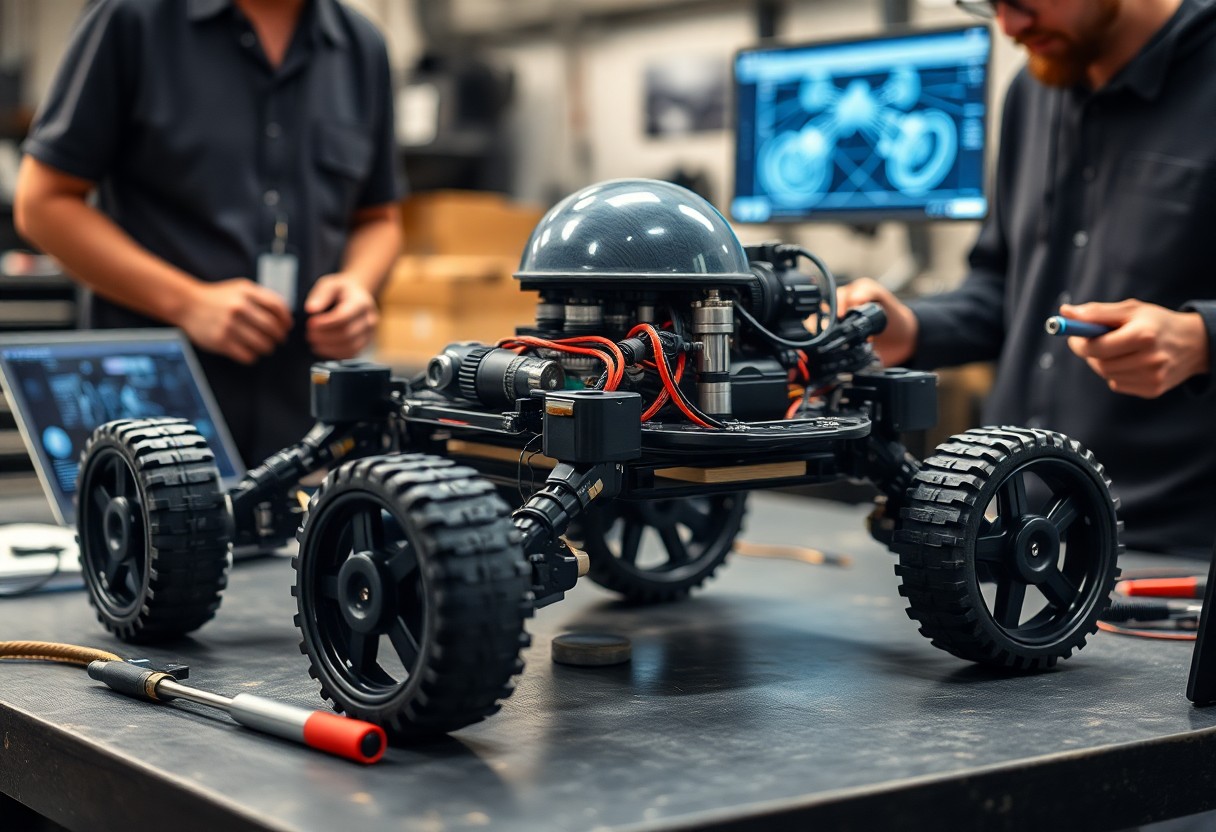
Constructing a Robot with Advanced Mobility Systems
Mobility determines your robot’s capabilities: design modular actuators, apply sensor fusion and adaptive control, and optimize power management and mechanical structure so you achieve stable, efficient movement across diverse terrain. Kinematic Design and Chassis Architecture Kinematic layout defines joint arrangement, gait potential, and wheel placement so you can optimize stability, payload distribution, and motion efficiency […]
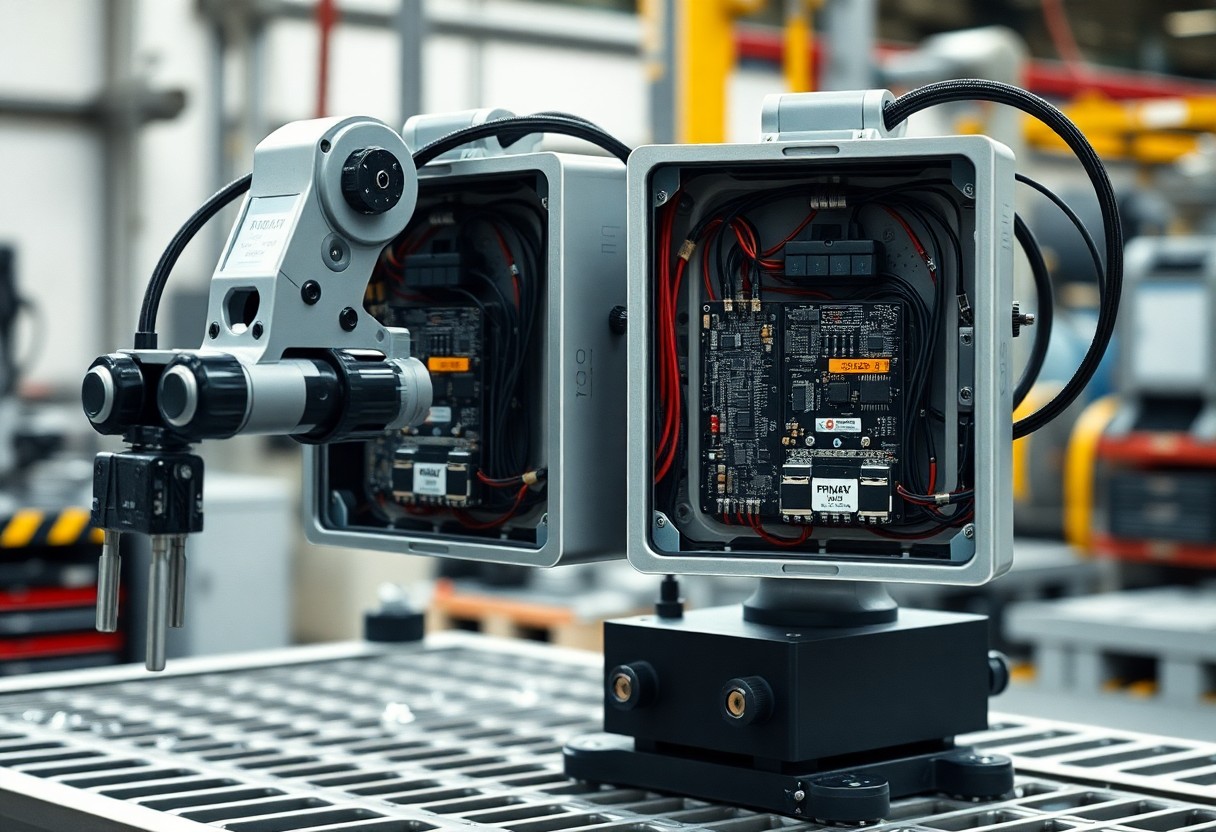
Building Redundancy into Robotic Systems
You design systems with redundant sensors, parallel controllers, and independent power paths to sustain operation during failures, applying fault-detection algorithms and graceful degradation to preserve mission objectives. Hardware Redundancy and Mechanical Over-Actuation You distribute extra actuators and parallel load paths so the robot maintains motion after component failure, enabling graceful degradation and controlled fallback without […]
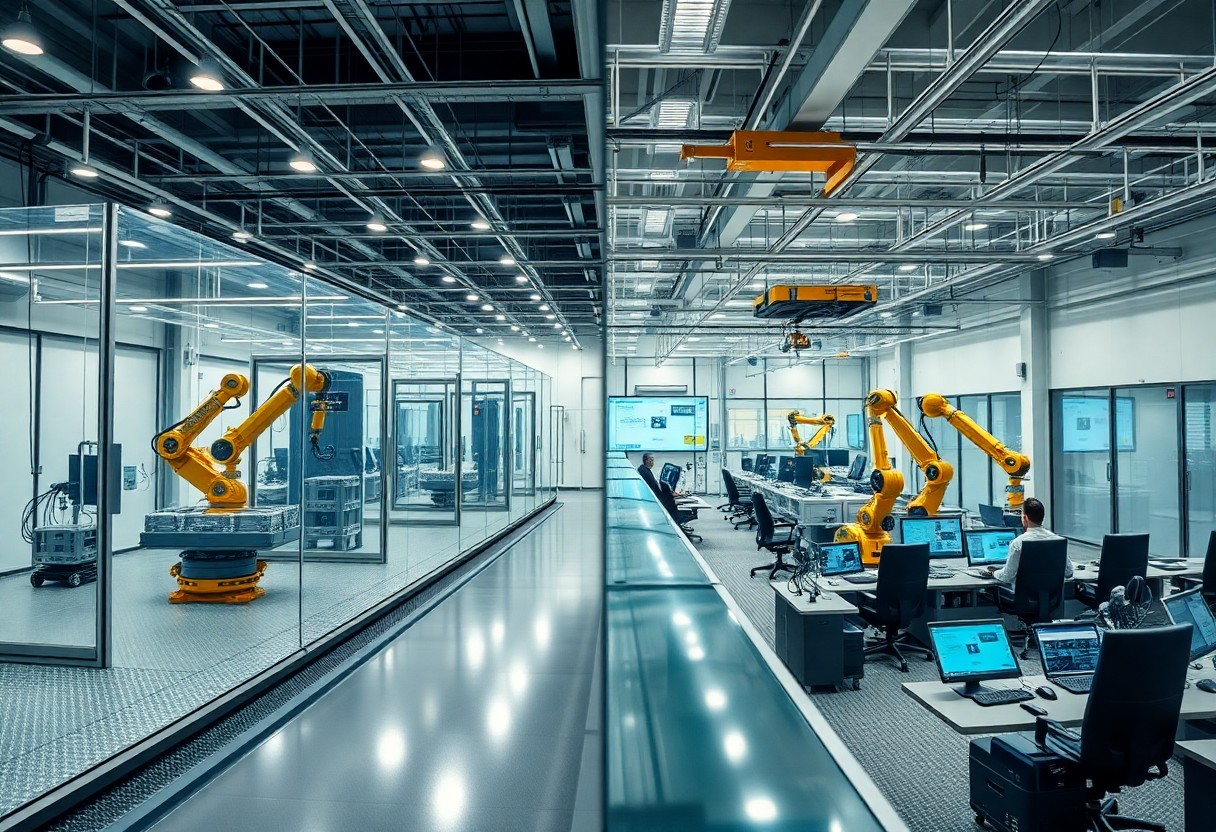
Autonomous Factories – From Isolated Cells to Fully Orchestrated Systems
There’s a shift in manufacturing as isolated automated cells evolve into fully orchestrated autonomous factories, and you need to understand how integration, real-time data, and adaptive control transform productivity and resilience. This post explains the technology stack, system architectures, workforce impacts, and implementation pathways so you can evaluate readiness, prioritize investments, and lead deployment of […]
How Do Asynchronous Systems Enhance Robotic Efficiency?
There’s a growing interest in leveraging asynchronous systems to boost the efficiency of robotic applications. By enabling different components to operate independently and simultaneously, these systems offer significant advantages in speed and flexibility. You may find that asynchronous processes allow your robots to better adapt to varying workloads and improve overall productivity. This blog post […]