California Bars Waymo Robotaxis From Freeways. What Changes for Riders
California has ordered Waymo to stop running its driverless cars on state freeways. The state’s motor vehicle agency, the California DMV, says the cars put road workers and drivers at risk. Riders can still book trips on city streets.
The order took effect on November 11, 2026. The DMV announced it on November 17. A robotaxi is a car with no human driver. You book one with a phone app, like a ride from a car service.

Why the state stepped in
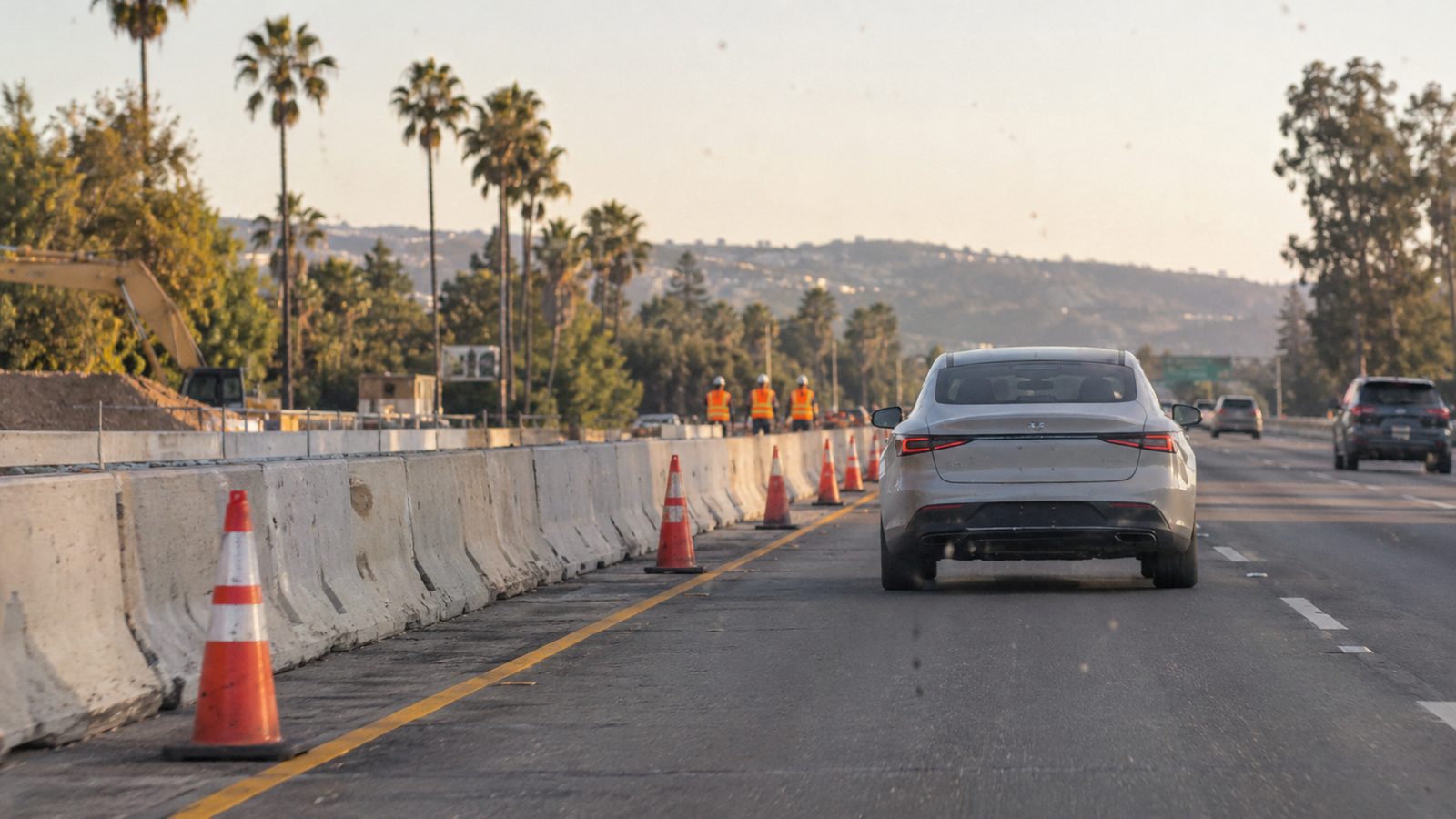
The DMV named two incidents. In the first, three Waymo cars drove into an active construction zone on U.S. Highway 101 near Burlingame. Workers, equipment and other vehicles were inside that zone. The agency says similar incidents have happened more than once.
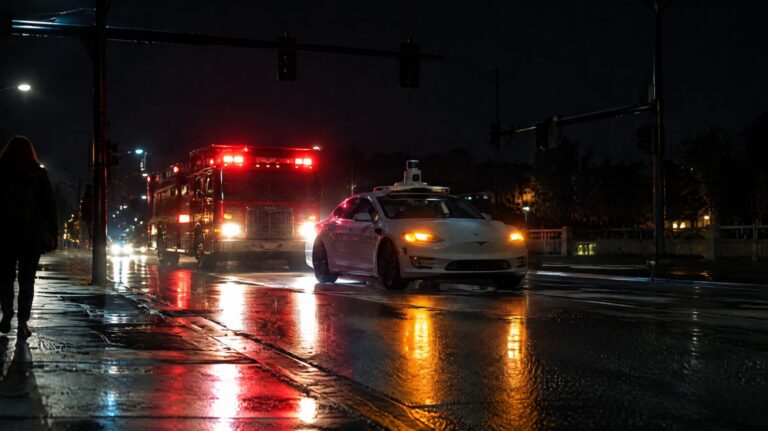
In the second, a Waymo tried to pass California Highway Patrol cars on Interstate 280 in San Francisco. The officers had their lights flashing and were slowing traffic for a traffic break. A video of the moment spread online.
The DMV said the cars kept entering work zones even after an earlier restriction and fixes in May. In the agency’s words, Waymo’s freeway operations “pose an imminent hazard to public safety.”
What changes for riders
If you ride a Waymo in California, your trip may take longer. The company’s app has warned riders that some routes will skip the freeway. Airport trips are harder, because the freeway is the usual road to San Francisco International Airport.
Waymo says its city service keeps running. The company says it serves more than half a million trips each week. Waymo has also paused freeway rides in its other cities while it checks how its cars perform.

What comes next
The restriction stays until Waymo shows the DMV that it has fixed the problem. The company must prove its cars can spot construction zones, emergency vehicles and other road trouble. The DMV makes the final call. Waymo has not given an end date.
This is the second freeway pause this year. In May 2026, Waymo paused freeway service in several cities, including San Francisco and Los Angeles. Freeway rides came back in July, after Waymo said it had updated its software. Now the DMV says the same kind of problem came back.
Our take: the evidence is mixed
Not every expert sees this as a warning sign. A University of San Francisco professor, Billy Riggs, said the data shows self-driving cars are safer than human drivers overall. He also said these cars often miss context that a human would catch.
Both views can be true. Averages may favor robotaxis. But this order is about the moments people fear most: a fast highway, a closed lane and police trying to slow traffic. Waymo has to show it handles those moments.
If you use a robotaxi, expect freeway trips to be off the table for now. Check the app before you ride if you need the freeway. Watch for an announcement from Waymo or the DMV when the restriction ends.