
Can Robots Bring Stroke Surgery to Remote Hospitals?
Picture a small town hospital at night. A patient arrives with a stroke, and the only surgeon who can clear the blockage is an hour away by car. A new kind of robot may change that. It could let a surgeon hundreds of miles away do the work from a chair.
The company Remedy Robotics has built a robot called the N1 System. A surgeon sits at a controller with a hand grip and a foot pedal. The robot pushes a thin, bendy tube through the blood vessels in the patient’s head. Then it pulls out the clot that is blocking blood flow to the brain. The operation is called a thrombectomy.

Why supporters say speed is everything
About 5 million people worldwide have a stroke caused by a blocked artery each year. Only about 1 in 10 eligible patients get this surgery, according to IEEE Spectrum, the engineering magazine that reported the story. Roughly one in five Americans lives more than an hour from a hospital that can do it.
Archit Bhatt, a neurologist at Providence in Portland, puts the stakes plainly. “Every minute wasted or delayed, 2 million brain cells are going to die.” He sees a chance for these centers in mid-sized, economically stable towns.
Brad Nelson, a robotics researcher at ETH Zurich who is not part of Remedy, makes the strongest case. He says telesurgery should start with emergencies like stroke. He also says blood vessel work is forgiving. If the robot freezes, “nothing bad can happen other than the thing stops moving.”
Why critics say the connection is the weak point
Every move travels from the surgeon to the robot and back. Remedy says its system pauses the surgery if that round trip takes longer than 150 milliseconds. That is 0.15 seconds, a blink. Mike Teodorescu at the University of Washington says experts see 100 milliseconds as safe. Many rural areas struggle to reach that number. “It’s an infrastructure problem,” he says.
Jasdeep Bahra, who works in Kilifi, Kenya, raises a different worry. Robots like this could pull the best doctors into cities. Small towns would then get the robot but not the people who know how to use it. He favors systems that train doctors on site.
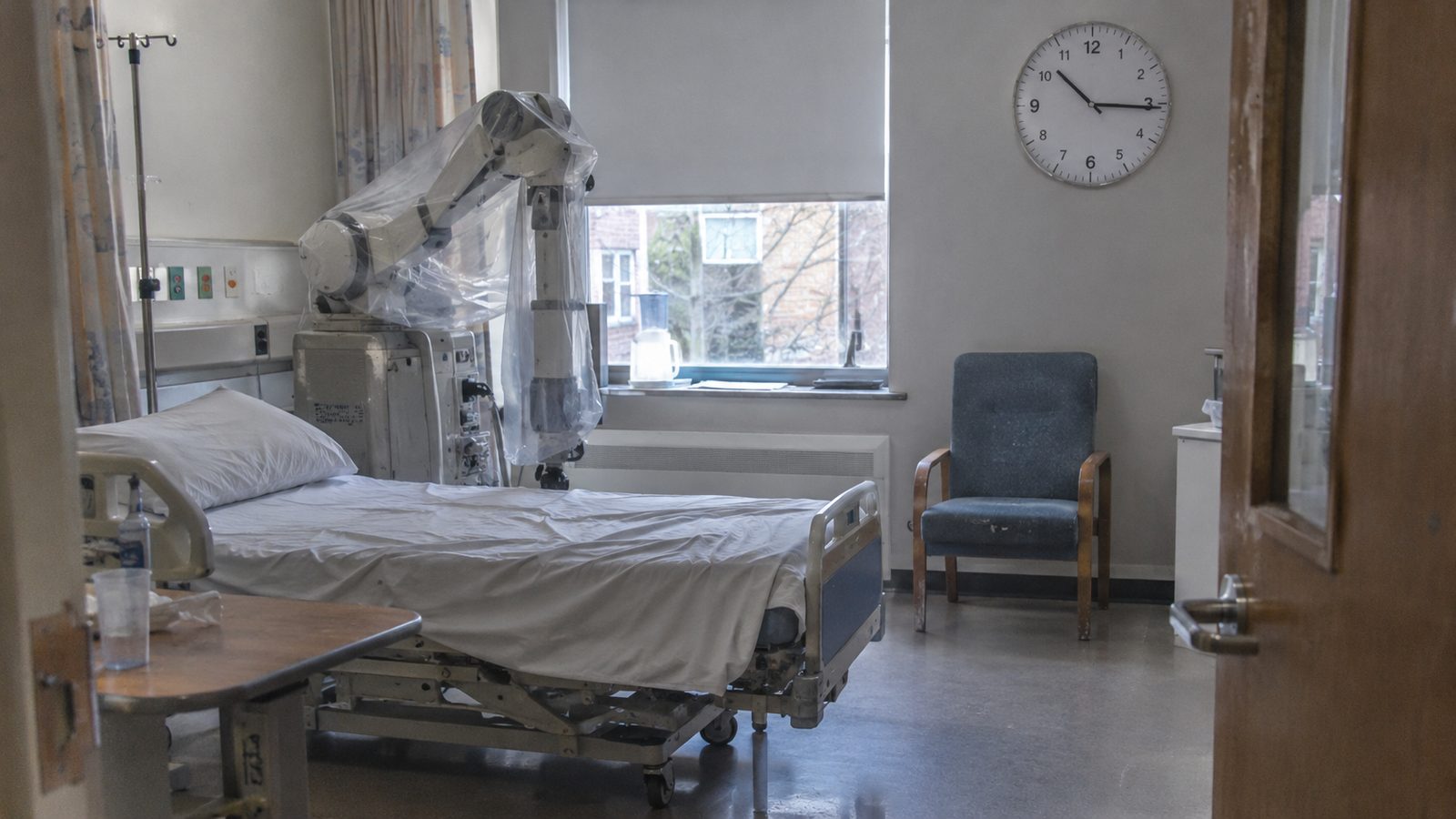
David Bell, the CEO of Remedy, names problems inside his own company. He worries that surgeons may lose hands-on skill. He also asks how one remote surgeon could watch several patients at once. “So how do you figure that out? That’s something I think about a lot.”
How much proof exists so far
The proof is small. Ten patients agreed to nonemergency procedures. Six were treated in a room next to the surgeon. Two were in another part of the same hospital, and two were at a different hospital across town. The company reports that every procedure succeeded. It also reports that the surgery took nearly half the usual time.
No company has full approval for telesurgery yet. No patient has been operated on remotely in the United States. The first trials in the University of California system will start with planned surgeries, such as repairs of bulging blood vessels. Remote stroke surgeries are planned for late 2027.
Where this leaves you
My read: the case for remote stroke surgery is strong, and the case for trusting it is not yet proven. Ten patients is a start, not a verdict. Expect the first real answers after the trials, not from the first demo videos.
For now, the thing that saves brain cells is speed. If someone shows stroke signs, such as a face drooping, weak arms or slurred speech, call 911 right away. Ask the ambulance crew to take the patient to the nearest stroke center.