
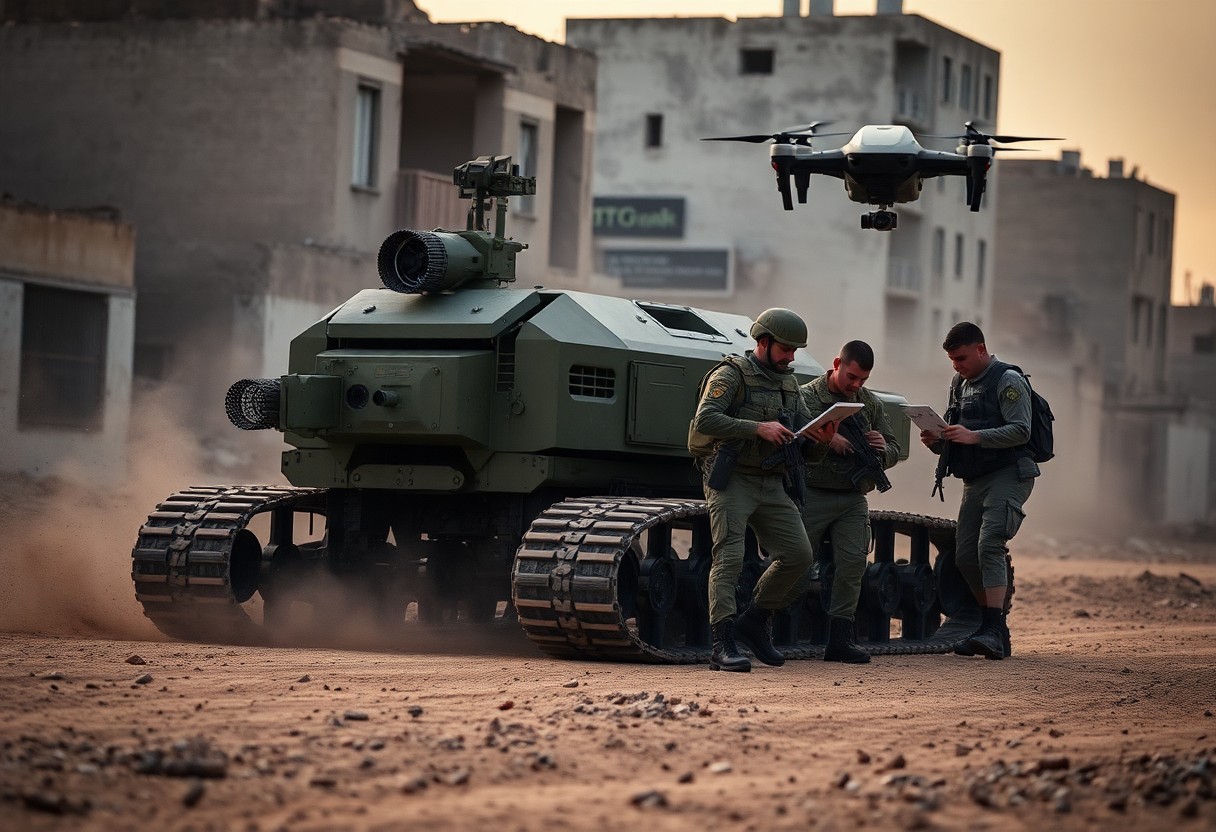
Most military analysts agree that autonomous systems now shape engagement outcomes as much as firepower. You operate in an era where unmanned ground vehicles scout hostile zones, AI-driven drones identify threats in real time, and robotic logistics units sustain frontline operations without direct human oversight. A single AI-controlled swarm can execute maneuvers once requiring entire […]
Category: Robotics
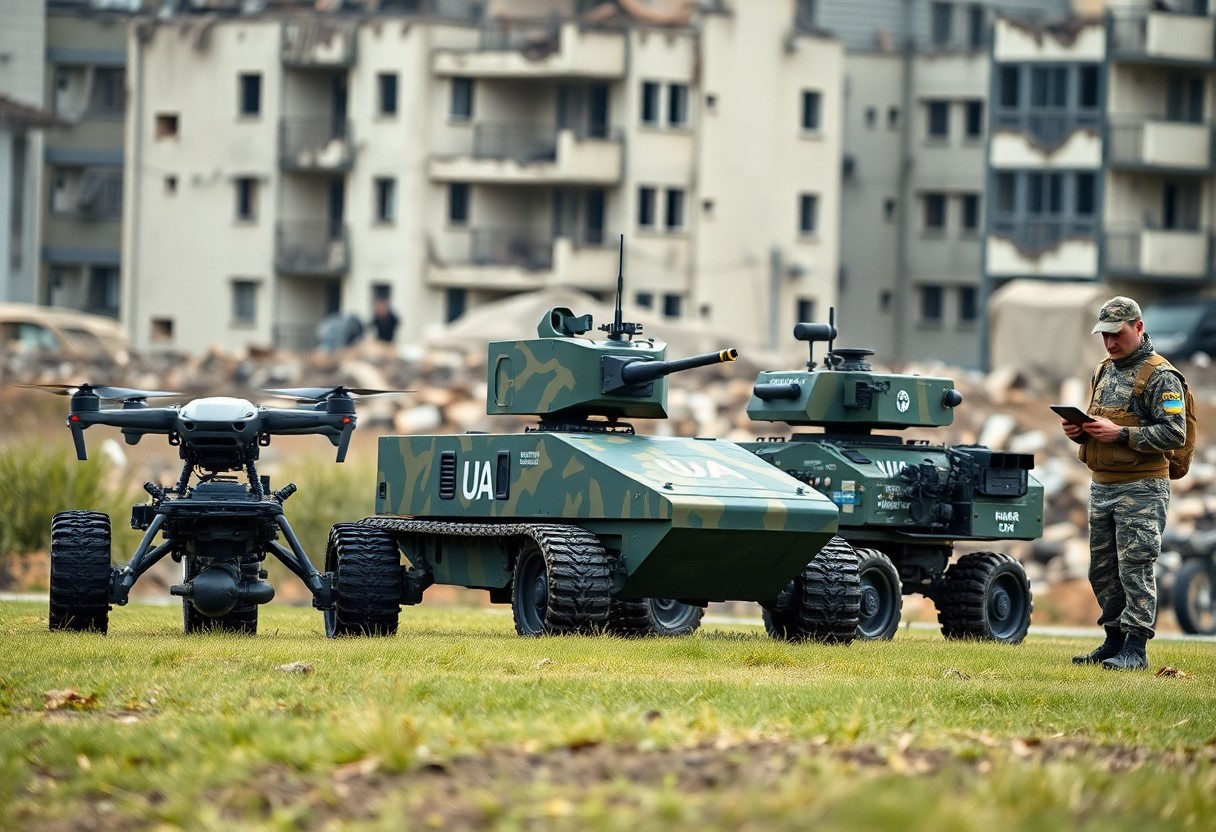
The Evolution of Military Robotics in Ukraine
Ukraine became a proving ground for military robotics, where drones and autonomous systems shifted combat dynamics in real time. You witness this transformation not in theory but in daily battlefield reports, where small quadcopters spot targets, loitering munitions strike with precision, and unmanned ground vehicles evacuate wounded soldiers. A mid-sized SaaS firm could not prototype […]
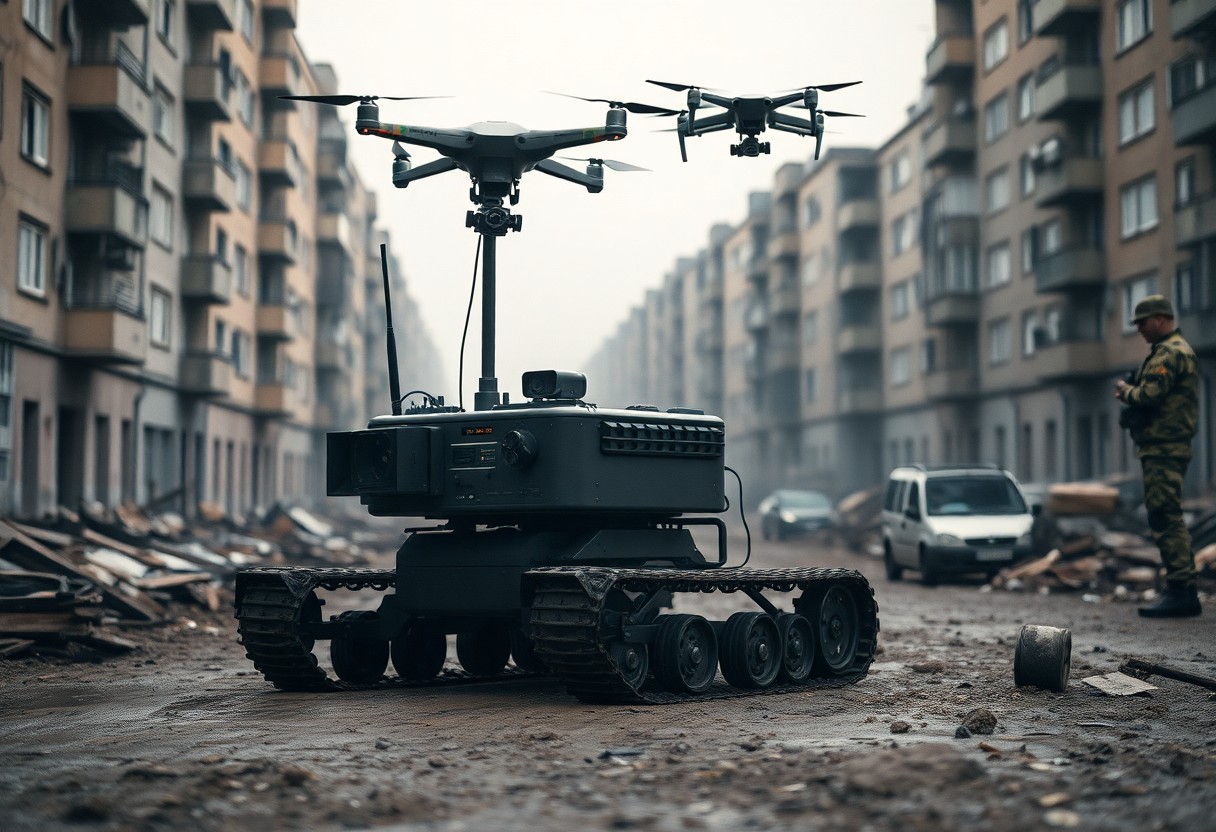
How Robots Are Supporting Reconnaissance Missions in Ukraine
Many military observers now recognize robotic systems as central to modern battlefield awareness, and in Ukraine, you see them operating just behind the front lines. Unmanned ground and aerial vehicles gather real-time visual and electronic data, allowing commanders to assess enemy movements without risking personnel. A mid-sized SaaS firm might rely on automated analytics, but […]

Military Robotics Beyond Drones – The Rise of UGVs
Many associate military robotics solely with aerial drones, yet you operate in a world where ground-based machines are reshaping combat and support roles. Unmanned Ground Vehicles (UGVs) now perform bomb disposal, reconnaissance, and supply transport in high-risk environments. A mid-sized SaaS firm might rely on cloud infrastructure, but modern brigades rely on UGVs to reduce […]
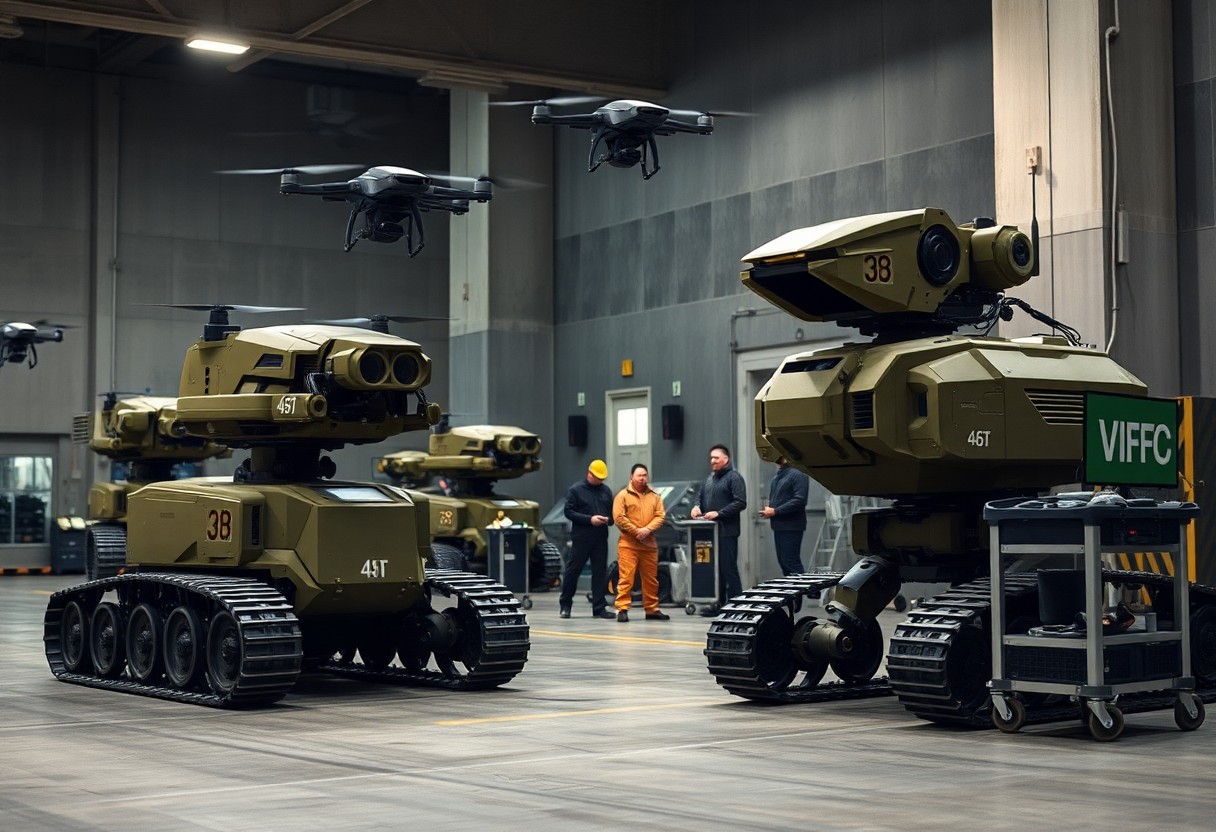
The Growing Role of AI in Military Robotics
With militaries around the world integrating artificial intelligence into robotic systems, you are witnessing a transformation in how modern warfare is conducted. Autonomous drones, intelligent surveillance platforms, and AI-driven decision support tools are no longer speculative concepts but active components of defense strategies. A mid-sized SaaS firm developing logistics algorithms for defense contractors recently demonstrated […]
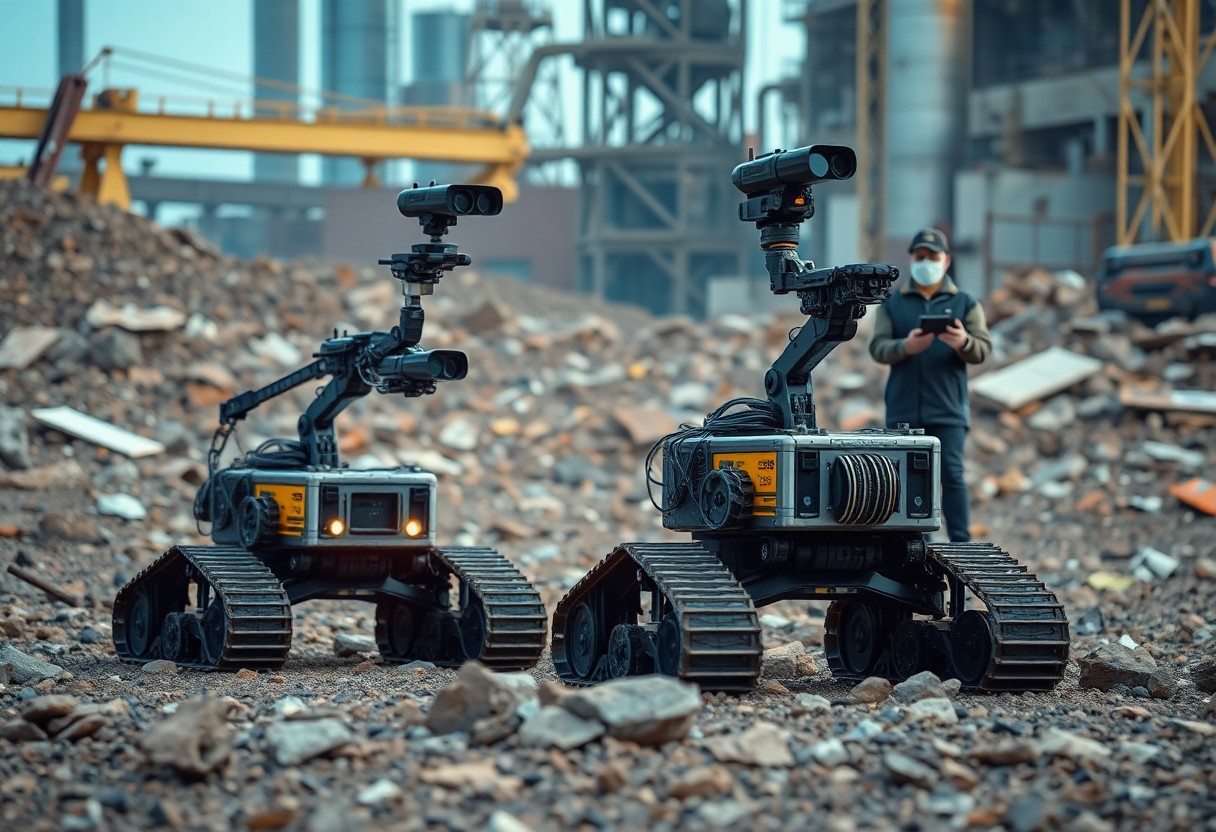
Remote-Controlled Ground Robots in High-Risk Operations
Safety demands innovation when human lives hang in the balance during hazardous missions. You operate in environments where every second counts and exposure to danger must be minimized. Remote-controlled ground robots now serve as frontline assets in scenarios ranging from bomb disposal to disaster reconnaissance. A mid-sized SaaS firm specializing in robotic command systems recently […]
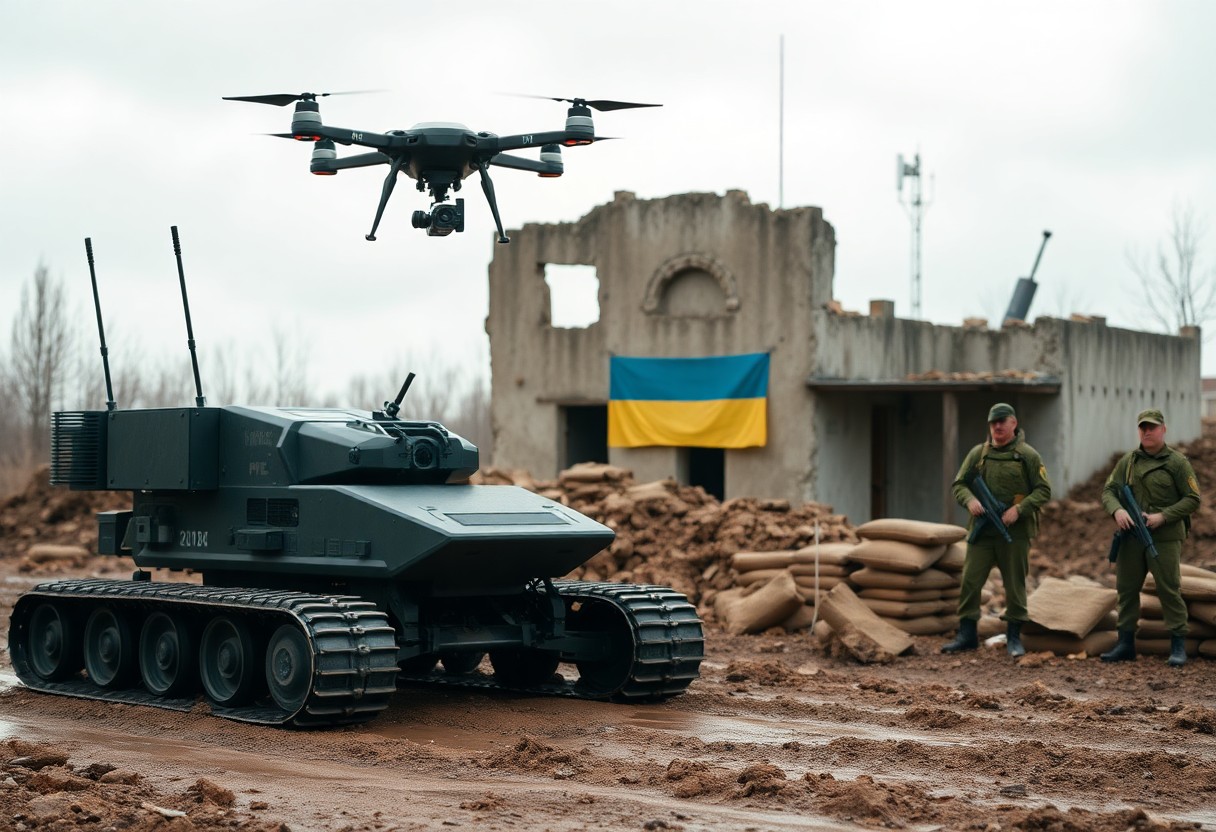
Robotics and Battlefield Innovation in Ukraine
Over 1,000 drones are now deployed weekly by Ukrainian units alone, transforming how modern combat unfolds across Eastern Europe. You are witnessing a live laboratory of battlefield robotics, where necessity drives rapid iteration, and civilian engineers code guidance systems in repurposed basements. This war moves faster than doctrine, rewriting military innovation in real time. The […]
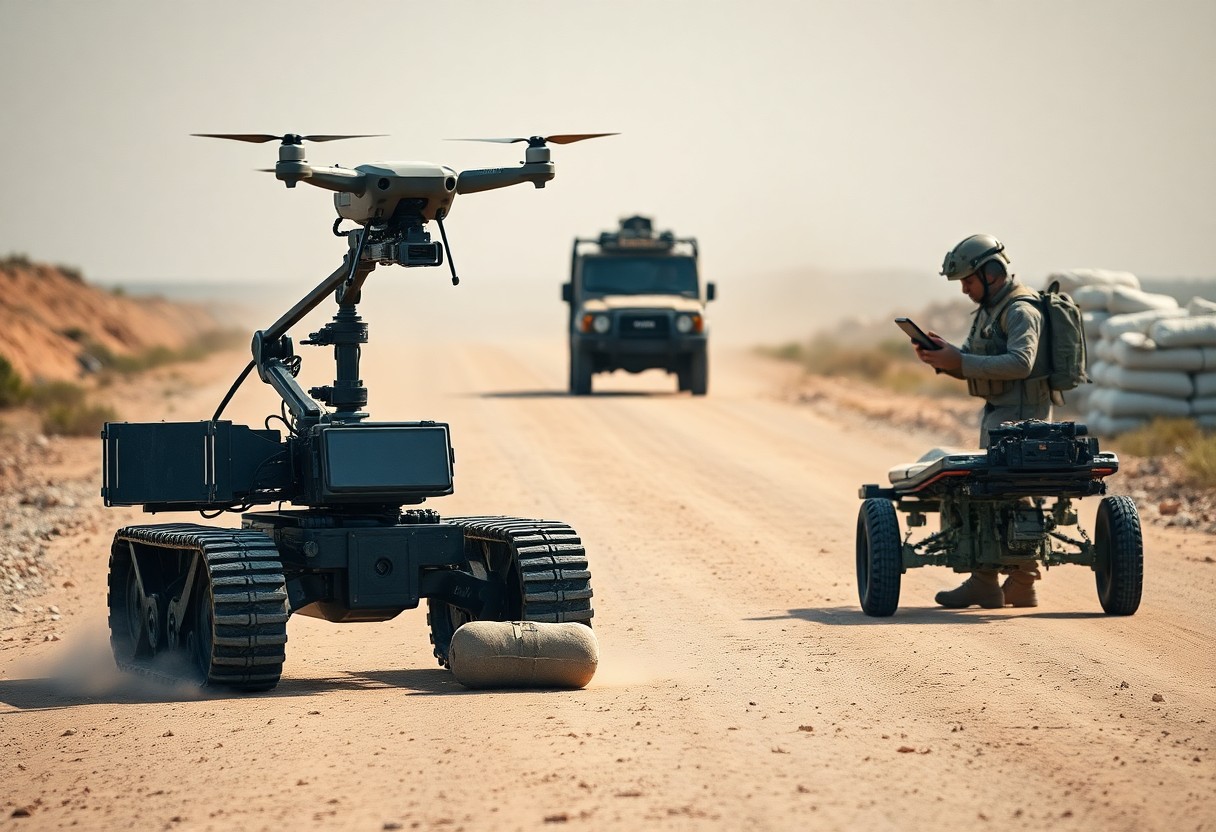
How Military Robots Reduce Risks for Human Personnel
You step into a warzone where machines now absorb the first dangers once borne by soldiers. Military robots perform high-risk tasks-from breaching fortified positions to detecting improvised explosives-keeping human personnel out of immediate harm’s way. These systems are not futuristic concepts but active components in modern defense operations, deployed in reconnaissance, logistics, and direct combat […]
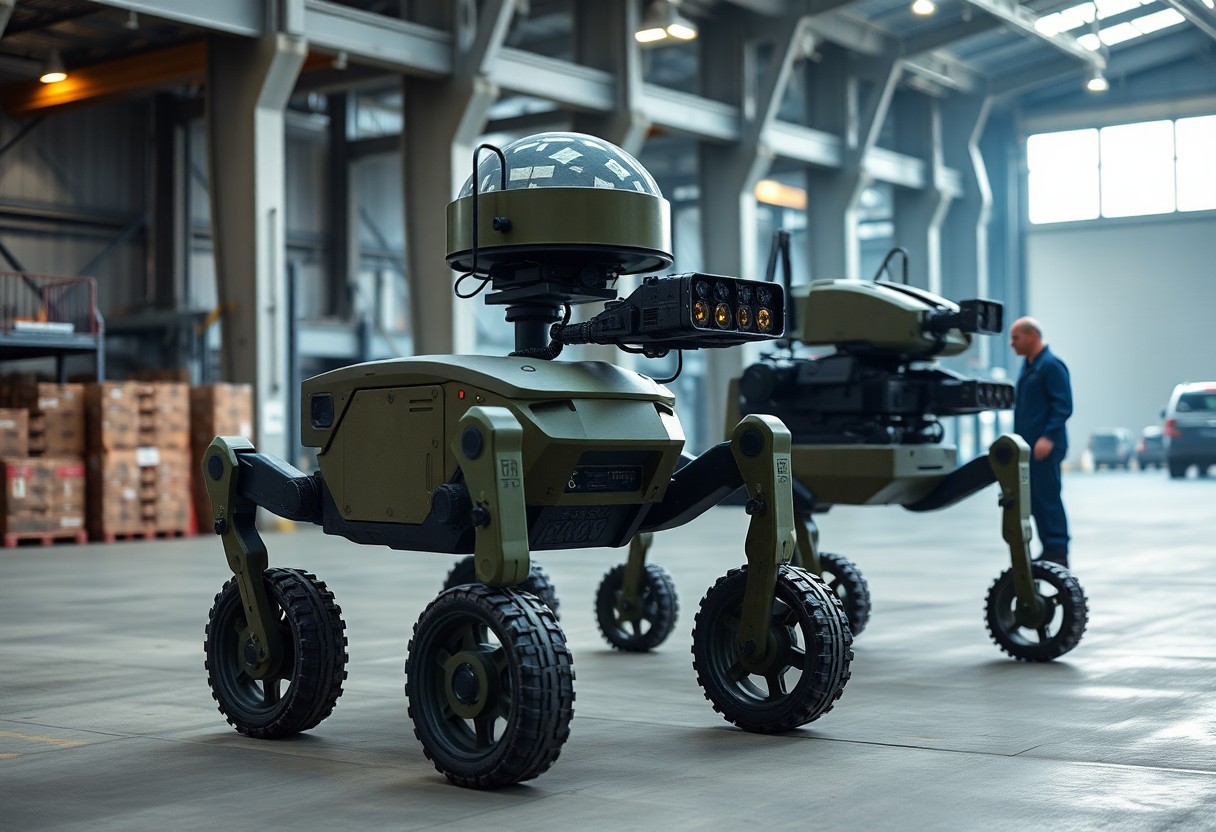
Engineering Next-Generation Military Ground Robots
With modern battlefields demanding faster decisions and greater operational reach, you are now designing ground robots that integrate advanced mobility, real-time sensing, and autonomous decision-making to operate alongside human forces in high-threat environments. These systems must endure extreme terrain, respond to dynamic threats, and maintain secure communication under electronic attack, setting new benchmarks in durability […]
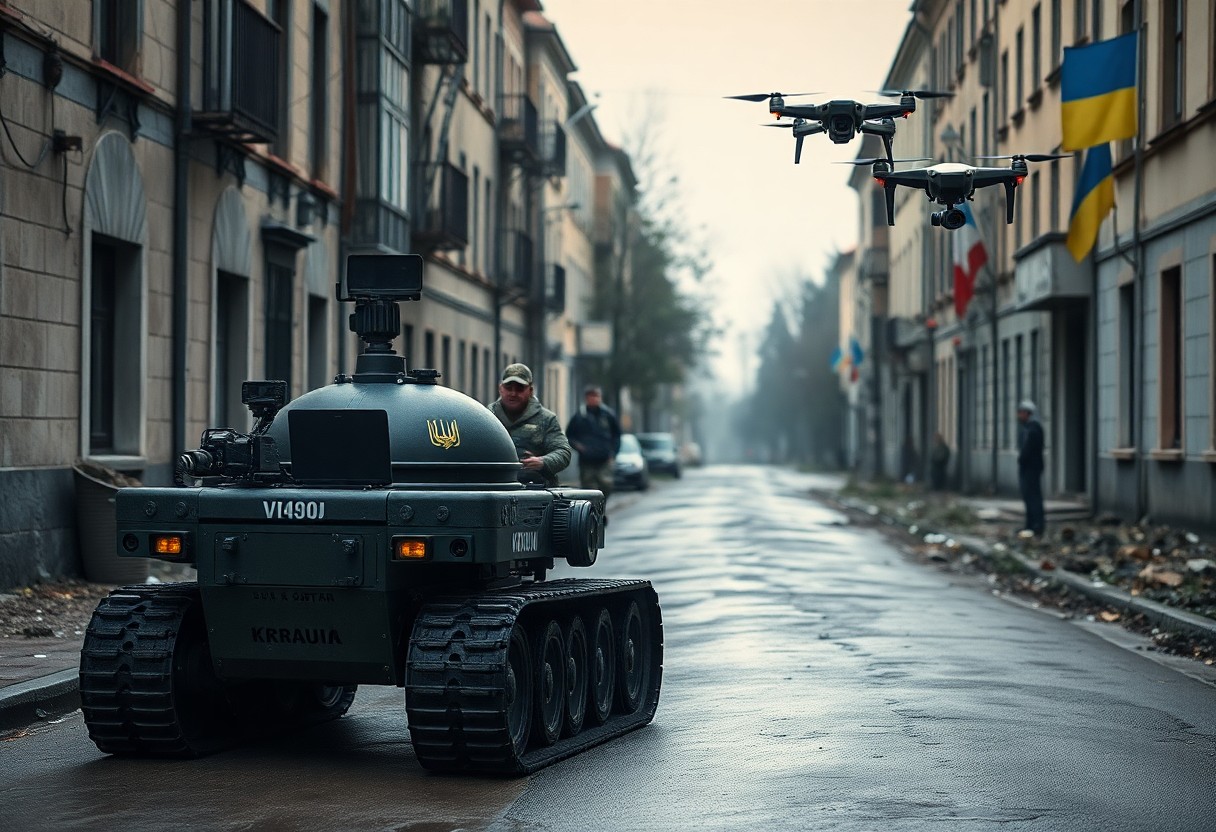
Lessons from Ukraine for Military Robotics Development
It’s clear that the battlefields of Ukraine have become a proving ground for military robotics, where your assumptions about autonomy and combat effectiveness are tested daily. Drone swarms intercept artillery, AI-guided systems track movements in real time, and low-cost platforms challenge billion-dollar tanks. What unfolds is not theoretical-it’s operational reality, reshaping how forces integrate machines […]