
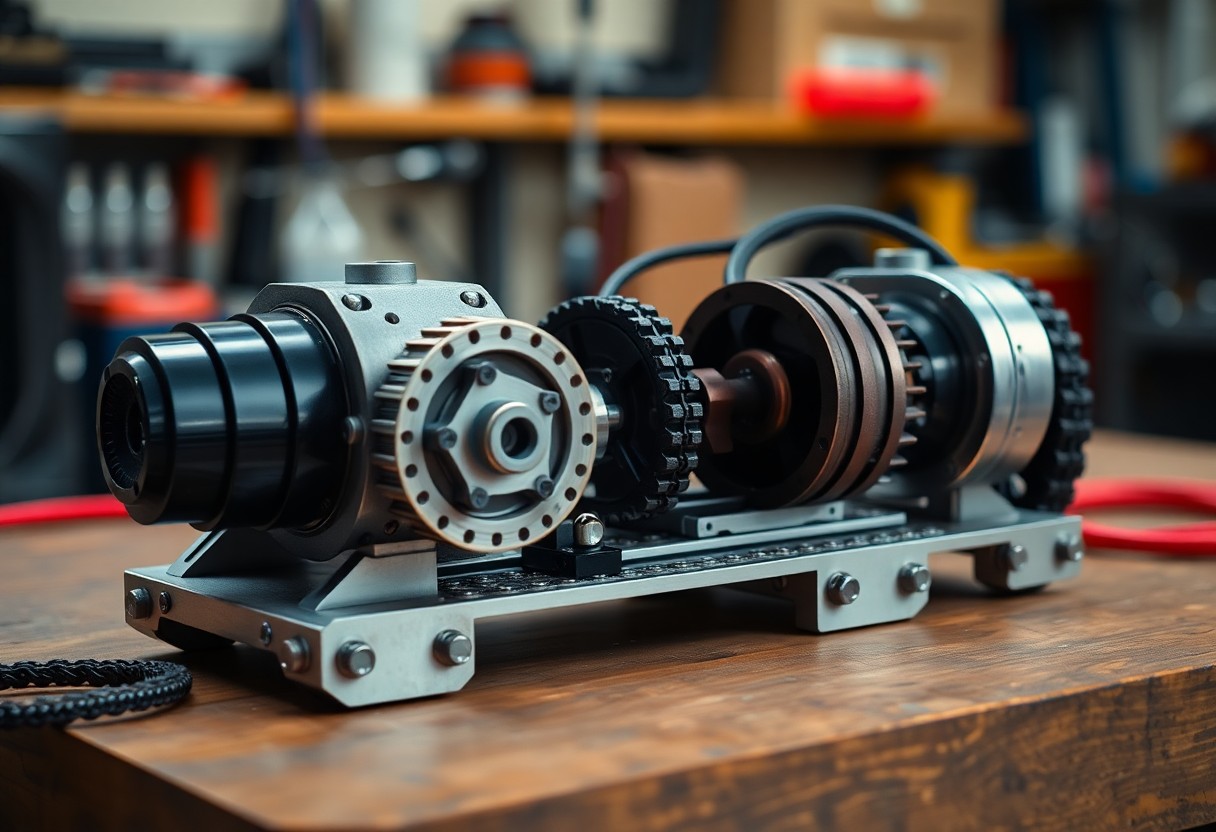
Drive performance determines how fast, agile, and durable your combat robot will be in the arena. You need a system that delivers high torque, responsive control, and resilience under impact. Choosing the right motors, gear ratios, wheels, and motor controllers directly affects your robot’s ability to attack, evade, and survive. The Heart of the Machine […]
Category: Technology
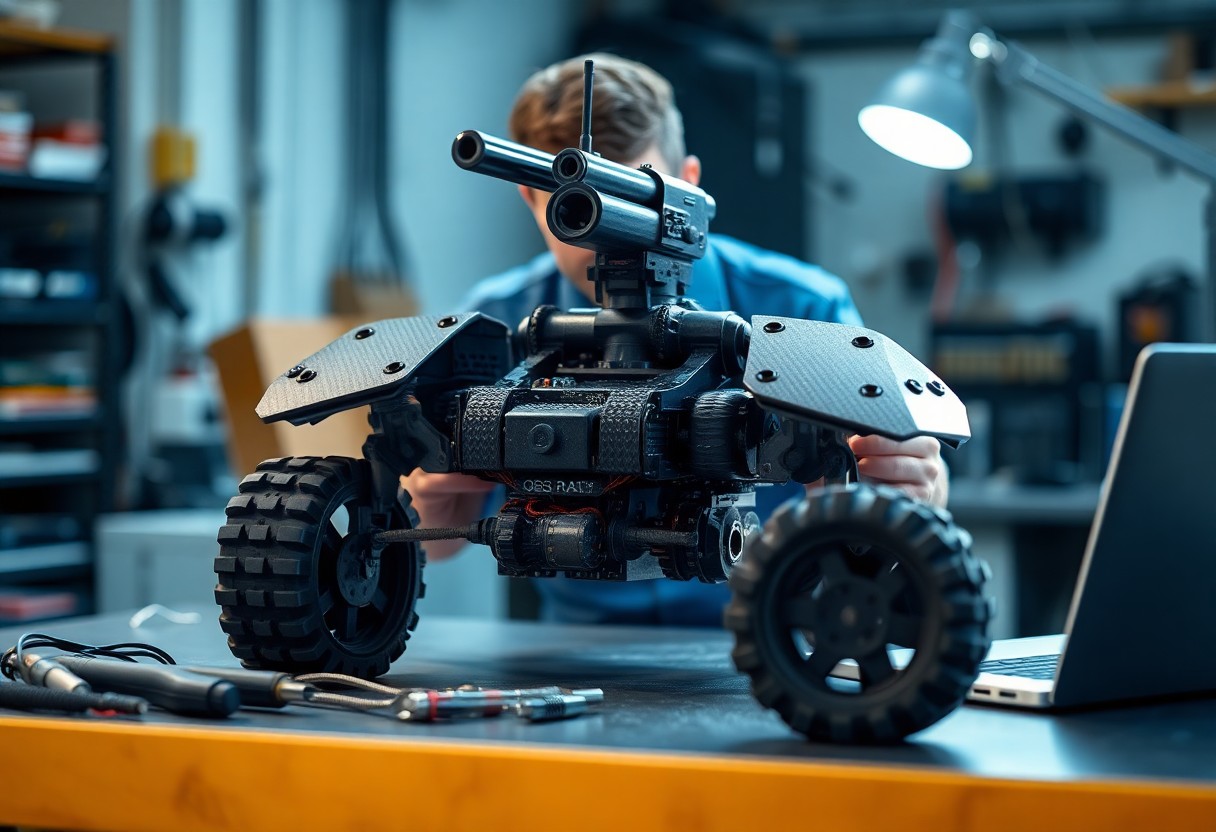
Building a Remote-Controlled Combat Robot
Over the past decade, hobbyists and engineers alike have turned to building remote-controlled combat robots as a hands-on way to explore mechanics, electronics, and strategy. You design for durability, speed, and weapon effectiveness, balancing power with control. Every component, from motors to radio systems, must work in sync under high stress. This guide walks you […]
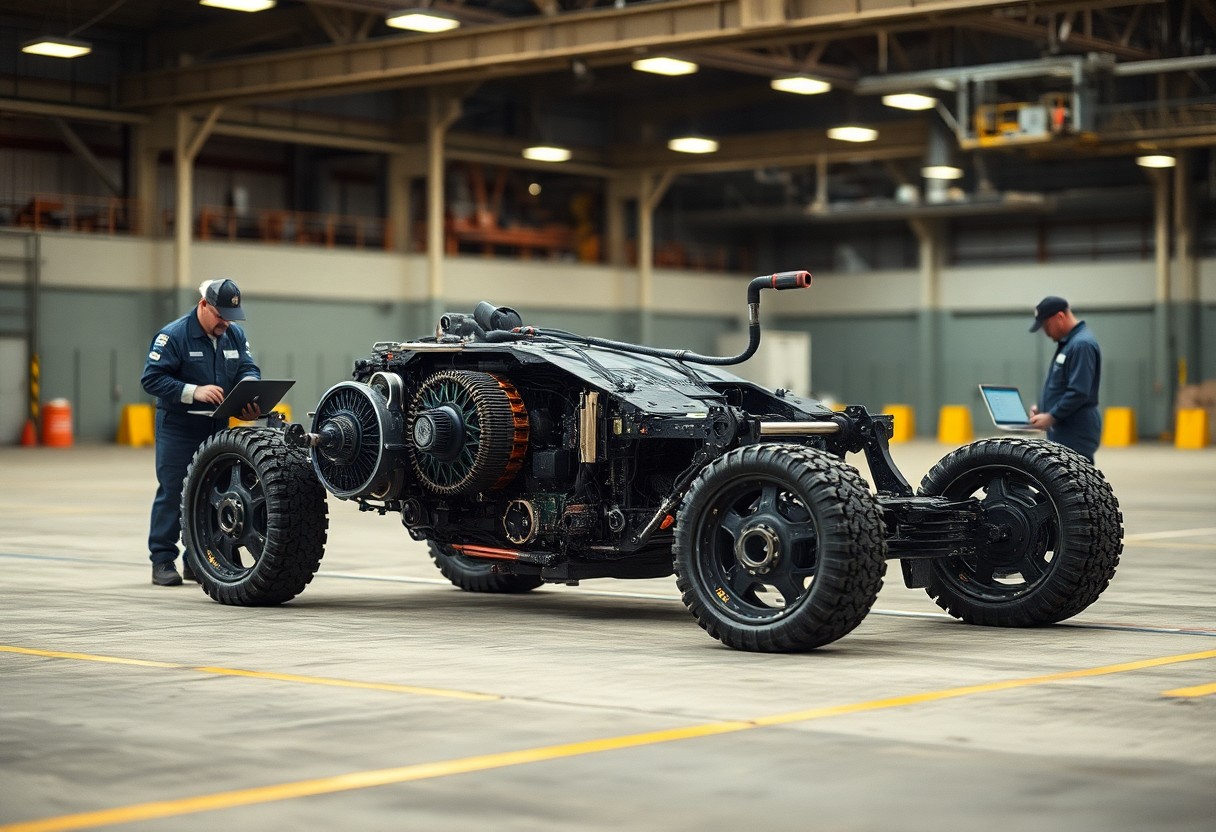
Testing and Improving Your Robot Wars Prototype
Many builders overlook the real value of iterative testing until their robot fails in the arena. You need to stress-test every system-drivetrain, weapon, and armor-under conditions that mirror actual combat. Use each trial to identify weaknesses, make targeted upgrades, and verify performance gains. Your robot evolves not in design alone, but through relentless, hands-on refinement. […]
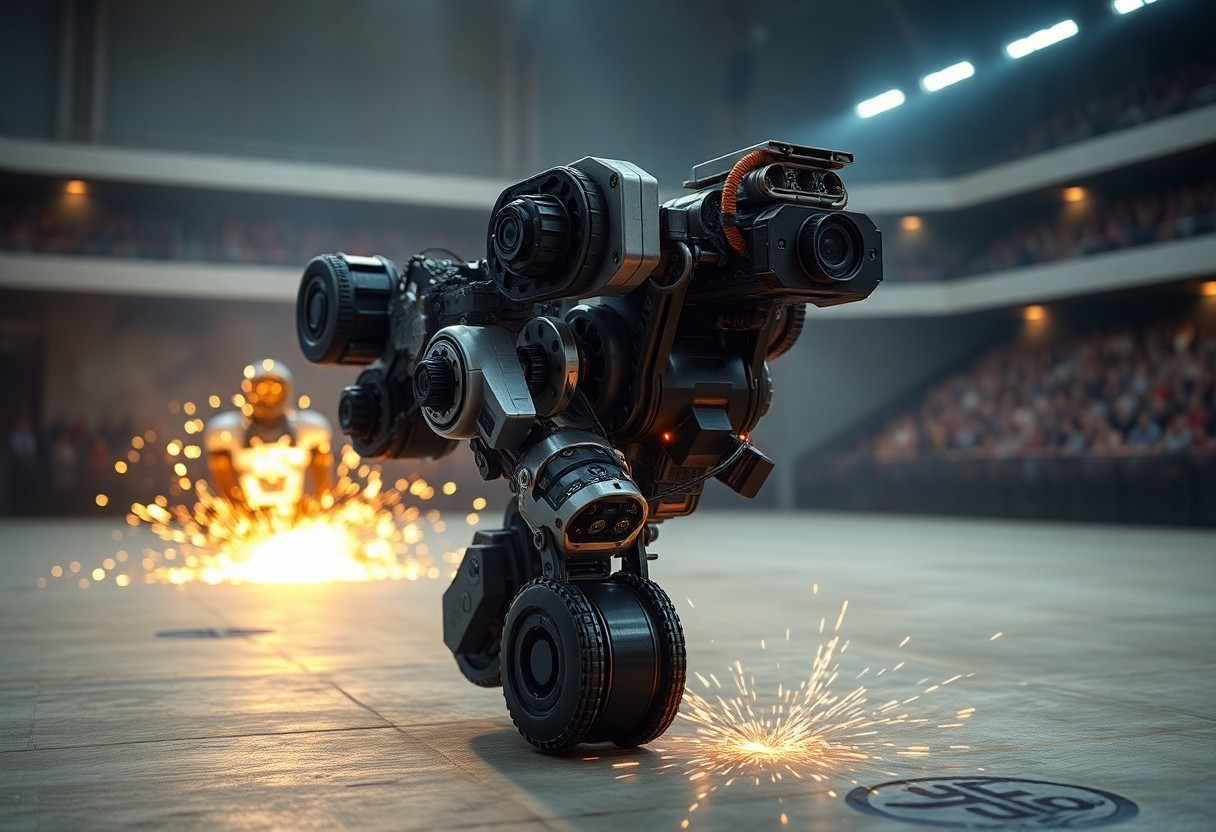
Designing a Robot That Can Flip, Push, and Outsmart Opponents
Many combat robotics enthusiasts aim to build machines that dominate through agility, strength, and strategy. You need a design that integrates powerful actuators, low-center-of-mass stability, and responsive controls to flip and push opponents effectively. Smart sensor integration and predictive algorithms give your robot the edge to anticipate moves and react decisively in fast-paced battles. The […]
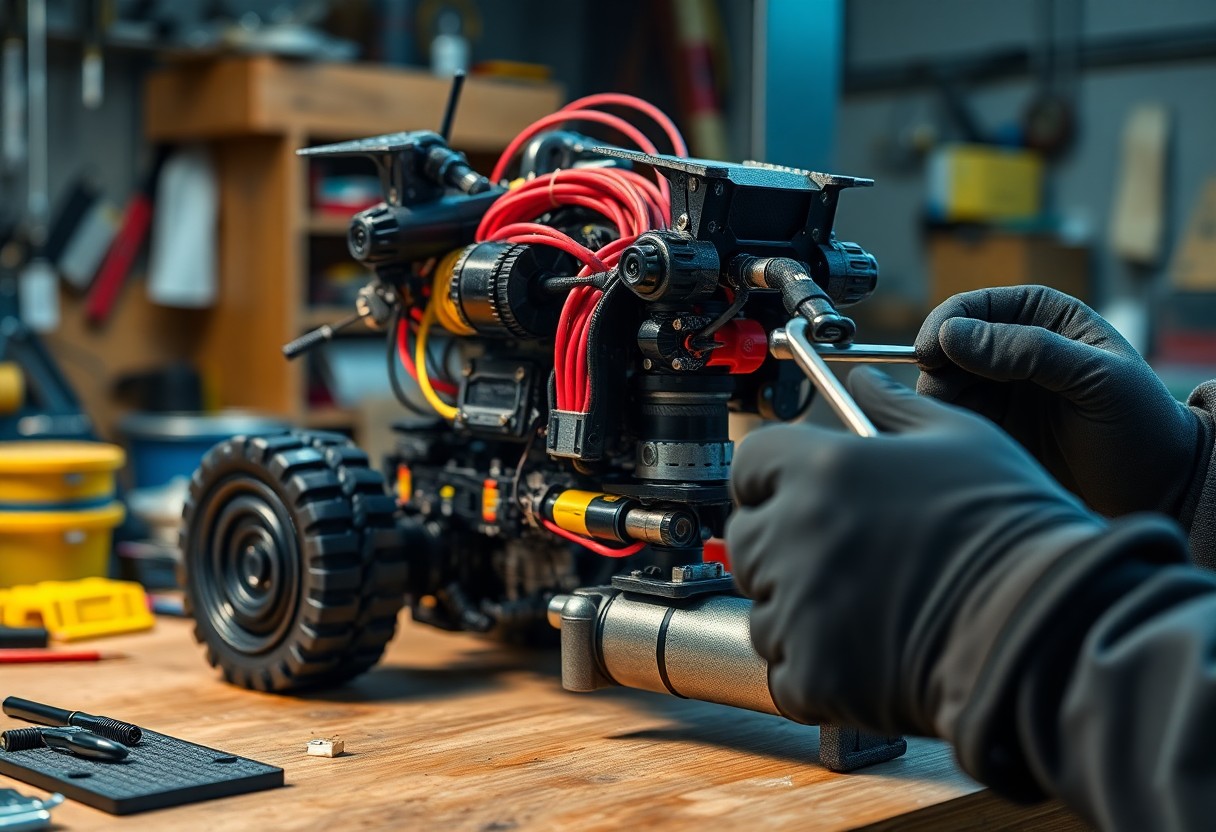
How to Upgrade Your Combat Robot for Better Performance
Over time, your combat robot faces tougher opponents and more demanding arenas. You need smarter motors, stronger armor, and refined control systems to stay competitive. This guide shows you exactly which components to upgrade and how to install them for maximum impact in the ring. Evaluating Critical Performance Factors Every combat robot’s effectiveness hinges on […]
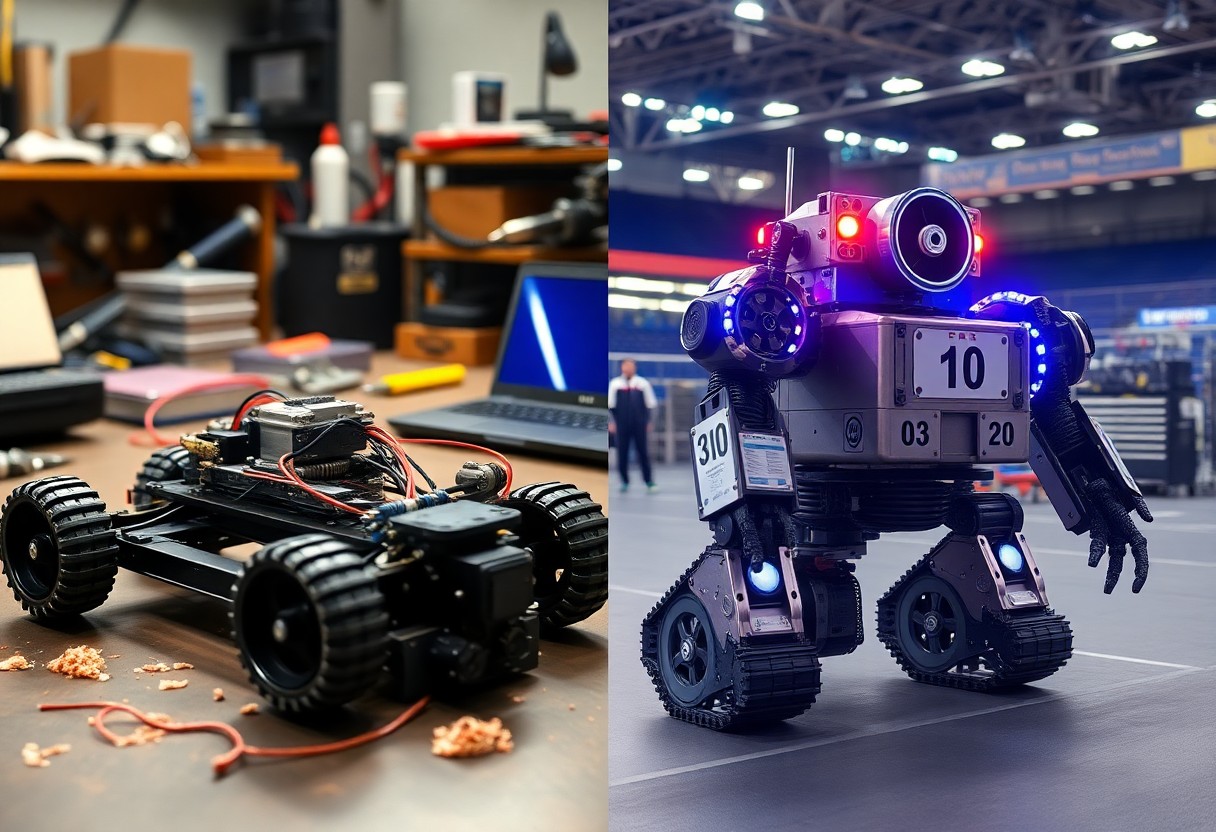
From First Prototype to Competition-Ready Battle Robot
Just beginning your journey from concept to combat robot? You start with a basic prototype, refine mechanics through testing, strengthen armor, optimize weapon systems, and fine-tune control. Each iteration sharpens performance. With persistence and precision, your machine evolves into a reliable, competition-ready contender built to withstand real arena challenges. The Raw Steel Every battle bot […]

Mechanical Design Challenges in Robot Combat
Just designing a combat robot that survives impact requires you to balance strength, weight, and mobility under extreme conditions. You face material fatigue, weapon integration, and structural integrity with every build. Your choices directly determine whether your robot withstands blows or fails in the arena. The Weight Limit and the Hard Choice You face a […]
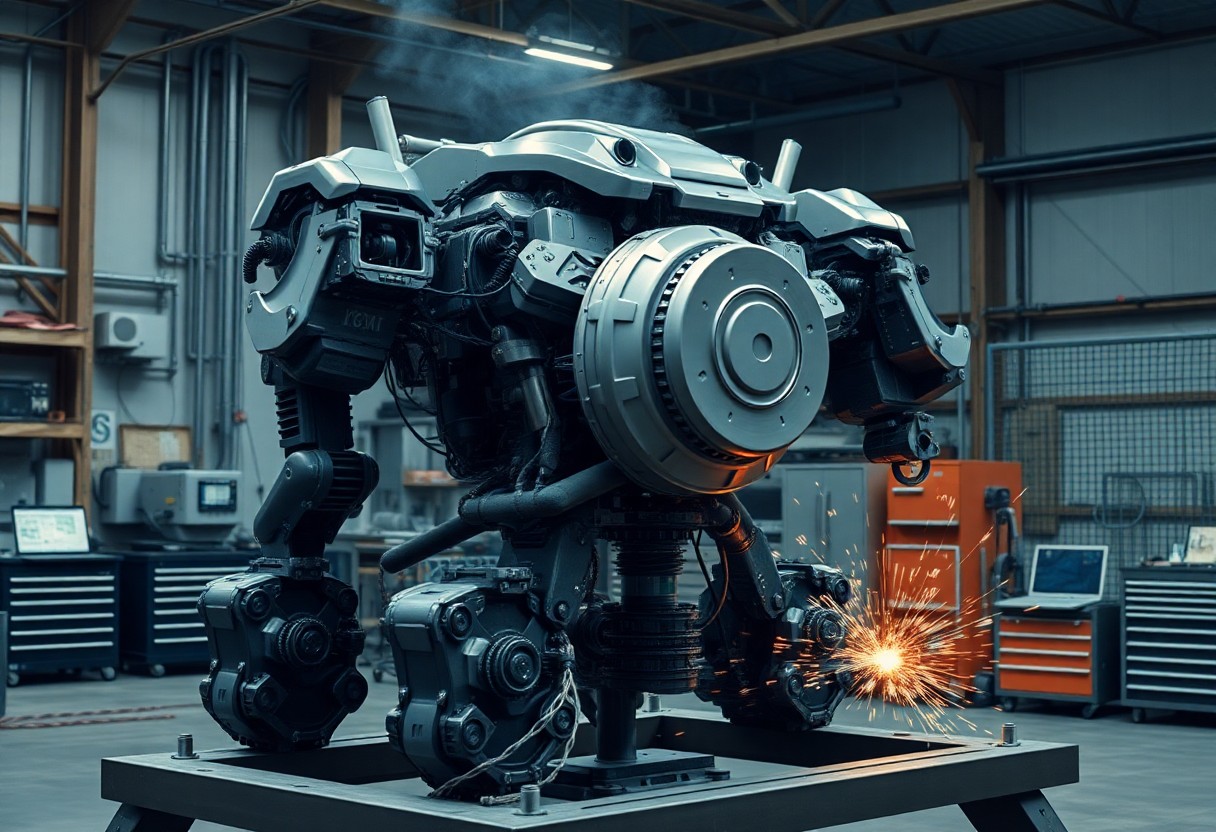
Building the Ultimate Robot Wars Competitor – Design, Build, and Battle
Most successful Robot Wars competitors begin not with power tools, but with a clear plan. You need a design that balances speed, armor, and weapon efficiency. Every choice you make-from materials to motor selection-directly impacts performance in the arena. Build with precision, test relentlessly, and enter the battle ready to adapt. The Skeletal Structure of […]
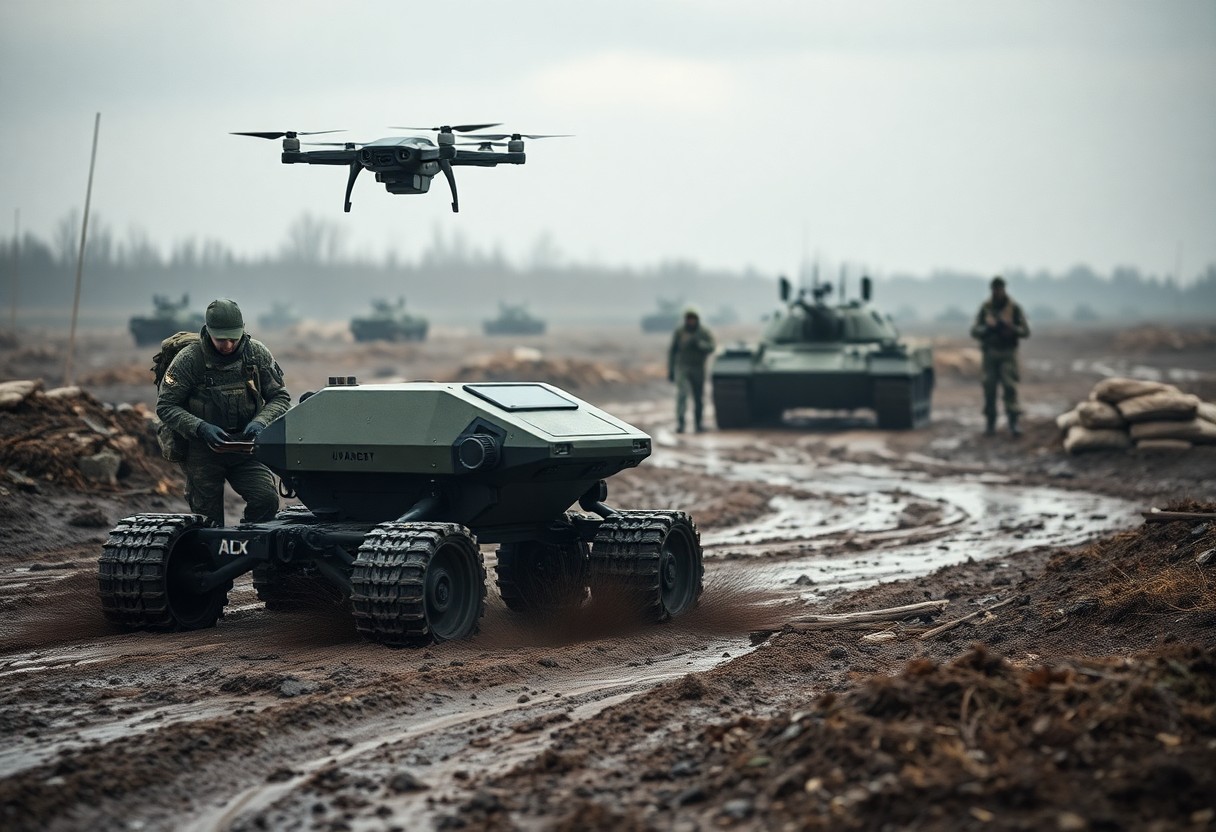
Robotics Reshaping the Battlefield in Ukraine
Just above the trenches and wheat fields of Ukraine, drones hum with a frequency unseen in modern warfare. You see them altering supply runs, spotting artillery targets, and striking with precision once reserved for manned aircraft. Robotics are no longer auxiliary tools here-they are central actors, rewriting tactics in real time across a contested frontier. […]
The Rise of Ground Robots in Modern Warfare
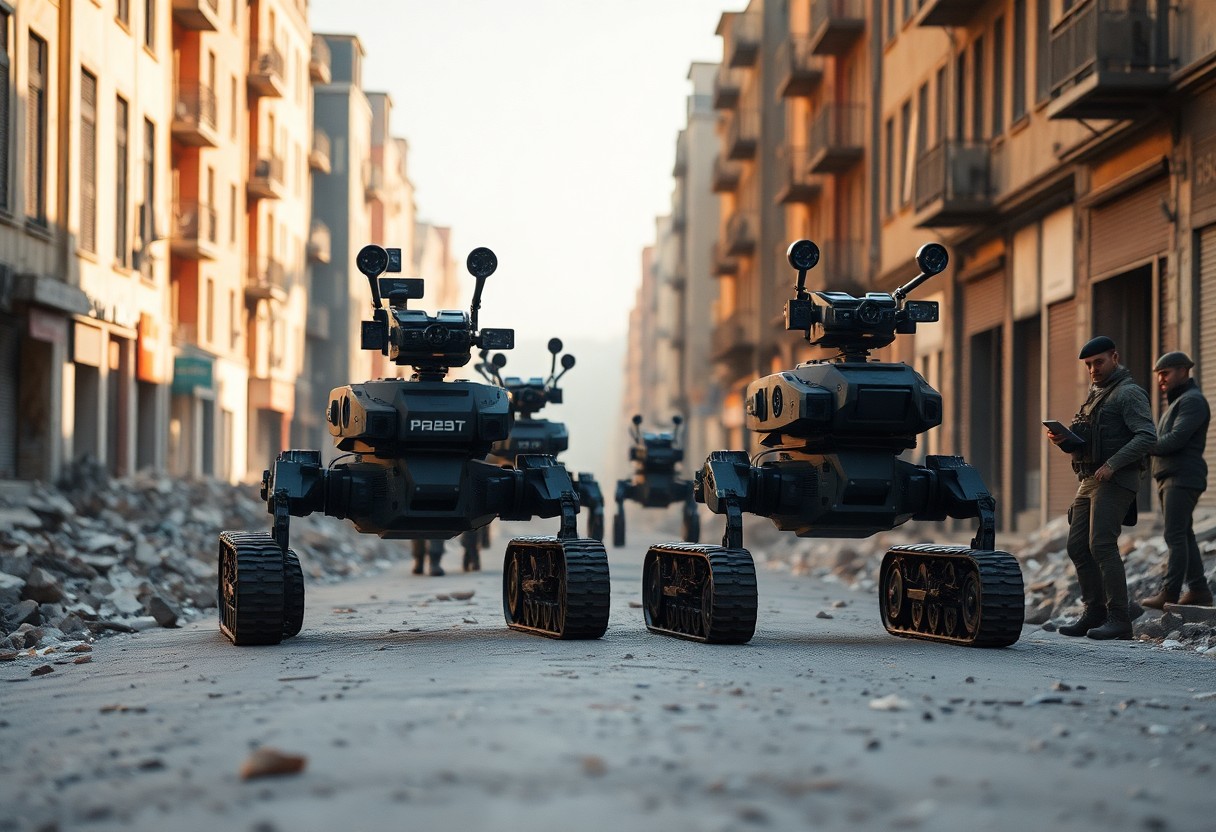
Most military planners now expect ground robots to play a decisive role in future combat operations, a shift already visible in recent conflicts where unmanned systems have taken on reconnaissance, logistics, and direct engagement tasks. You operate in an era where algorithmic targeting and remote-controlled mobility redefine battlefield dynamics, with pilot programs from Ukraine to […]