The UN Could Not Agree on Killer Robot Rules. Should It Have Tried Harder?
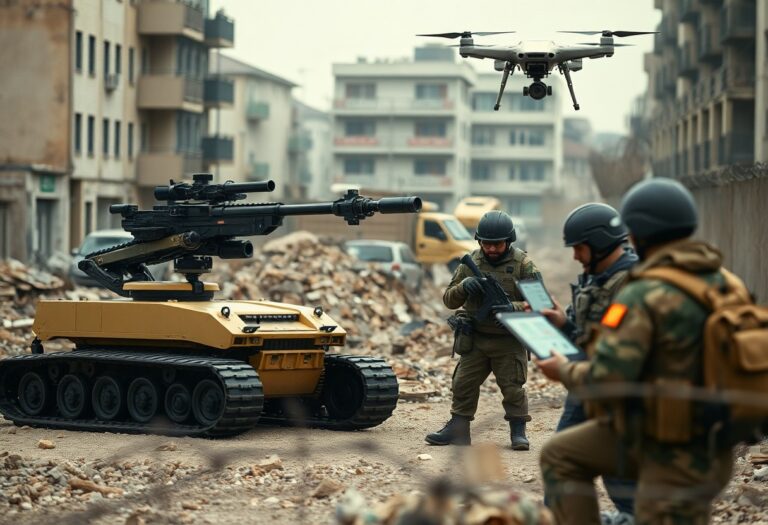
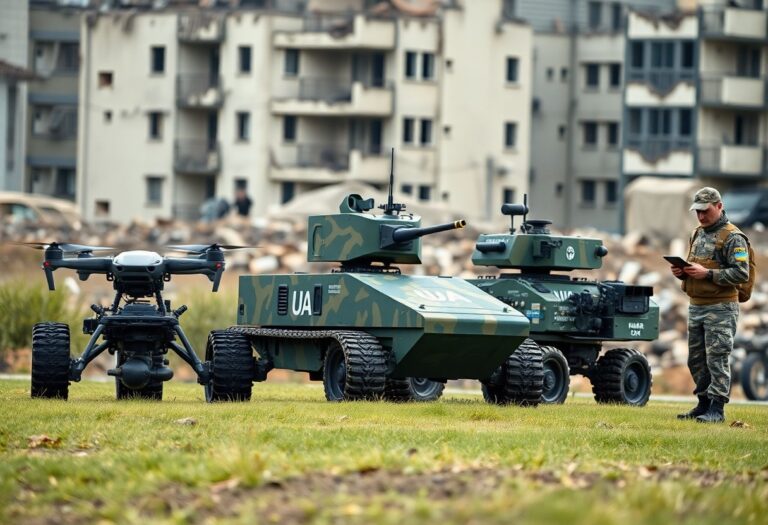
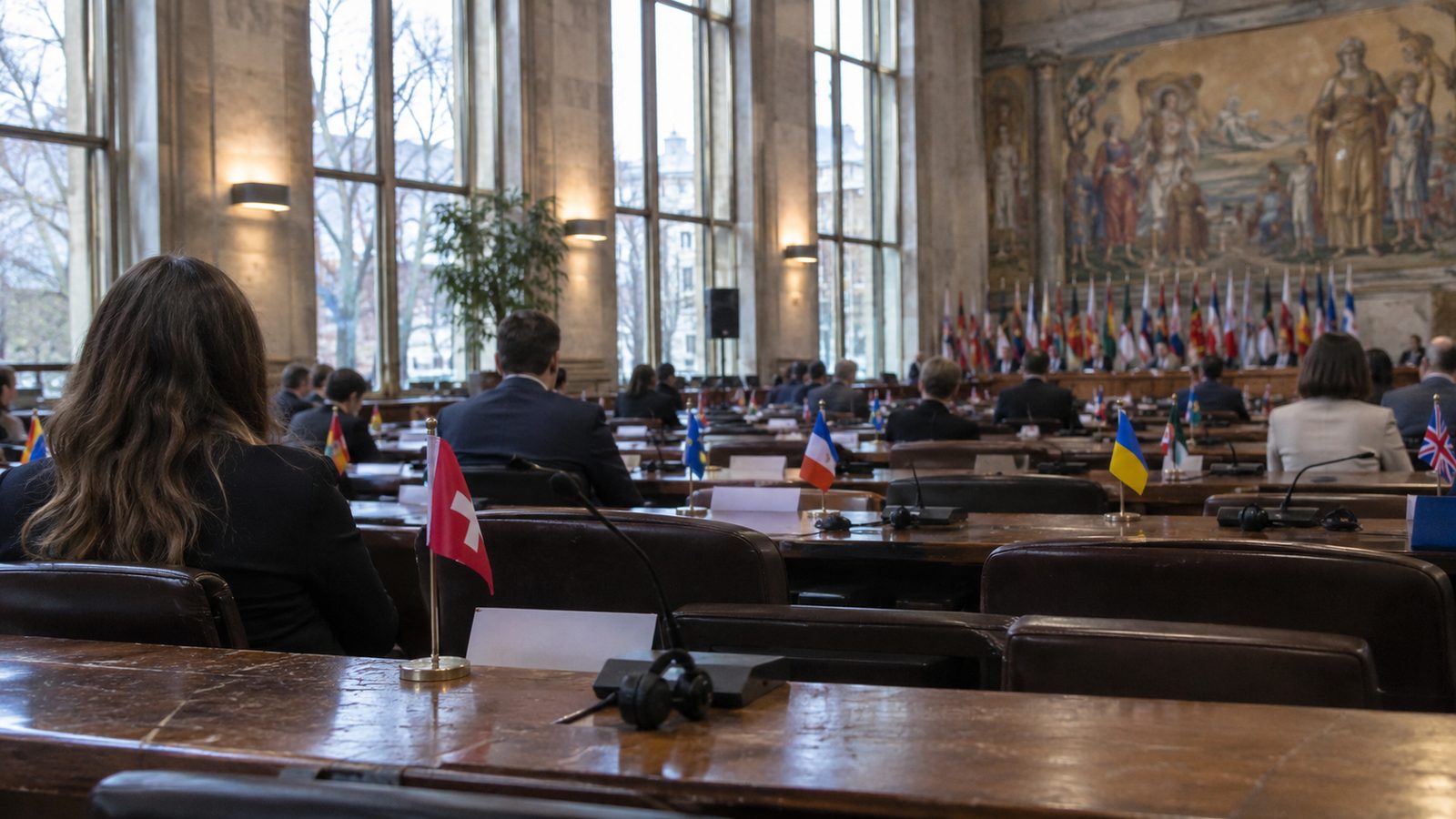
Diplomats from many countries spent five days in Geneva this month on one question. Should machines that choose their own targets be banned, or controlled by rules? They ended without binding rules.
The meeting was held under the Convention on Certain Conventional Weapons, a UN treaty that limits certain weapons. It ran from November 16 to 20 at the UN office in Geneva. The final text was adopted on November 21, according to Gizmodo.

What the talks actually agreed
The one firm result is more time. Countries agreed to keep talking until 2028, according to Gizmodo. Switzerland’s UN mission called it a step toward an international instrument on these weapons.
Critics say that is not enough. Beatrice Fihn, a Swedish lawyer who won the 2017 Nobel Peace Prize, called the text watered down. She said most countries wanted a new treaty.
The case for firm rules now
Supporters say waiting has a cost. UN Secretary-General António Guterres and the head of the International Committee of the Red Cross called in August for rules to be adopted quickly. Fihn quoted them:
a failure to act quickly and decisively will cost lives.
Human Rights Watch, a group that tracks these weapons, says 76 countries now back moving to negotiations. It gave that count in September, after an earlier round of talks. It also says Russia and the United States weakened the text.
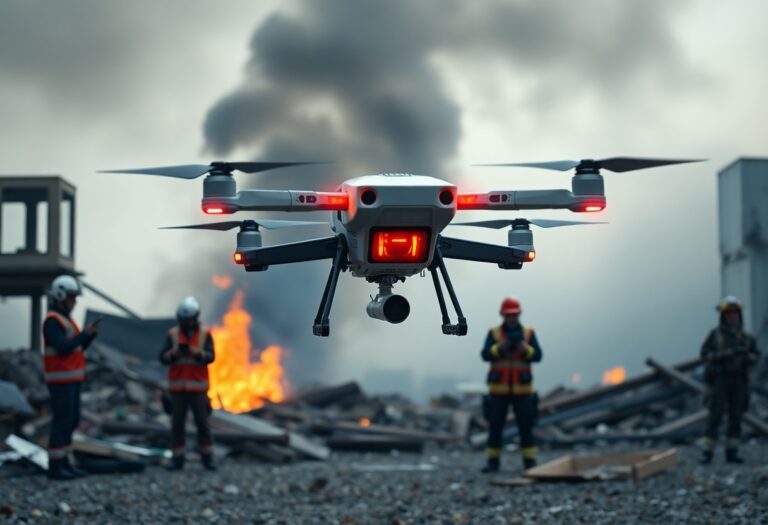
A New York Times report, cited by Gizmodo, describes a Russian drone that may have acted on its own in August. It may have killed three people. The report uses the word “may,” so treat it as a claim, not a proven fact.

The case for going slower
The strongest resistance shows up in the reporting, but no government explains it on the record. AP reporting, as cited by Gizmodo, says countries with large militaries, such as Russia and the United States, blocked stronger rules. The source for that is unnamed activists.
The usual argument for slower talks runs like this. A rule that many countries refuse to sign may not stop anyone. Rules written in a hurry can also be too vague to use. This is the general argument, not a statement from any government in these reports.
What it means for you, and what is still unclear
These talks cover weapons. They do not decide what your robot vacuum or lawn mower can do.
Three things stay open. The exact final wording is not quoted in the reports available. The reports do not say which countries blocked which parts. And it is unclear how much a machine must decide alone before a rule applies.
My view: a promise to keep talking is not a rule. Talks that end without rules leave each country to decide for itself. Watch for a written draft text, not another round of speeches.