The White House Calls Imported Robots a Security Risk. There Is No Tariff – Yet
The White House has decided that robots made abroad are a national security problem. On October 28, President Donald Trump signed a proclamation saying imports of robots and industrial machines “threaten to impair the national security of the United States.”
Here is the part that matters for your wallet: it puts no new tariff on anything. Not today, anyway. Instead it starts a countdown.
What the proclamation actually says
The finding comes from the Commerce Department. It looked into the question under a trade law from 1962 (Section 232). That law lets a president limit imports that put national security at risk. The investigation began in September 2025.
The White House says America “produces less robotics and industrial equipment than it consumes.” It says the country relies on foreign imports for most types of these machines and their parts. The proclamation also flags possible cybersecurity risks from some foreign-made products.
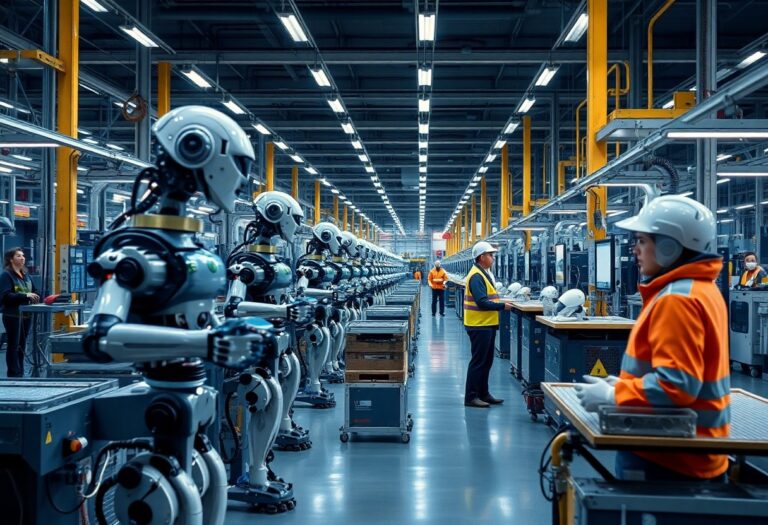
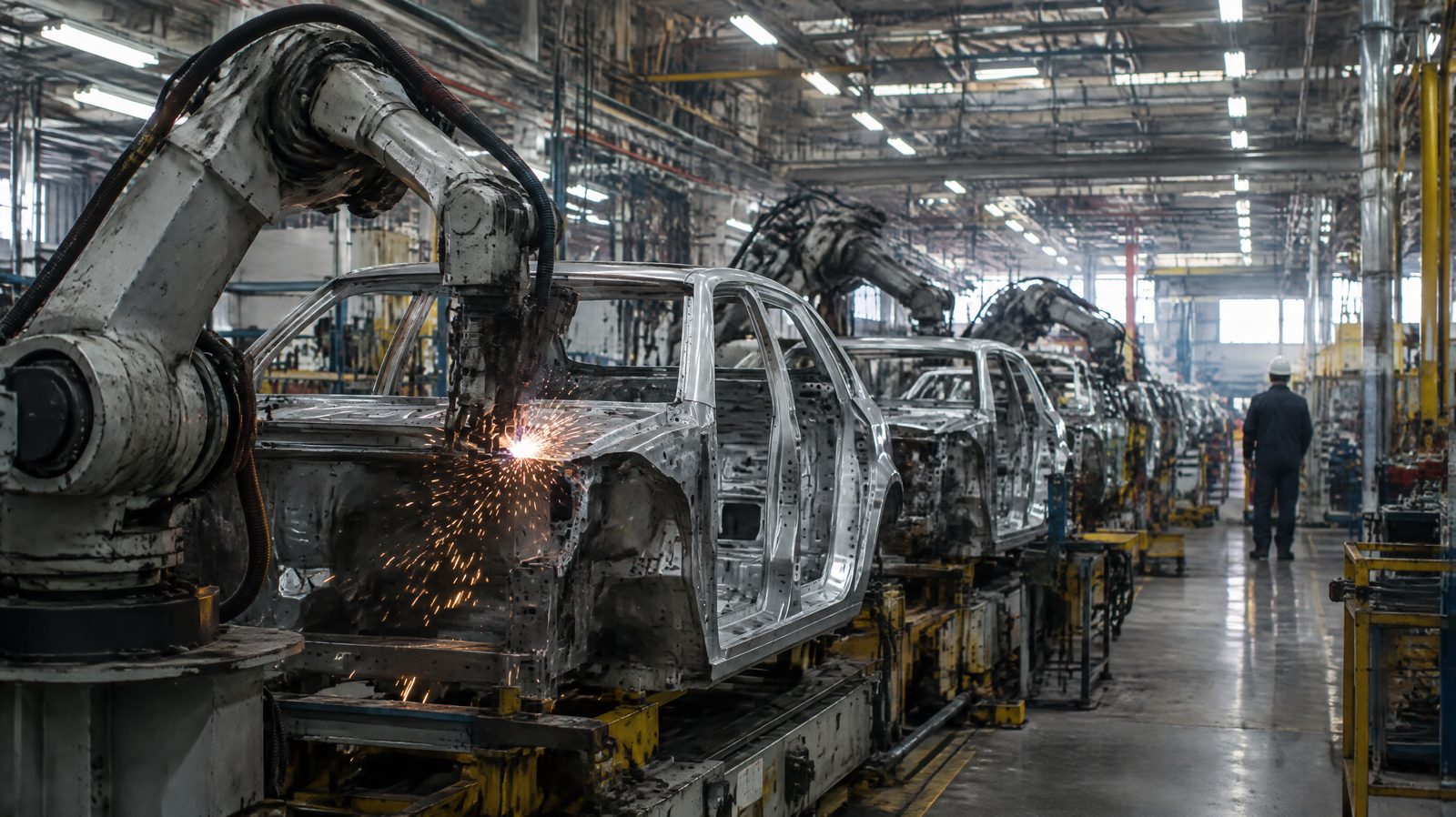
It lists examples of what it means. Humanoid robots, four-legged robots, self-driving ground vehicles and other autonomous robots are named because they support the military. Factory robots for car and electronics plants are on the list too. So are heavy machines like construction equipment, medical devices and aircraft.
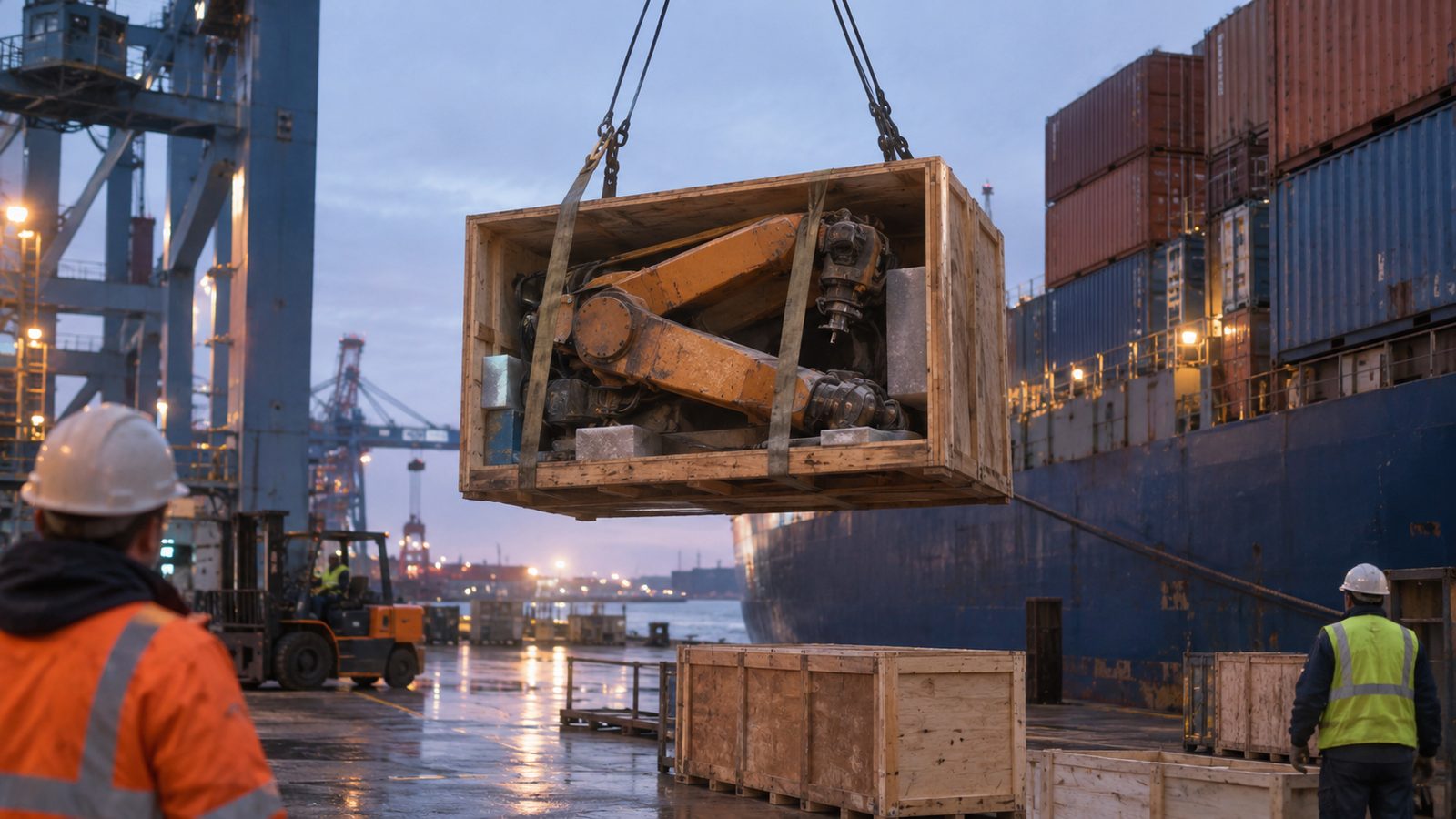
Most factory robots in America come from overseas
The proclamation gives no import figures. Other numbers fill the gap. The International Federation of Robotics, the industry group that counts these machines, says American factories installed 38,400 new robots in 2025. That was up 12% and made the US the second-biggest market, behind China.
The same group says most robots in the United States are still imported from Japan and Europe. China is not named anywhere in the proclamation or the fact sheet. The Robot Report, a trade outlet, links the move to worries about China all the same.
Some big makers are already building closer to home. Robert Little, formerly head of robotics strategy at the parts maker Novanta, told The Robot Report that FANUC, Teradyne Robotics and Yaskawa have announced plans to expand robot manufacturing in the US. His bigger worry is the small parts inside: sensors, motors, precision gears and the position counters on each joint. He says American supply of those is thin.
Six months of talks, then possibly tariffs
The president told the Commerce Secretary and the US Trade Representative to negotiate with trading partners. They must report back within 180 days, which lands around late April 2027. If no deal is reached, or a deal does not work, the proclamation says the president may consider tariffs, quotas, fees or a program that pays companies to build here.
Brendan Schulman of Boston Dynamics told The Robot Report the next phase is about six months of negotiations. Ash Sharma of the research firm Interact Analysis called the decision “a clear indication of the direction of travel.” He also warned against reading it as a robot tariff today.
What changes for you right now: nothing on the price tag
If you were about to buy a robot vacuum or a robot lawn mower, this proclamation does not touch the price. It does not mention home robots at all. Whether they could get swept into a later step is not clear from the text.
The bigger effect is on the companies that build things. A carmaker or a warehouse that plans to buy robot arms now has to budget for a possible tariff in 2027. The robot makers themselves get six months in which talks, not tariffs, set the terms.
Our read: this is a warning shot, not a price hike. The White House has used the same law to put tariffs on steel, cars, chips and drones. Robots are now on that path. Watch for the April update. That is when a robot made abroad could start costing more in America.
Sources
- White House makes Section 232 determination regarding foreign-made robots (The Robot Report)
- Adjusting Imports of Robotics, Industrial Machinery, and Their Parts and Components into the United States (The White House)
- Fact Sheet: President Donald J. Trump Adjusts Imports of Robotics, Industrial Machinery, and Their Parts and Components (The White House)
- Trump administration opens tariff discussion for robotics, industrial machinery (Robotics 24/7)
- U.S. Now Second-Largest Robotics Market, Following China (Robotics Tomorrow)