
How to Tell if a Humanoid Robot Video Is Teleoperated
A person in a headset may be driving that graceful humanoid. Here is how to spot it: copied hand poses, hidden cuts, lag and who stands off-camera.
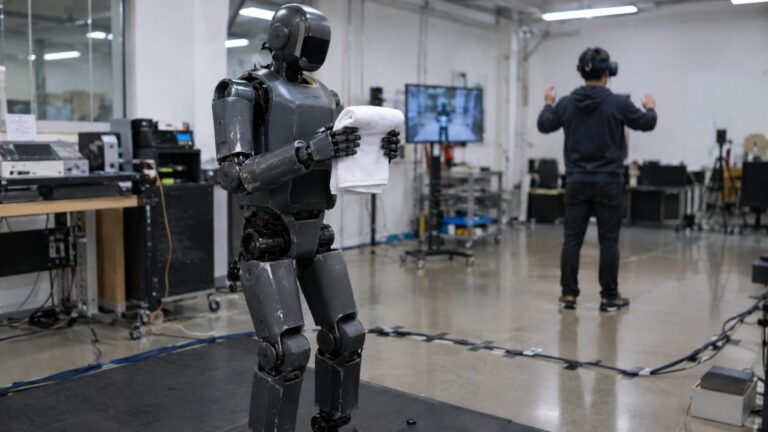
A person in a headset may be driving that graceful humanoid. Here is how to spot it: copied hand poses, hidden cuts, lag and who stands off-camera.

FireDome’s launcher fires 10-gallon capsules of retardant over houses on its own. It costs up to $180,000 a year. Who gets protected?
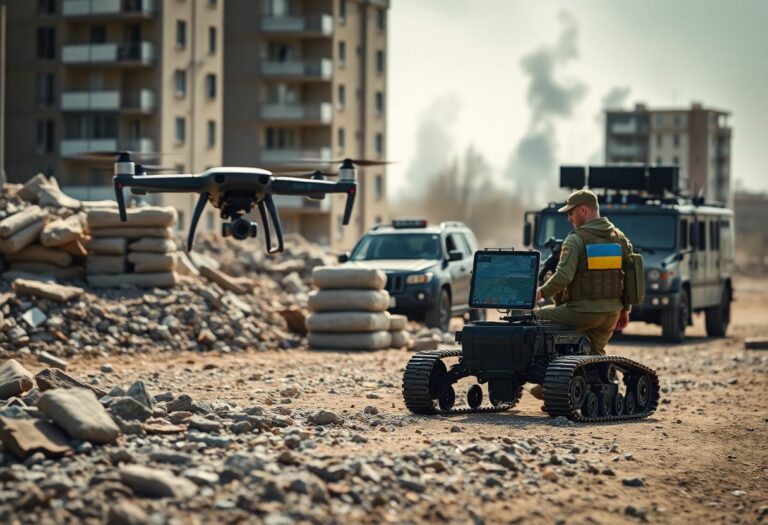
With drone swarms now routinely identifying targets and relaying coordinates in real time, you are witnessing a fundamental shift in how modern warfare is conducted. Autonomous systems are no longer experimental assets but central components shaping tactics, response times, and battlefield outcomes in Ukraine’s ongoing conflict. The Mechanical Predator You observe drones circling battle zones…
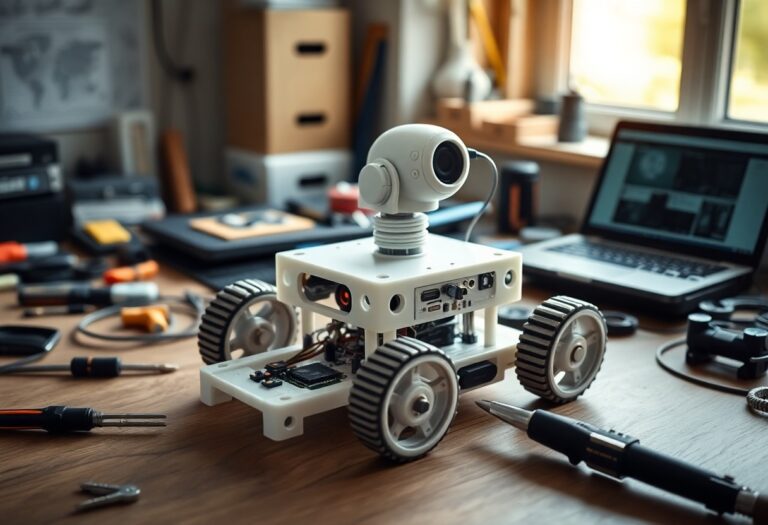
Just imagine robots moving through your home, handling chores, or guiding elderly family members with precision and care. You’re already seeing early versions in vacuums and lawn mowers, but today’s engineering advances allow you to build systems that perceive, decide, and act independently in real-world settings using sensors, AI, and modular design. The First Principles…

AI enables robots to assess environments and act independently. You design such systems by integrating sensors, processing units, and decision algorithms. You teach machines to interpret data and respond in real time. Your robot learns from inputs and adjusts behavior without human intervention. You build intelligence through code, hardware, and iterative testing. The Positronic Architecture…
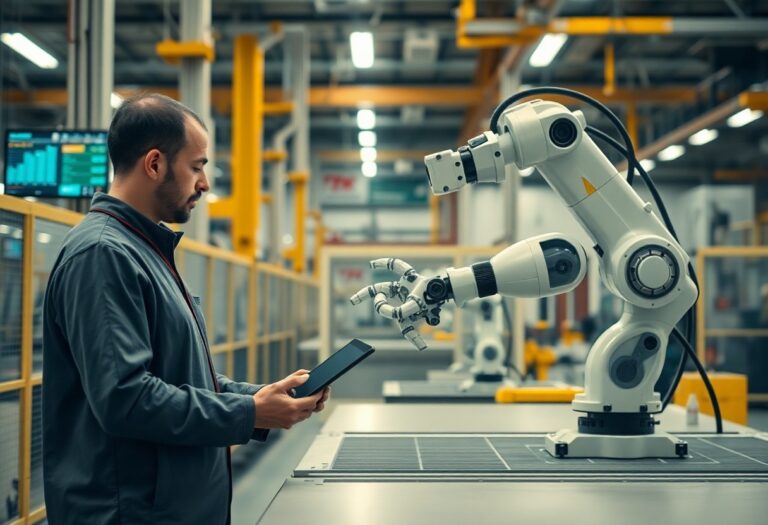
With the rapid advancement of intelligent robots, understanding human-centered autonomy is vital for you as a user or developer. This concept emphasizes the need to create robots that not only perform tasks efficiently but also align with your expectations and trust levels. Striking a balance between control and trust ensures that you can effectively interact…
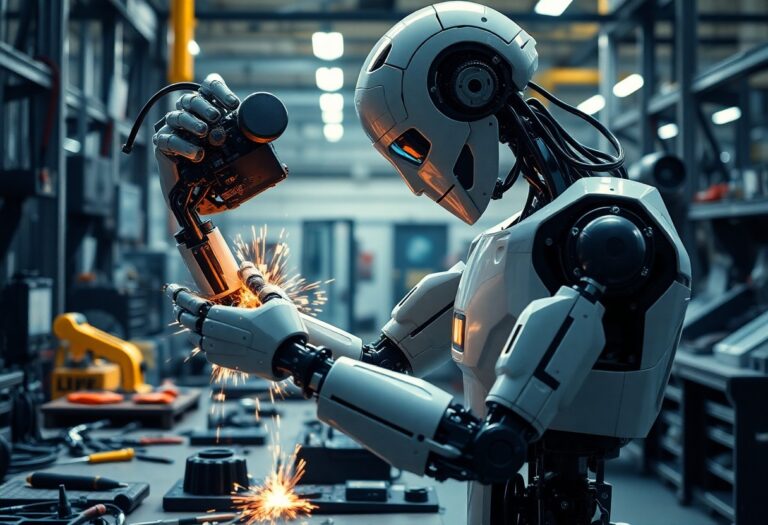
With advancements in robotics and artificial intelligence, you are entering an era where self-repairing robots could redefine maintenance strategies across various industries. These innovative machines are designed to autonomously diagnose and fix their own issues, reducing downtime and operational costs. As you explore the potential of self-repairing technology, you will discover how it enhances efficiency,…

Just as you explore the evolving landscape of autonomous robotics, you encounter a series of ethical dilemmas that challenge your understanding of technology’s role in society. These dilemmas encompass issues of accountability, decision-making, and the potential impact on employment and safety. As robotics become more integrated into daily life, it is important for you to…
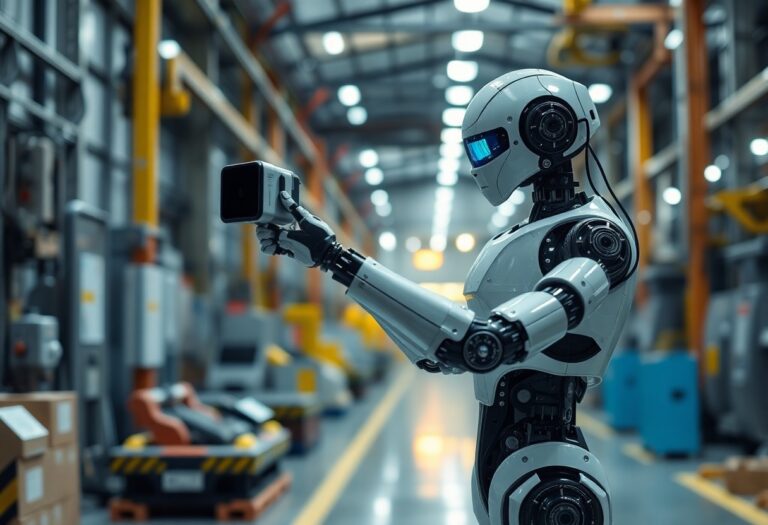
Just as you rely on your senses to navigate the world, enhancing robot autonomy significantly depends on advanced sensor technology. These sensors play a pivotal role in providing robots with the ability to perceive and interpret their surroundings. By understanding how sensor technology works, you can appreciate how it empowers robots to make informed decisions,…

Ethics surrounding the deployment of autonomous assassins presents a complex landscape that raises significant questions about accountability, decision-making, and moral responsibility. As technology advances, you may find yourself grappling with the implications of machines determining life or death, often devoid of human oversight. The potential consequences of such systems challenge traditional notions of warfare, justice,…