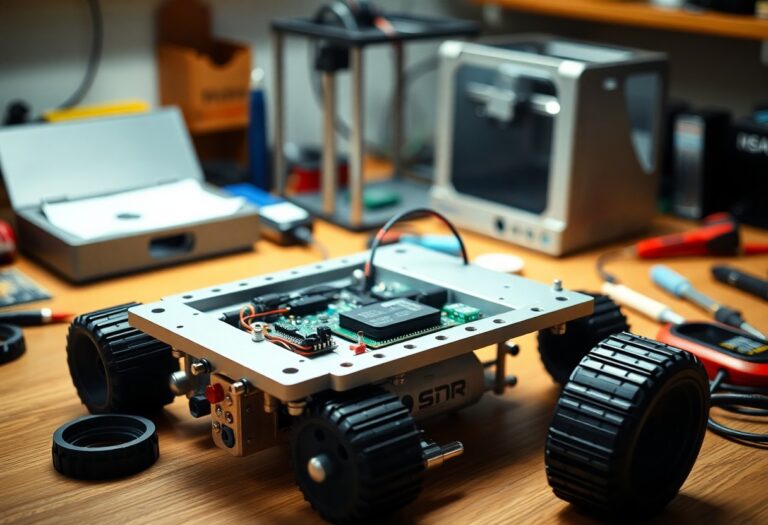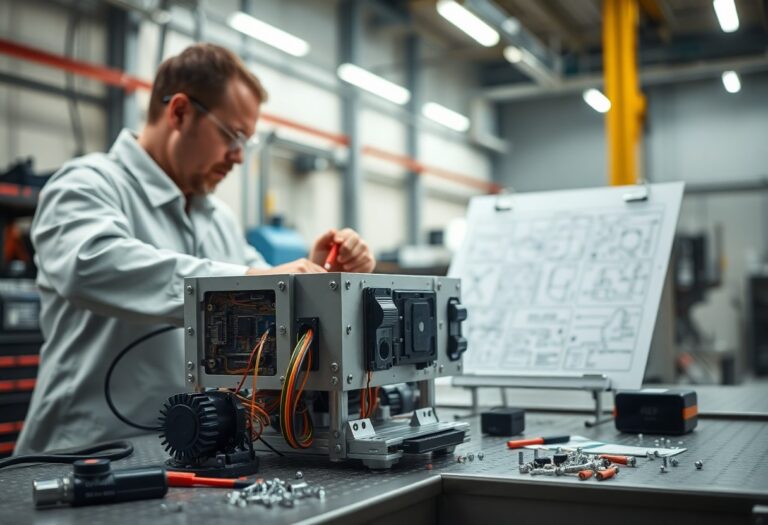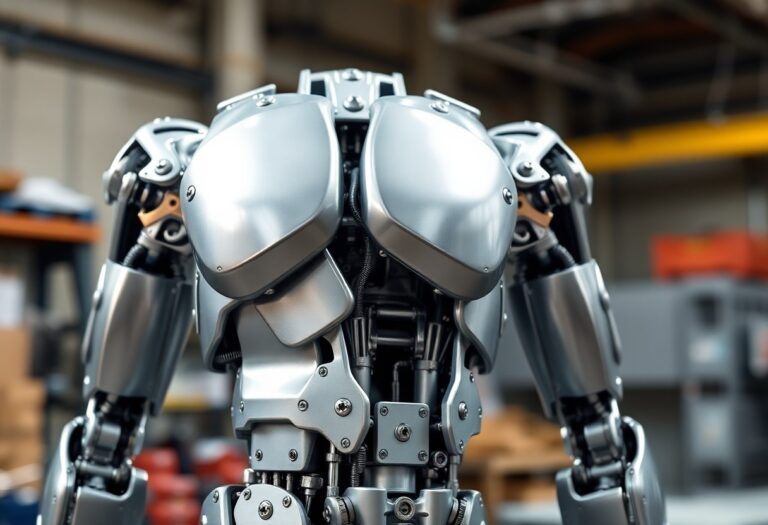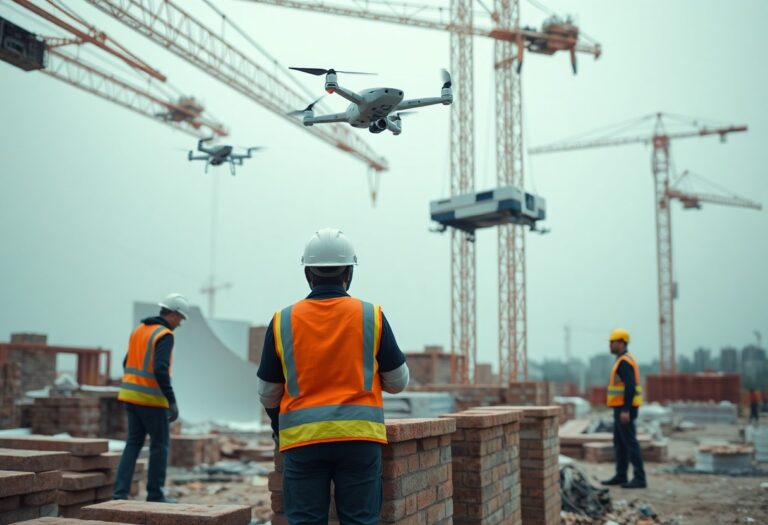
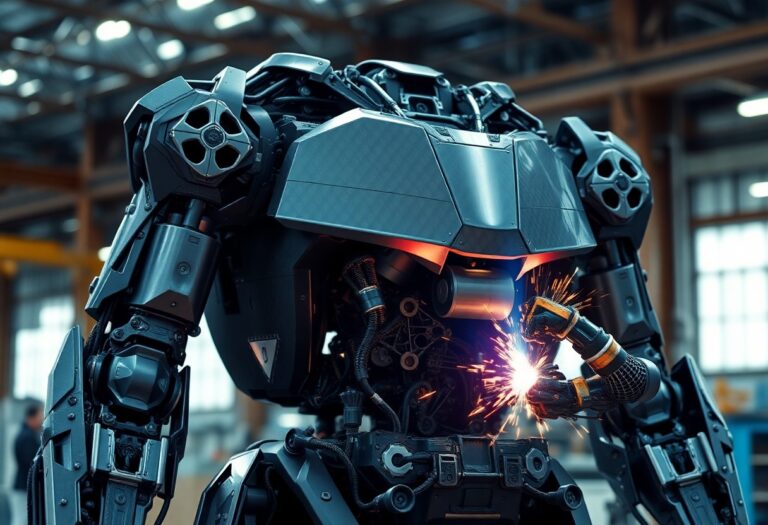
It’s now possible for you to build intelligent robots at home using accessible tools and open-source platforms. You no longer need a lab or advanced degree to create machines that learn, adapt, and respond to their environment. With affordable sensors, modular components, and intuitive programming frameworks, you’re equipped to design, test, and refine smart robotic […]
Tag: Construction
Constructing a Robot Capable of Object Recognition
Construction of a robot capable of object recognition begins with integrating sensors, processing units, and machine learning models. You select cameras and depth sensors to capture visual data, then process it using trained neural networks to identify objects. Proper calibration and iterative testing ensure accuracy and responsiveness in real-world environments. The Mechanical Foundation Your robot […]
Constructing a Robot from Concept to Functional Prototype
Just follow systematic design, component selection, prototyping, and testing to transform your robot idea into a working prototype. Conceptualization and Requirements Analysis Conceptualization connects user needs to measurable goals, so you outline core functions, user scenarios, and constraints that will steer design decisions and early trade-offs. Defining Operational Objectives and Constraints Objectives specify mission profiles, […]
Constructing a Robot with Modular Components
There’s a clear path you can follow to assemble modular robot parts, selecting compatible actuators, sensors, and controllers, testing interfaces, and iterating designs to build reliable, maintainable robots that adapt to evolving tasks. Architectural Principles of Modular Robotics You design module hierarchies that isolate power, sensing, and actuation so teams work independently and failures are […]
How to Build a Durable Robot for Long-Term Use
Over time you prioritize durable materials, modular hardware, redundant power, and maintainable code; you test rigorously and schedule maintenance so your robot remains reliable and serviceable for long-term deployment. Selecting High-Grade Materials for Longevity Materials selection affects longevity; choose corrosion-resistant alloys, high-grade composites, and protective coatings so you reduce maintenance and avoid premature failures. Identifying […]
Structural Materials in Robot Construction – Aluminum, Steel, and Plastics
Just know that when you choose materials, aluminum offers lightweight strength and corrosion resistance, steel provides high load capacity but heavier weight and rust risk, and plastics give cost-effective versatility with possible brittleness and flammability. Steel and Ferrous Metals: Durability for Heavy-Duty Systems Steel and ferrous alloys give you unmatched durability for heavy-duty robot frames, […]
Robotics in Construction – Automating the Built Environment
With robotics transforming tasks from heavy lifting to precision assembly, you can deploy autonomous equipment, drones, modular fabrication, and AI-driven planning to boost productivity, improve safety, and reduce cost variability; this post explains key technologies, implementation challenges, and practical steps for integrating robotics into your projects so you can plan, manage, and scale automation in […]
How Robotics Is Reshaping the Construction Industry
Most construction professionals are beginning to recognize the transformative role robotics plays in enhancing efficiency and safety on job sites. By integrating robotic technologies into your workflows, you can streamline tasks such as bricklaying, demolition, and material transport. These innovations not only reduce labor costs but also minimize human errors, allowing your team to focus […]