

With advances in sensor fusion, learning algorithms, and tactile materials, you can enable your robots to perceive environments through sight, sound, and touch simultaneously; this multimodal approach improves reliability, situational awareness, and human-robot interaction by combining complementary cues, mitigating single-sensor failures, and enabling richer object understanding, navigation, and collaborative manipulation in real-world settings. The Basis […]
Category: Robotics
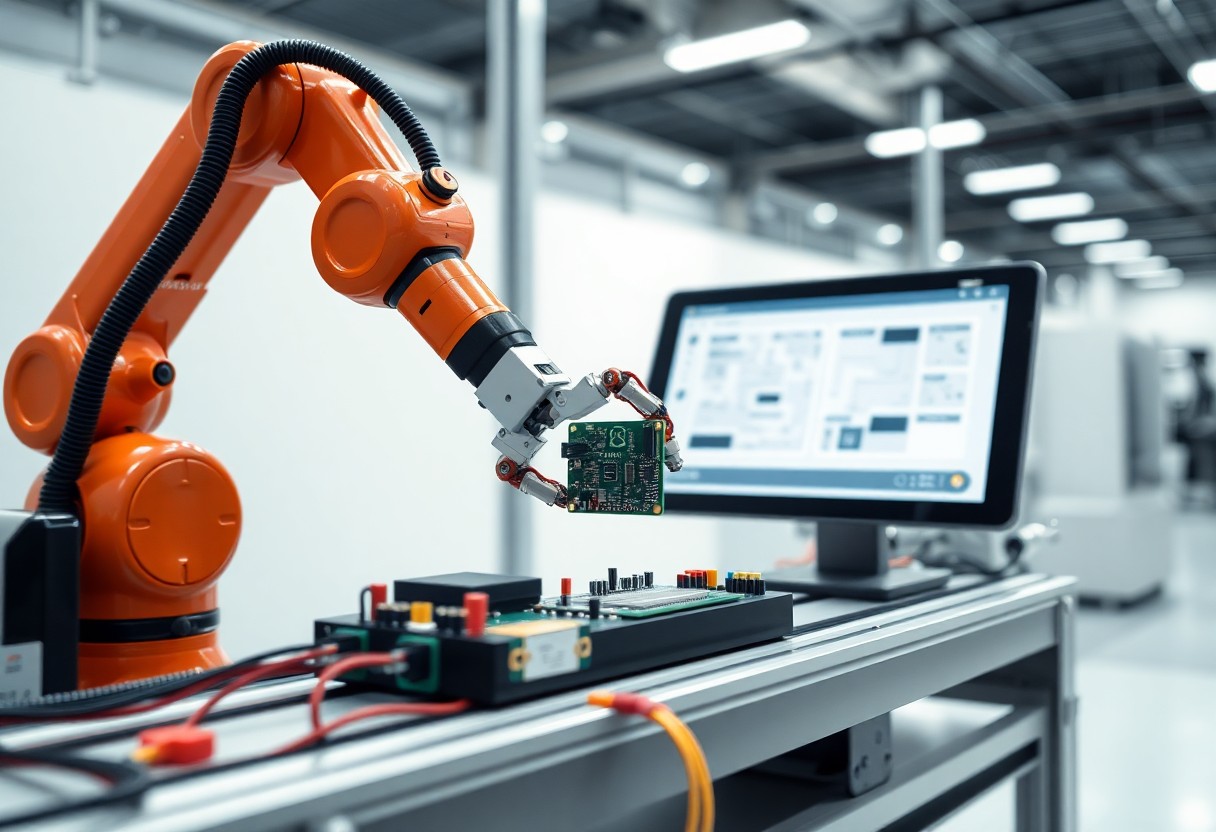
Zero-Programming Robotics – Automation Without Coding
You can deploy and manage robotic systems without writing code by using visual programming, drag-and-drop interfaces, and prebuilt modules; this lets you optimize your workflows, integrate sensors and actuators, and scale solutions rapidly while minimizing technical barriers and time to value. Understanding Zero-Programming Robotics Definition and Key Concepts You build robot behavior through visual tools-drag-and-drop […]

Robots Learning on the Job – Continuous Adaptation in Real Environments
Most robots increasingly learn on the job, and you should know how continuous adaptation uses online learning, sensor-driven feedback, and safety-aware updates to maintain performance in real environments; this post explains methods, evaluation metrics, and operational considerations so you can deploy and monitor adaptive systems effectively in your operations. The Importance of Continuous Learning In […]

Foundation Models for Robotics – One Brain, Many Machines
With foundation models, you can unify perception, planning, and control across diverse robots by leveraging shared representations and transfer learning; this single “brain” accelerates adaptation, reduces engineering overhead, and enables scalable coordination so your fleet learns faster, generalizes better, and executes complex tasks with greater consistency and safety. Overview of Foundation Models You can now […]
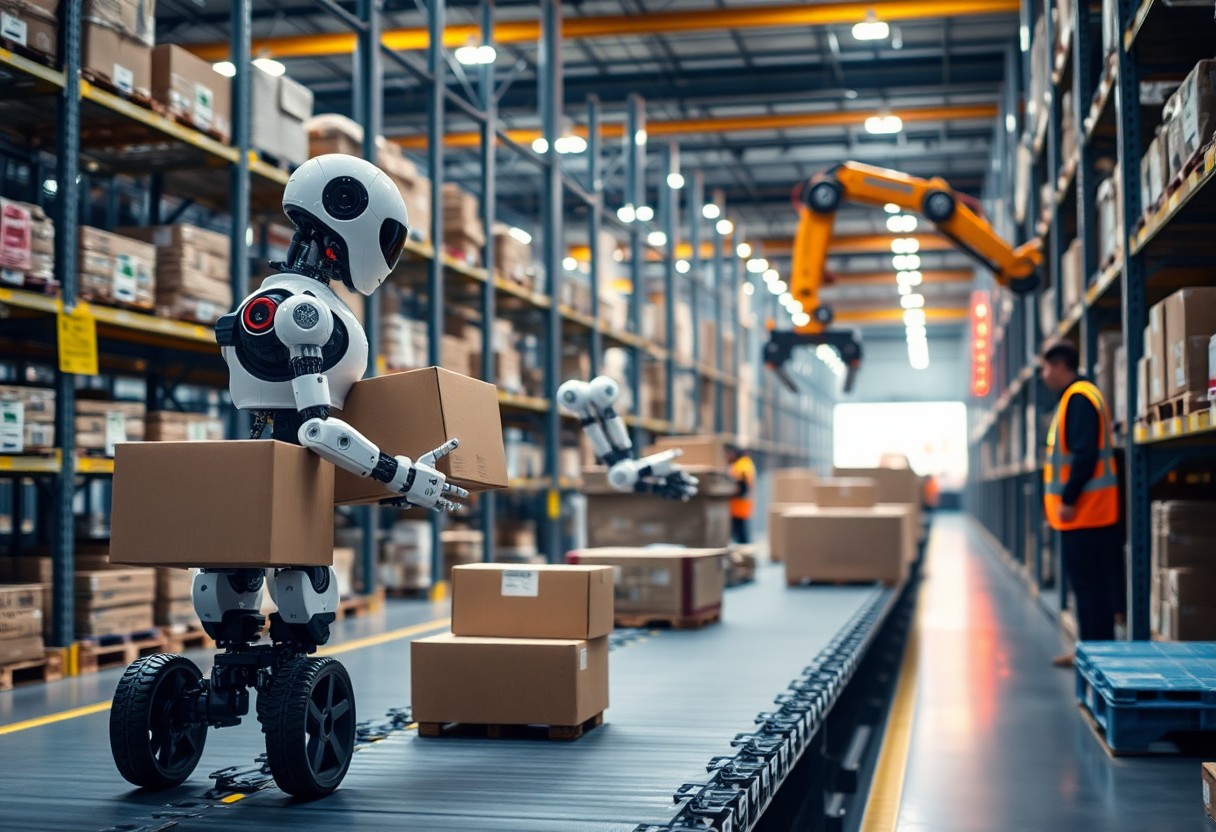
General-Purpose Robots Move Closer to Commercial Reality
With advancing sensors, modular software, and falling hardware costs, you can expect general-purpose robots to enter real-world workspaces sooner than many predict; understanding their capabilities, limitations, and integration requirements helps you plan for enhanced productivity, safer workflows, and new business models as manufacturers and service providers scale deployment across industries. Current State of Robotics In […]
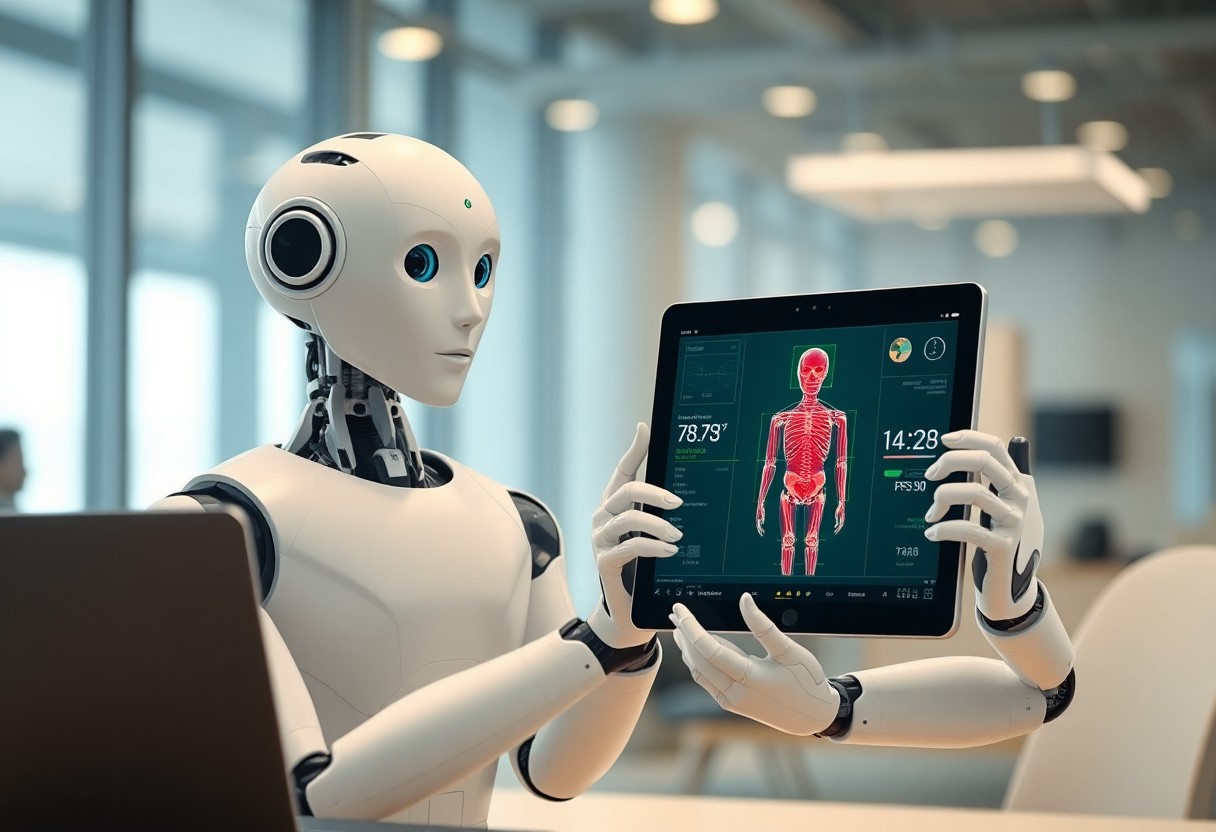
Emotion-Aware Robots – Interpreting Human Behavior in Real Time
Many advances in sensor fusion, affective computing, and machine learning let robots perceive facial expressions, vocal tone, and body language in real time so you can deploy systems that adapt to your needs and improve interaction outcomes. This post explains the core methods, evaluation metrics, ethical constraints, and deployment challenges you must consider to build […]
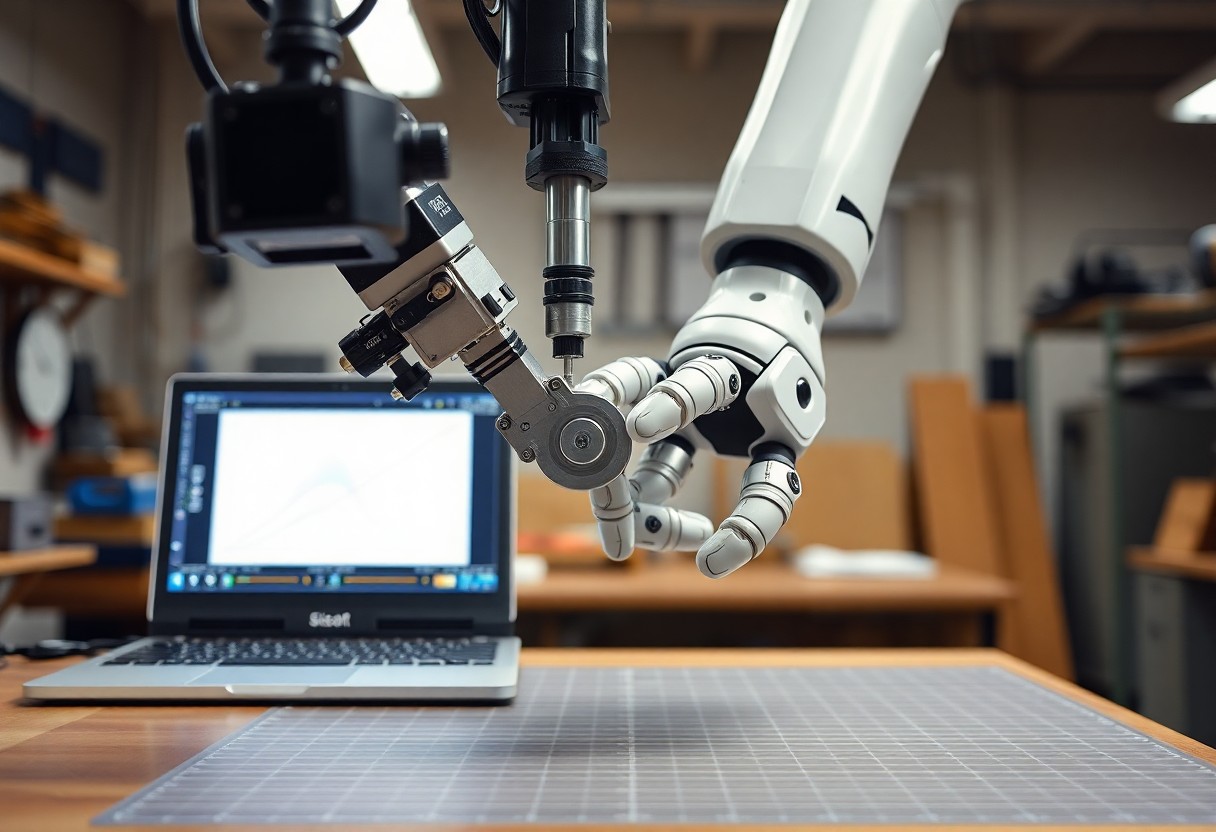
Human Skill Transfer – Capturing Expert Knowledge for Robotic Systems
Knowledge of expert techniques and tacit decisions can be encoded to make robots reliably reproduce complex tasks; you learn methods for extracting demonstrations, modeling intent, and translating human skill transfer into sensor-driven policies, while assessing robustness, safety, and adaptivity. This guide shows how to structure interviews, use teleoperation and learning-from-demonstration, validate skill generalization, and integrate […]
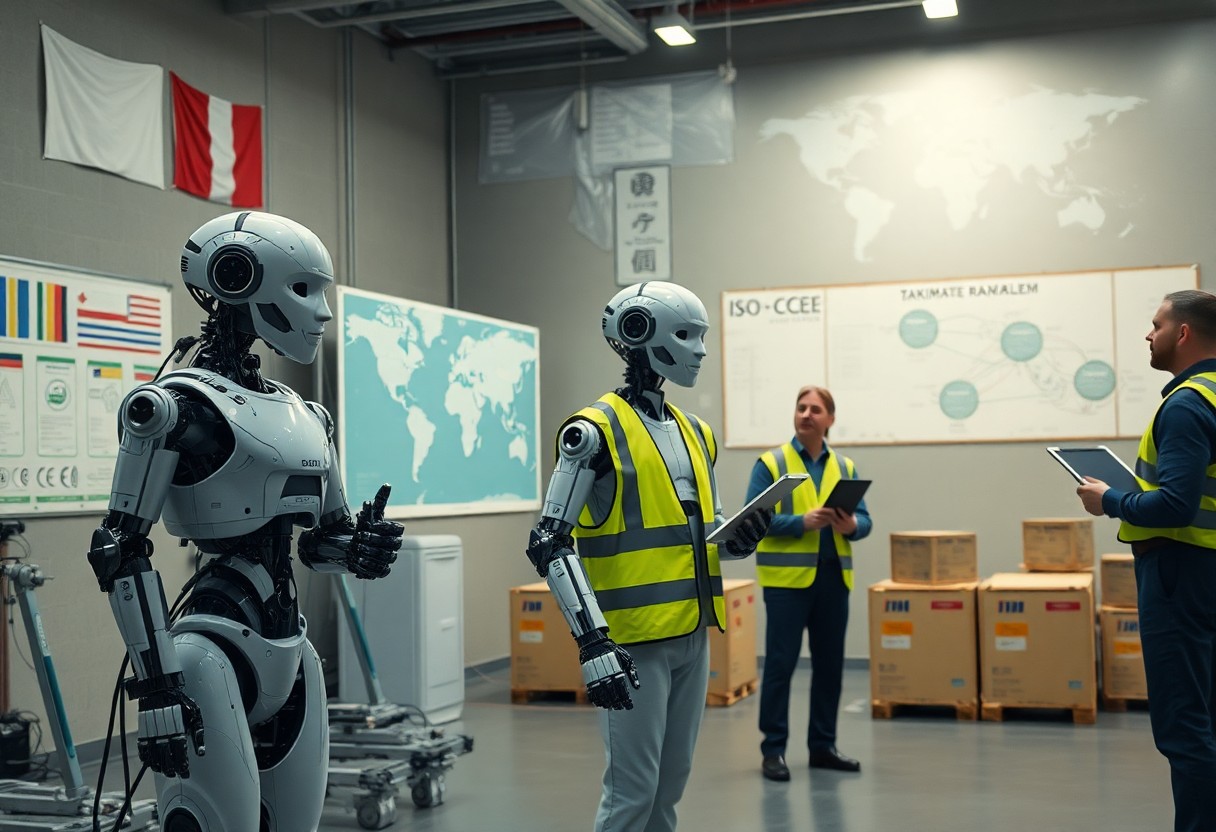
Robotics Standards and Regulation – Preparing for Global Deployment
With international harmonization accelerating, you must align your robotics standards designs and operational protocols with emerging standards, certification processes, and liability frameworks to ensure market access and safety compliance. This guide explains key standards bodies, cross-border regulatory differences, testing requirements, and governance trends so you can plan certification pathways, manage risk, and scale deployment efficiently […]
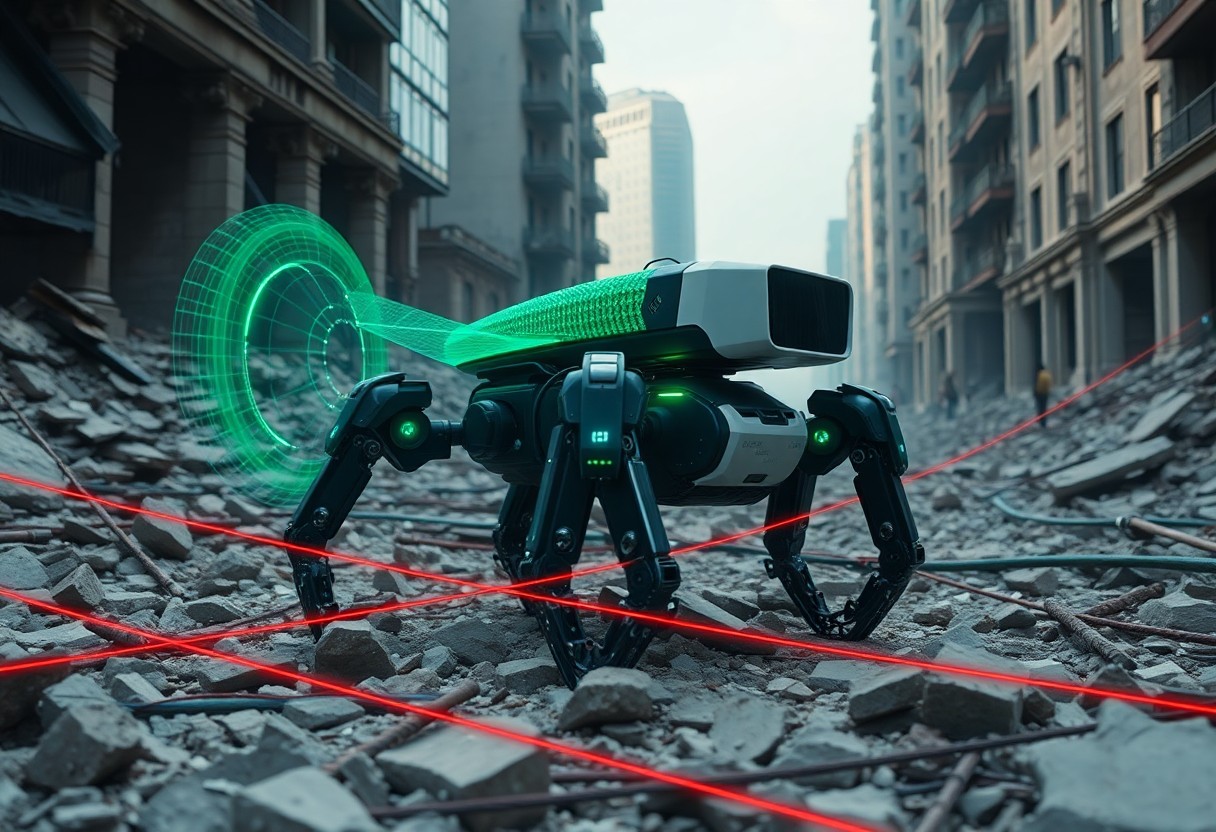
AI-Driven Motion Planning for Dynamic and Unstructured Environments
Just as you face changing surroundings, AI-driven motion planning enables your robots and vehicles to perceive noisy sensors, predict dynamic agents, and generate safe, optimal trajectories in real time; by integrating learning-based perception, probabilistic prediction, and optimization or sampling-based planners, you can achieve robust navigation in highly unstructured, uncertain environments. The Importance of Motion Planning […]
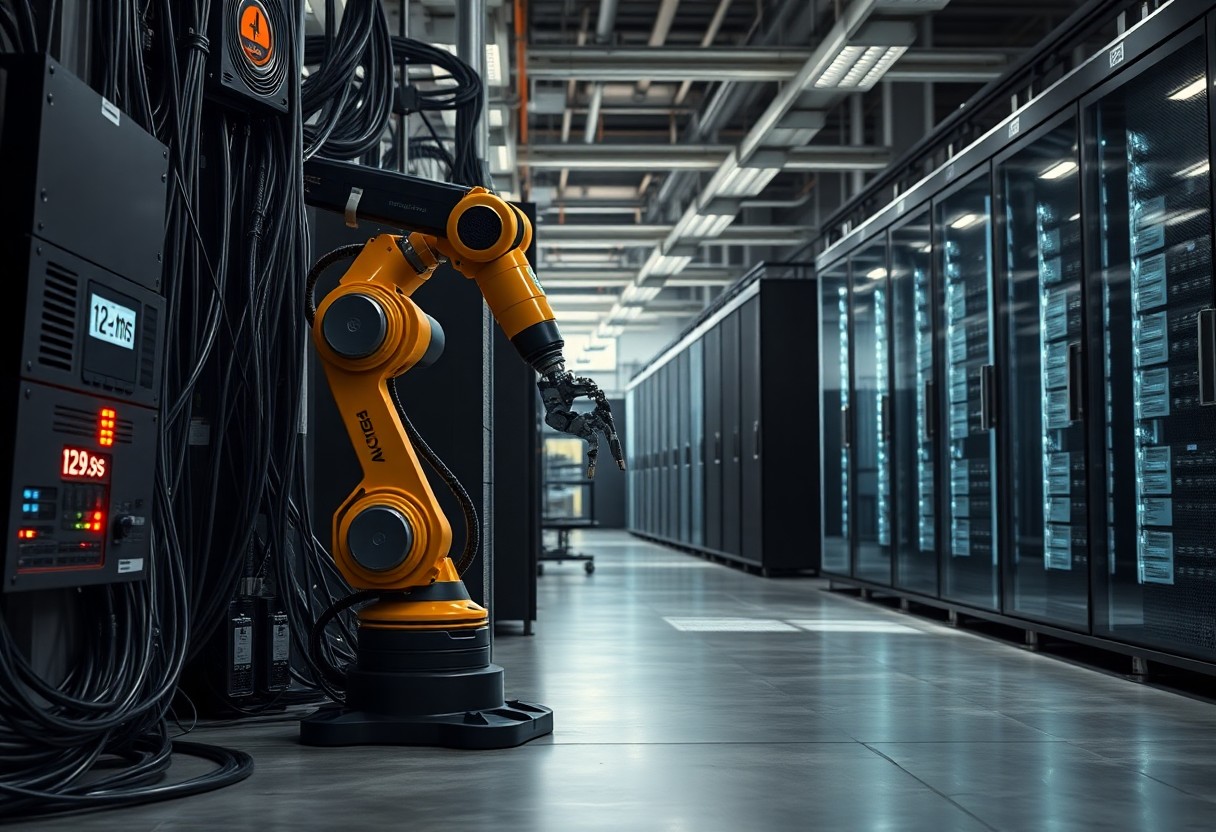
Cloud Robotics Revisited – Balancing Latency, Cost, and Control
Over the past decade, cloud robotics have shifted the balance between local autonomy and remote intelligence, and you must weigh latency, operational cost, and system control when designing your systems; this post guides you through trade-offs, deployment patterns, and metrics so you can decide when to offload computation, where to place control loops, and how […]