
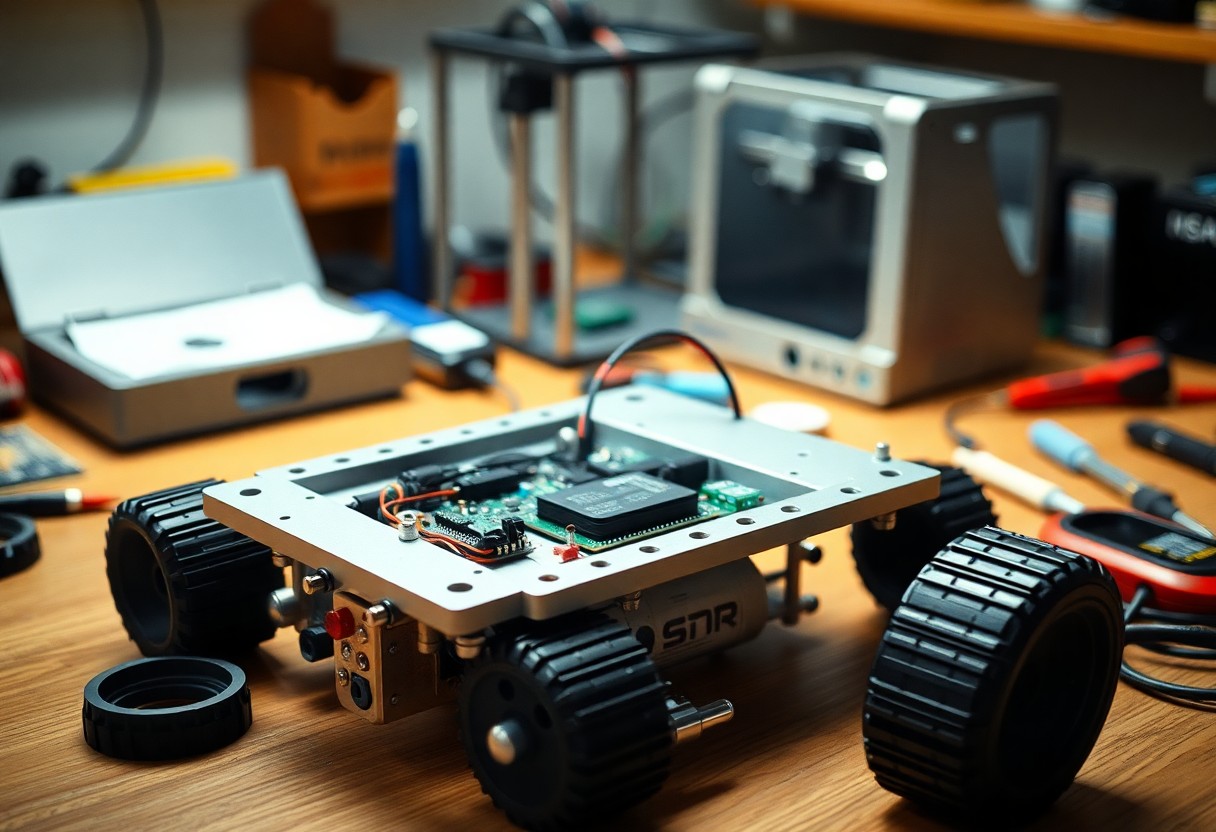
It’s now possible for you to build intelligent robots at home using accessible tools and open-source platforms. You no longer need a lab or advanced degree to create machines that learn, adapt, and respond to their environment. With affordable sensors, modular components, and intuitive programming frameworks, you’re equipped to design, test, and refine smart robotic […]
Category: Technology
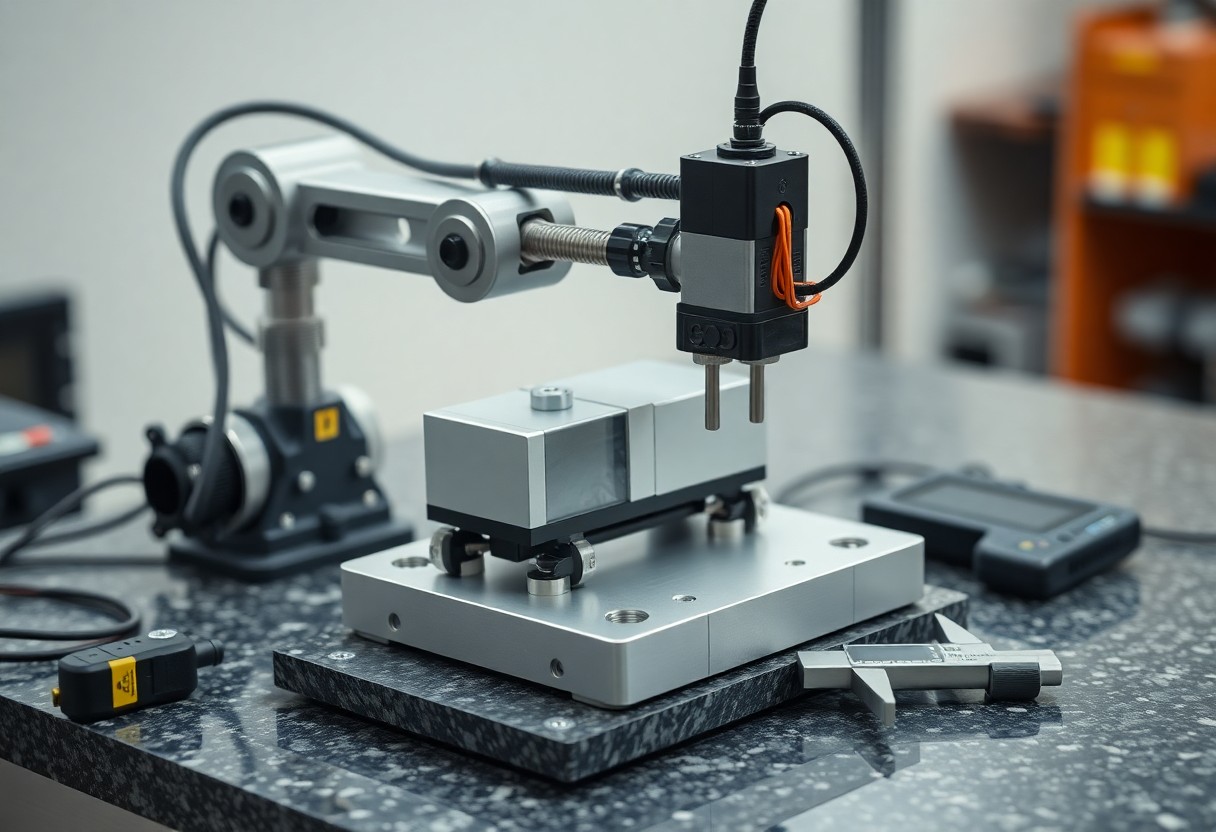
Building a Robot with Precision Motion Control
Control begins the moment your robot moves exactly as intended, not just roughly in the right direction. You design each component to respond with accuracy, using motors, encoders, and feedback loops that minimize error. Your choices in hardware and control algorithms determine how reliably your robot performs complex tasks. The Framework of the Machine Your […]
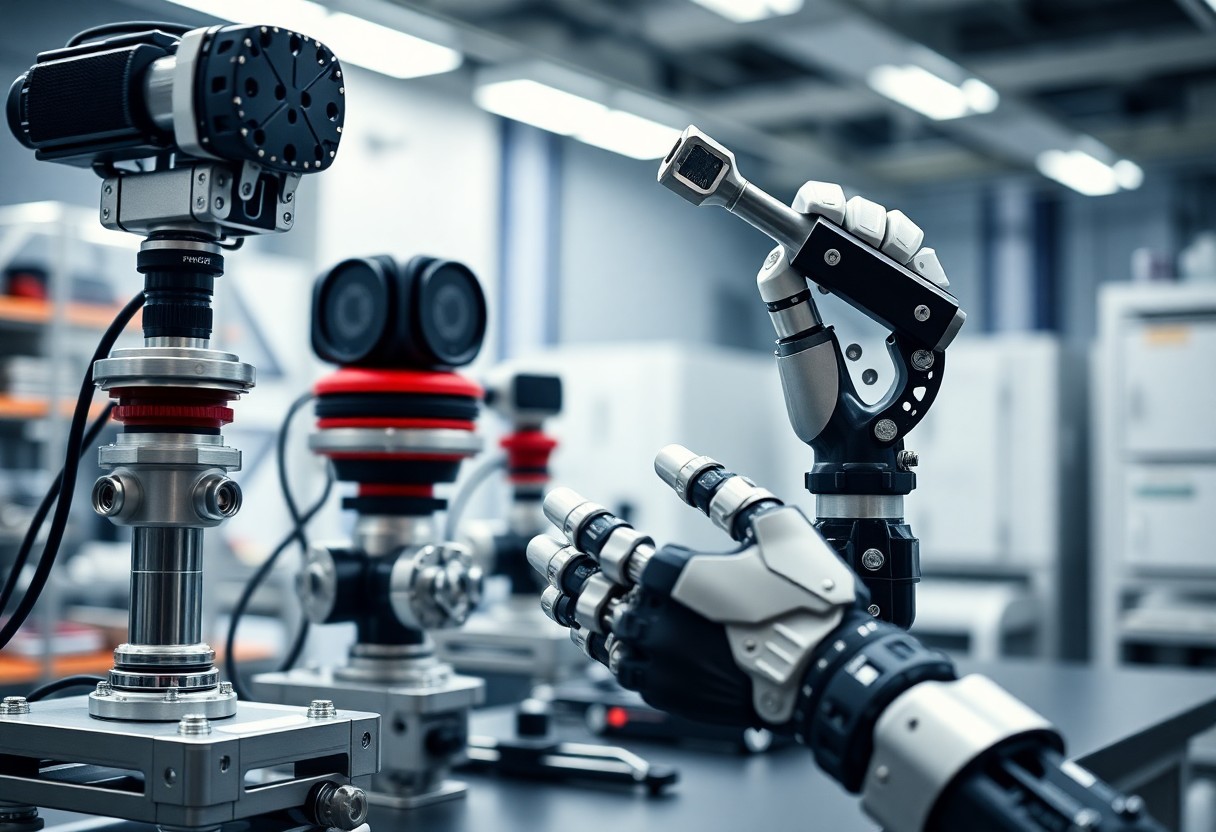
Constructing Robots with Scalable Modular Architectures
Architecture defines how components integrate and evolve in robotic systems. You design scalable modular robots by standardizing interfaces, enabling plug-and-play functionality across configurations. This approach simplifies upgrades, repairs, and adaptation to new tasks. You gain flexibility without sacrificing performance, making modular design a practical foundation for next-generation robotics. The Modular Premise You design systems where […]
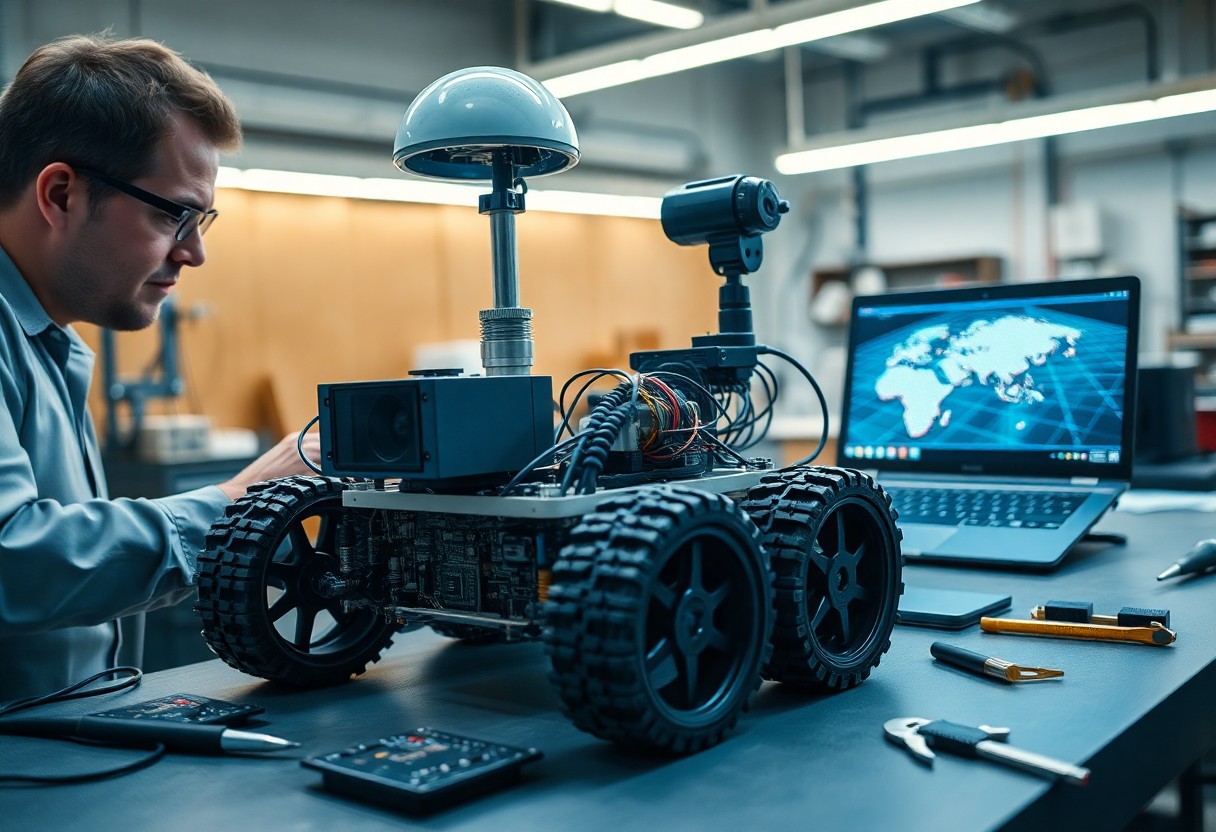
Constructing a Robot with Autonomous Mapping Capabilities
Many robotics enthusiasts aim to build machines that perceive and move through environments without human guidance. You can construct a robot with autonomous mapping capabilities using sensors like LiDAR or depth cameras, paired with SLAM algorithms. This guide walks you through the core components, software frameworks, and integration steps to bring your intelligent robot to […]
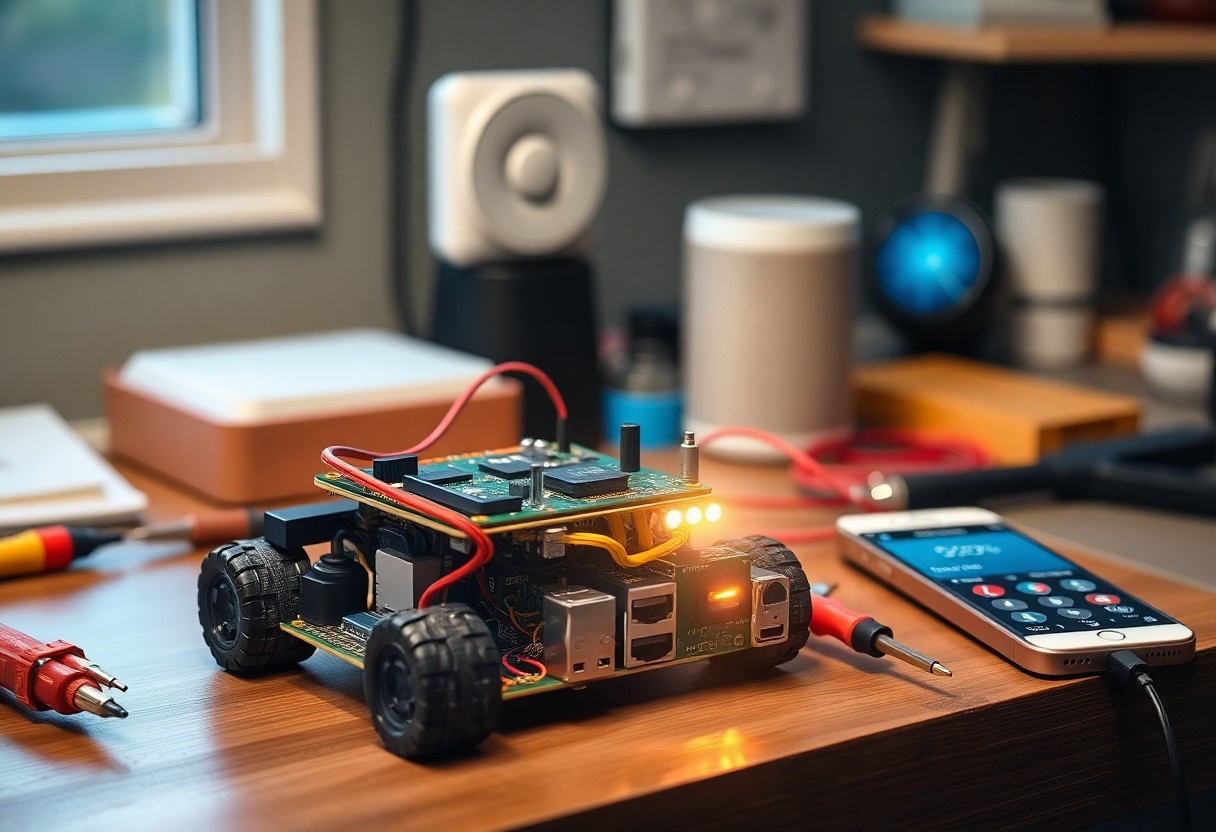
How to Build a Robot for Smart Home Integration
Integration of robotics into your home starts with understanding how devices communicate. You choose components that support common protocols like Wi-Fi or Zigbee. You design the robot’s function around tasks such as monitoring or object transport. You program it to respond to voice commands or sensor input. You test connectivity with existing smart systems to […]
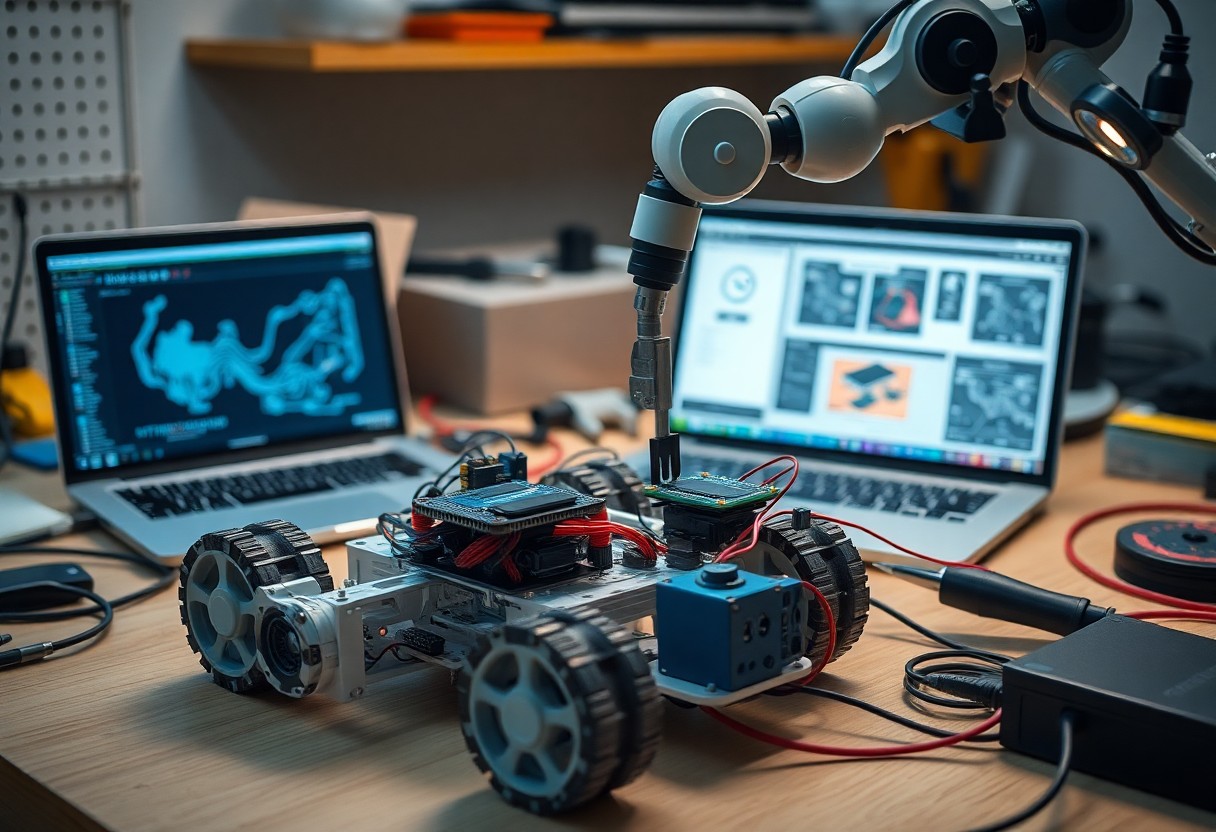
Constructing DIY Robots with AI-Powered Automation
AI enables you to build functional robots at home using accessible tools and smart programming. You can integrate sensors, microcontrollers, and machine learning models to create machines that learn and adapt. This guide shows you how to design, assemble, and automate your own intelligent robots with practical, step-by-step methods. The Silicon Cerebrum Your robot’s intelligence […]
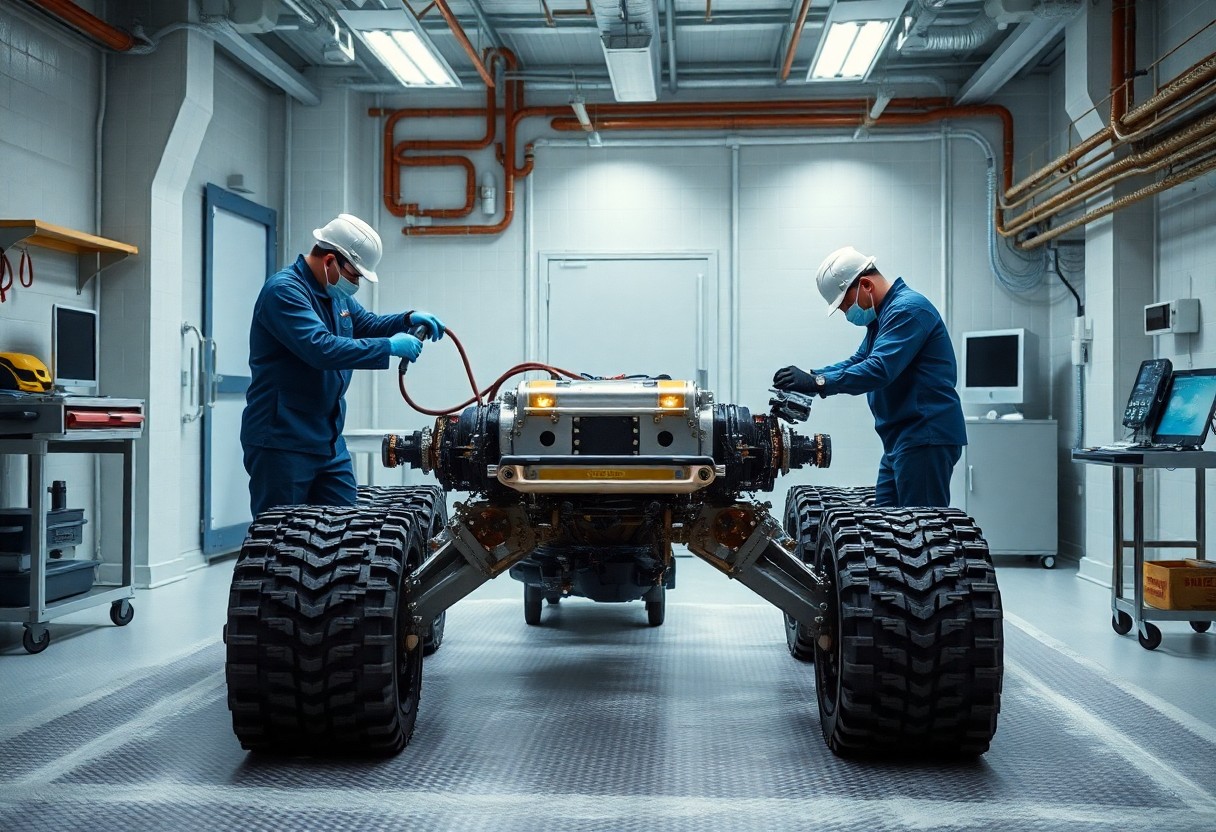
Building a Robot That Can Operate in Extreme Conditions
Most extreme environments demand robots built beyond standard limits. You face intense heat, freezing cold, radiation, or crushing pressure. Success means selecting materials, power sources, and sensors engineered to endure. Every component must perform reliably where humans cannot survive. This is how you build a robot for the planet’s harshest places. The Architecture of Endurance […]
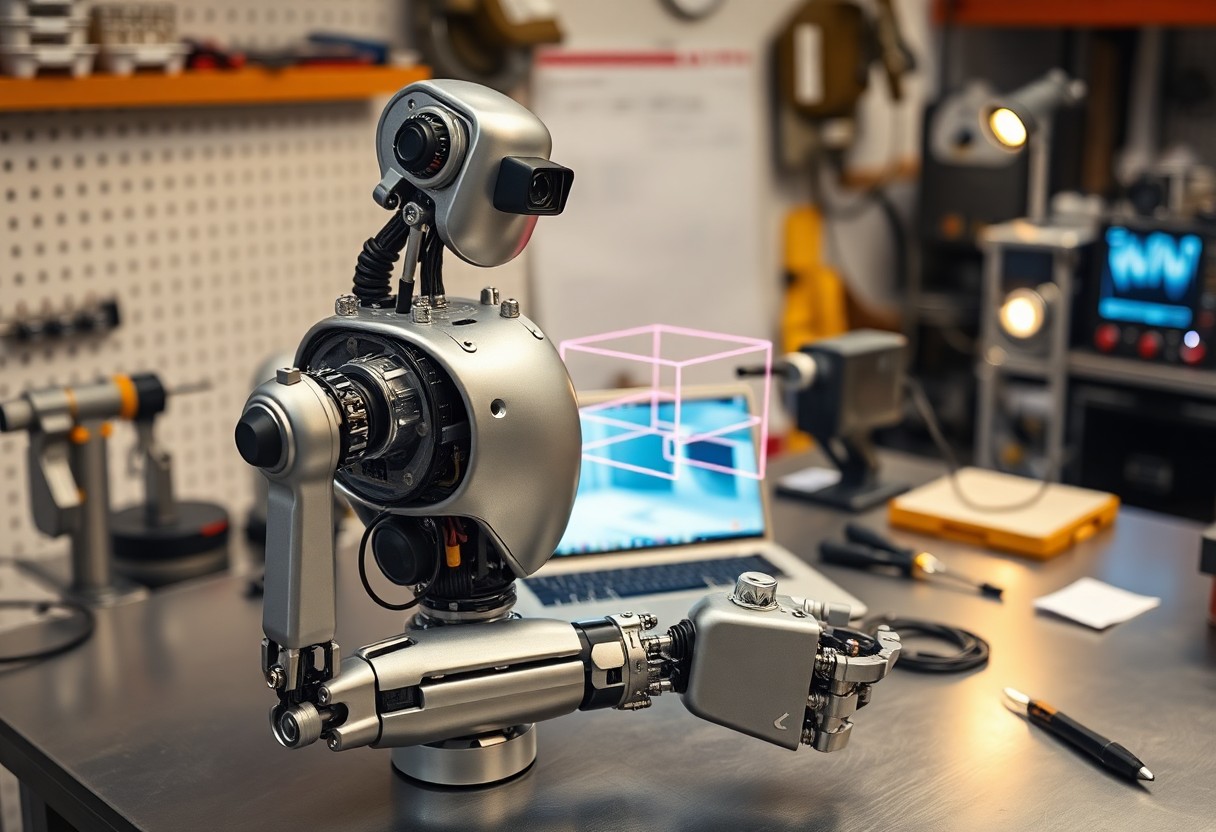
Constructing a Robot Capable of Object Recognition
Construction of a robot capable of object recognition begins with integrating sensors, processing units, and machine learning models. You select cameras and depth sensors to capture visual data, then process it using trained neural networks to identify objects. Proper calibration and iterative testing ensure accuracy and responsiveness in real-world environments. The Mechanical Foundation Your robot […]
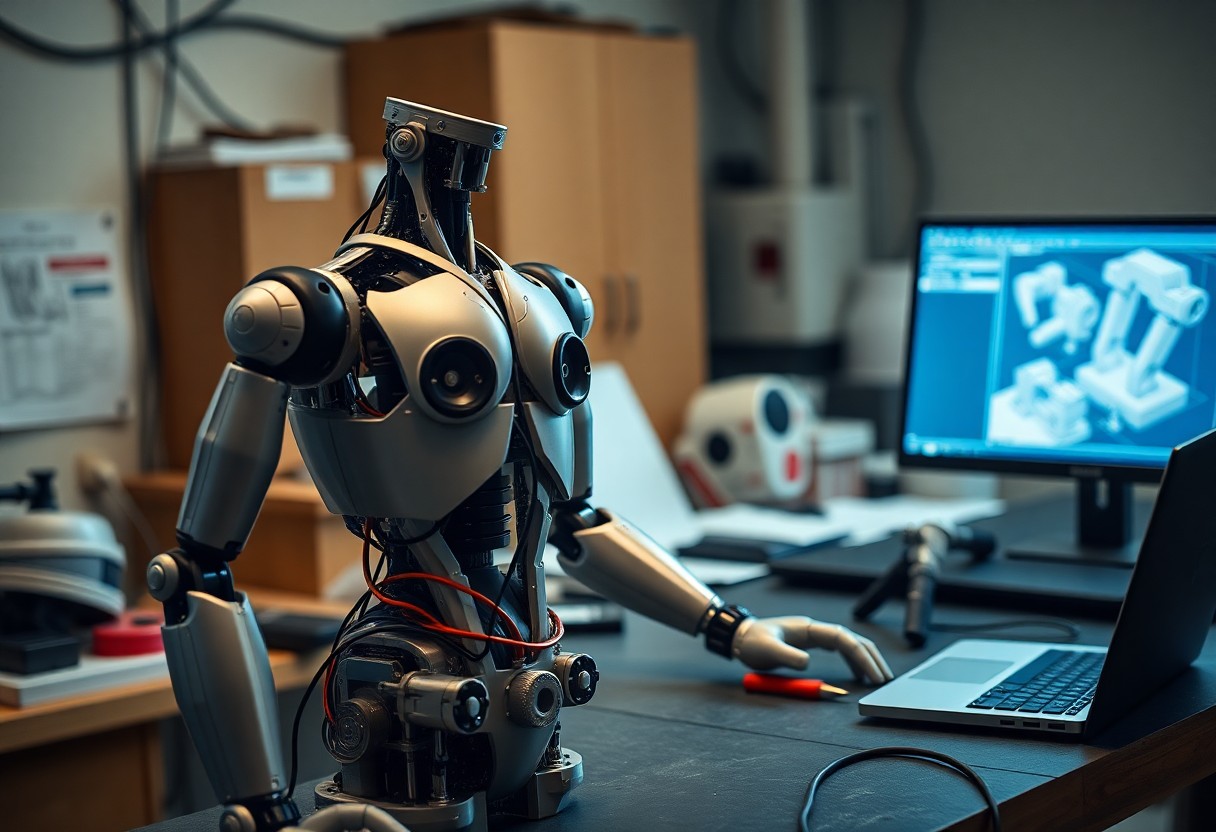
How to Build a Humanoid Robot Prototype
Over the past decade, humanoid robotics has moved from research labs to accessible DIY projects. You can build your own functional prototype by selecting the right frame materials, integrating servo motors for joint movement, programming basic locomotion, and using sensors for environmental awareness. This guide walks you through each step with precision and clarity. Assessing […]

Constructing a Robot with Autonomous Decision-Making
AI enables robots to assess environments and act independently. You design such systems by integrating sensors, processing units, and decision algorithms. You teach machines to interpret data and respond in real time. Your robot learns from inputs and adjusts behavior without human intervention. You build intelligence through code, hardware, and iterative testing. The Positronic Architecture […]