
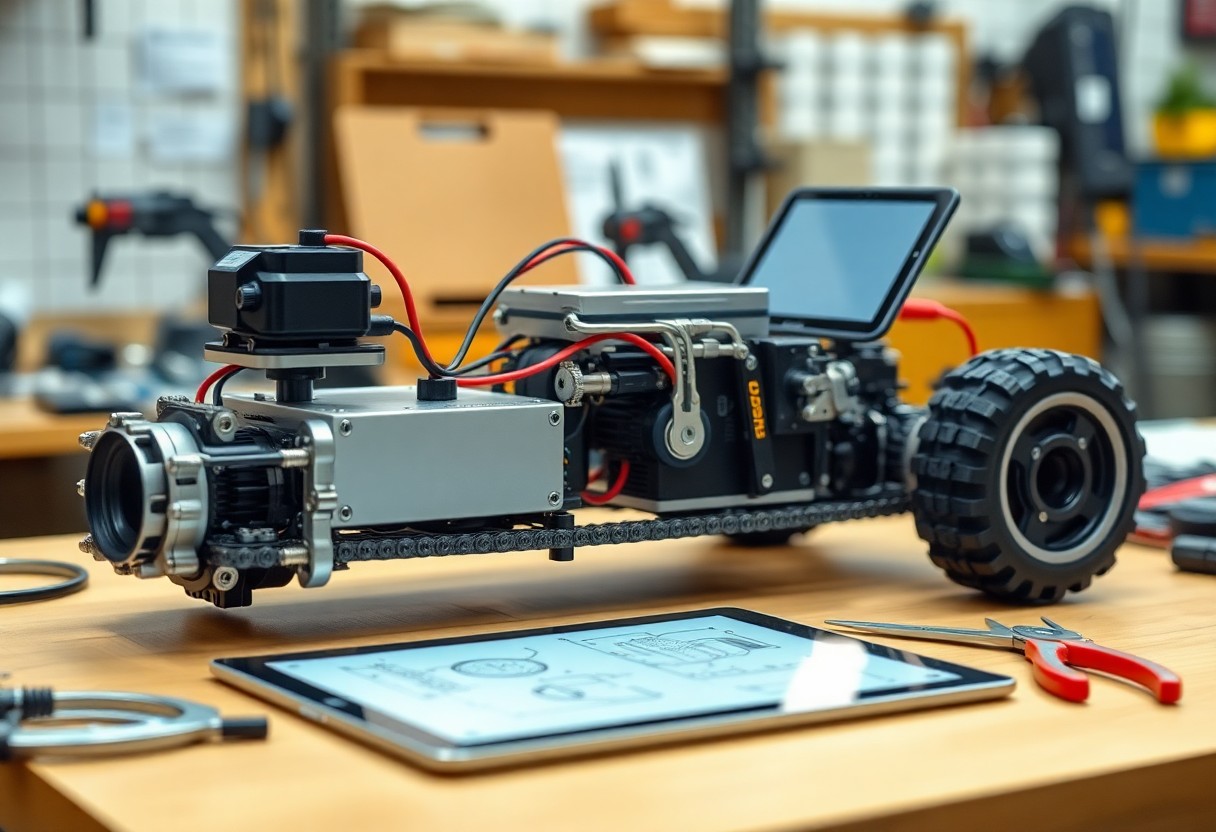
There’s a step-by-step method you can follow to design and build a robot drive system that selects motors, gear ratios, chassis layout, and controllers to meet required speed, torque, and handling while ensuring reliable integration and testing. Evaluating Drive Configurations for Specific Environments Terrain dictates your drivetrain choice; you must weigh traction, maneuverability, clearance, and […]
Category: Ethics in Technology
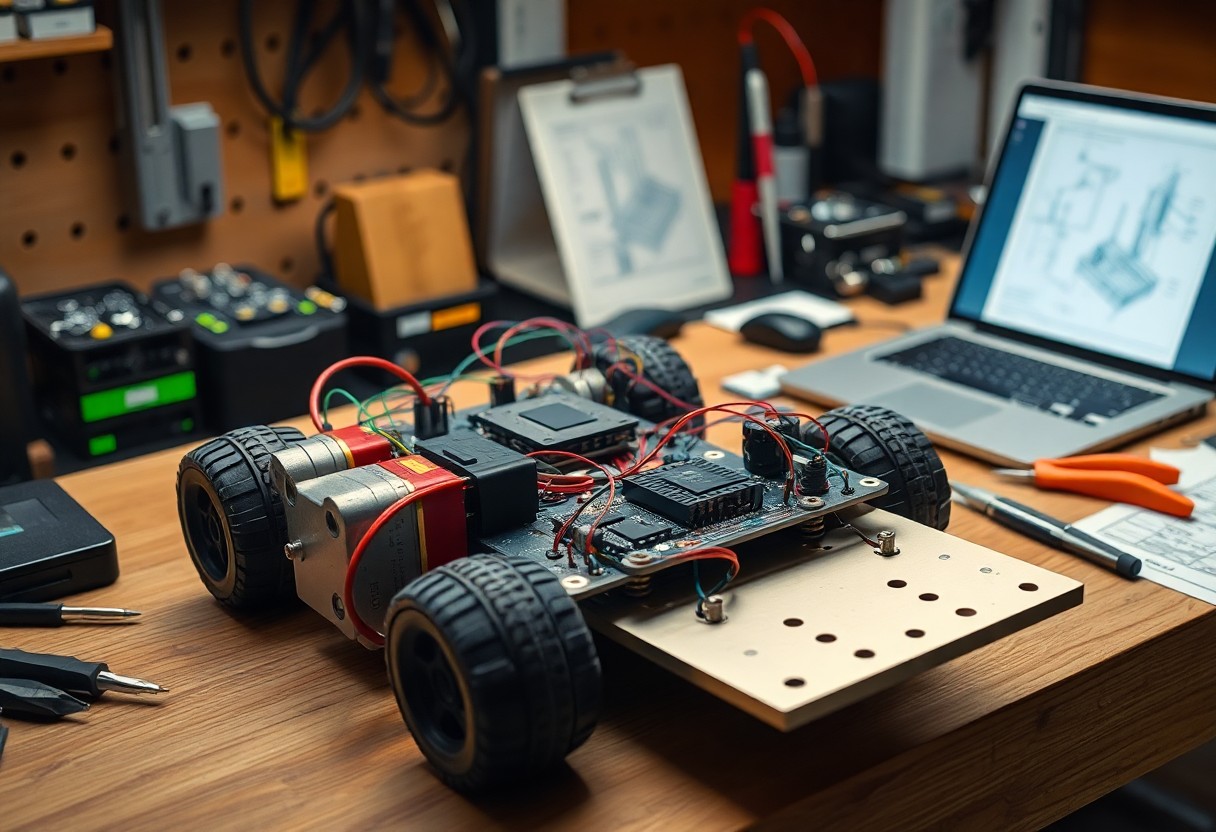
Step-by-Step Guide to Building a Custom Robot Platform
Most projects succeed when you follow clear steps: this guide shows you how to design the chassis, choose motors and controllers, integrate sensors, and test motion to build a reliable custom robot platform. Classification of Robotic Platform Types Platform categories help you weigh mobility, payload, control complexity and environment for your build, enabling targeted component […]
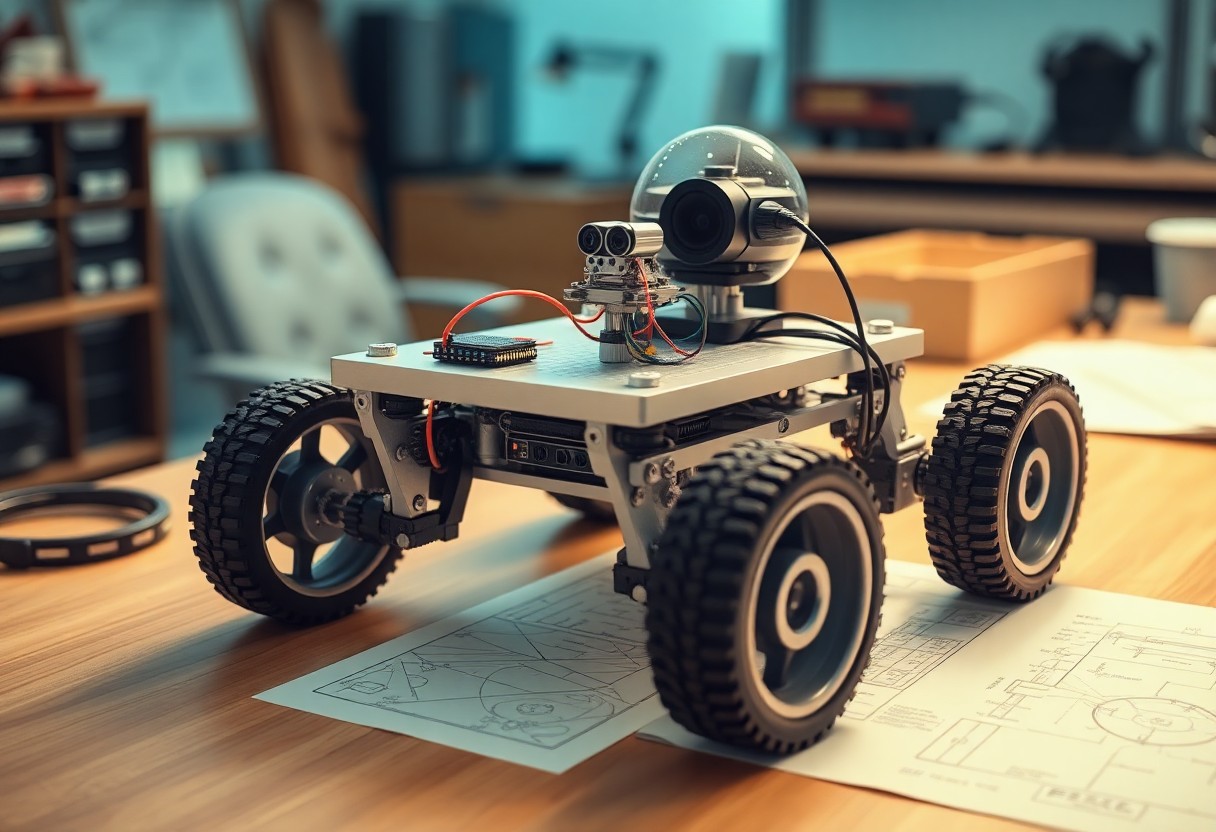
Constructing a Mobile Robot – Key Design Principles
Most mobile robot projects ask you to balance power, sensing, locomotion, control, and materials while meeting weight and cost constraints. You should prioritize clear requirements, modular architecture, and testing to ensure predictable behavior in varied environments. Mechanical Architecture and Locomotion Mechanical layout sets wheelbase, center of gravity, and articulation; you should optimize placement for stability, […]
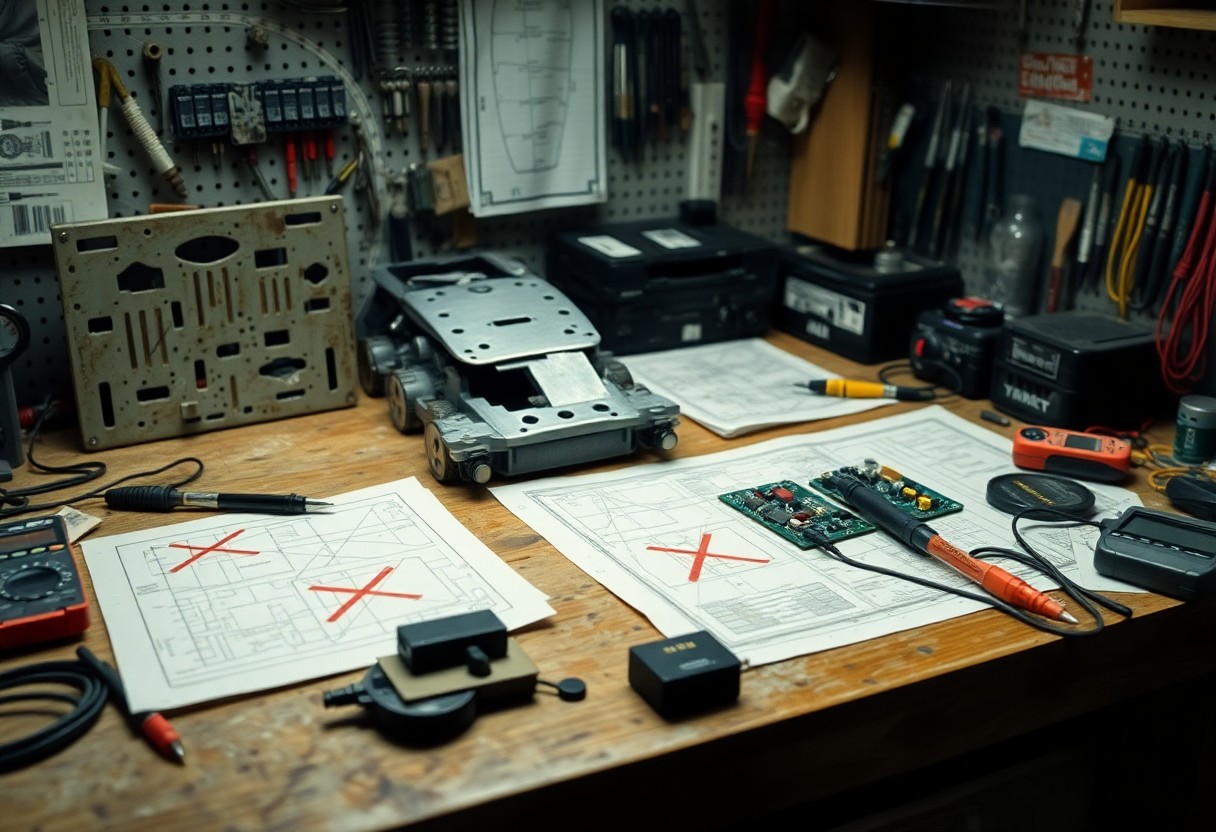
Lessons Learned from Failed Robot Builds
Robotics failures teach you practical debugging, design trade-offs, and testing discipline so you can refine prototypes faster and avoid repeated mistakes. Mechanical Integrity and Structural Design Structural design failures teach you to prioritize joint strength, correct load paths, and redundant supports so your robot survives impacts and sustained operation. Material Stress and Fatigue Limits Testing […]

Constructing Robots for Continuous Operation
It’s your task to design robots for nonstop service by ensuring reliable power systems, modular maintenance access, redundant sensors, and fault-tolerant control so you can maintain uptime, schedule predictive repairs, and optimize long-term performance in demanding environments. Energy Storage and Power Management Power architecture must prioritize predictable runtime, thermal handling, and scalable capacity so you […]

Testing Procedures for Newly Constructed Robots
Just follow systematic functional, safety, and performance tests to verify your robot’s sensors, actuators, control algorithms, and fail-safes before deployment. Mechanical Integrity and Structural Analysis Inspect the robot’s frame for microfractures, weld defects, and material fatigue using visual, ultrasonic, and radiographic methods so you verify structural soundness before functional testing. Load Bearing and Stress Capacity […]

Cable Management Best Practices in Robotics
Robotics systems require disciplined cable routing so you avoid interference, reduce wear, and simplify maintenance; you should use proper strain relief, color-coded labeling, secured cable channels, and regular inspections to maintain performance and safety. Dynamic Motion and Bend Radius Requirements Motion profiles determine minimum bend radii and dynamic fatigue factors you must plan for to […]
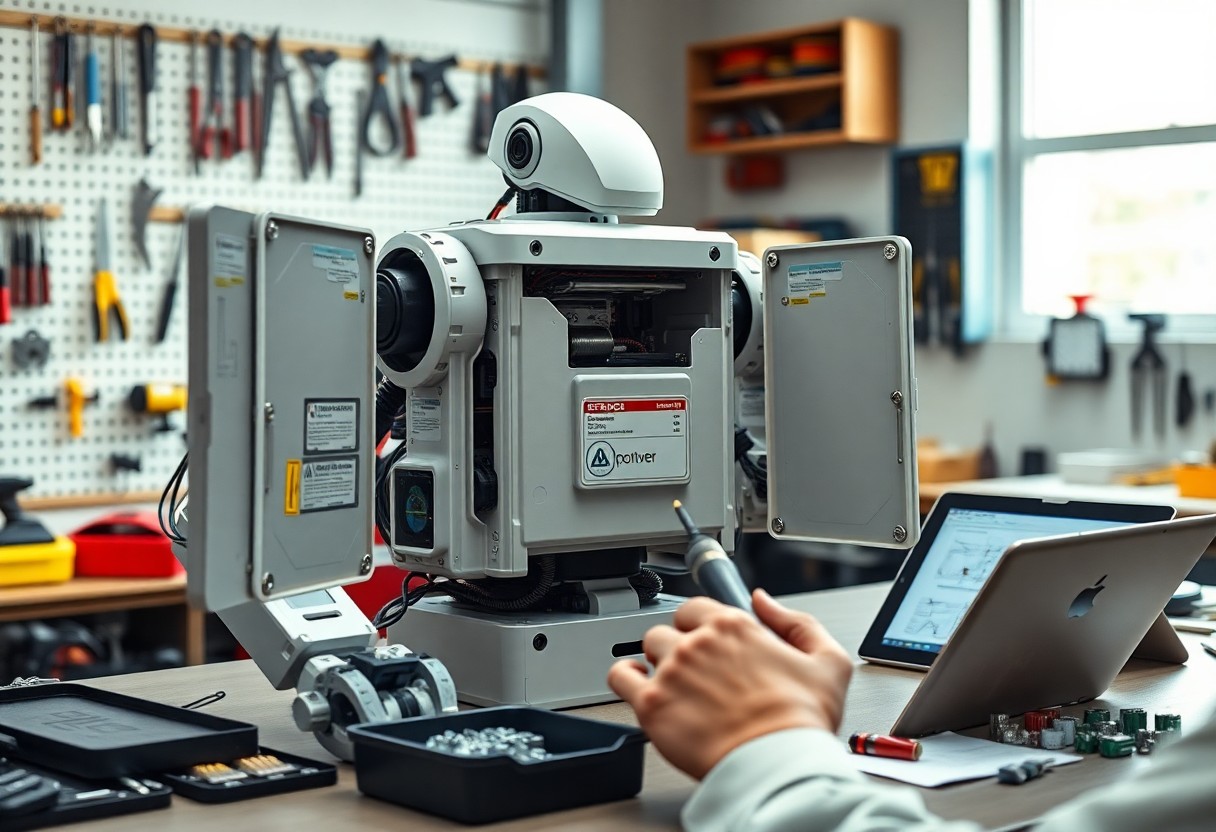
Designing Robots for Easy Maintenance and Repair
It’s imperative you design modular access panels, standardized fasteners, clear diagnostics, and accessible components so you can quickly troubleshoot, replace parts, and minimize downtime without compromising safety. Principles of Modular Architecture Modularity lets you replace or upgrade entire robot sections quickly by using uniform connection points, reducing diagnostic time and simplifying spare inventories. Standardization of […]
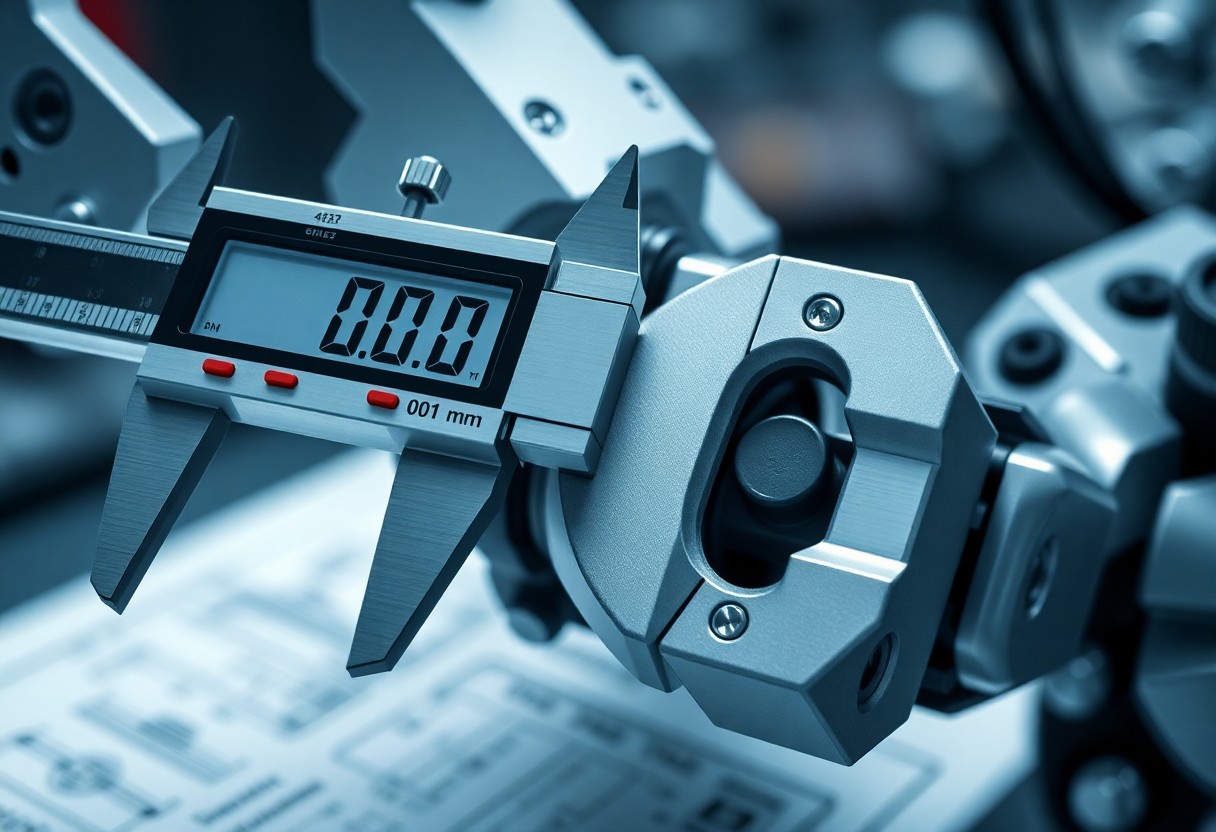
Assembly Tolerances and Their Impact on Robot Accuracy
Just consider how micrometer-level misalignments alter kinematics and repeatability; you must specify tight assembly tolerances, inspect fits, and control stack-up to prevent cumulative positional errors that degrade robot accuracy. Fundamentals of Geometric Dimensioning and Tolerancing (GD&T) GD&T guides you in specifying allowable variation, defining form, orientation, and position controls that determine assembly fits and robot […]
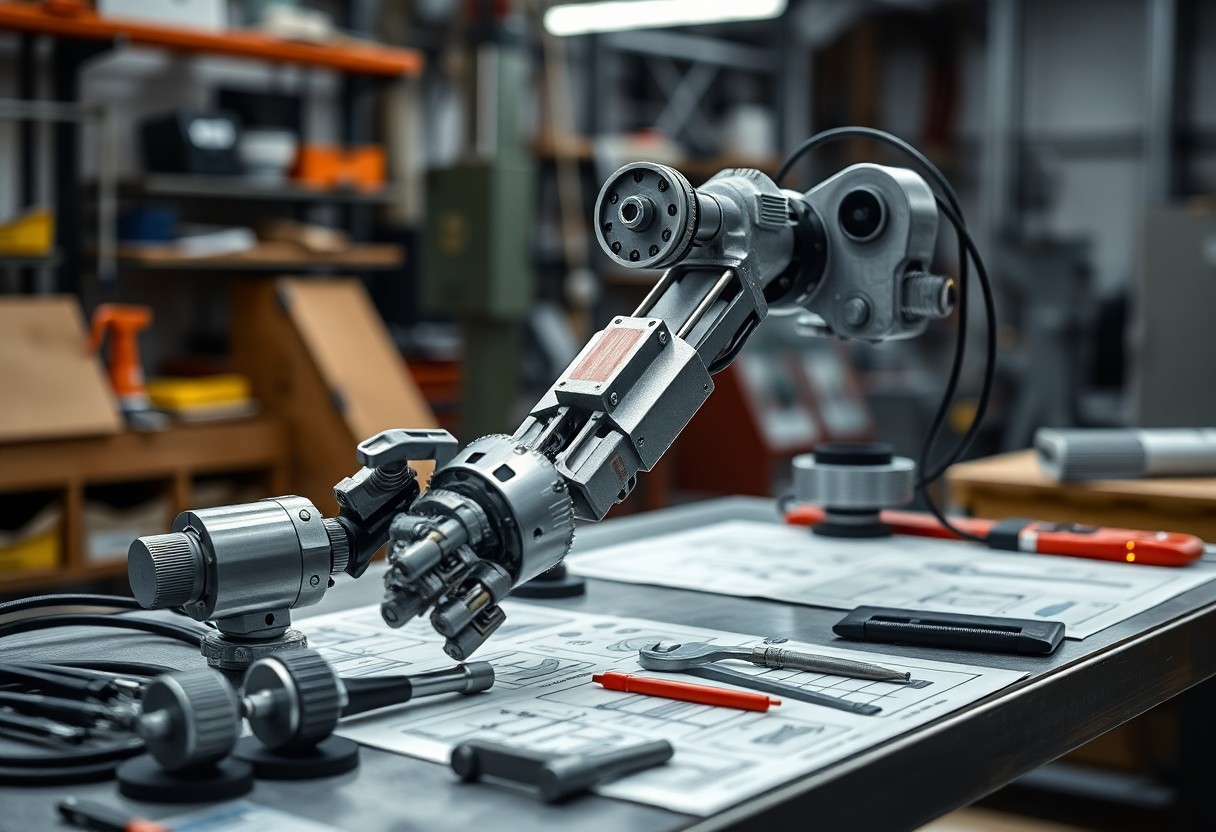
Constructing a Robot Arm – Kinematics and Assembly
You design link lengths and joint angles to achieve precise kinematics, while assembling motors, sensors, and fasteners with care; accuracy drives performance, sharp pinch points present danger, and servo torque enables strong, repeatable motion. Mechanical Design and Component Selection You should match structural requirements, actuator specifications, and safety margins when choosing parts; prioritize load capacity […]