

Just consider how micrometer-level misalignments alter kinematics and repeatability; you must specify tight assembly tolerances, inspect fits, and control stack-up to prevent cumulative positional errors that degrade robot accuracy. Fundamentals of Geometric Dimensioning and Tolerancing (GD&T) GD&T guides you in specifying allowable variation, defining form, orientation, and position controls that determine assembly fits and robot […]
Category: Uncategorized
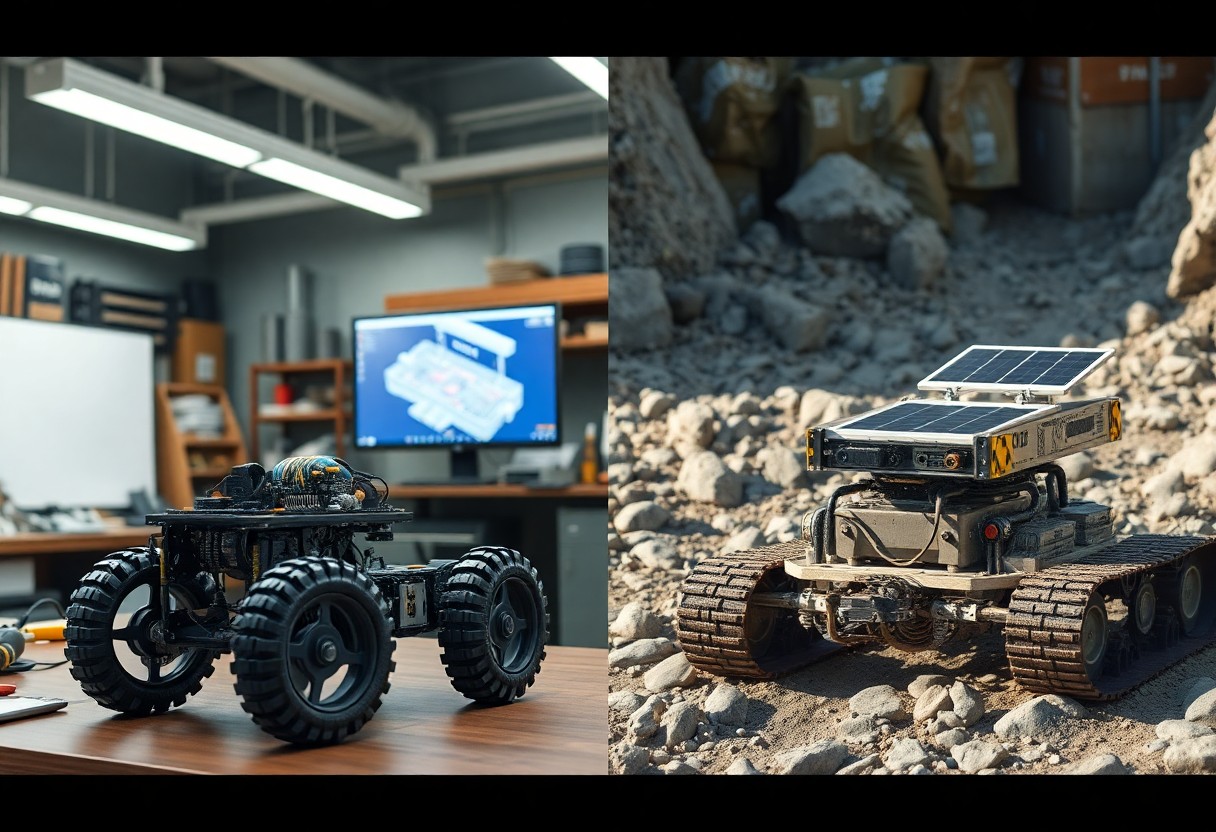
Building Robots for Indoor vs. Outdoor Environments
Most projects you build for indoor environments prioritize precision and safety while outdoor designs demand weatherproofing and guard against hazards such as terrain and exposure, so you adjust sensors, mobility and power. Structural Design and Locomotion Structure dictates trade-offs: for indoor robots you favor compact frames, quiet actuators, and precision, while outdoor systems require greater […]
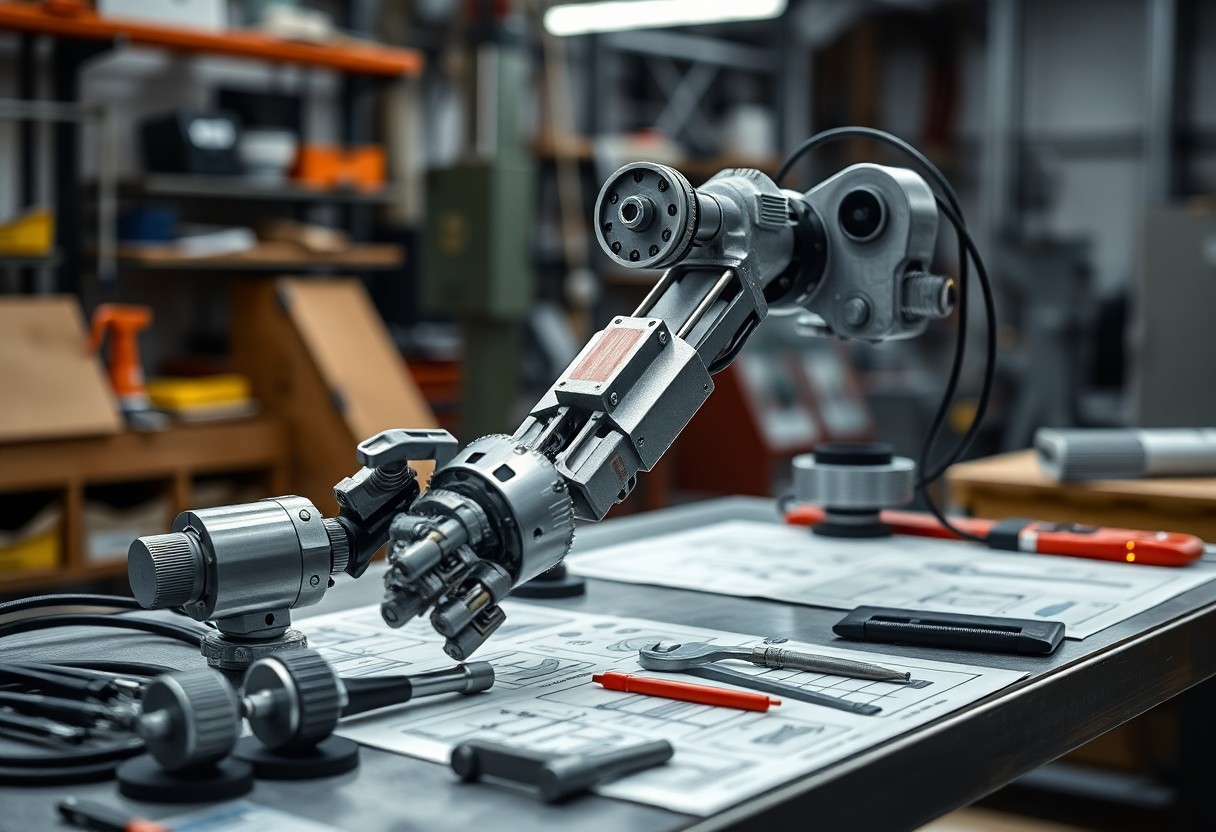
Constructing a Robot Arm – Kinematics and Assembly
You design link lengths and joint angles to achieve precise kinematics, while assembling motors, sensors, and fasteners with care; accuracy drives performance, sharp pinch points present danger, and servo torque enables strong, repeatable motion. Mechanical Design and Component Selection You should match structural requirements, actuator specifications, and safety margins when choosing parts; prioritize load capacity […]

Structural Materials in Robot Construction – Aluminum, Steel, and Plastics
Just know that when you choose materials, aluminum offers lightweight strength and corrosion resistance, steel provides high load capacity but heavier weight and rust risk, and plastics give cost-effective versatility with possible brittleness and flammability. Steel and Ferrous Metals: Durability for Heavy-Duty Systems Steel and ferrous alloys give you unmatched durability for heavy-duty robot frames, […]
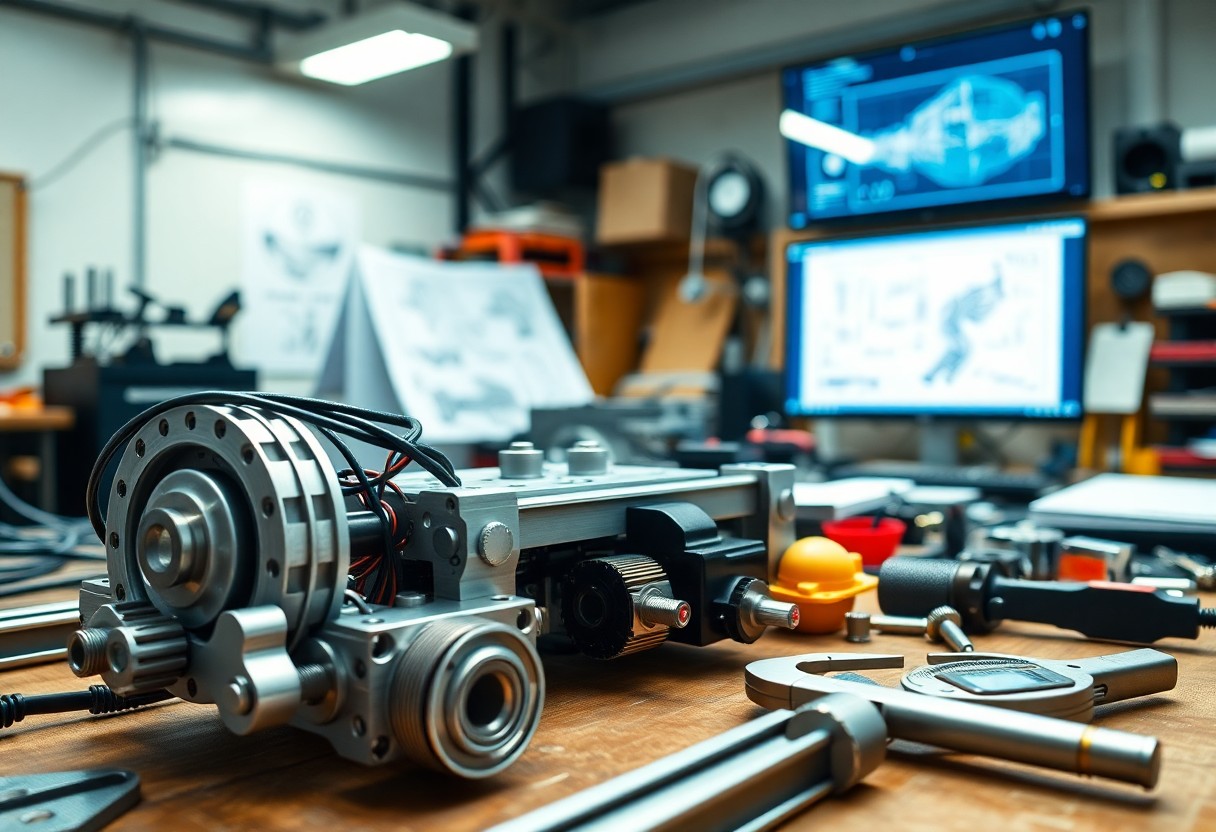
Mechanical Engineering Basics for Robot Construction
Engineering principles guide your design choices, from material selection and structural framing to actuation and kinematics, enabling reliable, efficient robots while ensuring proper tolerances, load paths, and thermal management throughout the build process. Kinematics and Linkage Design Kinematics maps joint motions to end-effector trajectories; you assess linkage types, coupler geometry, and joint constraints to shape […]