
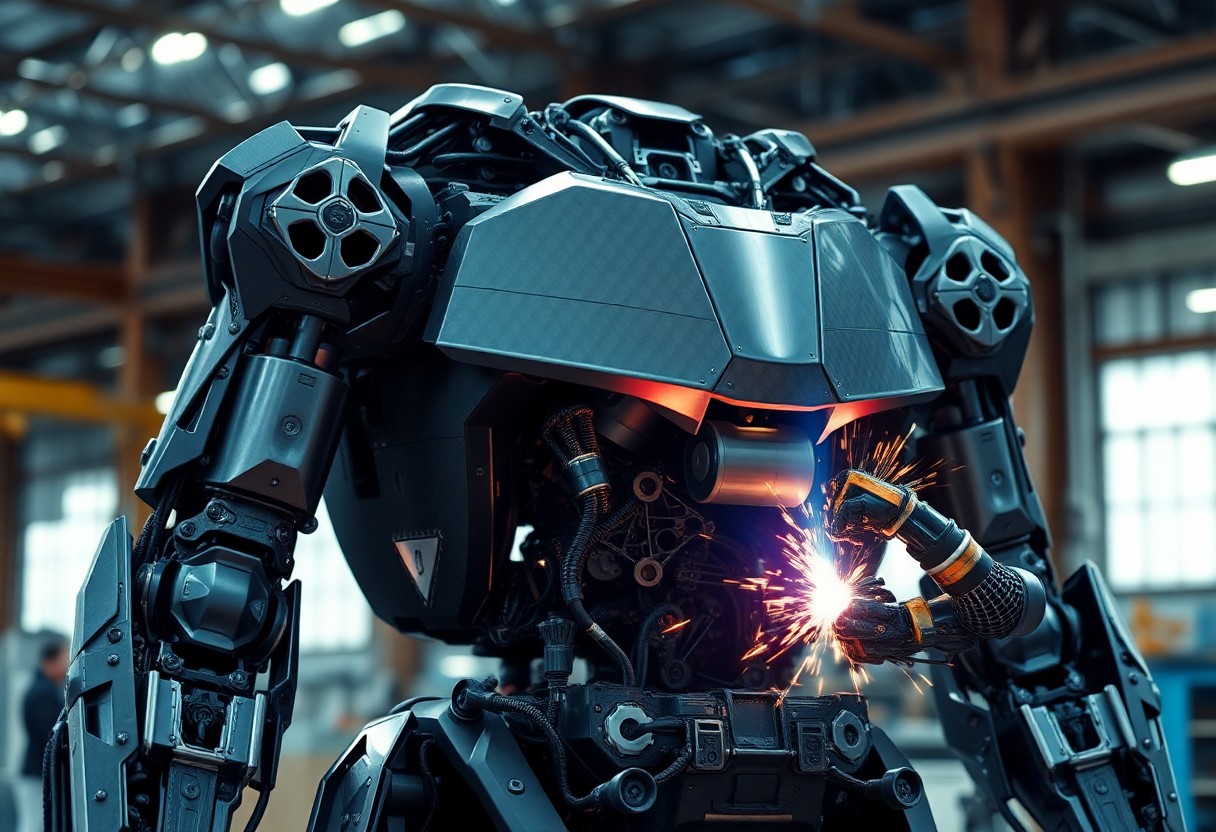
There’s a direct link between your battle robot’s survival and the strength of its chassis. You need a frame that withstands impacts, resists deformation, and supports all components without excess weight. Choosing the right materials, geometry, and reinforcement techniques ensures your robot stays functional under punishment. This guide shows you how to build a chassis […]
Category: Insight
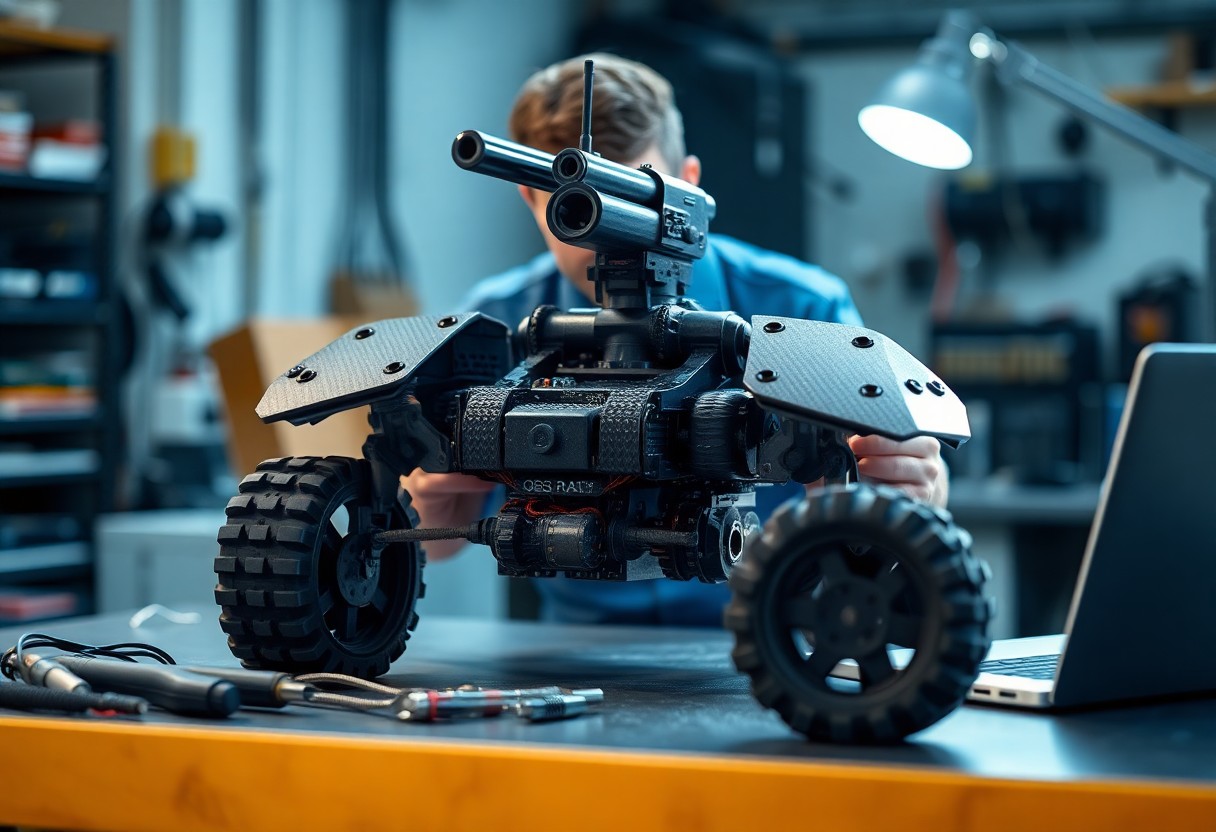
Building a Remote-Controlled Combat Robot
Over the past decade, hobbyists and engineers alike have turned to building remote-controlled combat robots as a hands-on way to explore mechanics, electronics, and strategy. You design for durability, speed, and weapon effectiveness, balancing power with control. Every component, from motors to radio systems, must work in sync under high stress. This guide walks you […]
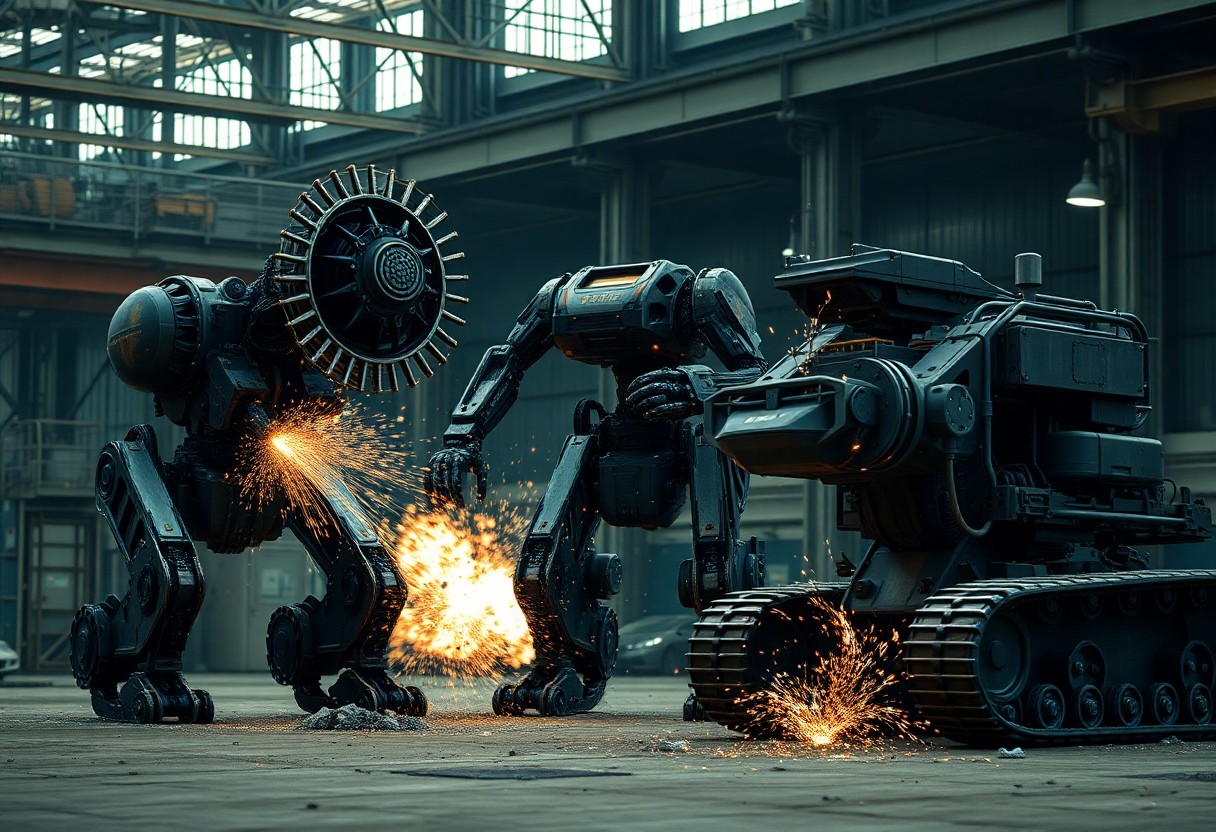
Weapon Systems in Robot Wars – Spinners, Lifters, and Crushers
There’s a reason the most dominant robots in Robot Wars rely on powerful, well-designed weapons. You’re about to discover how spinners deliver devastating impacts, lifters control opponents with precision, and crushers apply brute force to dismantle competition-each shaping the outcome of battle in decisive ways. The Heavy Spinner You face opponents with brute force when […]
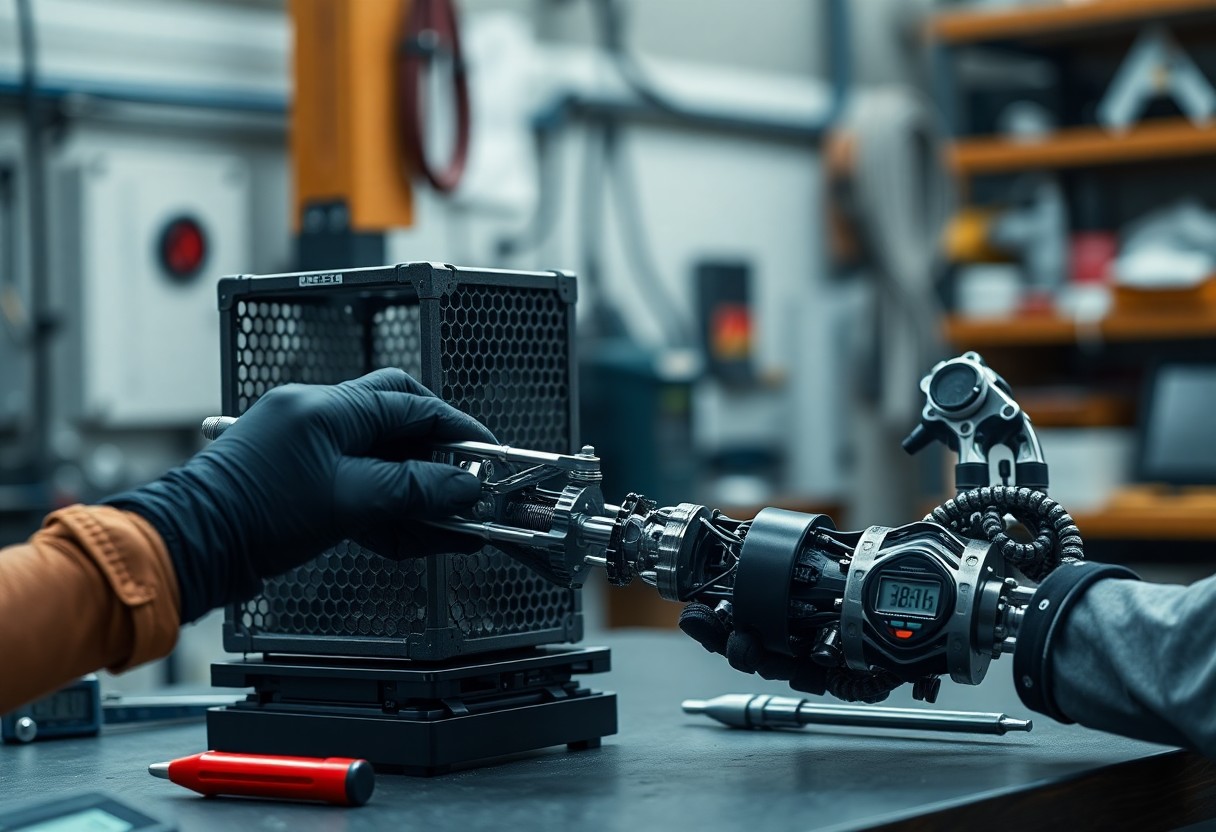
Building a Lightweight Robot Without Losing Durability
Robot design demands a balance between weight and strength, and you can achieve both with the right materials and structural choices. By selecting high-strength composites, optimizing frame geometry, and using strategic reinforcement, you build a machine that moves efficiently without sacrificing resilience under stress. Material Selection for the Positronic Age Today’s robots demand materials that […]
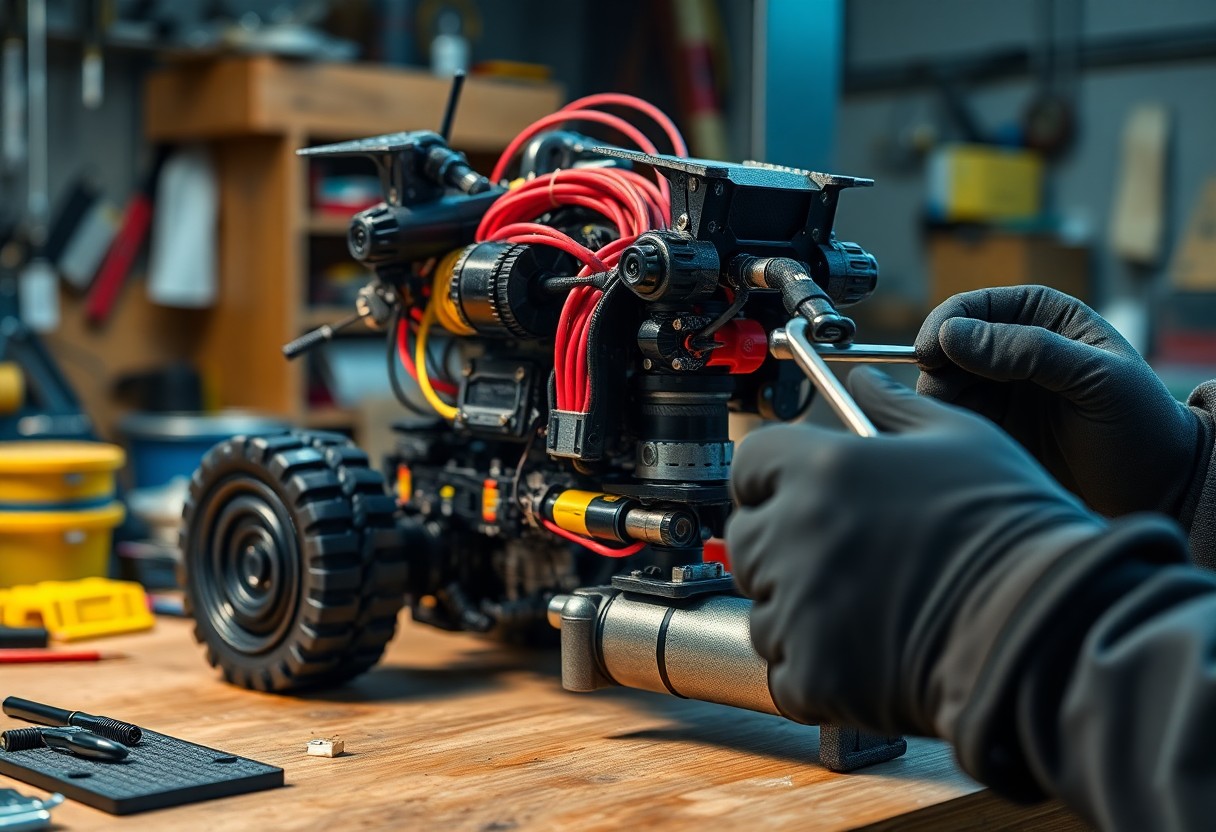
How to Upgrade Your Combat Robot for Better Performance
Over time, your combat robot faces tougher opponents and more demanding arenas. You need smarter motors, stronger armor, and refined control systems to stay competitive. This guide shows you exactly which components to upgrade and how to install them for maximum impact in the ring. Evaluating Critical Performance Factors Every combat robot’s effectiveness hinges on […]
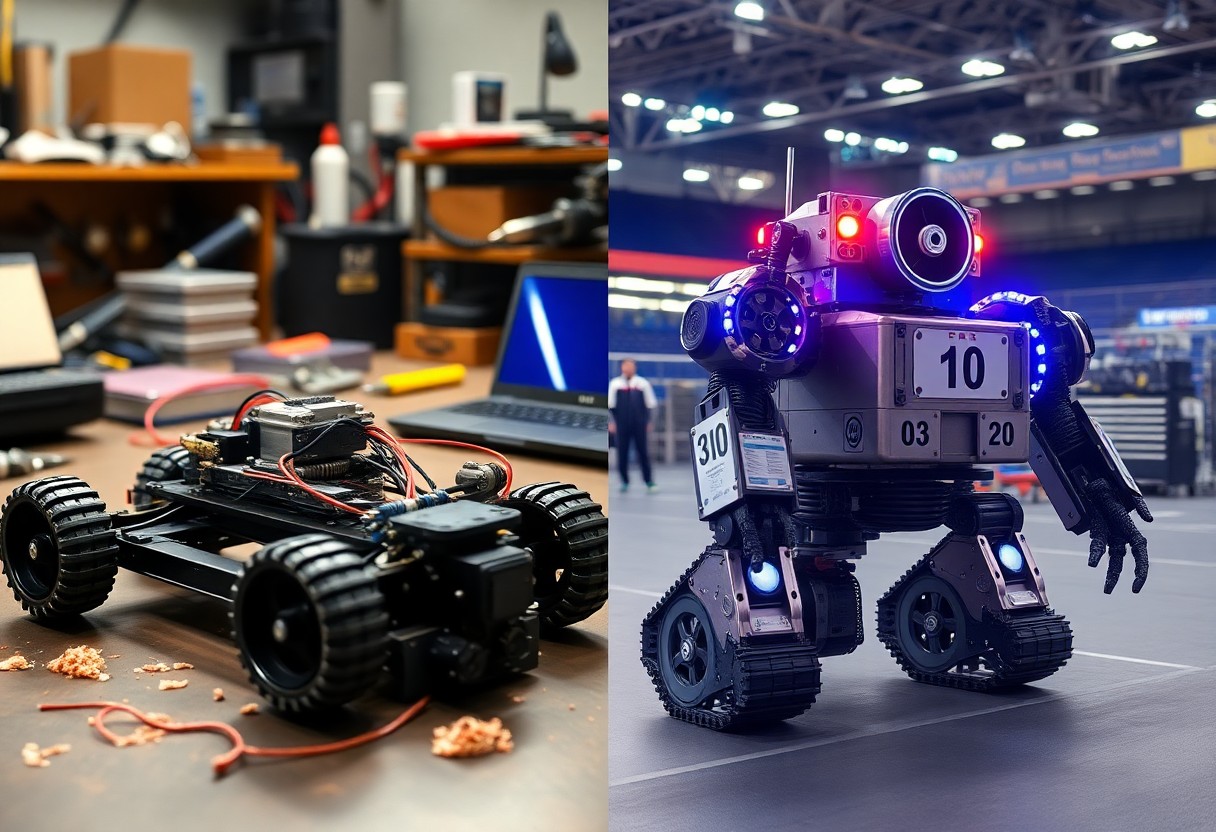
From First Prototype to Competition-Ready Battle Robot
Just beginning your journey from concept to combat robot? You start with a basic prototype, refine mechanics through testing, strengthen armor, optimize weapon systems, and fine-tune control. Each iteration sharpens performance. With persistence and precision, your machine evolves into a reliable, competition-ready contender built to withstand real arena challenges. The Raw Steel Every battle bot […]

Mechanical Design Challenges in Robot Combat
Just designing a combat robot that survives impact requires you to balance strength, weight, and mobility under extreme conditions. You face material fatigue, weapon integration, and structural integrity with every build. Your choices directly determine whether your robot withstands blows or fails in the arena. The Weight Limit and the Hard Choice You face a […]

Combat Engineering Robots Supporting Frontline Logistics
Logistics on the front lines demand precision, speed and resilience under fire. You rely on systems that move supplies, clear routes and sustain operations where human presence is too risky. Combat engineering robots now perform these tasks, integrating strength, autonomy and real-time responsiveness in active theaters. A mid-sized SaaS firm managing drone logistics for military […]
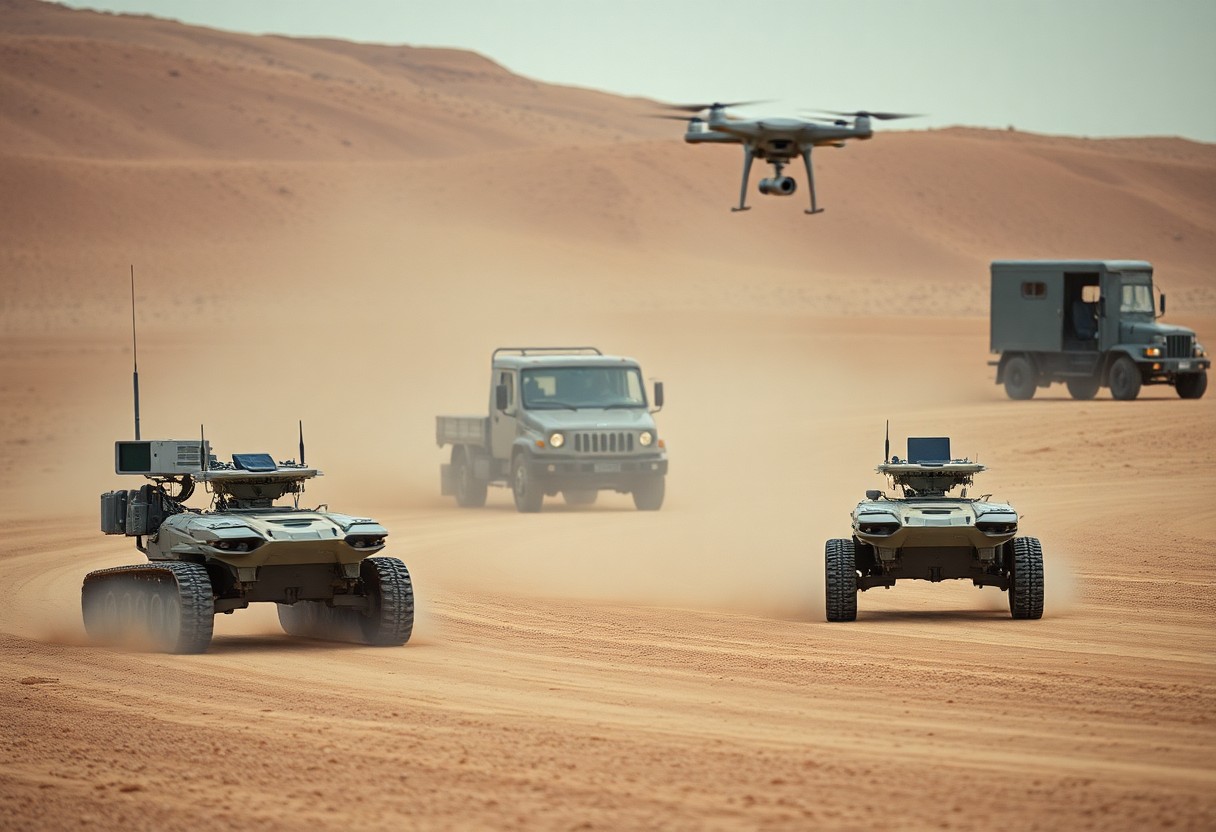
Autonomous Ground Systems and the Future of Warfare
There’s a new presence on the battlefield, one without breath or fatigue, reshaping how conflicts unfold. You’re no longer imagining distant sci-fi scenarios-autonomous ground systems are advancing faster than doctrine can keep pace, already altering reconnaissance, supply, and direct engagement. These machines operate in dust storms, rubble, and radio silence, where human endurance fails. You’re […]
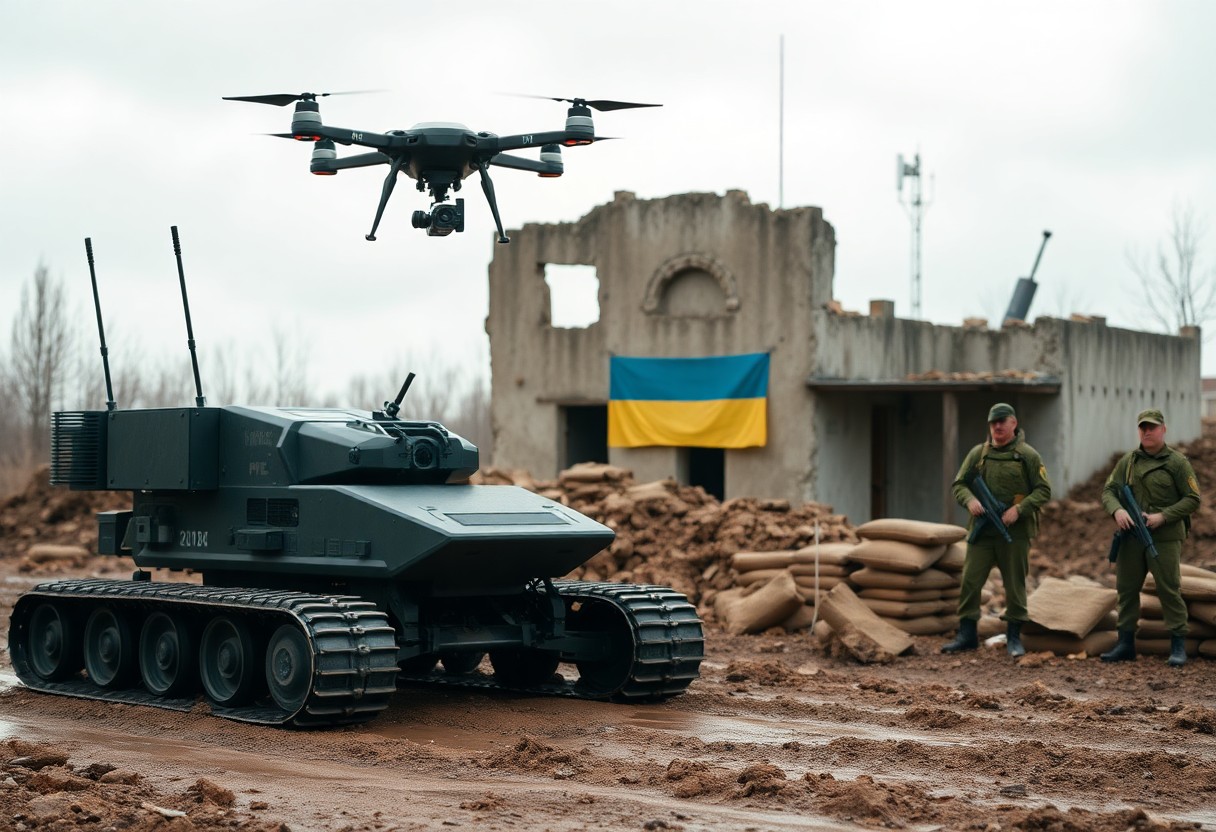
Robotics and Battlefield Innovation in Ukraine
Over 1,000 drones are now deployed weekly by Ukrainian units alone, transforming how modern combat unfolds across Eastern Europe. You are witnessing a live laboratory of battlefield robotics, where necessity drives rapid iteration, and civilian engineers code guidance systems in repurposed basements. This war moves faster than doctrine, rewriting military innovation in real time. The […]