
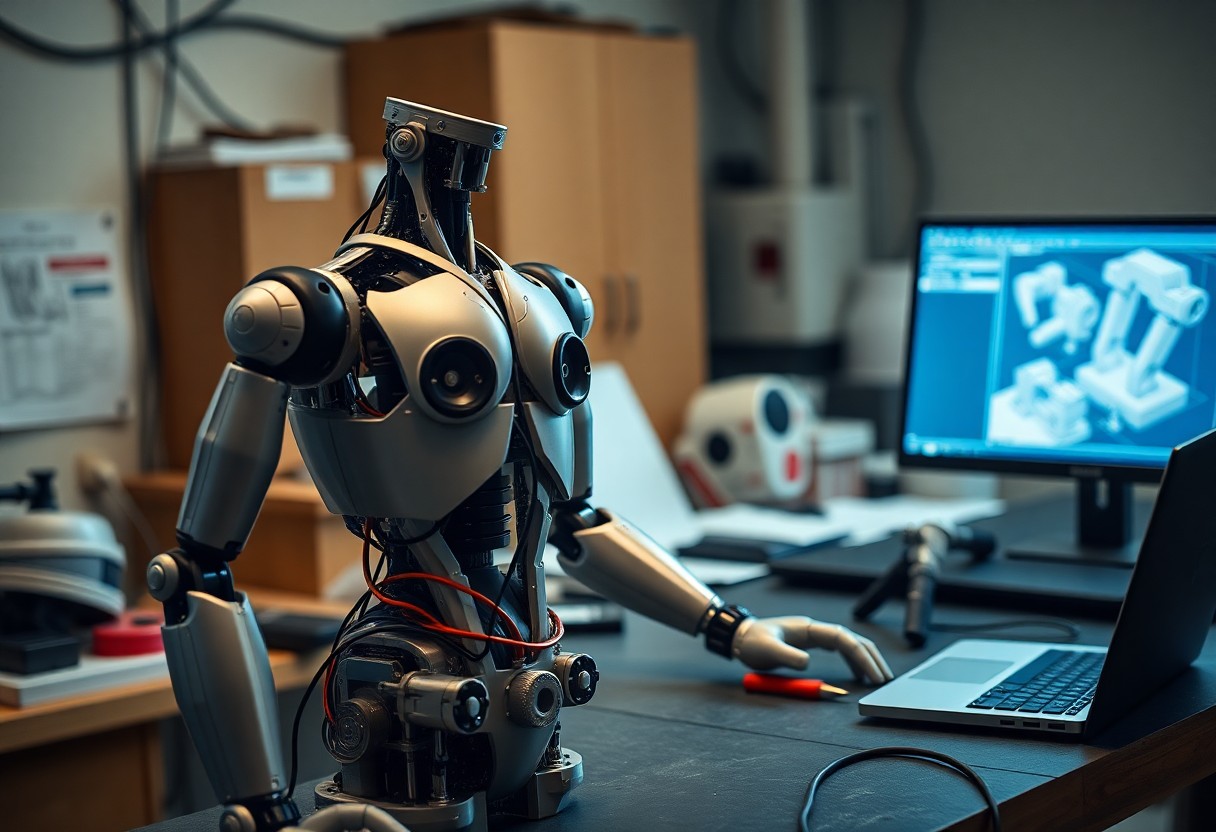
Over the past decade, humanoid robotics has moved from research labs to accessible DIY projects. You can build your own functional prototype by selecting the right frame materials, integrating servo motors for joint movement, programming basic locomotion, and using sensors for environmental awareness. This guide walks you through each step with precision and clarity. Assessing […]
Category: Uncategorized

Constructing a Robot with Autonomous Decision-Making
AI enables robots to assess environments and act independently. You design such systems by integrating sensors, processing units, and decision algorithms. You teach machines to interpret data and respond in real time. Your robot learns from inputs and adjusts behavior without human intervention. You build intelligence through code, hardware, and iterative testing. The Positronic Architecture […]
Building a Multi-Purpose Robot for Everyday Tasks
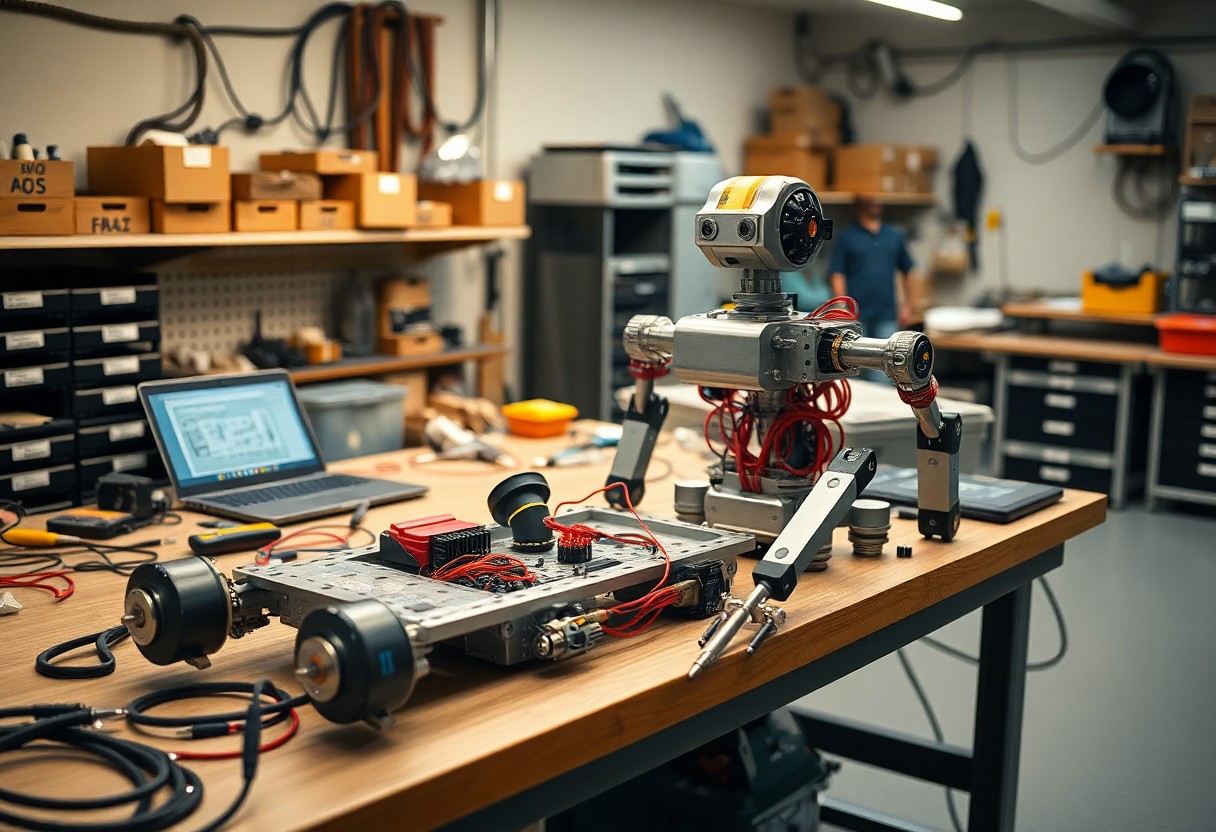
Just imagine a robot that handles chores, assists with errands, and adapts to your daily needs. You can design such a system by integrating modular hardware, responsive sensors, and intuitive software. This guide walks you through the practical steps to build a functional, multi-purpose robot that simplifies everyday life. The Physical Framework Your robot’s durability […]
Constructing Robots with Low-Cost Components and High Flexibility
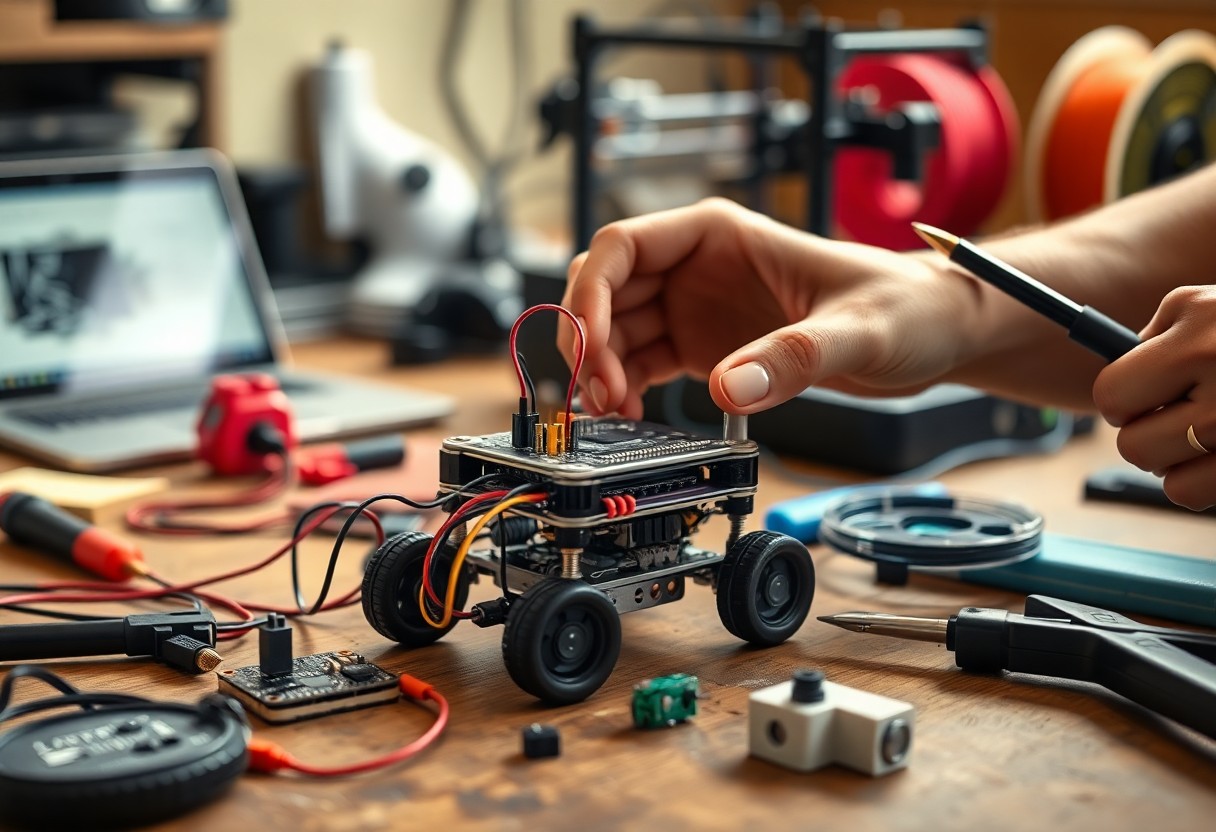
Most robotics enthusiasts begin with limited budgets but big ambitions. You can build functional, adaptable robots using affordable, widely available parts without sacrificing performance. This guide shows you how to select components, design flexible systems, and implement smart engineering choices that maximize capability while minimizing cost. The Economic Imperative of the Machine You build smarter […]
How to Build a Voice-Controlled Robot at Home
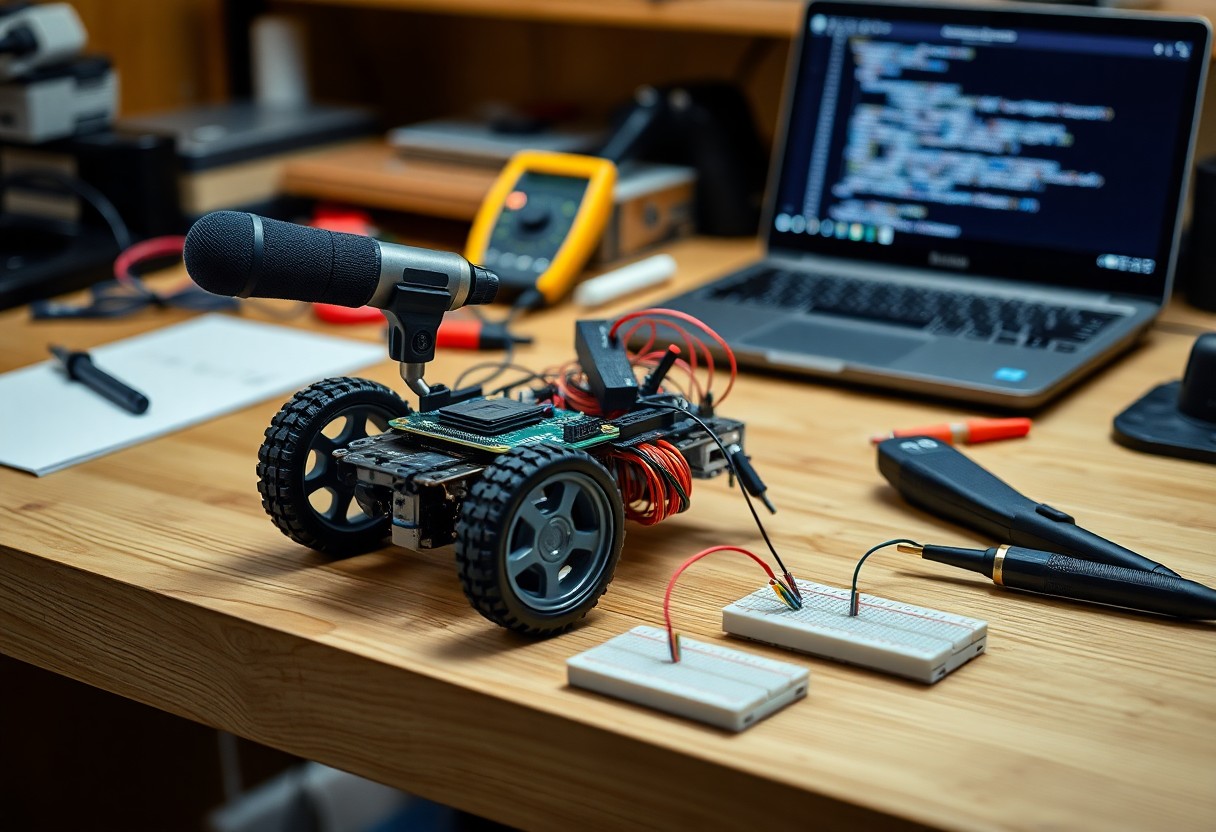
This guide shows you how to build a voice-controlled robot at home using affordable, easy-to-find components. You’ll learn to connect a microcontroller, motor driver, and microphone module, then program the system to respond to spoken commands. With clear steps and no prior robotics experience required, you’ll have a working voice-activated robot in hours. Assessing Core […]

Constructing a Robot That Learns from Human Input
Human feedback shapes how machines adapt and improve over time. You can build a robot that interprets gestures, voice commands, or corrections to refine its actions. By integrating learning algorithms with real-time input, you create systems that grow more accurate and responsive through direct interaction, transforming how robots understand and assist in everyday tasks. The […]
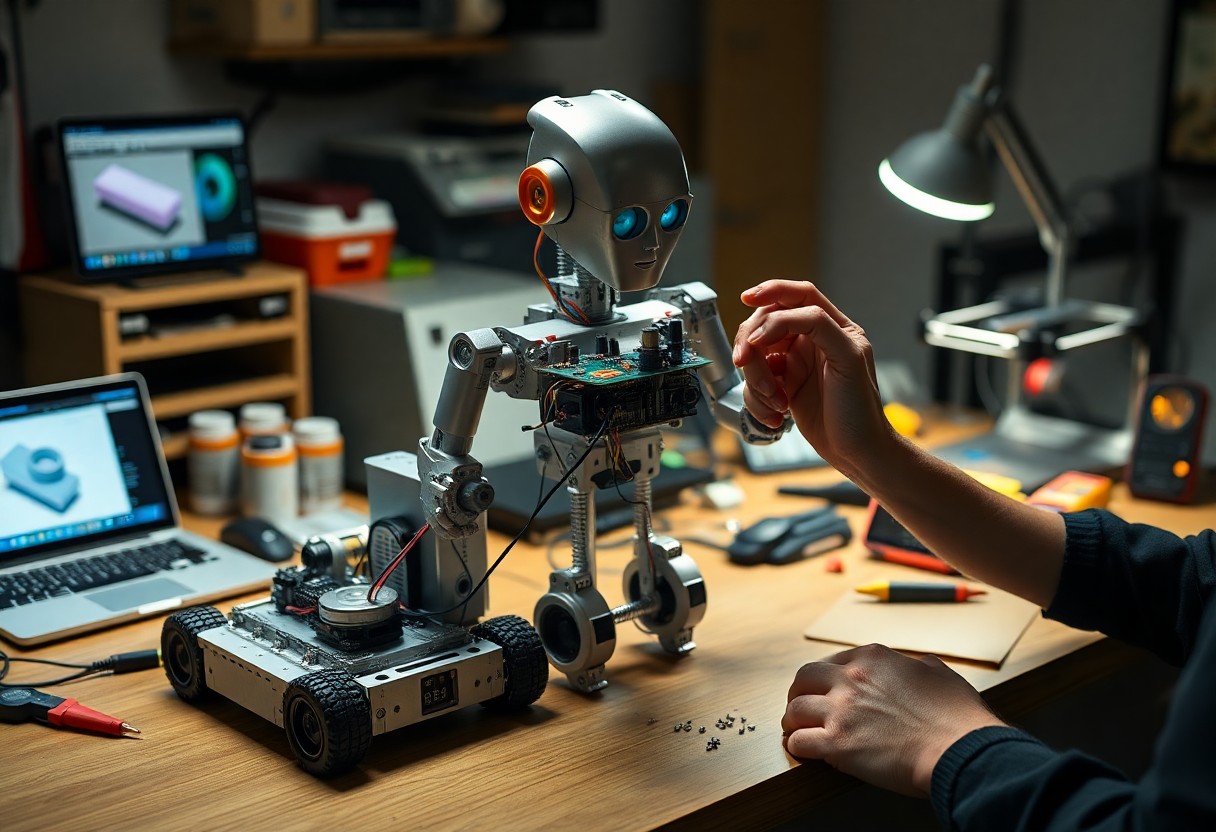
Constructing a Robot from Concept to Functional Prototype
Just follow systematic design, component selection, prototyping, and testing to transform your robot idea into a working prototype. Conceptualization and Requirements Analysis Conceptualization connects user needs to measurable goals, so you outline core functions, user scenarios, and constraints that will steer design decisions and early trade-offs. Defining Operational Objectives and Constraints Objectives specify mission profiles, […]
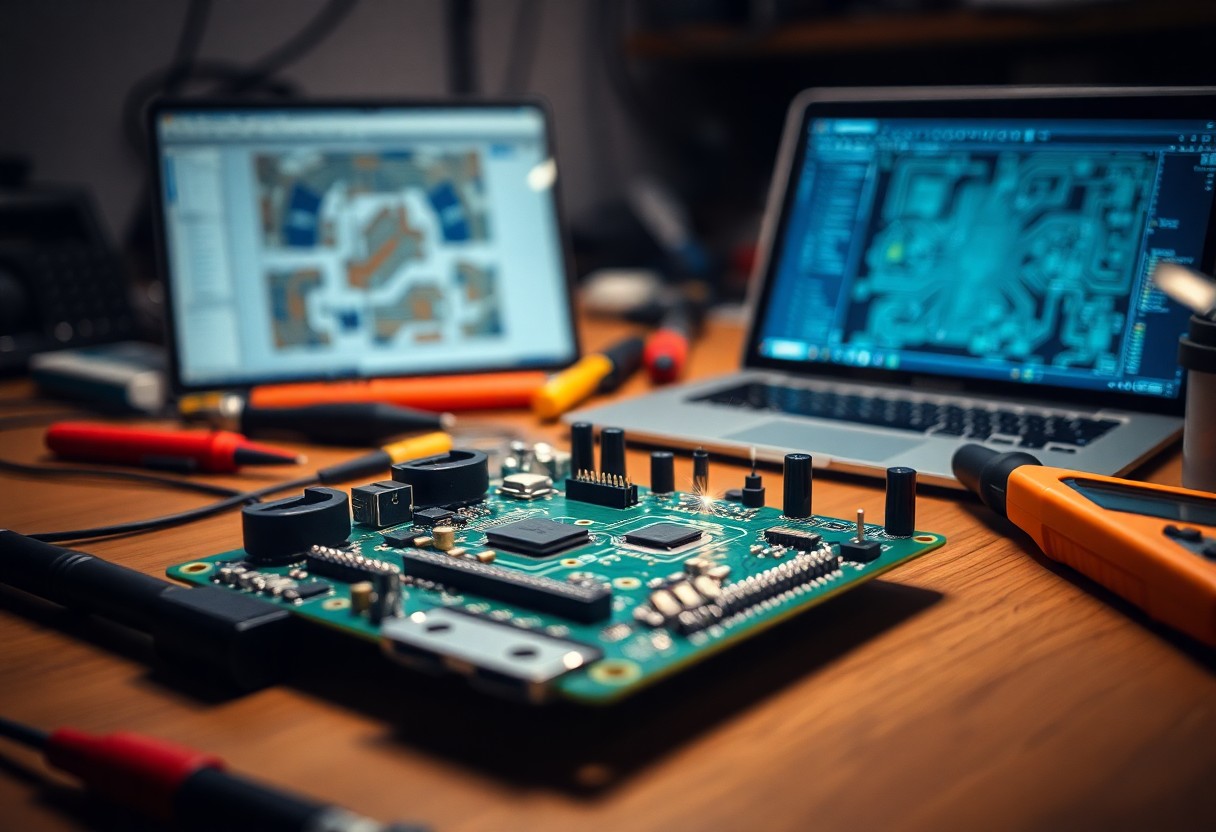
Designing and Building a Robot Control Board
Just follow systematic component selection, PCB layout, firmware architecture, and testing to design and build a Robot Control Board that meets your performance and safety requirements. Defining System Requirements and Specifications Scope sets the functional and nonfunctional targets you use to prioritize features, power budgets, environmental ratings, timing constraints, and integration points for the control […]
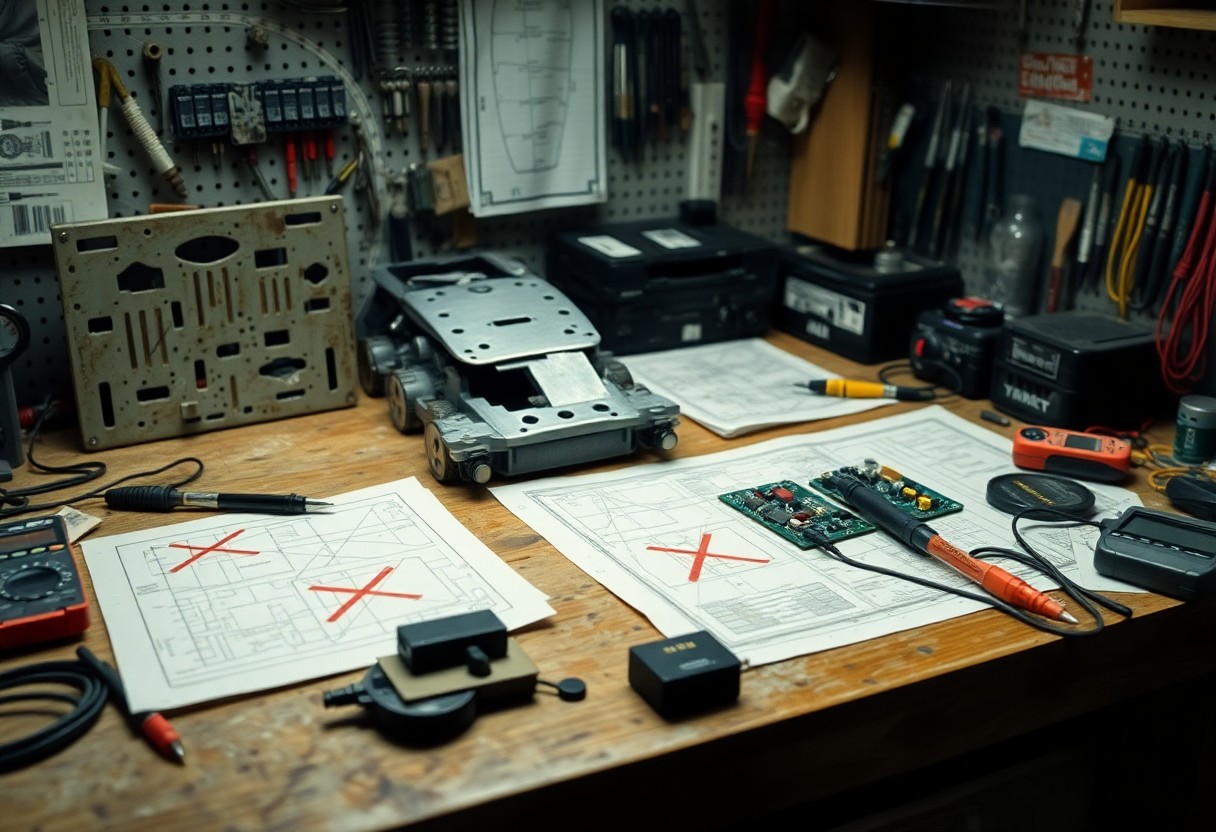
Lessons Learned from Failed Robot Builds
Robotics failures teach you practical debugging, design trade-offs, and testing discipline so you can refine prototypes faster and avoid repeated mistakes. Mechanical Integrity and Structural Design Structural design failures teach you to prioritize joint strength, correct load paths, and redundant supports so your robot survives impacts and sustained operation. Material Stress and Fatigue Limits Testing […]
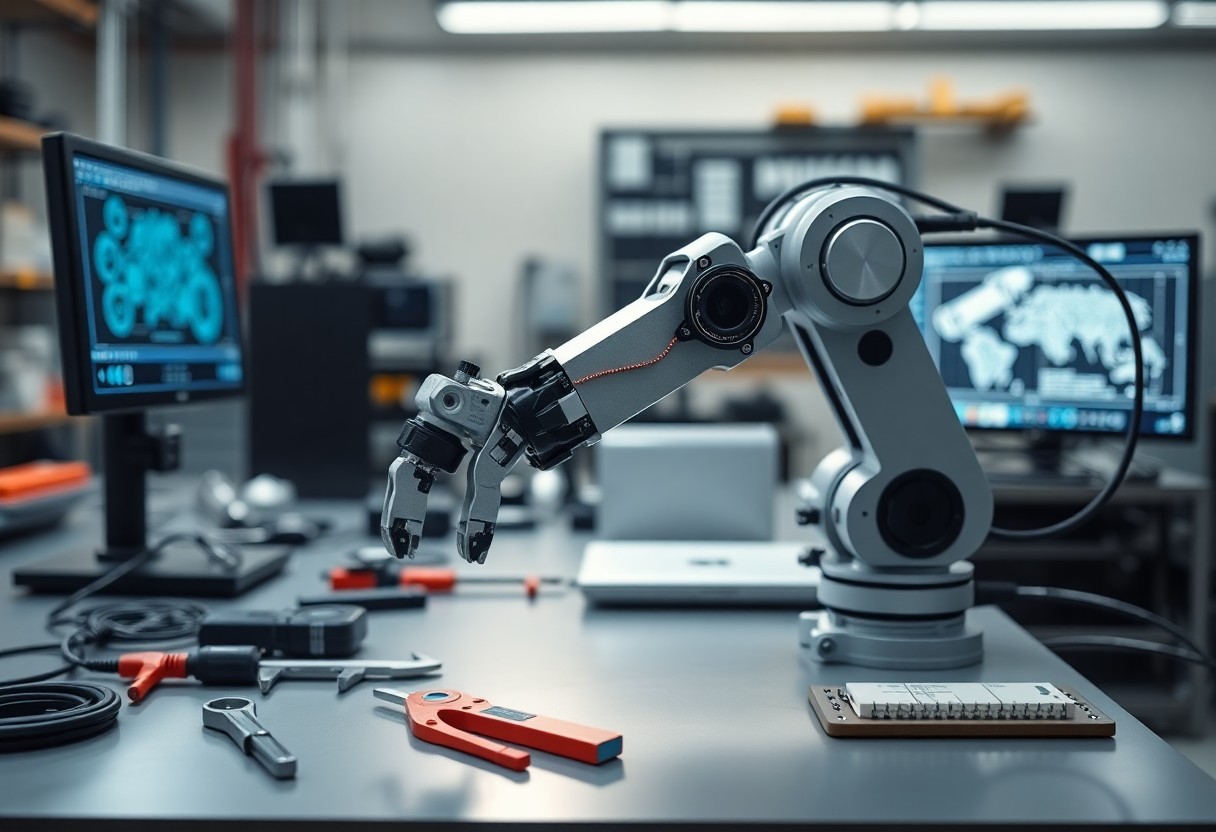
Design for Manufacturability in Robotics
There’s clear benefit when you adopt manufacturability-focused design: you lower costs, simplify assembly, improve yield, and accelerate time-to-market for robotic systems by selecting standard components, minimizing part count, and designing for repeatable processes. Core Principles of Robotic DfM You should focus on reducing part count, standardizing interfaces, and designing tolerances for predictable assembly so manufacturing […]