
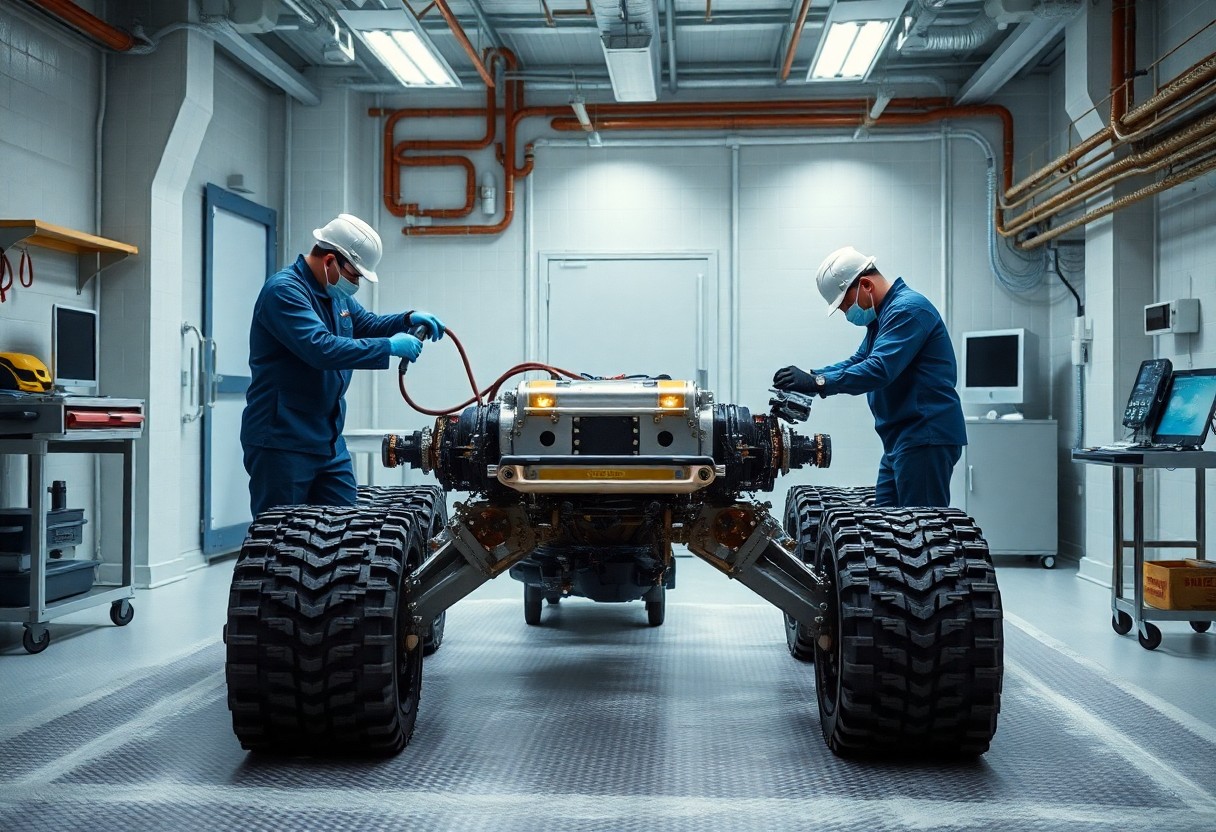
Most extreme environments demand robots built beyond standard limits. You face intense heat, freezing cold, radiation, or crushing pressure. Success means selecting materials, power sources, and sensors engineered to endure. Every component must perform reliably where humans cannot survive. This is how you build a robot for the planet’s harshest places. The Architecture of Endurance […]
Category: Automation
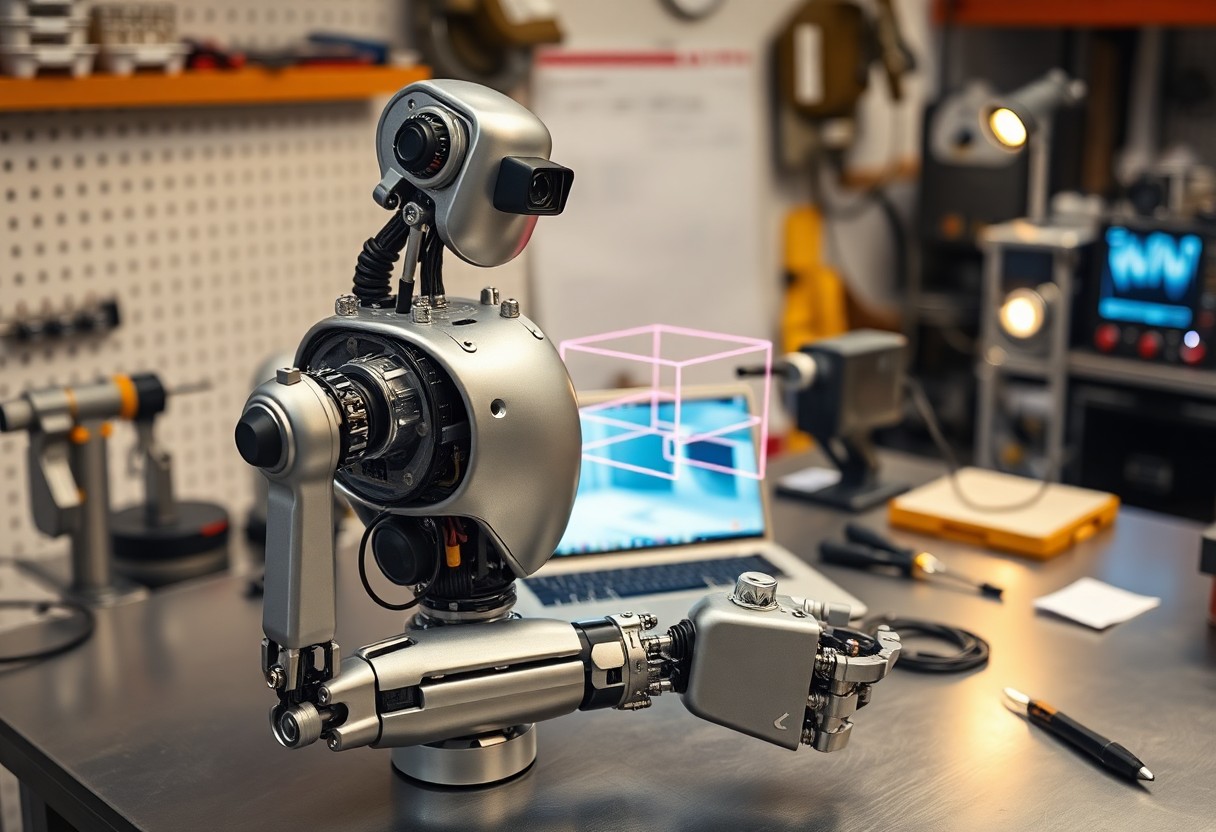
Constructing a Robot Capable of Object Recognition
Construction of a robot capable of object recognition begins with integrating sensors, processing units, and machine learning models. You select cameras and depth sensors to capture visual data, then process it using trained neural networks to identify objects. Proper calibration and iterative testing ensure accuracy and responsiveness in real-world environments. The Mechanical Foundation Your robot […]
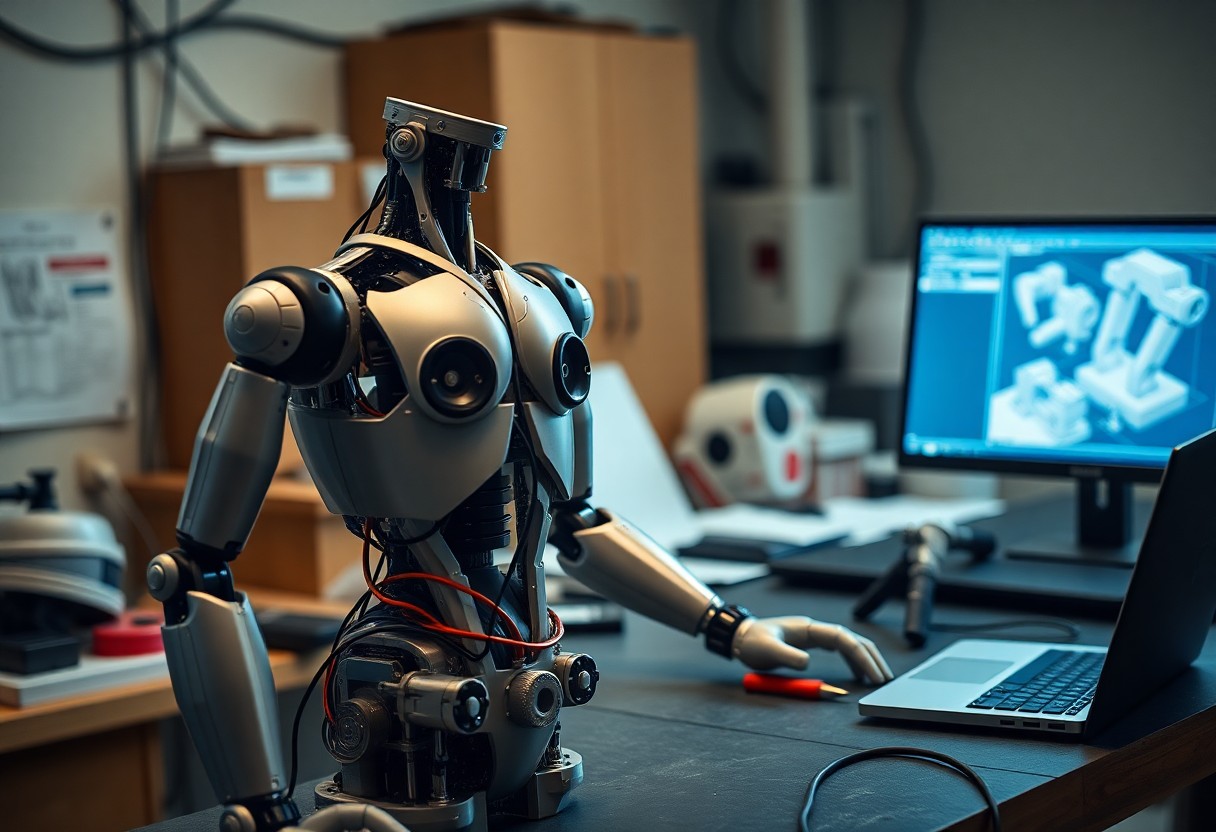
How to Build a Humanoid Robot Prototype
Over the past decade, humanoid robotics has moved from research labs to accessible DIY projects. You can build your own functional prototype by selecting the right frame materials, integrating servo motors for joint movement, programming basic locomotion, and using sensors for environmental awareness. This guide walks you through each step with precision and clarity. Assessing […]
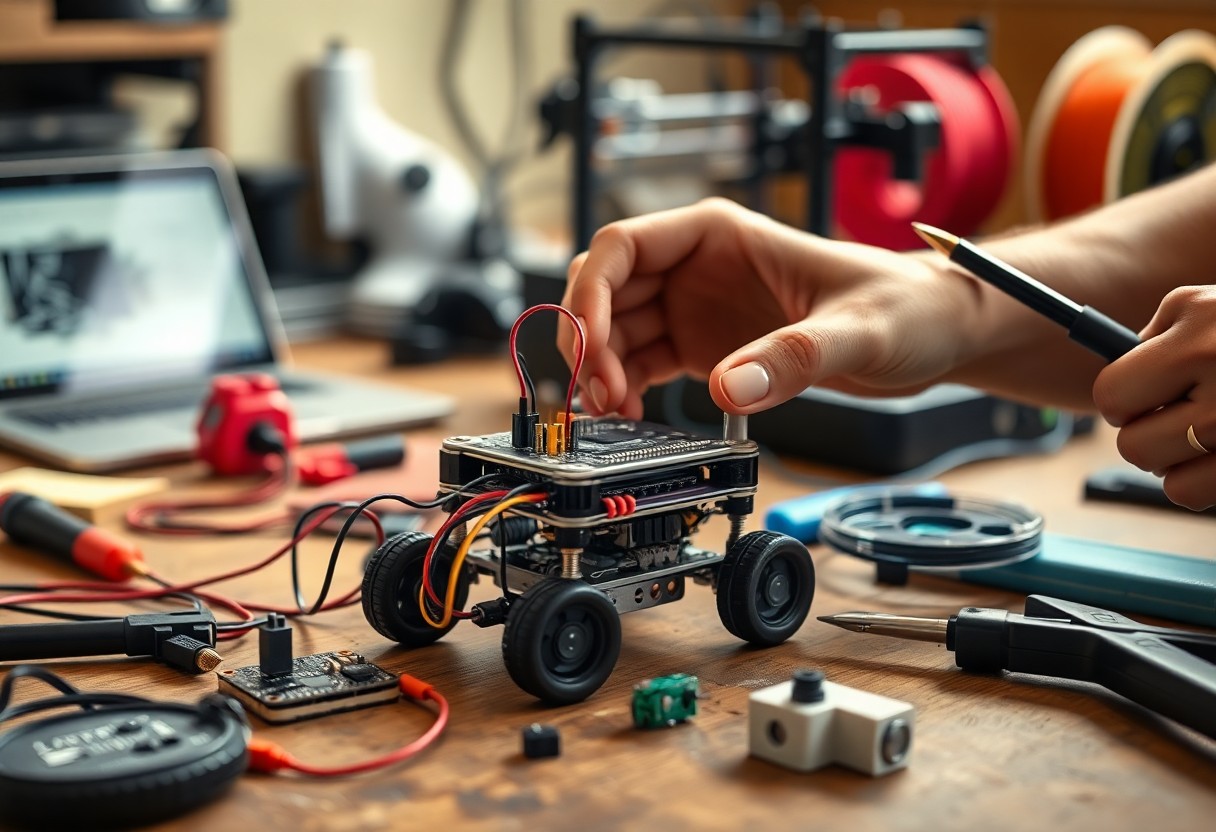
Constructing Robots with Low-Cost Components and High Flexibility
Most robotics enthusiasts begin with limited budgets but big ambitions. You can build functional, adaptable robots using affordable, widely available parts without sacrificing performance. This guide shows you how to select components, design flexible systems, and implement smart engineering choices that maximize capability while minimizing cost. The Economic Imperative of the Machine You build smarter […]
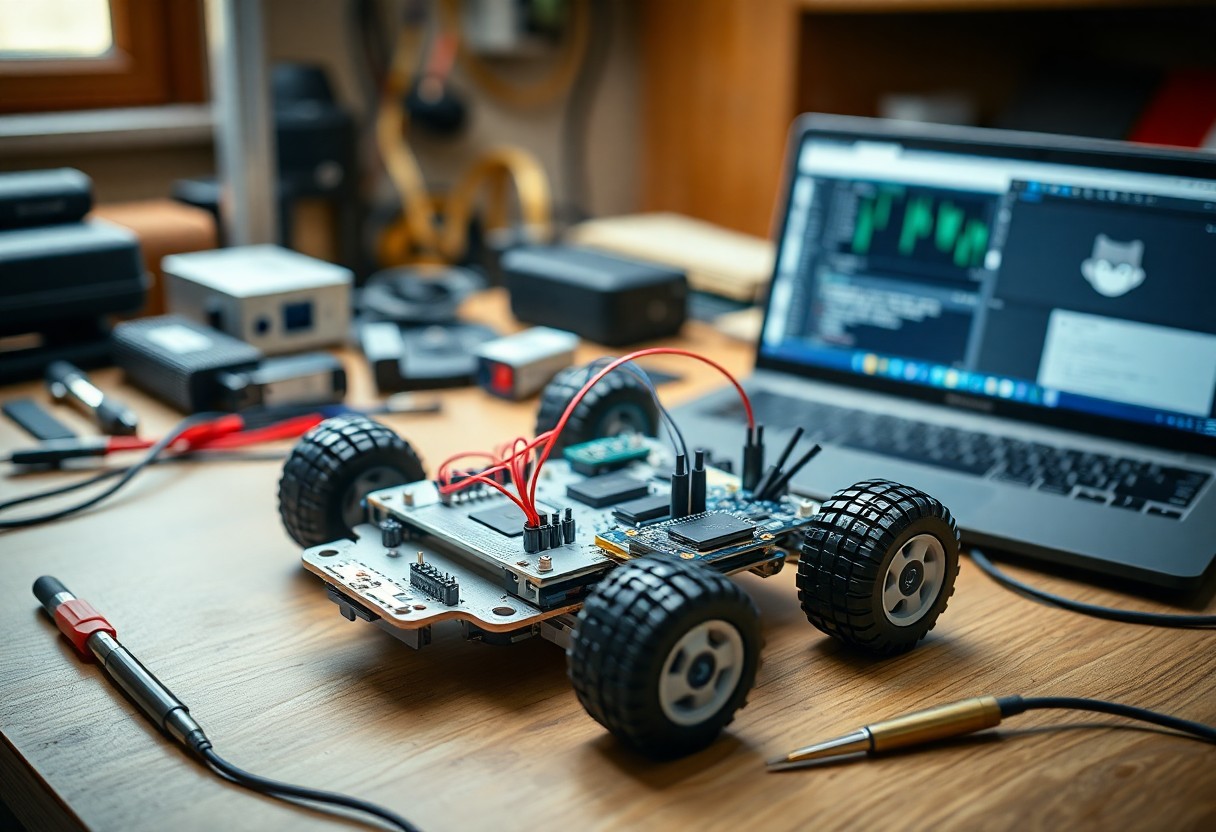
How to Construct a Robot Using Open-Source Hardware
There’s a straightforward way to build your own robot using open-source hardware. You can access affordable, customizable components and detailed schematics online. With basic tools and clear instructions, you assemble, program, and test your robot efficiently. This guide walks you through each step with precision and clarity. Selecting the Right Open-Source Platform Choosing the right […]
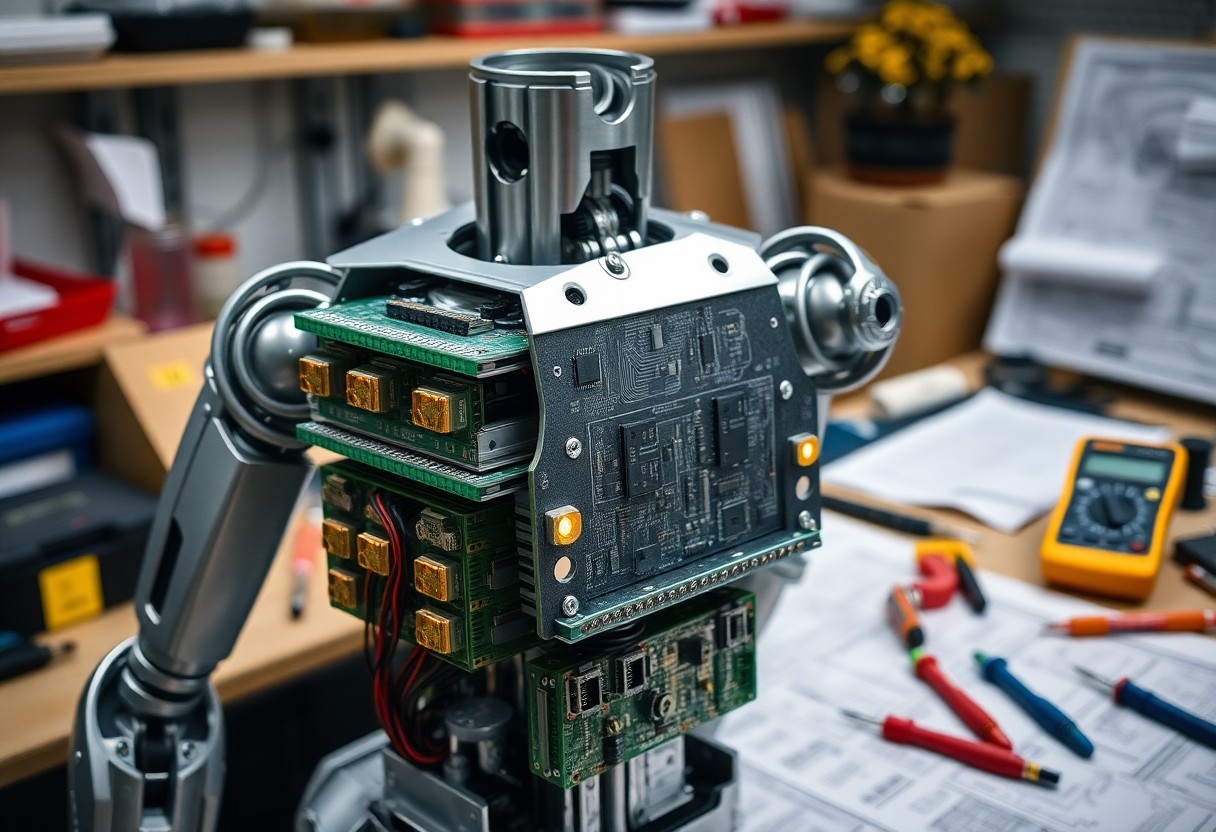
Constructing a Robot with Modular Electronics Architecture
Most builders use modular electronics so you can isolate sensors, actuators, and controllers, swap components, test subsystems, and scale functionality without redesigning the entire robot. Foundations of Modular System Design Modularity lets you split control, power, and sensing into discrete boards and connectors so upgrades and repairs target single modules without reworking the entire robot. […]
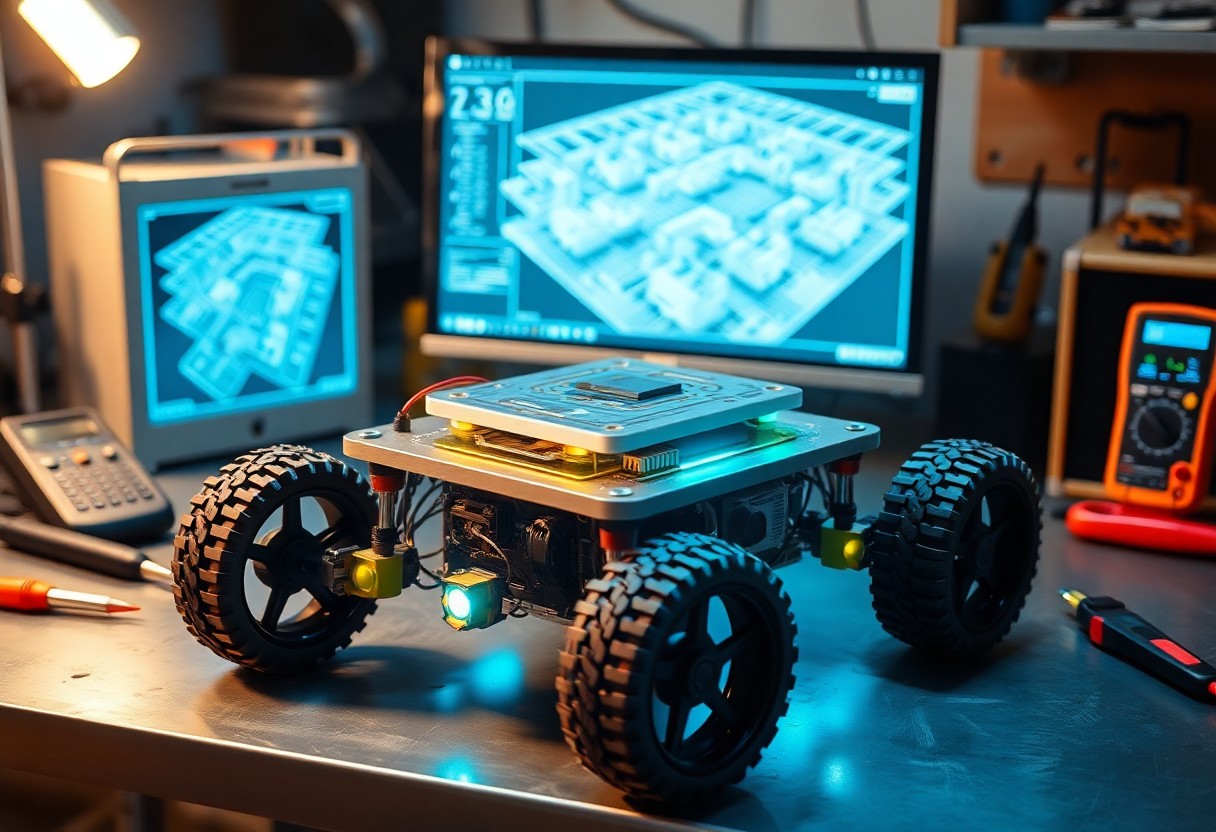
Designing and Building a Robot for Autonomous Mapping
Just define sensor choices, SLAM algorithms, chassis, and power requirements so you can design and build an autonomous mapping robot that produces accurate maps, maintains localization, and operates safely during field testing. Hardware Architecture and Component Selection Your hardware design balances processing, power, and payload constraints; choose a modular chassis, scalable compute (embedded GPU or […]
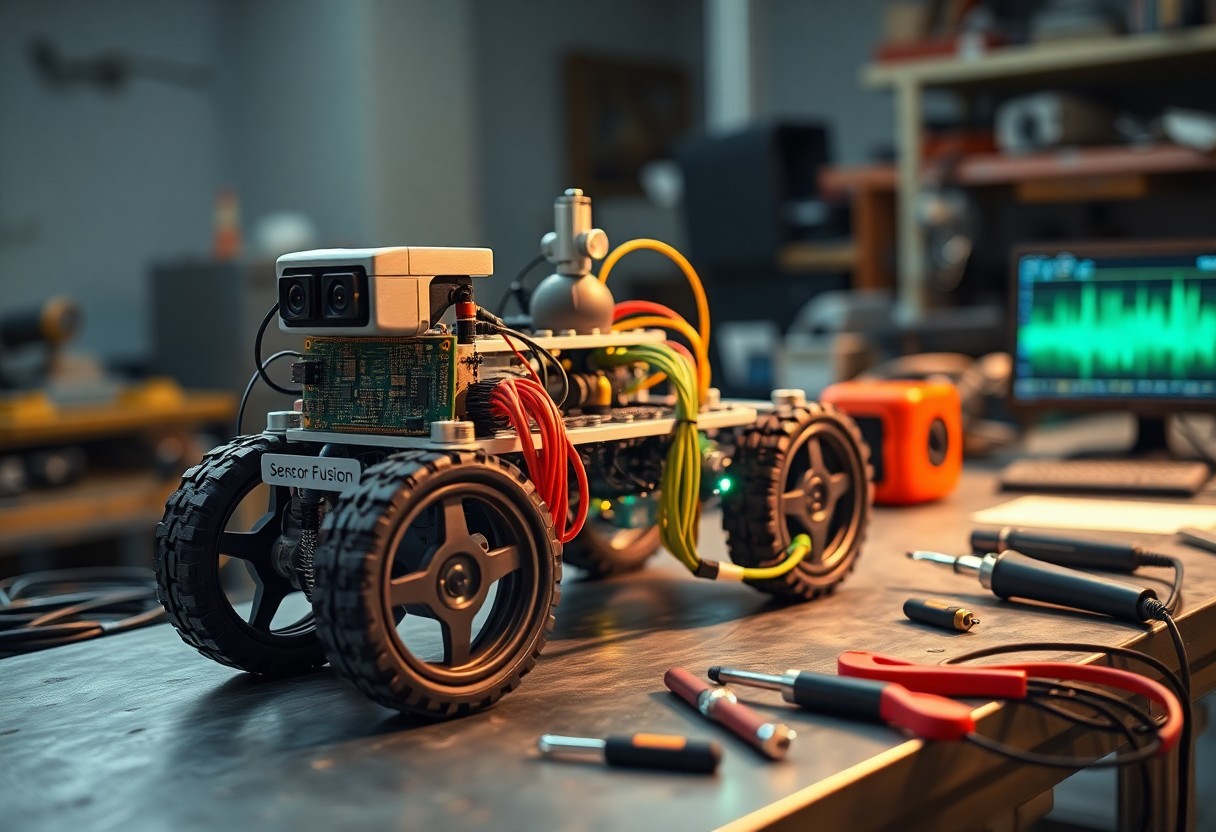
Constructing a Robot with Integrated Sensor Fusion
Just assemble sensors, microcontroller, and fusion algorithms to build a robot that synthesizes IMU, lidar, and vision data; you will learn hardware selection, calibration, sensor synchronization, and data fusion techniques to achieve reliable perception and control. Hardware Architecture and Sensor Selection Hardware choices define bus topology, power distribution, and compute placement, so you balance bandwidth, […]
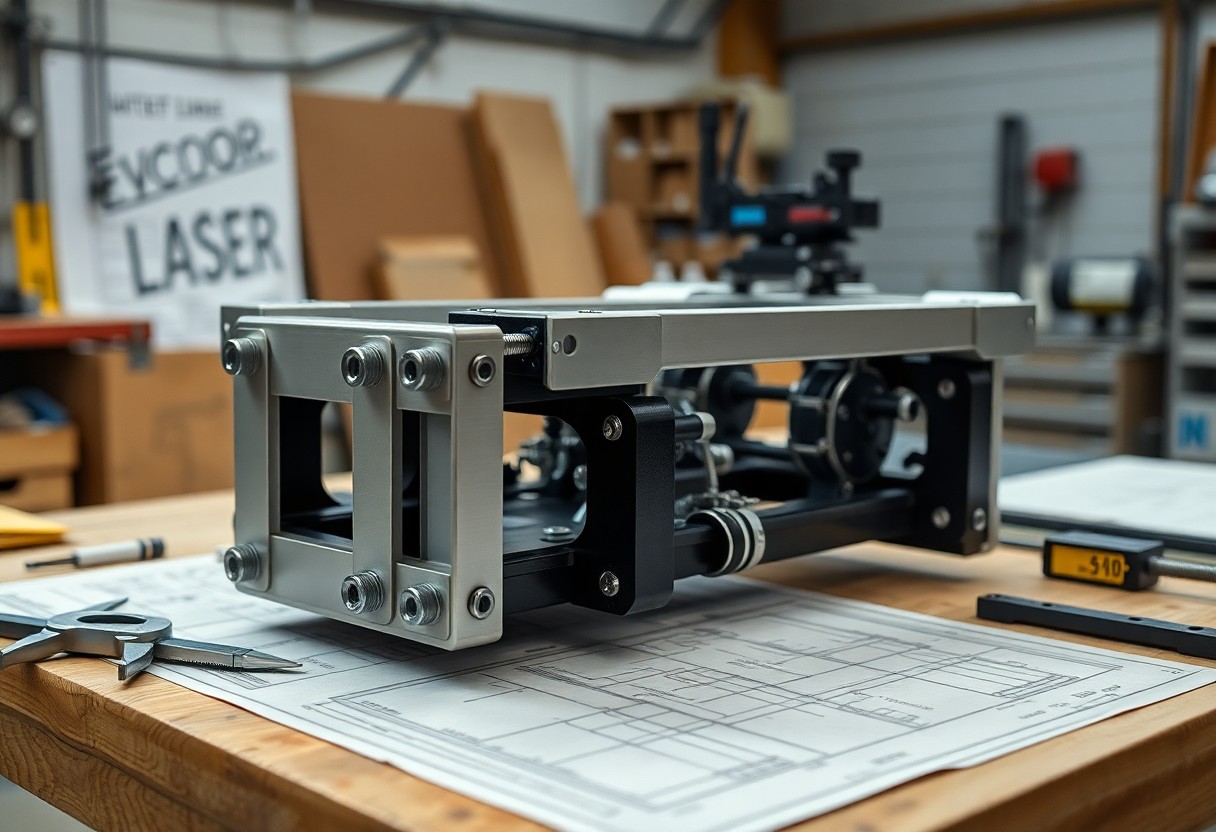
Building a Custom Robot Frame for Maximum Stability
Most designs focus on low center of gravity and wide wheelbase; you must optimize frame geometry, material choice, and mounting points to minimize tipping, control flex, and distribute mass for predictable handling across varied terrain. Material Selection for Structural Rigidity You must weigh stiffness, weight, cost, and manufacturability when choosing frame materials to ensure maximal […]
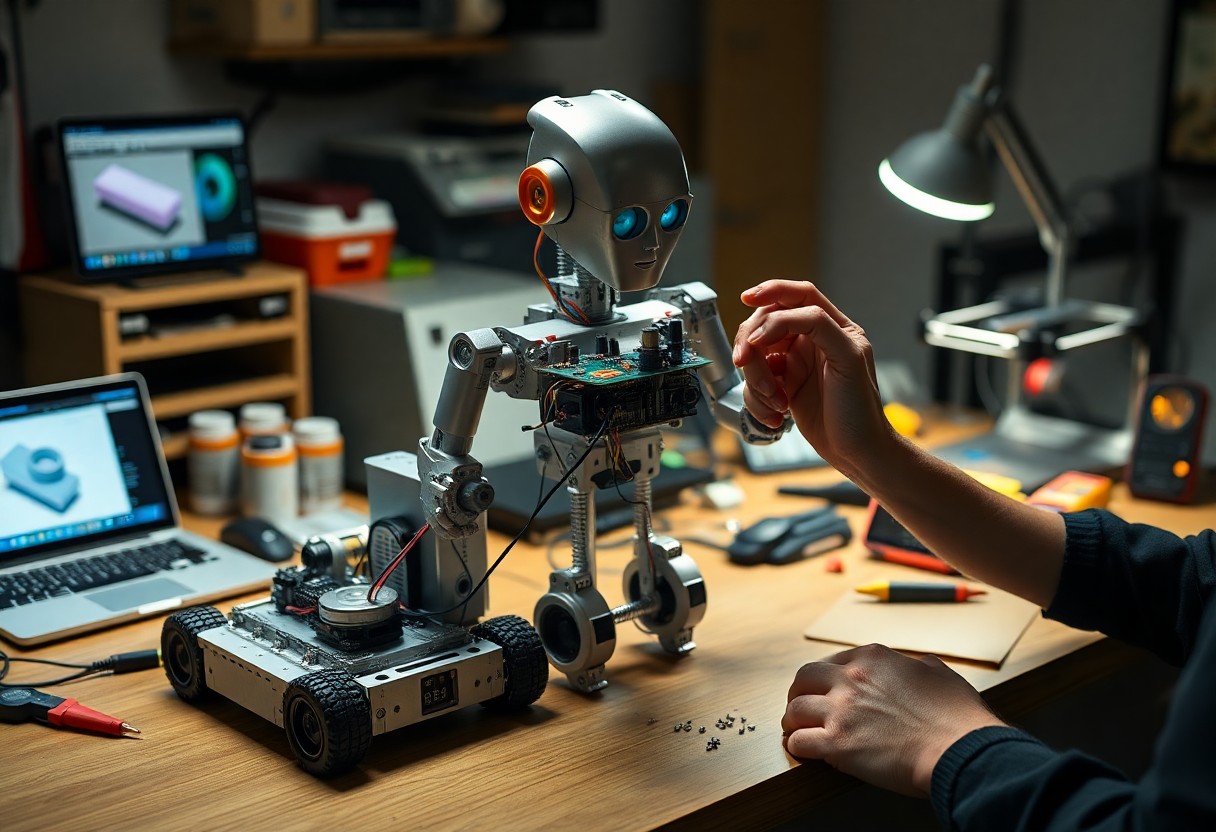
Constructing a Robot from Concept to Functional Prototype
Just follow systematic design, component selection, prototyping, and testing to transform your robot idea into a working prototype. Conceptualization and Requirements Analysis Conceptualization connects user needs to measurable goals, so you outline core functions, user scenarios, and constraints that will steer design decisions and early trade-offs. Defining Operational Objectives and Constraints Objectives specify mission profiles, […]